You can tell within about 30 seconds. The door opens, you get that first look at the bar, the noise level feels right, and something either clicks or it doesn’t. That instinctive reaction says a lot about what makes a great pub, but the best places hold up long after first impressions. They are the pubs you return to, recommend to mates, and quietly compare every other pub against.
A great pub is rarely about one big thing. It is usually a mix of smaller details done properly – good beer kept well, a room with real character, staff who know how to read the place, and a crowd that makes you want to stay for another round. Some pubs lean historic and traditional, others are more food-led or modern, but the best ones understand exactly what they are and do it well.
What makes a great pub in practice?
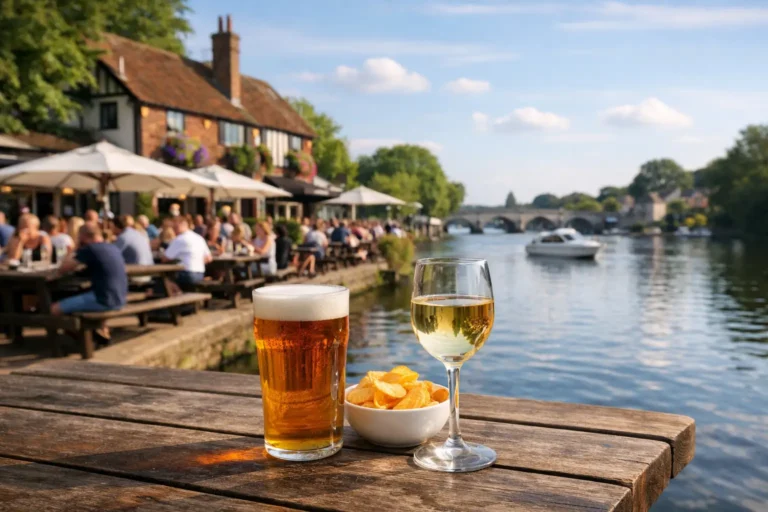
If you strip away the marketing and the trendy fit-outs, a great pub gets the basics right and gives people a reason to come back. That reason might be a pint of cask ale in top condition, a cracking Sunday roast, a proper beer garden, or simply the feeling that you can settle in without being rushed.
It also depends on the type of pub. A city-centre craft beer bar does not need to feel like a village local. A match-day pub near a football ground will have a different atmosphere from a quiet country inn. Greatness is not about all pubs looking the same. It is about a pub being true to its purpose and doing the simple things consistently well.
Atmosphere matters more than almost anything
People often talk about atmosphere as if it is some mystical quality, but it usually comes from practical choices. Lighting matters. Seating matters. So does the music volume, the spacing between tables, and whether there is a mix of people rather than one dominant crowd that makes everyone else feel like they have wandered into a private function.
The best pubs feel comfortable without being bland. They have a natural rhythm to them. You can pop in for one pint on a Tuesday or spend a whole Saturday afternoon there and neither feels out of place. That flexibility is hard to fake.
There is also a social side to atmosphere that owners cannot fully script. Great pubs attract regulars, but they do not feel closed off to newcomers. You should be able to walk in alone, as a couple, or with a group and still feel welcome. That balance is one of the clearest signs of a pub that has got things right.
A good pint is non-negotiable
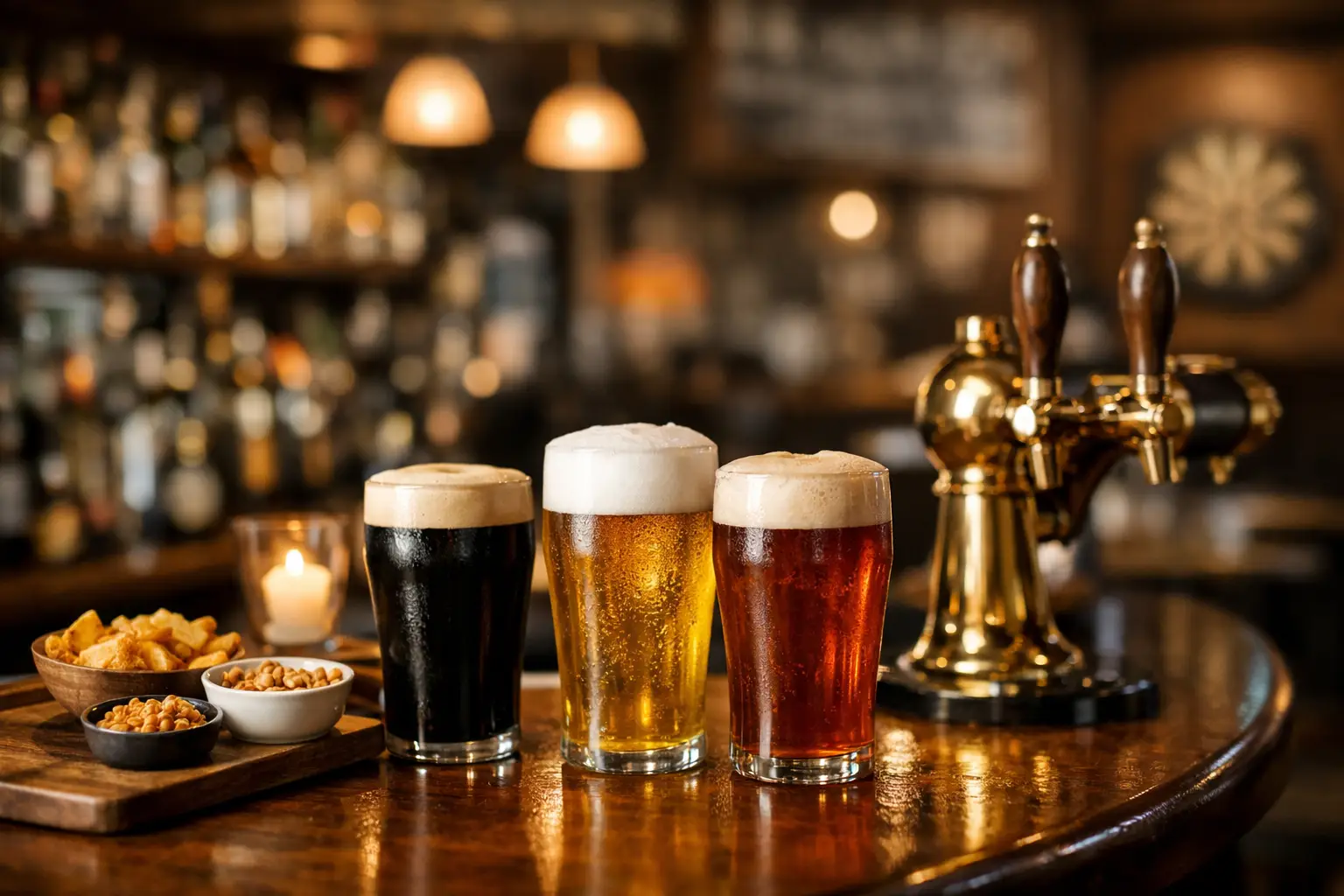
Whatever else a pub offers, the drink has to be good. That sounds obvious, but it is amazing how many otherwise promising places fall short here. In a proper pub, lager is served cold and clean, cask ale is fresh and well kept, Guinness is poured with care, and the range behind the bar matches the style of the place.
Choice helps, but only up to a point. Ten badly kept beers are far less impressive than four dependable ones. A great pub knows its audience and keeps a tight, sensible selection in good condition. If the staff can also tell you what is on, what is new and what suits your taste, even better.
For ale drinkers in particular, quality control separates average pubs from standout ones. Line cleaning, cellar management and stock rotation are not glamorous topics, but they make a huge difference to what ends up in the glass.
Character beats polish
Some of the most memorable pubs in the UK are a bit wonky round the edges. Uneven floors, old fireplaces, odd little side rooms, historic signs, low beams, faded photos on the wall – these things give a pub personality. They tell you the place has a life of its own.
That does not mean every good pub needs to be centuries old. Newer pubs can have character too. What matters is whether the place feels distinct rather than copied from a generic hospitality template. A pub should reflect its setting, its history, or at least the people running it.
When pubs chase trendiness too hard, they often lose that sense of identity. A slick refurb is not automatically a bad thing, but if it strips out all warmth and leaves the room feeling more like a hotel lounge than a pub, something important has gone missing.
Service sets the tone
Pub service is not the same as restaurant service, and the best staff understand that instinctively. They are friendly without hovering, efficient without feeling abrupt, and good at keeping things moving when the bar is busy.
Knowledge matters here too. If someone asks what pale ale is on, whether the kitchen is still serving, or where the quieter tables are, the answer should come easily. It helps when staff genuinely seem to like the pub they work in. That sort of warmth carries.
Bad service can flatten even a beautiful pub. If people are ignored at the bar, made to feel awkward, or treated as a nuisance for asking simple questions, they rarely come back. Great pubs make hospitality feel natural.
Food should suit the pub
Not every great pub needs great food, but if food is part of the offer, it needs to fit the place. A rural inn might lean into hearty classics, a city gastropub might push a bit further, and a wet-led local may only need decent bar snacks and a reliable toastie menu. The key is honesty.
A short menu done well often beats an overreaching one. Pub food should feel satisfying and in keeping with the setting. Nobody expects every local to produce restaurant-level cooking, but people do notice when ingredients are poor, portions are half-hearted, or the menu feels like an afterthought.
Sunday lunch is often the real test. If a pub can handle the pressure of a busy Sunday and still send out good roasts, proper gravy and well-kept pints, it is usually a strong sign.
The crowd makes the pub
A pub can have lovely interiors and excellent beer, but if the crowd is off, the place never quite lands. Great pubs tend to attract a healthy mix. That might mean locals, visitors, couples, dog walkers, food-led diners and ale fans all using the same space in slightly different ways.
There is no single ideal demographic. What matters is whether the place feels inclusive and relaxed. Even a lively pub should feel manageable rather than chaotic. You want a bit of buzz, not a sense that you need to defend your table for two hours.
This is where layout helps. Snugs, bar stools, larger shared tables and quieter corners all let different kinds of pub-goers coexist. The best pubs seem to understand human behaviour without making a fuss about it.
Small practical details matter more than people admit
The difference between a decent pub and a genuinely great one is often found in the boring stuff. Clean loos. Comfortable seating. A beer garden that has been thought through rather than just filled with plastic chairs. Sensible opening hours. Menus that are easy to read. Enough staff on when it gets busy.
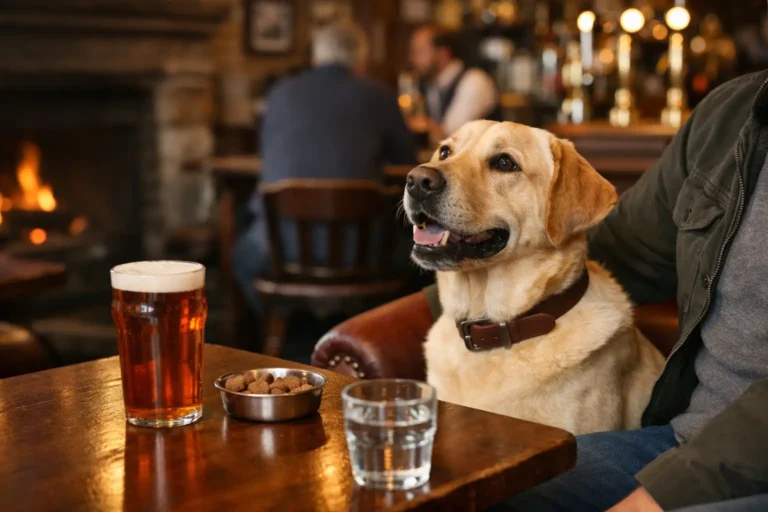
Even noise control matters. A pub should feel lively, but if you cannot hear the person opposite you unless you are outside, that limits the kind of visit people can have. Likewise, a dog-friendly pub only works if it still feels pleasant for everyone else.
These are not glamorous touches, but they shape the whole experience. People may not praise them directly, yet they notice when they are missing.
What makes a great pub worth seeking out again?
The strongest pubs leave you with a clear sense of place. You remember the pint, of course, but you also remember the atmosphere, the room, the chat at the bar, the playlist, the garden catching late afternoon sun, or the fire going in winter. They feel rooted rather than interchangeable.
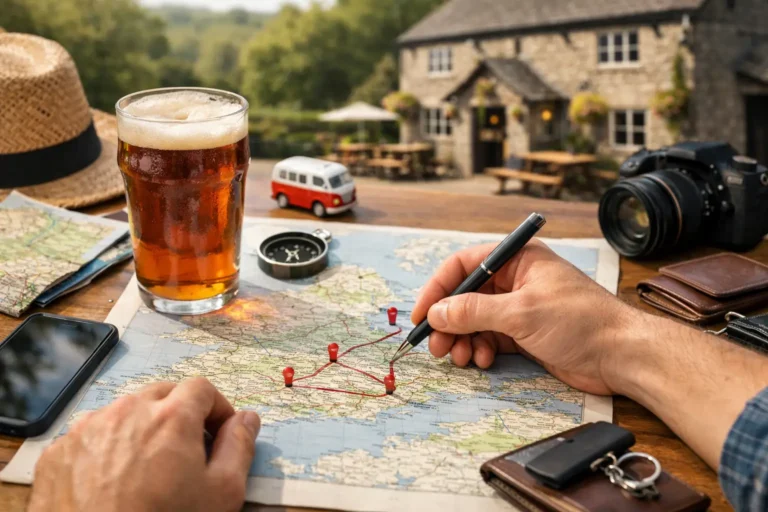
That is why pub discovery is so enjoyable. You are not just looking for alcohol or a meal. You are looking for a place with a bit of personality, where the details add up and the whole thing feels easy. If you like trying new spots, using a pub finder app to save favourite pubs, track pubs visited and plan a crawl can help separate the genuinely memorable places from the forgettable ones.
A great pub does not need to be perfect. In fact, a few quirks often help. But it does need to be confident in its own identity, reliable in the essentials, and welcoming enough that people want to make it part of their routine. That is usually the point where a pub stops being somewhere you happened to go, and becomes somewhere you mean to return to.