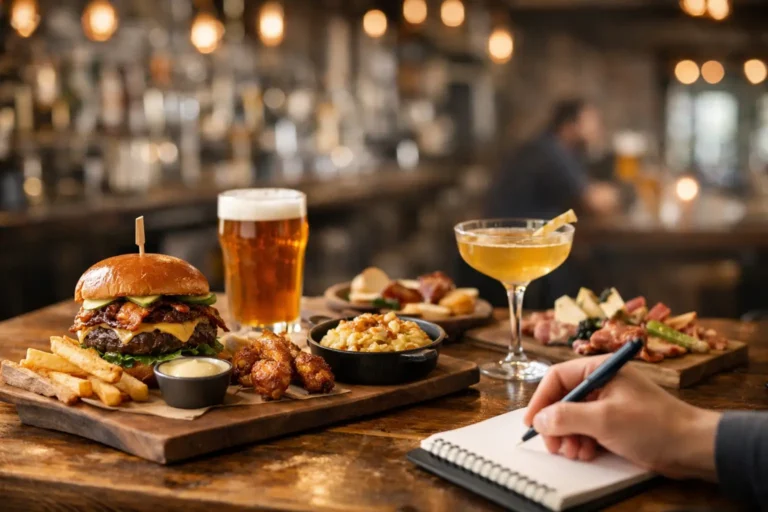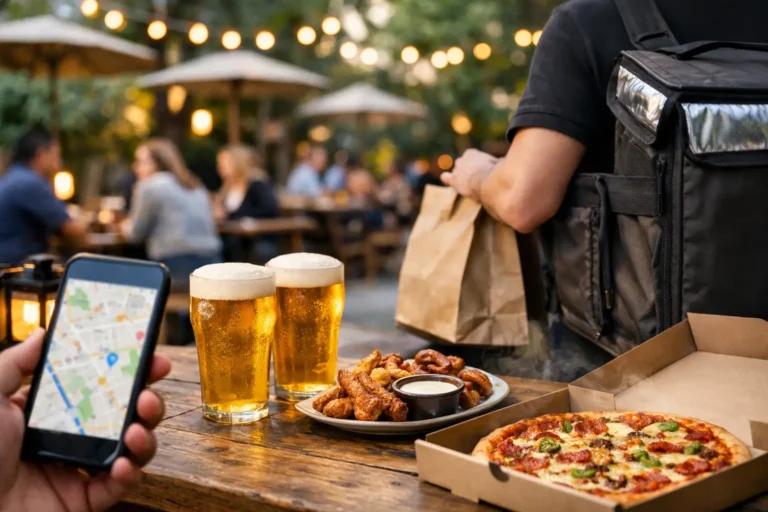
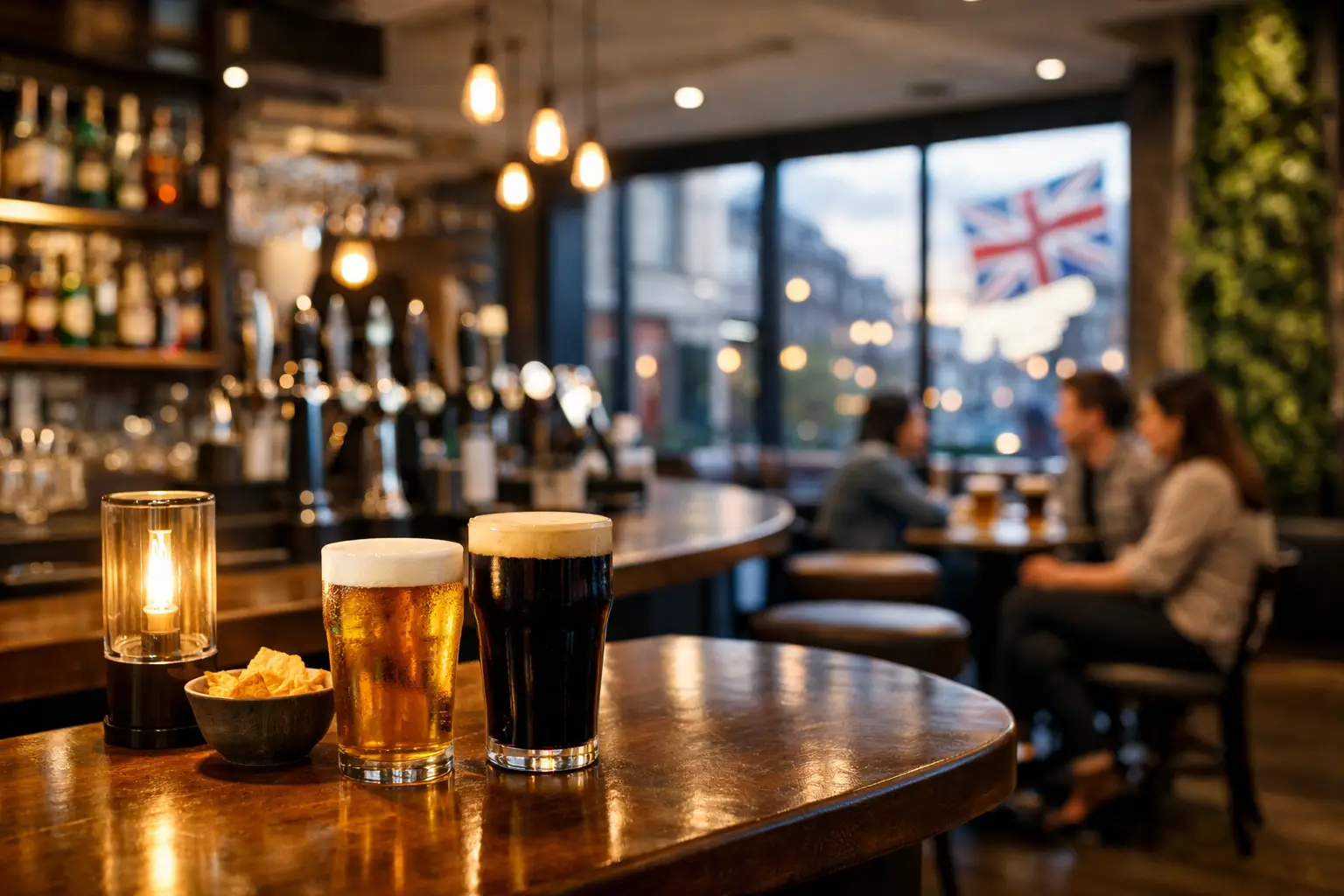
Friday at 6pm tells you a lot about the future of British pubs. One place is three deep at the bar, serving good cask ale and fish finger sandwiches to a mixed crowd of regulars, office workers and dog walkers. Another, a few streets away, has a big screen, app-based ordering and a strong trade before the match. A third opens later, leans into small plates and local beer, and feels closer to a neighbourhood restaurant than an old-school local. All three can work. That is the point.
The pub is not disappearing, but it is changing shape. The next few years will not belong to pubs that simply hope tradition carries them through. They will belong to the ones that understand what people still want from a pub, and what they are no longer willing to put up with.
What the future of British pubs really depends on
For all the talk about rising costs, changing drinking habits and pressure from supermarkets, pubs still hold something that other venues struggle to copy. They offer atmosphere without too much fuss. They can be social without being chaotic. They feel local, even in busy city centres.
That said, nostalgia on its own is not a business model. Plenty of people love the idea of a proper British pub, but they also expect decent food, well-kept beer, clean loos, a good alcohol-free range and opening hours that make sense. If a pub has charm but gets the basics wrong, charm stops carrying much weight.
The future of British pubs will be shaped by a balancing act. Keep the character, lose the complacency. Protect the old strengths, but adapt to how people actually go out now.
Pubs will need to be more useful, not just more trendy
The strongest pubs already understand this. They are not chasing every passing fad. They are giving people clear reasons to visit.
For some pubs, that means being the best place in the area for cask ale, with rotating guest lines and staff who know what is pouring well. For others, it means becoming a reliable Sunday roast spot, a proper sports pub, a destination beer garden or a dog-friendly local where you can settle in for the afternoon. Generalists can still do well, but vague pubs tend to struggle.
This is where good pub discovery matters more than ever. People are less likely to wander into the first place they see and hope for the best. They check reviews, compare atmosphere, look at food, and plan where to go next. A platform that helps users find pubs near them, save favourite pubs and track pubs visited fits neatly into that shift because pub-going is becoming more deliberate.
Drinking habits are changing, but social habits are not
A lot has been made of people drinking less, especially younger adults. That trend is real, but it does not automatically mean pubs have no future. It means pubs cannot rely only on volume drinking.
More people now want quality over quantity. They might have two pints instead of five, but they care more about where they have them. They are more likely to choose a pub with interesting beer, decent food or a setting worth spending time in. Low and no alcohol options are no longer an afterthought either. A pub with one dusty alcohol-free lager in the fridge looks behind the times.
This shift can actually favour better pubs. If customers are drinking less often, they become pickier. The average pub visit matters more, which gives well-run venues a chance to stand out. The downside is that poor or tired pubs have less room for error.
Food will keep separating thriving pubs from struggling ones
There is no rule saying every pub must become a gastropub. In fact, plenty should not. A simple menu done well often suits a pub better than an overreaching food offer that slows service and confuses the atmosphere.
Still, food will remain a major part of the picture. Midweek meals, Sunday lunches, sharers, bar snacks and strong lunchtime trade can all make the difference, especially when wet-led income is under pressure. A pub that gets people in for more than one reason is usually in a stronger position.
The trade-off is obvious. Push too far into restaurant territory and a pub can lose the relaxed feel that made people like it in the first place. Ignore food completely and you cut yourself off from customers who want a longer visit or a more rounded night out. The sweet spot often sits somewhere in the middle – food that suits the room, the area and the crowd.
The best pubs will feel more local, even when they are busy
This might sound backwards, especially as many pubs try to broaden their appeal, but local identity is becoming more valuable. People remember pubs with a point of view. That could be a historic interior, a strong ale list, quiz nights that actually draw a crowd, or a beer garden that fills up the second the sun appears.
Pubs that feel interchangeable are in a tougher spot. If a venue looks like every other chain-led bar and serves a similar offer, people tend to treat it as a convenience rather than a destination. That makes loyalty fragile.
The future belongs to pubs that give customers something specific to come back for. Not necessarily novelty – just character backed up by consistency.
Technology will help, but it will not replace hospitality
The pub trade has had a mixed relationship with tech. QR codes, table ordering and digital booking systems can be useful, particularly in busy city pubs or food-led venues. They can speed things up and make planning easier.
But nobody goes to the pub for an app experience. They go for the room, the people, the pace and the little rituals that still matter – getting a round in, chatting to the person behind the bar, finding a good corner table, deciding whether to stay for one more. If technology gets in the way of that, it feels cold very quickly.
Used well, though, tech can support better pub-going. Tools that help people organise a crawl, find pubs nearby while travelling, keep a list of favourites or remember where they had a particularly good pint are practical because they support real behaviour. They do not try to replace it.
For pub-goers, that means better planning. For pubs, it means being easier to discover when someone is searching for the right place rather than just the nearest one.
Different types of pubs will win in different ways
One reason broad predictions about pubs often miss the mark is that the sector is not one thing. A city-centre sports pub, a village local, a canal-side boozer and a food-led country inn are dealing with different customer habits, cost pressures and expectations.
That matters when talking about the future of British pubs. Some venues will thrive by being all about occasion – birthdays, weekend sessions, football, big food bookings. Others will survive because they are woven into everyday life, hosting quiet pints, family lunches and chats after work. Some will make their name through beer quality. Others through location, outdoor space or live events.
The common thread is clarity. The pubs that know what they are, and run that offer well, are more likely to hold their ground.
Community value will matter more than ever
The best pubs are still social anchors. They bring together neighbours, support local suppliers, host clubs, provide meeting points and create a sense of place that is hard to manufacture. That role is easy to romanticise, but it is also practical. A pub that people feel attached to stands a better chance when times get tough.
This is why community-backed recommendations and honest pub reviews matter. People trust local knowledge. They want to know if a pub is great for cask ale, actually dog friendly, worth visiting for food, or best saved for a summer afternoon in the garden. Vague ratings do not tell you much. Real pub-focused guidance does.
Cost pressure will force harder choices
There is no point pretending otherwise. Energy bills, wages, stock costs and property pressures are real, and many pubs are operating with very little slack. Some will reduce opening days. Some will tighten menus. Some will focus on the busiest sessions and stop trying to make quiet periods work.
For customers, this may mean pubs feel more intentionally run. Shorter hours can be frustrating, but a well-staffed pub open at the right times is better than an exhausted one trying to cover everything poorly. Likewise, a tighter beer range with excellent quality is often better than a long list with half the taps not at their best.
The likely result is a pub scene with less waste, fewer half-hearted offers and a sharper divide between places that are actively managed and places that drift.
So what will the future pub look like?
Probably not one fixed model. More likely, the future pub will be whatever its area genuinely needs, run with enough confidence to lean into its strengths. In one town, that could be a traditional ale house with brilliant cellarmanship and no interest in chasing trends. In another, it could be a stylish neighbourhood pub with smart food, local beer and strong midweek trade. Elsewhere, it might be the sort of place that becomes essential on match day and busy again for Sunday lunch.
What is unlikely to work is the pub that tries to mean everything to everyone while standing for very little. People still want pubs. They just want good ones.
That should be encouraging. The future of British pubs is not about abandoning tradition. It is about proving, again and again, why the best pubs still deserve a place in everyday British life. If a pub offers warmth, quality, personality and a reason to come back, it has every chance of being part of that future.