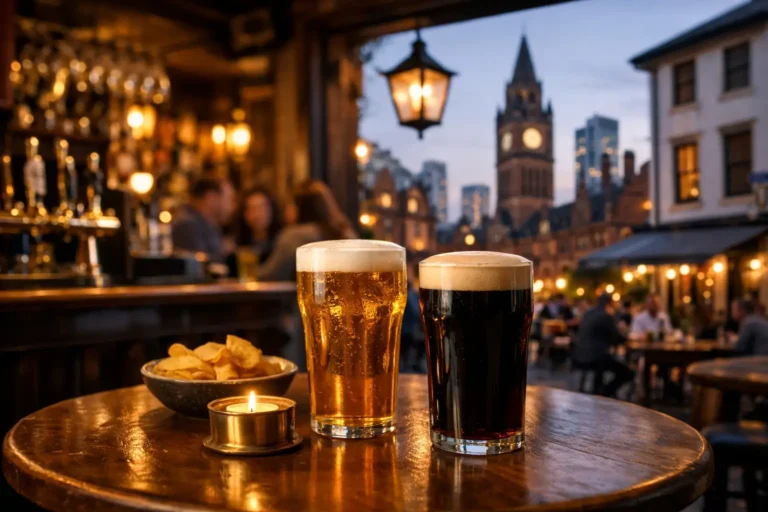
Some pubs are good for a quick pint. Others make you slow down, look around and wonder how many stories the walls could tell if they were feeling chatty. The best historic pubs UK drinkers look for are not just old buildings with a plaque outside. They are places where the setting, the atmosphere and the pub itself still feel alive rather than staged.
That matters, because “historic” can mean very different things in practice. Sometimes it means genuinely medieval beams, uneven floors and centuries of pub-going. Sometimes it means Victorian interiors, tiled bars and snug rooms that have survived when so many others have been stripped out. If you are planning a proper heritage pub crawl, the best choices usually combine character with a pint you would happily order again.
What makes the best historic pubs UK worthy?
Age helps, obviously, but it is not the whole story. A pub can be very old and still feel a bit flat if the interior has been overdone or the atmosphere is missing. On the other hand, a late Victorian or Edwardian pub with original fittings, a strong local crowd and well-kept cask ale can feel far more special than somewhere older on paper.
For most pub-goers, the sweet spot is authenticity. That might mean original timber framing, old snob screens, etched glass, tiled corridors, open fires or simply a layout that still works as a pub rather than a tourist set piece. Good historic pubs also tend to reward repeat visits. You notice a detail near the bar, a small room tucked behind the main space, or a local story that gives the place a bit more depth.
12 best historic pubs UK pub lovers should know
The George Inn, London
Tucked away off Borough High Street, The George Inn is one of the easiest answers to the best historic pubs UK question. It is famous, yes, but not without reason. This galleried coaching inn has proper visual impact the moment you arrive, and it still feels like a pub rather than a museum piece.
The trade-off is that popularity comes with crowds, especially at busy times. If you want a quieter look around, go earlier in the day. Even so, it remains one of the great historic drinking stops in London and a very easy addition to a central pub route.
Ye Olde Trip to Jerusalem, Nottingham
Claiming to date back to 1189, this Nottingham favourite has all the drama you could want from a historic pub. Built into the rock below Nottingham Castle, it feels unusual before you have even reached the bar. The cave-like setting gives it a character that is hard to copy.
It is also one of those places where the history is part of the fun, even if some of the legends are best taken in the spirit of pub storytelling. If you enjoy pubs that feel distinct rather than merely old, this one earns its place.
The Bingley Arms, Bardsey
West Yorkshire does old pubs very well, and The Bingley Arms often appears in conversations about England’s oldest inn. Whether you are interested in exact dates or not, what matters more is that it still feels rooted in its setting. Stone walls, low beams and a village atmosphere do plenty of the work.
This is a good reminder that historic pubs are often best outside the busiest city centres. You may need to plan the journey a bit more carefully, but the reward is often a pub that feels less performative and more lived in.
The Eagle and Child, Oxford
This is a pub people know for literary reasons as much as architectural ones. The association with J.R.R. Tolkien and C.S. Lewis gives it obvious appeal, but the wider attraction is that it remains a classic Oxford pub stop with real heritage interest.
Historic fame can sometimes overshadow the actual drinking experience, so expectations need to stay sensible. If you go for atmosphere, history and the pleasure of ticking off an important pub landmark, it is a strong choice.
The Philharmonic Dining Rooms, Liverpool
Not every historic pub needs to feel medieval. Liverpool’s Philharmonic Dining Rooms proves that Victorian grandeur can be just as memorable. Ornate woodwork, stained glass and lavish interiors make this one of the country’s standout pub buildings.
It is ideal if your idea of history includes architectural drama rather than just age. You go here to look up as much as around, and it is one of the easiest pubs to recommend to anyone building a city-centre heritage pub crawl.
The Crown Liquor Saloon, Belfast
Belfast has some cracking pubs, and The Crown Liquor Saloon is among the most visually distinctive anywhere in the UK. Gaslight-era glamour, snug booths and richly detailed interiors give it a very strong sense of place.
It draws plenty of visitors, so you will rarely have it to yourself, but that does not cancel out the appeal. In fact, part of the fun is seeing a pub with this much decorative history still doing the job it was built for.
The Sheep Heid Inn, Edinburgh
Often billed as one of Scotland’s oldest pubs, The Sheep Heid Inn has the kind of history that feels woven into the city rather than bolted on for visitors. The setting in Duddingston gives it a slightly calmer feel than the busiest central Edinburgh pubs.
That makes it a smart pick if you want heritage without the full tourist crush. It is also a reminder that some of the best historic pub visits come when you step just outside the most obvious drinking streets.
The Old Ferry Boat Inn, Holywell
This Cambridgeshire pub claims extreme age and has the riverside setting to match the storybook look. Whether you are there for the folklore, the location or the bragging rights, it certainly looks the part.
Pubs like this work best when you treat them as part of a wider day out rather than a quick stop. Historic pubs in rural spots often shine brightest when paired with a walk, a scenic route or a slower afternoon.
The Spaniards Inn, London
Hampstead has no shortage of famous pubs, but The Spaniards Inn has a particularly strong hold on people who like literary history and a slightly old-world feel. It has the sort of setting that encourages a longer stay, especially if the weather behaves.
Like many famous London historic pubs, it can lean busy and a touch touristy. Still, the character is genuine enough to make that worth accepting, particularly if you want somewhere with both heritage and a comfortable pub feel.
The Turf Tavern, Oxford
Reached down a narrow lane, The Turf Tavern has the hidden quality many people hope for when chasing historic pubs. It is not hidden in the strict sense anymore, but arriving there still feels like finding something tucked away.
Its history is part of the draw, but the layout and setting do just as much. This is one of those pubs that works well for visitors because it feels woven into the city rather than built around a single selling point.
The Black Boy Inn, Caernarfon
North Wales offers some excellent historic inns, and The Black Boy Inn stands out for its timbered frontage and strong sense of age. It looks dramatic from the outside and keeps enough character indoors to justify the visit.
If you are touring Wales and want a pub with real visual presence, this is a very handy one to know. It also shows how much the wider setting matters. A historic pub near a castle town already has a head start.
The Porch House, Stow-on-the-Wold
Cotswold pubs can sometimes drift into polished country-hotel territory, but The Porch House still earns attention as a genuinely historic stop. The old stone building and low-ceilinged rooms give it the right foundations, while the market-town setting makes it easy to include on a weekend trip.
This is a useful example of a pub where historic appeal and comfort overlap. Some pub-goers want rough edges, others want heritage with a slightly easier landing. There is room for both.
How to choose a historic pub that suits your trip
If you only care about age, you will end up with one kind of list. If you care about atmosphere, beer quality and whether a place still feels like a proper local, your shortlist may change quite a bit. That is why the best historic pubs UK visitors choose often depend on the occasion.
For a city break, it makes sense to look for historic pubs that sit naturally within a walkable route. London, Liverpool, Edinburgh, Oxford and Belfast all work well for that. For a slower weekend, village inns and market-town pubs can be more rewarding because you get the setting as well as the pub.
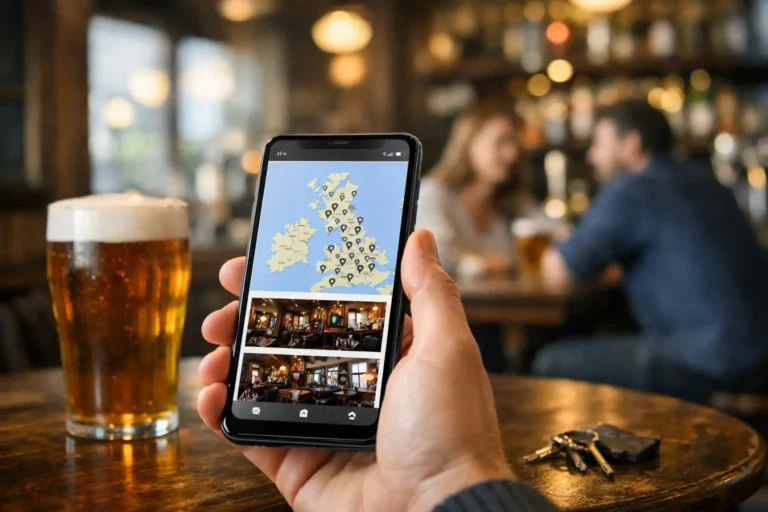
It also helps to decide what sort of history appeals most. Medieval inns have obvious romance, but Victorian gin palaces and preserved interwar boozers often offer richer interiors. If you use a pub finder app while travelling, it is easier to spot nearby stops, save favourite pubs for later and build a route that mixes big-name heritage pubs with a couple of less obvious locals.
A few things worth knowing before you go
Historic pubs are not always the best choice for every group. Low beams, uneven floors, tight corners and small snugs are part of the charm, but they can make some venues less accessible or less practical for larger parties. It is worth checking ahead if comfort and access are important.
Timing matters too. The most famous places can feel very different at noon compared with Saturday evening. If you want to appreciate the building and the atmosphere properly, earlier visits are often better. If you want the pub at full chat, busier sessions may suit you more.
And while heritage is the hook, the basics still count. A pub with centuries of history but a poor pint or indifferent service is only getting halfway there. The places people return to are usually the ones where the history adds to the experience rather than replacing it.
The best historic pubs are the ones that still feel useful as pubs – places where you can settle in, enjoy your drink and feel, even for an hour, part of a much longer story.