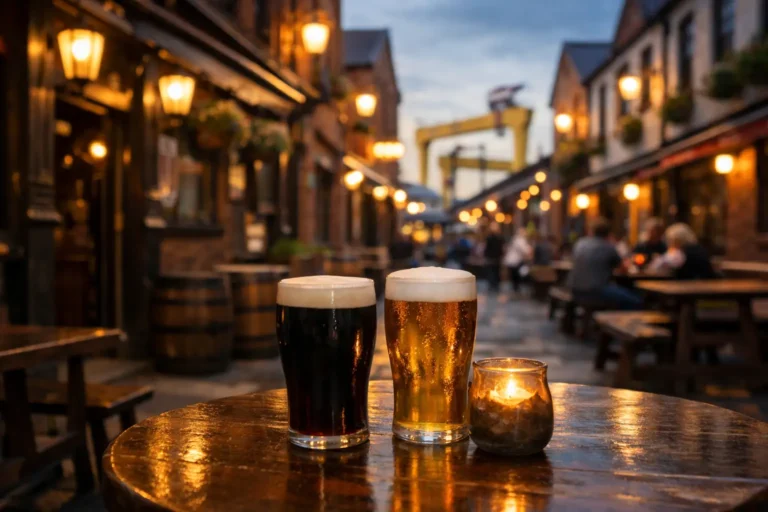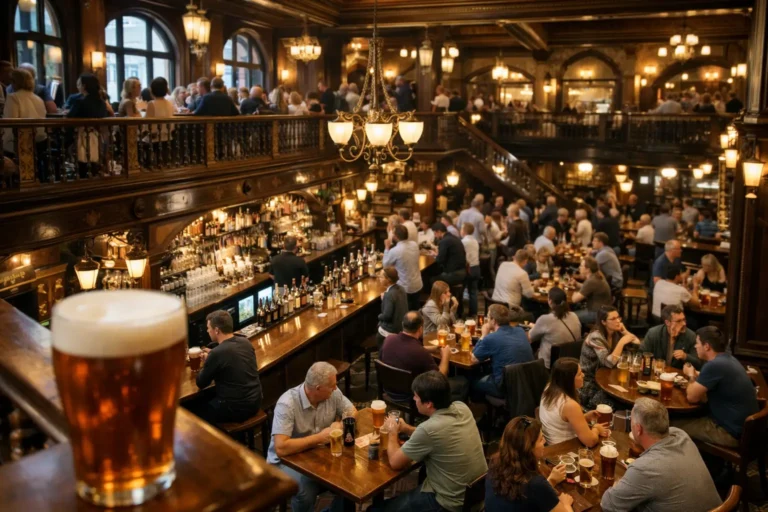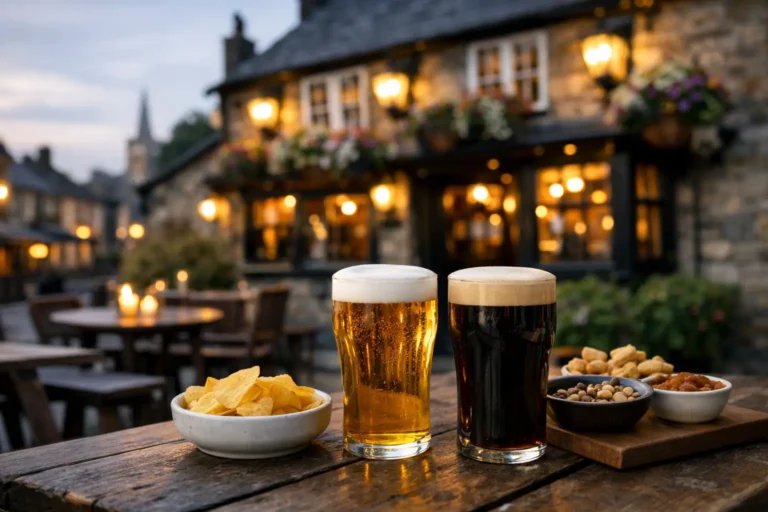
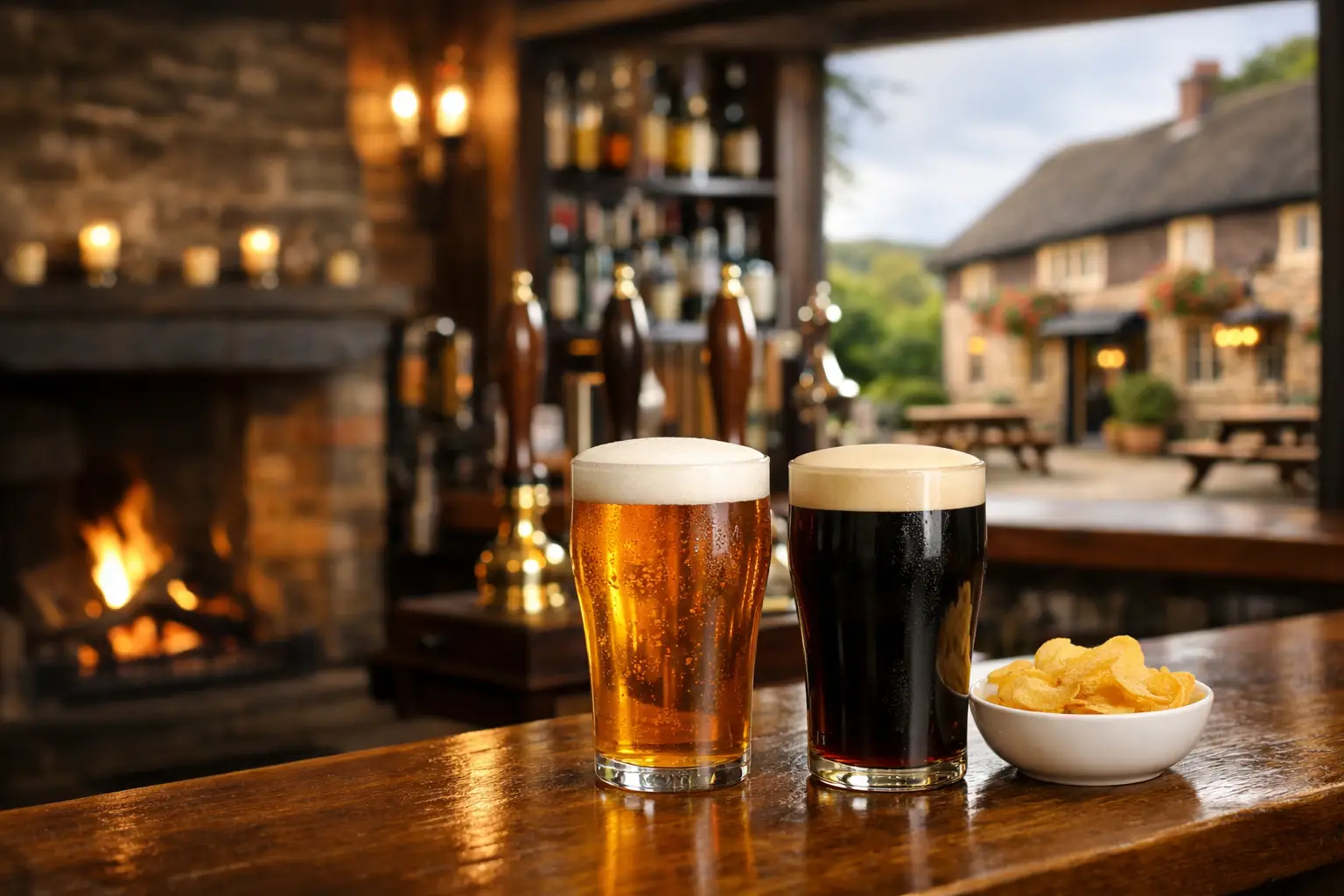
Ask ten regulars what is the best pub in the UK and you will get at least twelve answers, usually delivered with complete certainty and a bit of table-thumping. That is part of the charm. The best pub is never just about the pint in your hand. It is about the room, the welcome, the crowd, the history in the walls and whether you would happily stay for one more when you had planned to head off half an hour ago.
If you are hoping for one single, final answer, pub culture does not really work like that. Britain’s best pub for a cask ale purist might be all handpumps and hushed appreciation. For someone planning a weekend away, it could be a riverside pub with cracking food and rooms upstairs. For a local, the best pub may be the one where the landlord remembers your order, the fire is on by five and the atmosphere never feels forced.
What is the best pub in the UK really asking?
Usually, people are not asking for one pub. They are asking what makes a pub worth going out of your way for.
That is a more useful question, because the UK has too many genuinely brilliant pubs to reduce it to a single winner without losing something. Historic London taverns, Peak District inns, Cornish coastal spots, Welsh village locals, Edinburgh boozers with proper whisky shelves, Belfast pubs with music and character – they all play different roles. Comparing them directly is a bit like arguing whether the best day out is a seaside walk or Sunday lunch. It depends what sort of day you want.
A great pub tends to get the basics right first. The beer is kept properly. The service is warm without hovering. The place feels like itself rather than a concept assembled by committee. There is comfort in the details – decent glassware, sensible lighting, a room that invites conversation, and a crowd that tells you this place means something to people.
The best pub in the UK depends on the kind of pub-goer you are
If you are chasing top-tier cask ale, your shortlist will look very different from someone hunting down the best gastropub. A serious ale drinker may forgive a plain room if the cellar is exceptional. A couple planning a special meal will care more about the kitchen, wine list and overall setting. A group on a city break might want a lively stop with character, central enough for a pub crawl but not so polished it feels generic.
That is why broad awards can be useful but never definitive. Pub prizes often reward excellence in one area – beer quality, heritage, food, design, community role – yet the public tends to mean something wider by “best”. The best pub is usually the one that gets several things right at once and does so consistently.
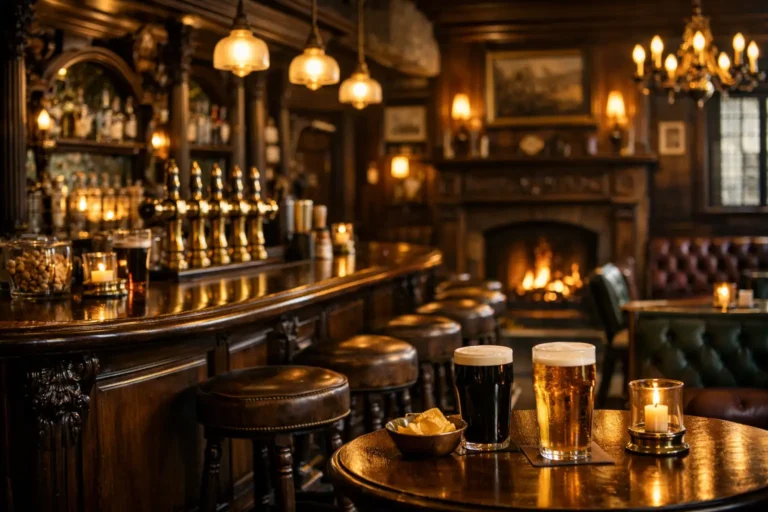
There is also the question of mood. Some pubs are brilliant on a Tuesday evening and less enjoyable on a packed Saturday. Others only truly come alive when there is a fire lit, rain on the windows and no one in a hurry. Timing matters more than people admit.
What separates a truly great pub from a decent one?
Atmosphere is the hardest thing to fake and often the first thing regulars notice. A great pub has a natural rhythm. You walk in and it feels settled. There is enough noise to feel alive, but not so much that you have to shout. Staff look like they know the room. The pub is clean and cared for, but not scrubbed of all personality.
Then there is the drink itself. In the UK, and especially in any conversation about standout pubs, poor beer keeping is unforgivable. The best pubs treat cask ale with respect, rotate wisely and know what they are serving. If they lean towards lager, stout, cider or spirits instead, the same rule applies – quality, care and consistency matter.
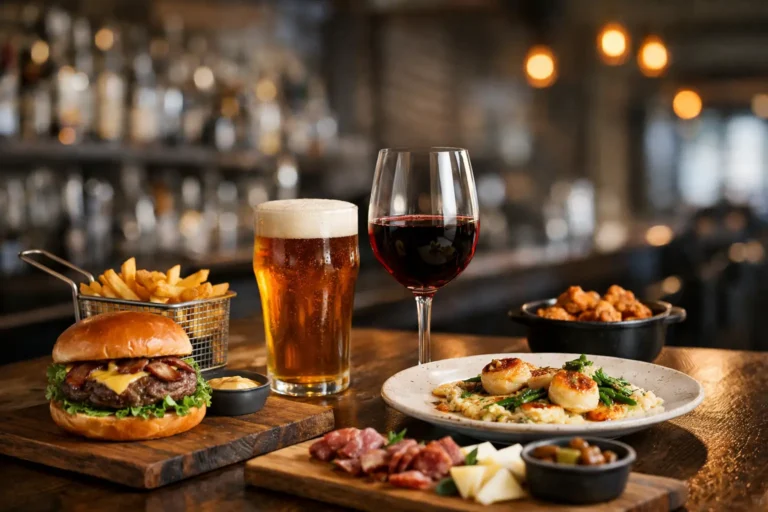
Food can elevate a pub, but it should not overpower it. Some of the country’s best pubs serve superb seasonal menus. Others barely offer more than a pork pie and still rank among people’s favourites. What matters is whether the food suits the pub. A proper boozer pretending to be a fine-dining spot often loses its soul. Equally, a pub with culinary ambition can still feel warm and unfussy if it keeps its identity intact.
Community is another dividing line. The best pubs do not just serve customers. They anchor a street, a village or a neighbourhood. They host quiz nights, support local breweries, welcome dogs, chat to newcomers and give regulars a sense of ownership without making outsiders feel like they have wandered into someone else’s front room.
Can one famous pub claim to be the best in the UK?
Plenty of names come up again and again, and for good reason. Some are celebrated for their history, some for extraordinary beer, and some because they strike that rare balance between destination pub and proper local. But fame can be a mixed blessing.
A much-photographed pub in a major city may be worth visiting once for the setting alone, yet become so busy that the experience turns into queueing, jostling and trying to hear yourself think. Meanwhile, a lesser-known pub in York, Bristol, Sheffield or the Welsh borders may offer a better pint, a better welcome and a better evening overall.
That is the trouble with declaring one national champion. The more a pub is crowned as the best, the more the experience can shift. Success brings attention, and attention can alter what made the place special in the first place.
How to judge what is the best pub in the UK for you
A better approach is to ask a few practical questions before setting off. Are you looking for atmosphere or peace and quiet? Is the beer list the main event, or does food matter just as much? Do you want a place steeped in history, or something more contemporary but still full of character? Are you after a city-centre classic, a countryside inn or a neighbourhood local that tourists often miss?
It also helps to read honest pub reviews rather than just star ratings. A pub can score well overall and still be wrong for your plans. A gastropub praised for food might not suit someone after a proper cask-led session. A legendary old tavern may thrill history lovers but disappoint anyone expecting plush seating and polished service. Context matters.
This is where specialist pub platforms have an edge over generic venue round-ups. A pub should be judged as a pub, not simply as another hospitality listing. Knowing whether it has character, a strong ale line-up, a reliable crowd and a sense of place tells you far more than a vague score ever will.
Best pub in the UK contenders often share the same traits
Even though there is no single answer, the strongest contenders tend to have a lot in common. They feel rooted. They offer something distinctive, whether that is an old snug, a superb cellar, unforgettable views or a brilliant Sunday roast. They are reliable without being dull. And crucially, they make people want to return, not just tick them off a list.
They also age well. A truly great pub is not all first impression. It holds up on the second visit and the fifth. In fact, many of the best pubs reveal themselves slowly. The first time you notice the architecture. The second time you appreciate the beer range. By the third visit, you know which corner to sit in and what time to arrive before the evening rush.
For that reason, local knowledge still counts for a lot. National coverage is useful, but the strongest recommendations often come from people who understand a town’s pub scene as a whole. One venue can seem excellent in isolation, yet look average once you know what else is nearby. That is why discovery-led pub guides, including the kind we focus on at Pub Reviews UK, are often more helpful than simple best-in-Britain claims.
So, what is the best pub in the UK?
The honest answer is that there is no single best pub in the UK for everyone. There are only brilliant pubs for different occasions, tastes and parts of the country.
If you want a working definition, the best pub in the UK is the one that combines quality drink, genuine atmosphere, proper character and a sense of belonging. It should feel memorable without trying too hard. It should suit its setting. And it should leave you thinking, before you are even out the door, that you would happily come back.
That might be a famous old inn with centuries behind it. It might be a backstreet ale house with six perfect handpulls. It might be the pub at the end of a long walk, the one with muddy boots by the entrance and a pint that tastes exactly right because you have earned it.
If you are trying to find your own answer, do not just chase hype. Follow the pubs with strong reviews, a clear identity and the kind of details people mention twice – the welcome, the beer, the fire, the roast, the garden, the music, the sense that this place knows what it is. The best pub is rarely the one shouting the loudest. More often, it is the one you keep recommending afterwards.