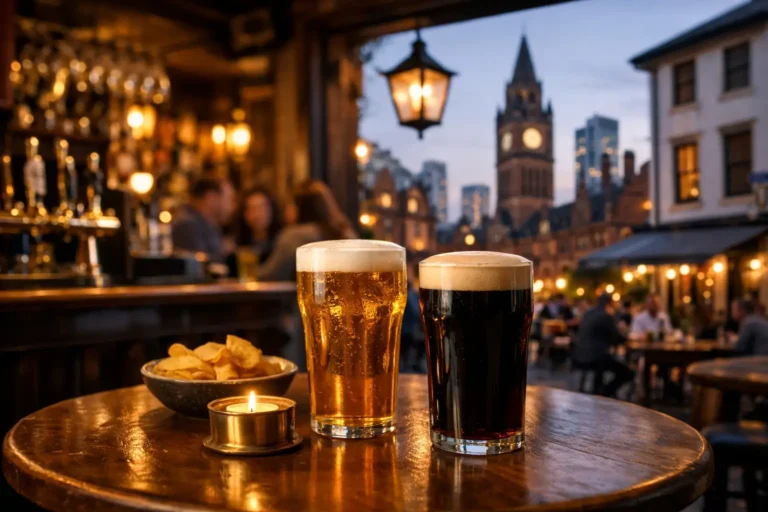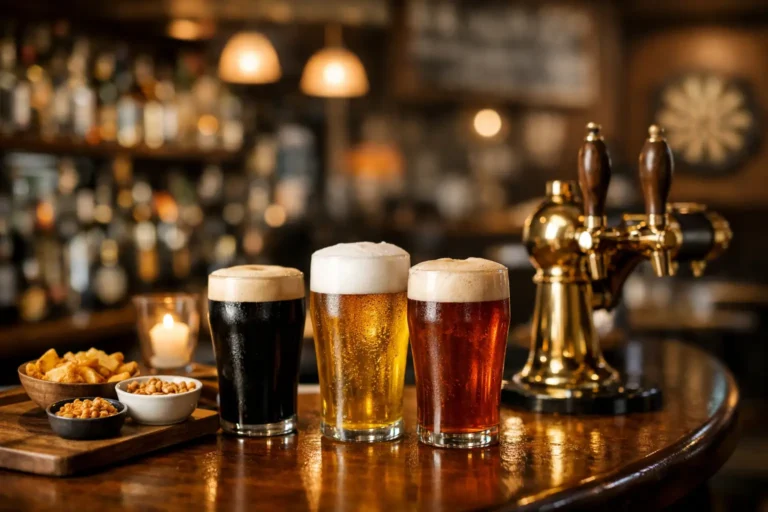
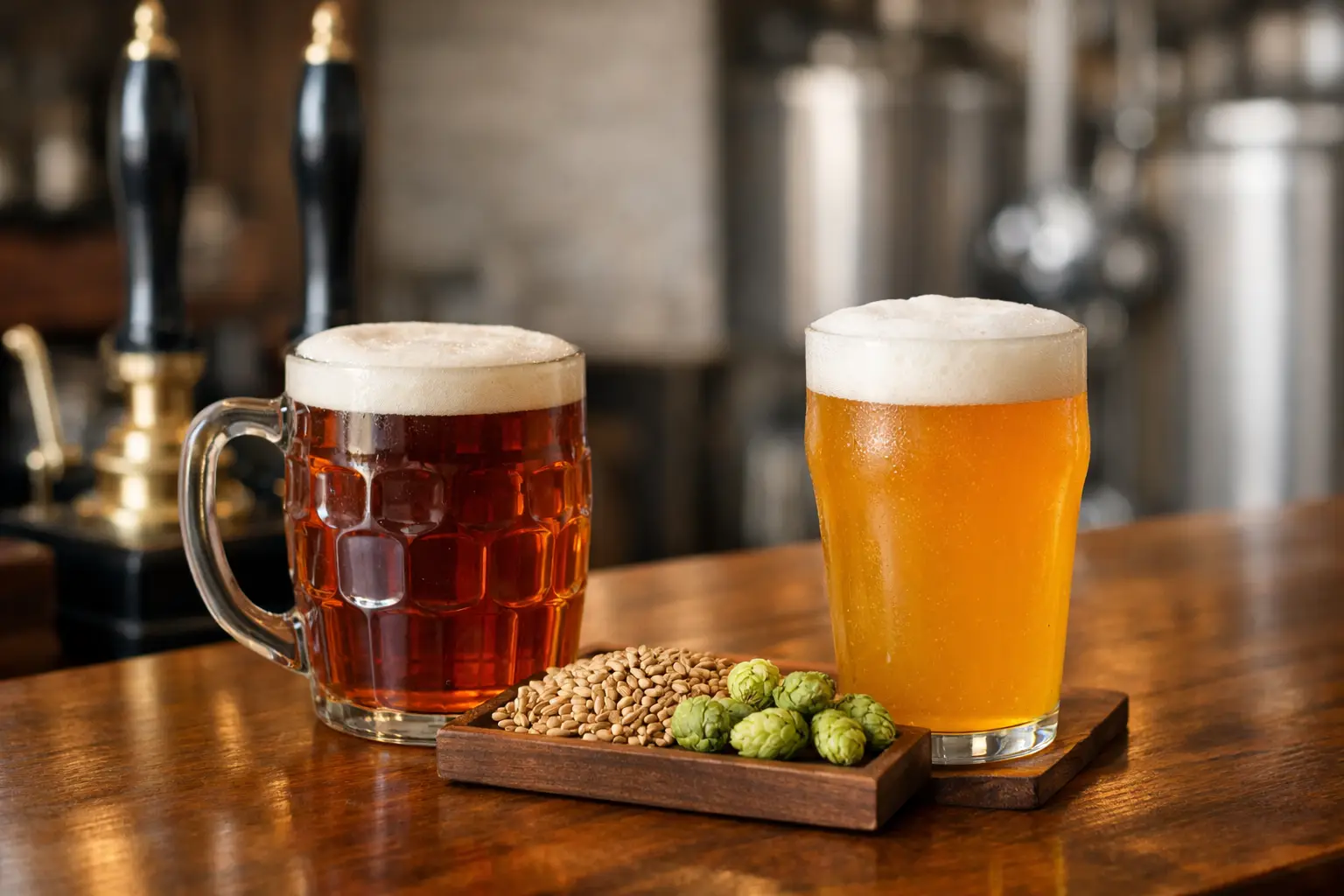
Order a pint in the wrong pub and this question comes up fast: cask ale vs craft beer – what are you actually choosing between? Plenty of drinkers use the terms as if they sit on opposite sides of the bar, but that is not quite right. One describes how beer is conditioned and served, while the other is a broader label tied to brewing approach, scale and style.
That confusion matters if you are trying to pick the right pub, the right pint, or both. A lovely old ale house with three handpulls might be a better bet for one drinker, while someone after a bold IPA or a modern stout will probably head somewhere with a wider craft lineup. Neither is automatically better. It depends on what sort of beer experience you want, and what the pub does well.
Cask ale vs craft beer: the simple answer
Cask ale is beer that finishes conditioning in the cask and is served from that cask in the pub, usually without added carbon dioxide. It is often dispensed by handpump and kept at cellar temperature rather than served ice cold. The result is a softer, livelier beer with a more natural feel and often a more subtle expression of malt, hops and yeast.
Craft beer is a much wider term. In the UK it usually refers to beer made by independent or smaller-scale breweries with an emphasis on flavour, quality and brewing creativity. It can include keg beer, canned beer, bottled beer and, importantly, cask beer too. So cask ale can be craft beer, but craft beer is not always cask ale.
That is the main thing to get straight. Cask and craft are not direct rivals in the way lager and stout might be. They overlap.
What makes cask ale different?
Cask ale is tied closely to traditional British pub culture. After fermentation, the beer goes into a cask where it continues to mature. Once it reaches the pub, it needs proper cellar care. Temperature, settling time and line cleanliness all make a difference, which is why the same beer can taste excellent in one pub and tired in another.
The classic serving method is the handpump. You pull the pint through from the cellar, and because there is usually no extra gas pushing it through the line, the carbonation stays gentle. That gives cask its trademark soft mouthfeel and makes it especially good for balanced bitters, pale ales, milds, porters and golden ales.
For many pub-goers, cask is not just about flavour. It is also about ritual and setting. The handpull on the bar, the chalkboard with local breweries, the quiet confidence of a pub that knows how to keep its beer properly – that all counts for something.
What counts as craft beer in the UK?
Craft beer is trickier because there is no single pub-side definition that everyone agrees on. In practice, most people mean beer from a brewery that cares deeply about flavour and identity, often with more experimentation than the big national brands. That might mean a hazy IPA, a crisp pilsner, a fruited sour or a punchy porter. It usually arrives on keg, in can or bottle, though some craft-focused breweries also produce cask versions.
In pubs, craft beer often shows up through keg fonts and rotating tap lists. You might see modern British breweries alongside European and international names, with styles that lean more hop-forward, stronger, colder and fizzier than typical cask offerings.
That does not mean craft beer is always extreme. Some craft brewers make beautifully restrained bitters, lagers and session pales. The point is less about one flavour profile and more about approach.
Flavour, temperature and texture
If you are choosing between cask ale and craft beer in a pub, flavour expectation is often the biggest practical difference.
Cask ale tends to show nuance rather than force. Because it is served slightly warmer than keg beer and with lower carbonation, you often get more rounded malt character, softer bitterness and a smoother finish. Good cask rewards slower drinking. It can be wonderfully expressive without feeling heavy.
Craft beer on keg often pushes different buttons. It is usually served colder and with more carbonation, which can sharpen hop character, make dark beers feel slicker and give lagers more snap. Styles like IPA, pale ale and stout can feel brighter or more intense on keg than they do on cask.
This is where preference really matters. If you want subtle balance and pintability, cask is hard to beat. If you fancy vivid hop aroma, a colder serve and a broader range of styles, craft keg will often win. On a warm afternoon, a clean keg lager might hit the spot. In a snug pub with a fireplace, a well-kept cask bitter can feel exactly right.
Why pub quality matters so much with cask
One reason some drinkers swear by cask and others avoid it comes down to pub standards. Cask ale is less forgiving than keg. Once broached, it has a shorter life and needs to move. If a pub does not sell enough of it, or does not look after the cellar properly, the beer can lose condition and freshness.
That is why finding the right pub matters almost as much as choosing the right beer. A pub with strong turnover, knowledgeable staff and a clear pride in its handpulled range is often where cask shines. In the wrong setting, it can seem flat or lifeless, even though the issue is storage and service rather than the style itself.
Craft beer on keg is generally more stable and consistent, which makes it easier for a wider range of venues to serve well. That consistency is part of its appeal, especially in busy city bars where there is a lot of rotation and a broad drinks list.
Is cask ale old-fashioned and craft beer modern?
That is the lazy version, and it misses the point.
Cask ale is traditional, yes, but not stuck in the past. Plenty of modern British breweries produce excellent cask beer, and some of the best pubs in the country balance heritage with fresh thinking. Likewise, craft beer may feel modern in branding and style, but it has now been part of the UK beer scene for years and has its own established habits, clichés and loyal following.
A better way to think about it is this: cask ale is a serving and conditioning tradition, while craft beer is a brewing culture. Those two things can work together very nicely.
You will find pubs where the handpull lineup includes a contemporary cask pale from an independent brewery, sitting happily next to a modern keg IPA and a classic stout. That sort of mixed offer is often a very good sign.
Which is better for a pub trip?
It depends what sort of outing you are planning. If you are building an afternoon around traditional pubs, local character and sessionable pints, cask ale usually fits the mood better. It encourages slower drinking, and it often goes hand in hand with historic interiors, proper pub chatter and a more relaxed pace.
If you are doing a city-centre crawl with friends and want variety from stop to stop, craft beer gives you more range. One pub might specialise in lagers and pales, the next in stouts and sours, the next in local small-batch releases. If you like trying different styles in smaller measures, craft-led pubs can be more flexible.
This is also where a pub finder app can be genuinely useful. If you are travelling or planning a route, being able to check pubs near you, save favourite pubs and track beers you have tried takes some of the guesswork out of it. It is especially handy if your group includes both cask loyalists and craft drinkers, because the best nights often happen in pubs that do both well.
How to choose between cask ale and craft beer
If you are standing at the bar and not sure what to order, start with the pub rather than the trend. Look at what the venue seems proud of. If the handpulls are well presented, the cask list is current and staff can talk you through it, that is a good clue. If the pub has rotating taps, fresh keg lines and a smart range of styles, leaning craft might make more sense.
You can also choose by occasion. For a long, sociable session, cask ale is often the more comfortable pint. For a shorter visit where you want a beer with more punch or a distinct style, craft beer might suit better.
And if you are new to either category, ask for a taste where appropriate. A good pub should be happy to steer you in the right direction.
The real answer to cask ale vs craft beer
The best pubs do not force you to pick a side. They understand that cask ale vs craft beer is not really a battle at all. It is a question of mood, taste, serving style and pub quality.
A beautifully kept cask bitter can be one of the great pleasures of a British pub. So can a fresh, modern pint of craft lager or IPA served in the right place. If anything, the most interesting pubs are the ones that respect both traditions and know how to present each at its best.
So next time you are at the bar, skip the beer-snob argument and go with the pint that suits the pub, the moment and your own taste. That is usually where the better drinking starts.