
The best pub beer gardens are not always the biggest or the most photogenic. A large patch of decking can look impressive online and still be awkward for a long lunch, while a small courtyard can be excellent if it has comfortable seats, quick service and the right atmosphere. The useful question is not simply “Does this pub have a garden?” but “Will this outdoor space work for the visit I am planning?”
This guide turns that decision into a practical checklist. Score each area from zero to two: zero if it does not work for your plans, one if it is adequate, and two if it is a strong fit. A pub does not need a perfect score. The aim is to notice the details that matter before a group has travelled across town and discovered that the only outdoor seating is three uncovered benches beside the car park.
What makes the best pub beer gardens?
Start with six areas: comfort, weather cover, service, atmosphere, practical access and fit for the occasion. Together they give a score out of 12. Treat that number as a comparison tool, not an objective rating. A lively city terrace and a quiet village garden are trying to do different jobs.
- Comfort: Are there stable tables, usable seats and enough room for your group?
- Weather: Is there a genuine choice of sun, shade and rain cover?
- Service: Is the bar easy to reach, and is the outdoor ordering system clear?
- Atmosphere: Does the space feel connected to the pub rather than like overspill?
- Access: Can everyone reach the garden, bar and toilets comfortably?
- Occasion: Does it suit a meal, quiet catch-up, family stop or group visit?
Score what you can establish from recent photographs, the pub’s own website and specific reviews. Leave unknown items unscored instead of guessing. If one feature is essential—step-free access, a dog policy or an outside booking—confirm it directly with the pub even when an old review says it is available.
Character still counts. A tucked-away courtyard behind a Victorian local, a riverside terrace or a village pub garden can all be memorable. The checklist simply stops a lovely photograph from hiding a poor fit.
Best pub beer gardens for different occasions
Weight the score around the day you actually want. For a long meal, seating, table size and food service matter more than the view. For a quick drink before a train, location and ordering speed may matter most. Write down two non-negotiables before searching; it is an easy way to avoid being distracted by features your group will not use.
For a relaxed afternoon
Look for mixed seating, a choice of shade and sun, and somewhere you can stay without blocking a busy dining table. Check recent photographs from more than one season. A garden that looks leafy in July may be exposed in spring, while a covered courtyard may work well beyond summer. If conversation matters, look for comments about road noise, music and large-screen sport rather than relying on an overall star rating.
For groups and pub crawls
Prioritise space, clear ordering and transport. Check whether outside tables can be booked, whether every guest must arrive before seating, and whether the garden closes earlier than the indoor bar. If the pub is one stop among several venues reached by rail, decide the route home first and keep the crawl realistic. A pub finder can help compare nearby options and save a shortlist, but current venue information should settle practical details.
For food-led visits
Confirm that food is served in the garden, not merely inside the same pub. Look for full-size tables, enough room for plates and a route that does not send staff or customers through a bottleneck. Check current kitchen times and booking terms on the pub’s own site. Menus, service hours and outdoor arrangements change, so a review from last summer is useful context rather than a guarantee.
For dog walks and family stops
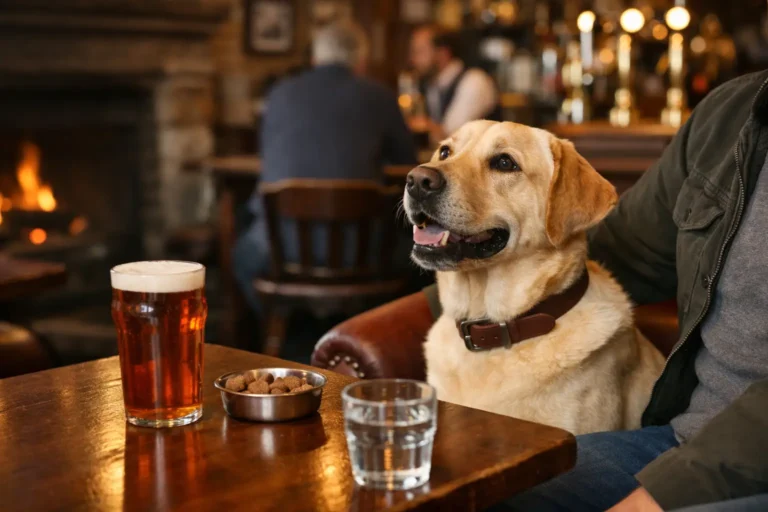
For dogs, check the venue’s current policy, shade, water and the amount of space beneath or around a table. For families, consider sight lines, roads, water and whether children are admitted outdoors at the time you plan to visit. Do not assume that “dog-friendly” or “family-friendly” describes every part of the premises or every hour of the day.
How to spot a good beer garden before you visit
Use three kinds of evidence. The pub’s website or social pages are best for current policies, bookings and opening arrangements. Recent customer photographs reveal layout, table spacing and how exposed the garden is. Detailed reviews help with lived experience such as queues, noise and atmosphere. None is complete on its own.
Read reviews for the visit you intend to make. A complaint about a crowded Friday night may not matter for a Tuesday lunch, while repeated reports of inaccessible steps are important if access is essential. Give more weight to specific descriptions than to vague praise, and check dates because gardens can be redesigned between seasons.
A quick telephone call is worthwhile when a single detail could spoil the trip. Ask a precise question—such as whether a particular entrance is step-free or whether a covered outside table can be reserved—rather than asking whether the pub is generally accessible or weatherproof.
The common let-downs to watch for
“Outdoor seating” can mean a garden, a pavement terrace or a few benches. Look for a photograph showing the whole space. Watch for tables packed too tightly for comfortable movement, cover that protects only one small area, and heaters mentioned in old reviews but absent from current venue information.
Also check the relationship with the pub itself. A long trip to the bar, one narrow doorway or an ordering app with poor mobile signal can turn every round into work. A beautiful space beside a busy road may be unsuitable for conversation. Large screens or amplified music may be a benefit for one visit and a deal-breaker for another.
Full sun is not automatically an advantage. The NHS advises spending time in shade when the sun is strongest, checking the UV index and using at least SPF 30 sunscreen. For a long daytime visit, score real shade—not just decorative parasols—alongside shelter from rain.
Why location still matters
A city-centre terrace often wins on public transport, people-watching and nearby alternatives. It may lose points for space and noise. A suburban or village garden may offer more room and a calmer setting but require a designated driver, a taxi plan or careful attention to the last bus. Include the journey in the score rather than judging the garden in isolation.
Country pubs can make a fine destination, but attractive surroundings do not solve transport. Check walking routes, daylight, mobile coverage and return options before drinking. If plans depend on a lift or public transport, agree them before the first round.
Have a nearby alternative for busy days. A second-choice pub within a sensible walk is more useful than a famous garden with no spare table and no plan B.
Using reviews and pub tools properly
Build a shortlist of three rather than searching until one photograph looks perfect. Give each pub a provisional score, mark unknown details, and then verify only the two or three points that affect your decision. This is quicker and more reliable than treating an overall rating as a verdict.
- Choose the occasion and two non-negotiables.
- Check the pub’s current website for policies, bookings and service information.
- Compare recent, wide-angle photographs of the full outdoor space.
- Read specific recent reviews for queues, noise and comfort.
- Confirm essential unknowns directly with the pub.
- Check the weather, UV level and journey home on the day.
Save useful pubs with a note about why they fit: “covered tables near station” is more valuable later than a bare favourite marker. After visiting, record what was actually helpful, but remember that staffing, menus and facilities can change.
The best beer garden is the one that fits the day
There is no universal winner. A compact courtyard can beat a sprawling lawn for an after-work drink; a large garden may be better for a family lunch; and a covered terrace near a station may be the sensible choice when the forecast is unsettled. The strongest option is the one that meets your important requirements with the fewest unknowns.
Use the score to narrow the field, then apply judgement. If a pub reaches 9 out of 12 but fails your one essential access requirement, it is not the right pub for that visit. If a characterful local scores 7 but is convenient, comfortable and easy for everyone to reach, it may be exactly right. Good planning should make the day easier, not turn choosing a pint outside into an audit.