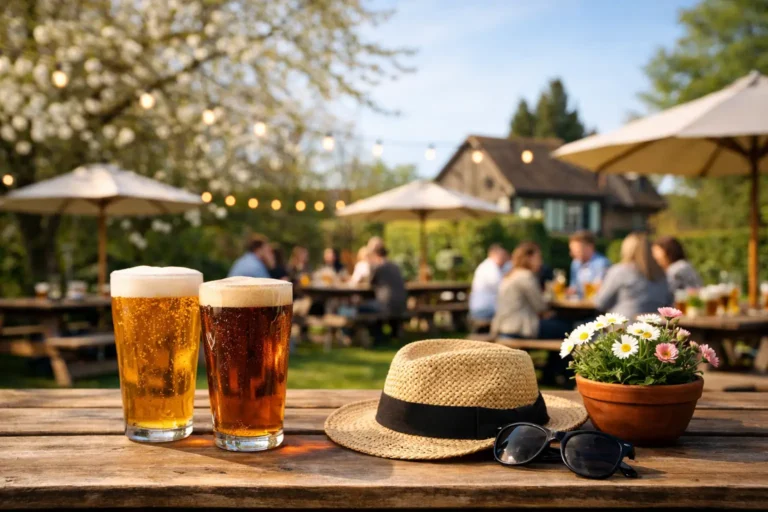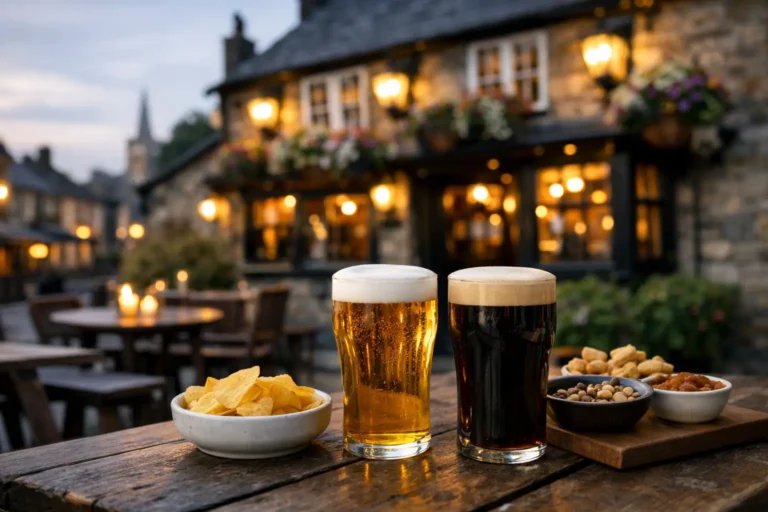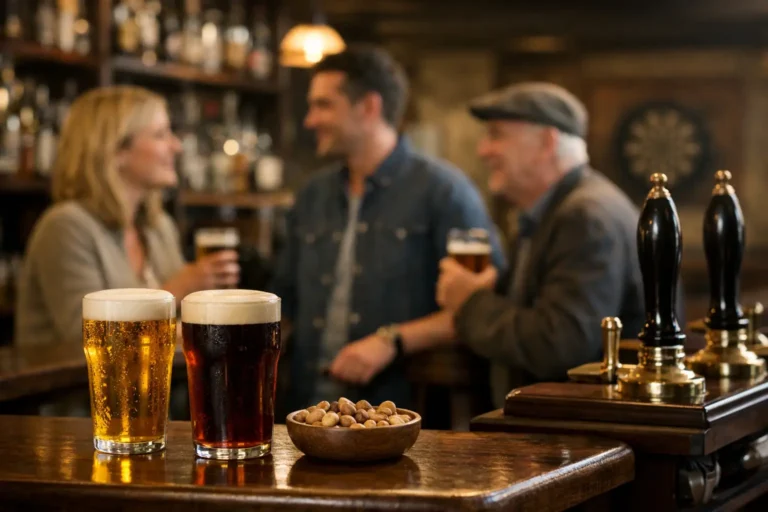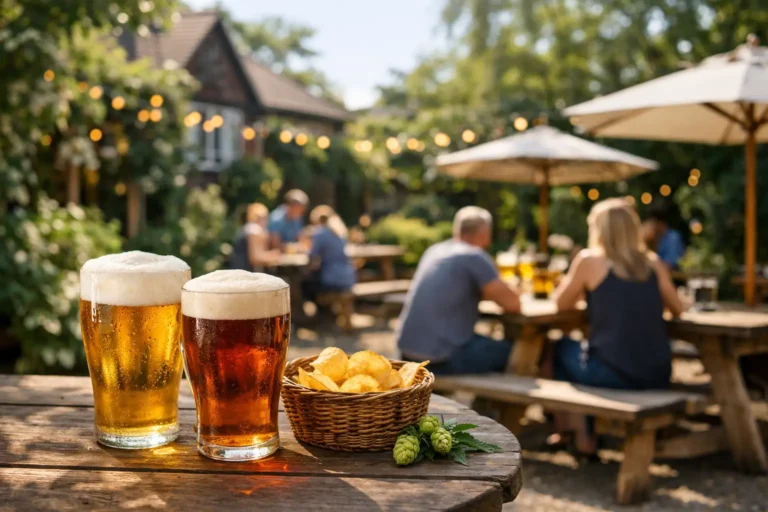
You can usually tell within the first two minutes whether a pub is right for you. Not by the fancy sign outside or the moody lighting on Instagram, but by the small things – the welcome at the bar, the smell of the place, the state of the beer pumps, and whether the room feels lived in rather than staged. If you want to know how to find good pubs, that is where to start: with signs that point to a place being genuinely well run, not just well marketed.
A good pub is not always the smartest one on the street, and it is not always the oldest either. Some of the best are polished city boozers with excellent cask lines and sharp service. Others are slightly scruffy locals with loyal regulars, a cracking Guinness and a landlord who remembers what people drink. The trick is knowing what kind of pub you want before you start judging it.
How to find good pubs without wasting an evening
The biggest mistake people make is searching too broadly. If you just look for a pub nearby, you will often get the busiest, most visible or most heavily reviewed option, which is not necessarily the best fit. A proper pub search works better when you narrow it down. Are you after a quiet pint, a Sunday roast, a dog-friendly stop after a walk, somewhere for live sport, or a pub crawl with a few strong options close together? Good pubs are easier to find when the occasion is clear.
That matters because a great match-day pub can be a poor date-night pub, and a lovely gastropub in the countryside might be no use if you want three cask ales and a darts board. Context changes what good looks like. The best pub for your evening is the one that gets the basics right for the kind of visit you actually want.
Start with signs of a well-run pub
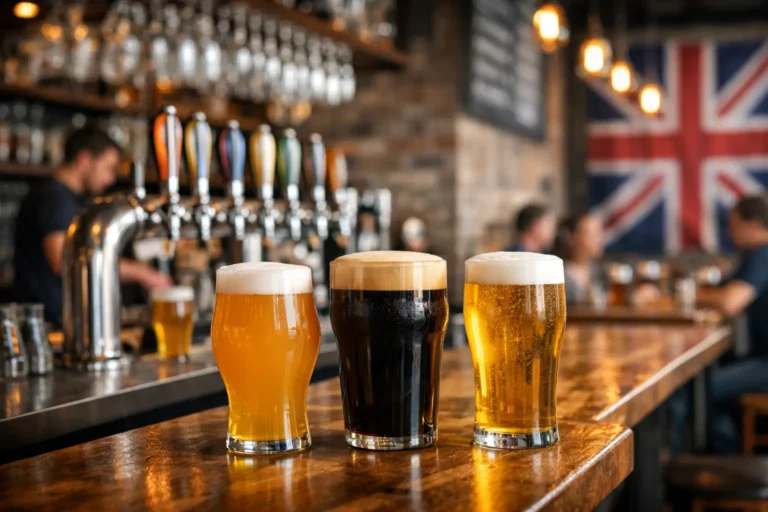
Before you even order, look around. A well-kept pub usually shows it in obvious ways. The bar staff seem switched on. Empty glasses are cleared without fuss. The beer list is not massive for the sake of it. If cask ale is on, the pumps look current rather than dusty, and there is some evidence people are actually drinking it.
Menus can tell you a lot too. A short food offering done properly often beats a huge menu that tries to cover everything from curry to lasagne to steak pie. The same goes for drinks. Ten carefully chosen beers make a better impression than thirty options with no identity.
Toilets, while not the most glamorous test, are still useful. You do not need luxury hand cream and framed wallpaper to judge a pub, but if the loos are neglected, it can suggest the rest of the operation is too.
Read reviews, but read them properly
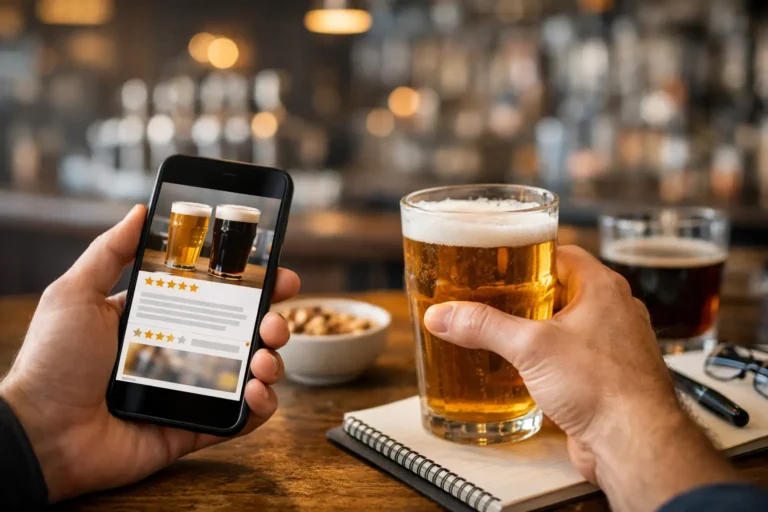
Reviews are helpful, but only if you treat them like pub chat rather than gospel. One angry review about slow service on a bank holiday is not the full story. Equally, dozens of five-star ratings that say nothing beyond great place can be less useful than a handful of balanced comments from people who mention atmosphere, beer quality and who the pub suits.
Look for detail. If several people mention a friendly welcome, well-kept ale, good pacing on food service or a proper local feel, that is a stronger signal than vague praise. If the same drawback keeps appearing, such as being cramped on Saturdays or food stopping earlier than expected, that can be useful too. A limitation is not always a dealbreaker if you know about it in advance.
This is where a dedicated pub platform tends to be more useful than a generic venue listing. Pub-goers notice things other people skip over, such as whether the cask is in shape, whether a beer garden is actually pleasant rather than just outdoors, or whether a historic pub still feels authentic once you are inside.
What separates a decent pub from a really good one
A decent pub serves drinks. A really good pub feels like it knows what it is. That sense of identity matters more than people sometimes think.
Some pubs are brilliant because they lean into tradition. You get old photographs on the wall, proper handpulls, regulars reading the paper and no obvious urge to turn the place into a cocktail bar by stealth. Others are good because they do modern pub culture well – relaxed interiors, better food, local craft beer, maybe a smarter wine list, but still with a pub atmosphere rather than a restaurant that happens to have stools.
The problem pubs tend to be the ones trying to please everyone at once. If a place looks like it cannot decide whether it is a sports bar, brunch spot, gastropub or late-night chain, it often ends up doing none of those things particularly well.
Atmosphere is not accidental
People often talk about atmosphere as if it just appears, but in good pubs it is built through dozens of choices. Lighting, music volume, seating layout, the speed of service, even where dogs are welcome – all of it affects how a place feels.
A pub can be busy and still feel comfortable. It can be quiet and still feel flat. What you are really looking for is ease. Are people settled in? Does the room encourage conversation? Can you imagine staying for another round without needing to force it?
If you are trying somewhere new, one of the best things you can do is go at the right time. A pub that feels lifeless at 3pm on a Tuesday might be spot on by early evening. Likewise, a cosy little spot can become rammed and stressful on a Saturday night. Timing changes the experience more than many review scores do.
Beer and food should fit the pub
Not every good pub needs top-tier food, and not every pub worth visiting needs a huge beer range. What matters is whether the offer makes sense.
If it is an ale-led pub, the cask should be kept well and turned over regularly. If it is known for food, the menu should feel considered and the dining side should not swallow the pub atmosphere whole. If it is a classic local, simple drinks done properly may be enough. There is no point marking down a proper wet-led boozer because it does not serve small plates.
For beer drinkers, freshness matters more than volume. A smaller rotating range with lively turnover is often a safer bet than a giant list. For food, watch what is coming out of the kitchen and whether tables actually look happy with it. That usually tells you more than the pub’s own description ever will.
How to find good pubs when you are in a new area
When you are travelling, the challenge is filtering out obvious tourist traps and generic chains without ending up in somewhere dead behind the station. That is where local knowledge helps.
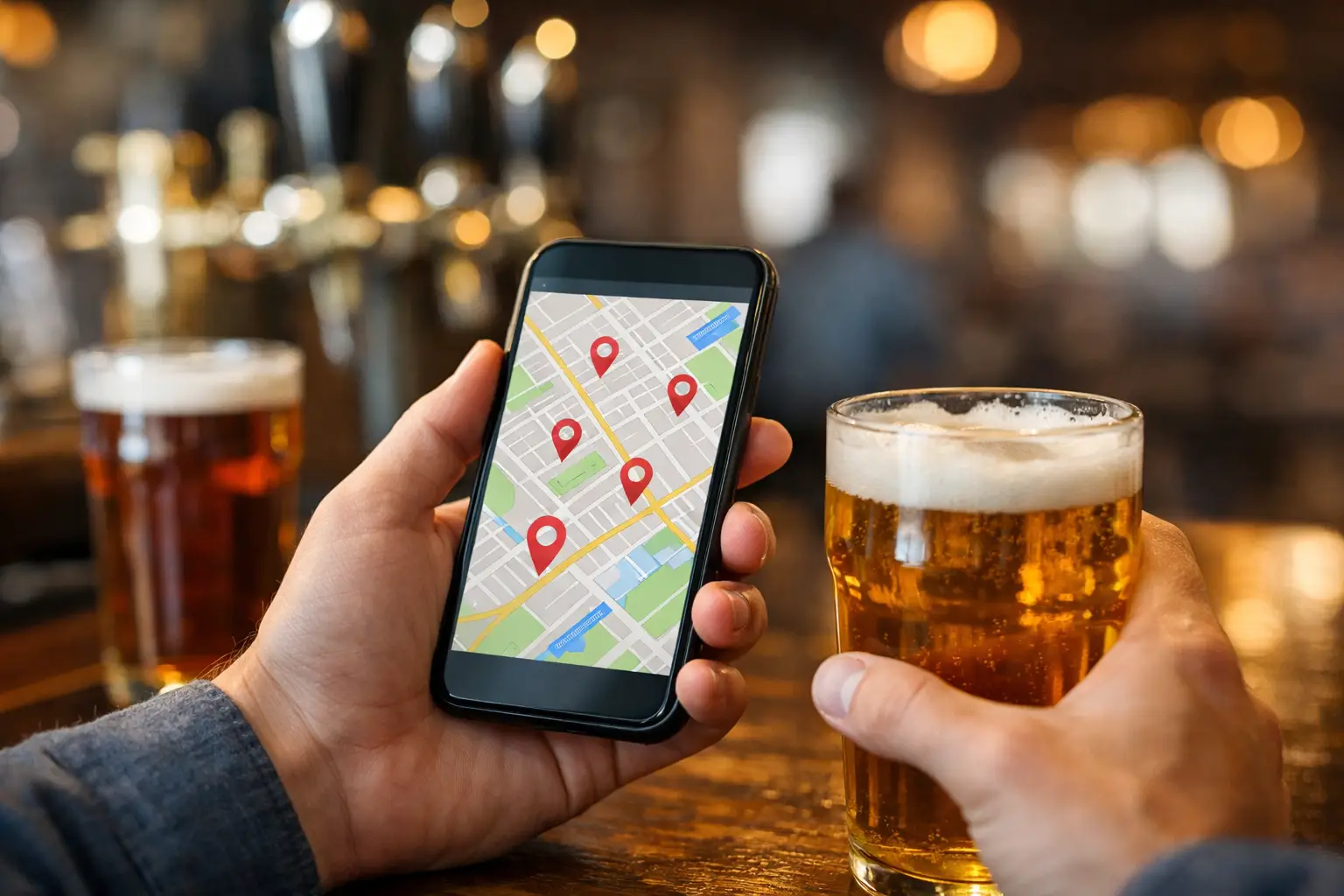
Look for guides and reviews that focus specifically on pubs in that town or city, not nightlife in general. A proper city pub guide will usually point you towards the areas with the strongest concentration of worthwhile venues and help you avoid wasting time zigzagging between average ones. If you are planning a full afternoon or evening, using a pub finder app can make this much easier, especially if you want to compare venues nearby, save favourite pubs for later or map out a crawl that actually works on foot.
That sort of planning is handy in bigger cities where good pubs can cluster in useful pockets. Instead of picking places one by one in the moment, you can build a route around the style of trip you want – historic pubs, craft beer spots, riverside beer gardens, football pubs or old-school locals.
Ask the right people
If you are comfortable doing so, staff in independent bottle shops, nearby cafés, taxi drivers and hotel reception teams can all be useful, but ask specific questions. Where would you go for a proper pint is better than what is the best pub around here. You want answers based on actual pub quality, not whichever place is largest or most obvious.
Locals can be brilliant sources, but they are still people with preferences. The regular who loves a silent corner pub with no music may not be sending you where you want to go if you are after a lively Friday atmosphere. Again, it comes back to knowing what you want from the visit.
Trust your own taste
Learning how to find good pubs is partly about research, but it is also about paying attention to what you enjoy. Some people care most about beer range. Others want character, sport, food, history or a garden that catches the late sun. None of those are wrong. They are just different versions of a good pub.
The more pubs you try, the clearer your own markers become. You start noticing which places feel welcoming straight away, which ones keep beer best, which chains overpromise, and which hidden gems are worth going out of your way for. If you use an app to rate places, track pubs visited or save the ones you would happily return to, that personal record gets even more useful over time.
A good pub does not need to impress everyone. It just needs to do its own job properly and give you a reason to stay for one more. That is usually the clearest sign you have found the right one.