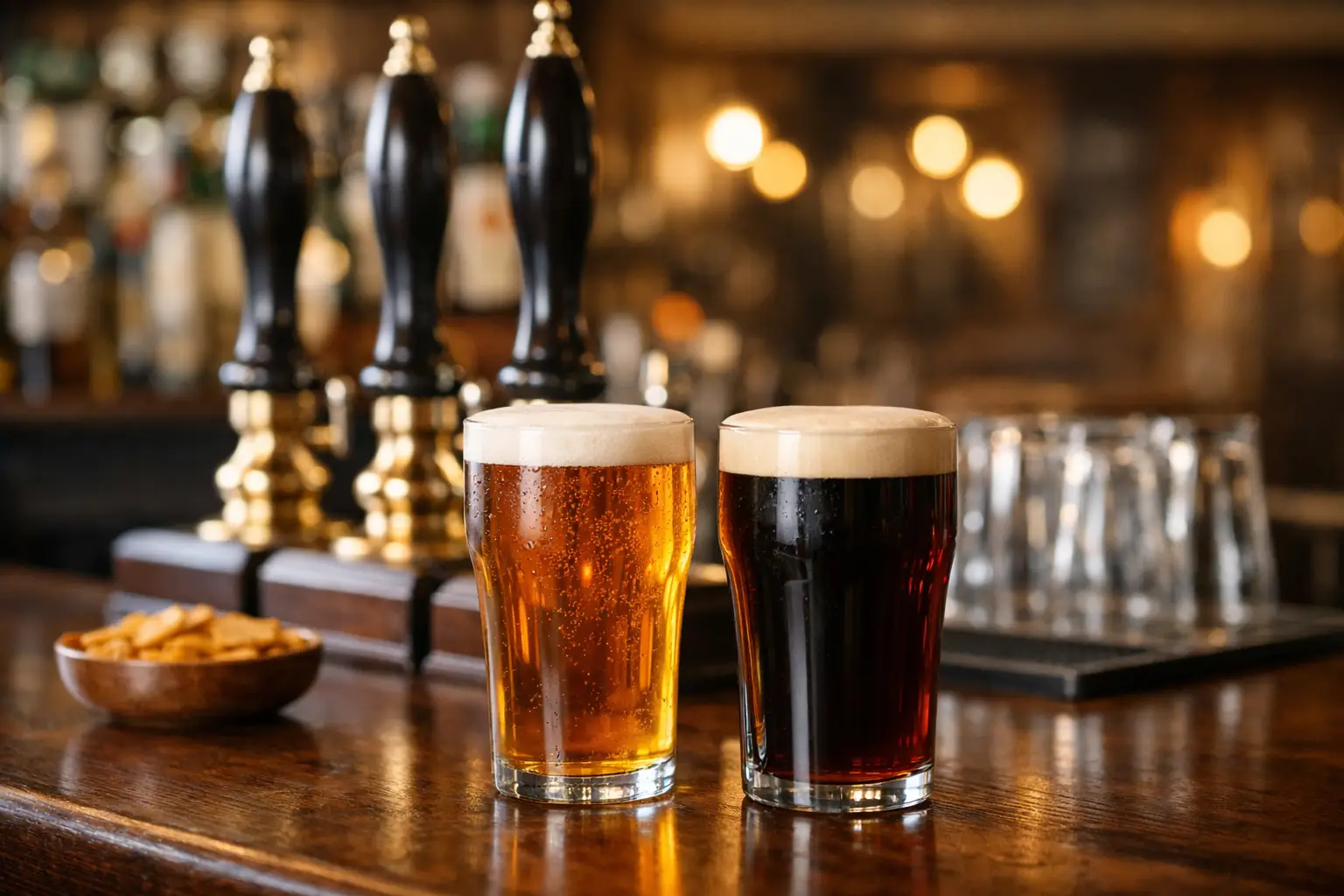
There is a big difference between finding a pub that sells cask ale and finding one that serves it properly. A good real ale pub guide is not really about chasing the longest pump clip line-up. It is about knowing where the beer is fresh, the cellar is looked after, and the pub actually cares what ends up in your glass.
That matters because real ale is less forgiving than keg. When it is on form, you get a pint with character, condition and flavour that suits the pub it is poured in. When it is not, even a respected beer can taste flat, tired or past its best. If you are planning an ale trail, a weekend away or just trying to avoid wasting money on a disappointing pint, a bit of know-how goes a long way.
What makes a proper real ale pub?
The best real ale pubs are not always the loudest about it. Some have blackboards full of guest beers and a loyal crowd who know exactly what is drinking well. Others are simple locals with three handpulls and one landlord who knows how to keep them. In both cases, the basics matter more than theatre.
Cellar management is the first thing. Real ale needs careful storage, correct temperature and sensible turnover. A pub with six handpulls looks impressive, but if only one or two casks are moving quickly, quality can suffer. A smaller range that sells steadily is often a safer bet than a huge selection that lingers.
Atmosphere matters too, though perhaps not in the obvious way. A proper ale pub often feels settled rather than showy. Staff usually know what is on, what has just gone on, and what condition each beer is in. You should be able to ask for a recommendation without getting a blank look. If the answer comes with a bit of honesty, even better.
A real ale pub guide to spotting quality
If you are walking into an unfamiliar pub, there are a few clues worth noticing before you order. None of them are foolproof on their own, but together they tell a useful story.
Start with the handpulls. Are the clips clear and current, or do they look like they have been there since last week? Is there a note saying a beer is coming soon, or has the pub left every pump facing forward regardless of what is actually available? A tidy bar suggests the beer side of things is taken seriously.
Then look at the room itself. Busy does not always mean good, but a pub with a steady trade usually has healthier cask turnover. A handful of locals drinking the house bitter on a Tuesday afternoon can be more reassuring than a trendy room where everyone is on lager and the cask ale is an afterthought.
It is also worth glancing at the range. A mix of dependable regulars and one or two guests is often ideal. That gives regular drinkers consistency while still offering something new. Ten different ales can sound brilliant, but it depends how many are actually selling.
Ask one simple question
The easiest test is to ask what is drinking best today. In a good pub, staff will usually answer with confidence and a bit of detail. They might point you towards the freshest cask, mention that one beer has just gone on, or steer you away from something near the end. That kind of honesty is usually a very good sign.
If you are torn between two beers, ask for a taste. Most decent real ale pubs are perfectly happy to offer one, especially if it helps you avoid ordering the wrong thing. It is not being fussy. It is part of drinking cask ale properly.
How to choose the right pub for the kind of pint you want
Not every ale pub is trying to be the same thing, and that is part of the appeal. Some are traditional boozers serving classic bitters in a snug room with old carpets and a quiet afternoon crowd. Others lean into rotating guests, regional brewers and more experimental styles. Neither is automatically better. It depends what sort of session you want.
If you are after reliability, look for pubs known for a strong core range and consistent cellaring. These are the places where the pint of best bitter is the reason people come back. If you want variety, seek out ale houses and free houses that change beers regularly and attract drinkers who follow breweries and seasonal releases.
Food can shift the feel as well. A food-led pub may still pour excellent cask ale, but the rhythm is different from a wet-led local where the bar is the centre of the room. If your main aim is to spend the afternoon trying two or three well-kept ales, a pub built around drinking rather than dining often makes more sense.
Common mistakes people make with real ale pubs
One of the biggest mistakes is assuming awards tell the whole story. They can be useful, of course, and many award-winning pubs deserve their reputation. But a pub guide should also leave room for the places that quietly keep brilliant beer without chasing accolades. Local knowledge still counts for a lot.
Another mistake is writing off a pub because it has a short ale list. A three-pump pub with excellent turnover can easily outperform a larger venue with too much choice and not enough demand. Freshness beats quantity more often than not.
Timing can catch people out too. A beer that tasted lovely on Friday night may be tired by Sunday afternoon if trade has been slow. That does not mean the pub is poor. It just means cask ale is a live product and best judged in the moment.
Why turnover matters more than novelty
There is always a temptation to chase the rarest beer on the bar. Sometimes that pays off. Sometimes the best pint in the pub is the ordinary-looking house ale because it is selling quickly and being kept exactly as it should be. A real ale pub guide should help you balance curiosity with common sense.
This is where keeping notes helps. If you use an app to track beers, save favourite pubs and record where you had particularly good cask, it becomes much easier to spot patterns. A place that consistently serves a solid pint is worth remembering, especially when you are planning future pub crawls or weekends away.
Planning a real ale route without overdoing it
A good ale session is about pacing, not ticking off as many handpulls as possible. If you are putting together your own route, aim for pubs that are close enough to walk comfortably and different enough to make the trip interesting. One historic ale house, one lively local, one specialist beer pub and one pub with a good food stop is usually a better mix than six similar bars in a row.
Order halves if you want to try more than one beer. It lets you compare styles, keeps the afternoon sensible and gives you more room to adjust if one cask is not quite on song. There is no shame in sticking to one excellent pint either. In fact, many seasoned ale drinkers do exactly that.
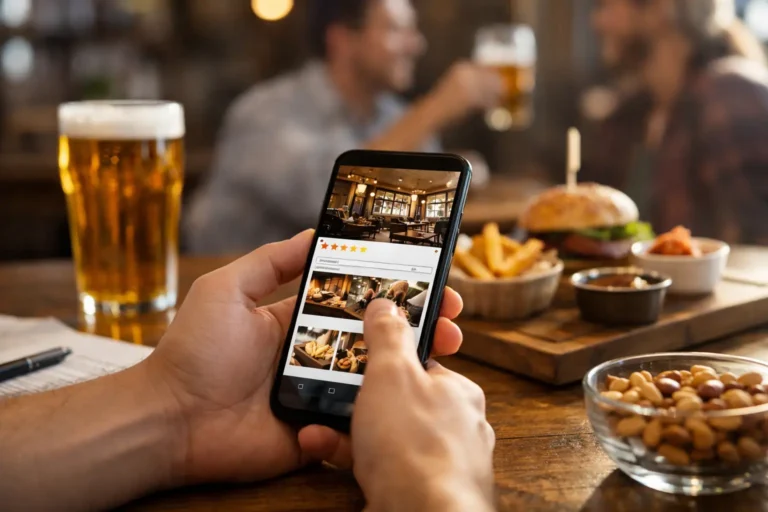
Using a pub finder app can help when you are in an unfamiliar town, especially if you want to check nearby options, save favourite pubs for later, and track pubs visited across different trips. It is particularly handy when a planned stop is unexpectedly busy or closed and you need a backup that still looks promising for cask ale.
The pubs worth returning to
The most memorable real ale pubs are rarely memorable for beer alone. They get the whole thing right. The pint is well kept, the welcome is genuine, the room has a bit of life to it, and you feel comfortable staying for another round rather than immediately moving on.
That might mean polished brass and old tiles. It might mean a village pub with a roaring fire, or a city-centre ale house tucked down a side street. Character comes in different forms. What matters is that the pub feels looked after, not staged.
A trustworthy real ale pub guide should point you towards that mix of quality and character rather than treating cask ale as a box-ticking exercise. The best pubs for real ale are not always the most famous ones. They are often the ones that care enough to keep beer properly and create the kind of atmosphere that makes a good pint feel even better.
Next time you are choosing where to go, trust the signs that matter – sensible turnover, knowledgeable staff, honest recommendations and a pub that feels lived in. That is usually where the better pints are waiting.