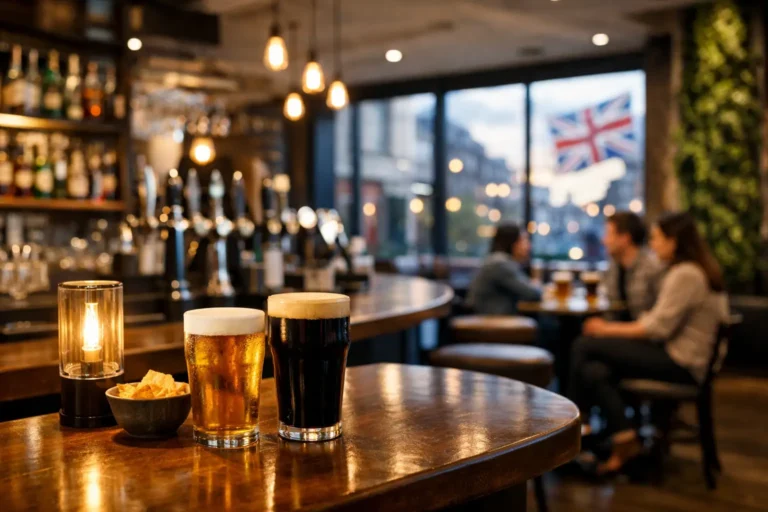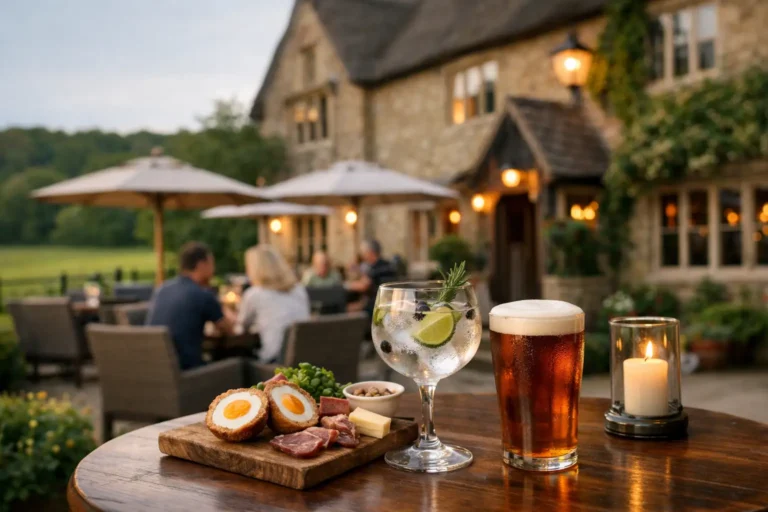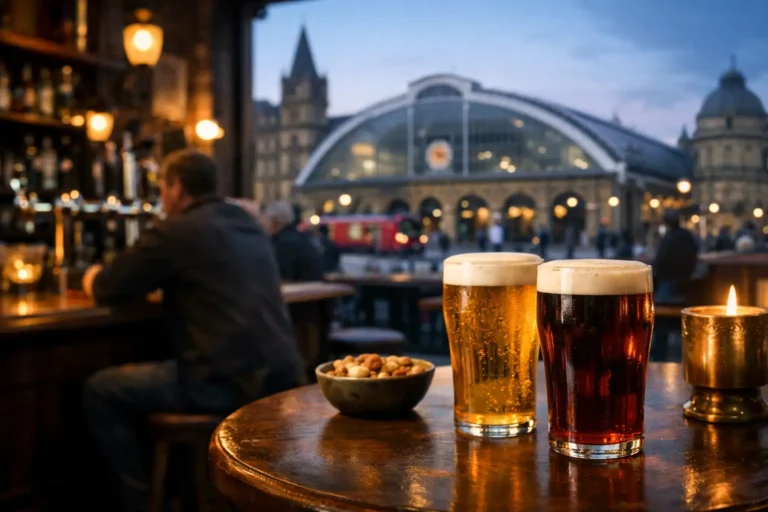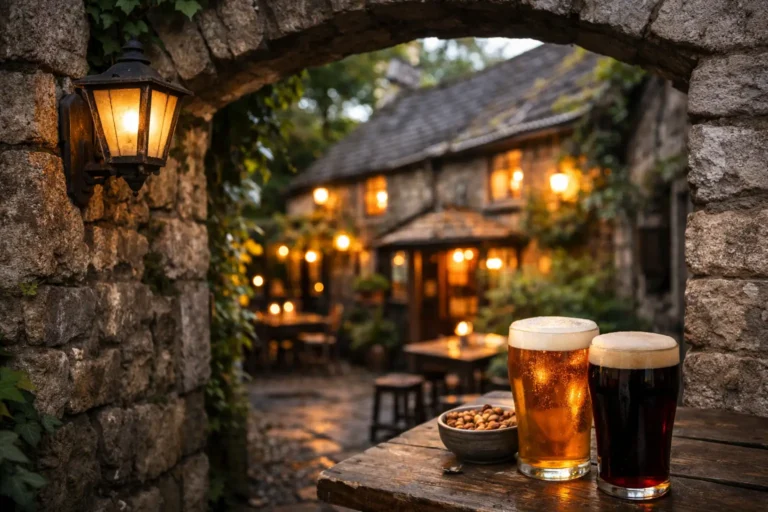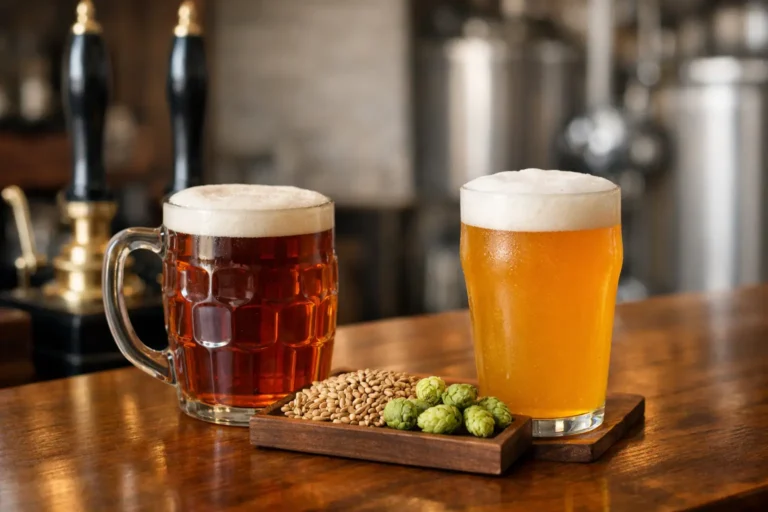
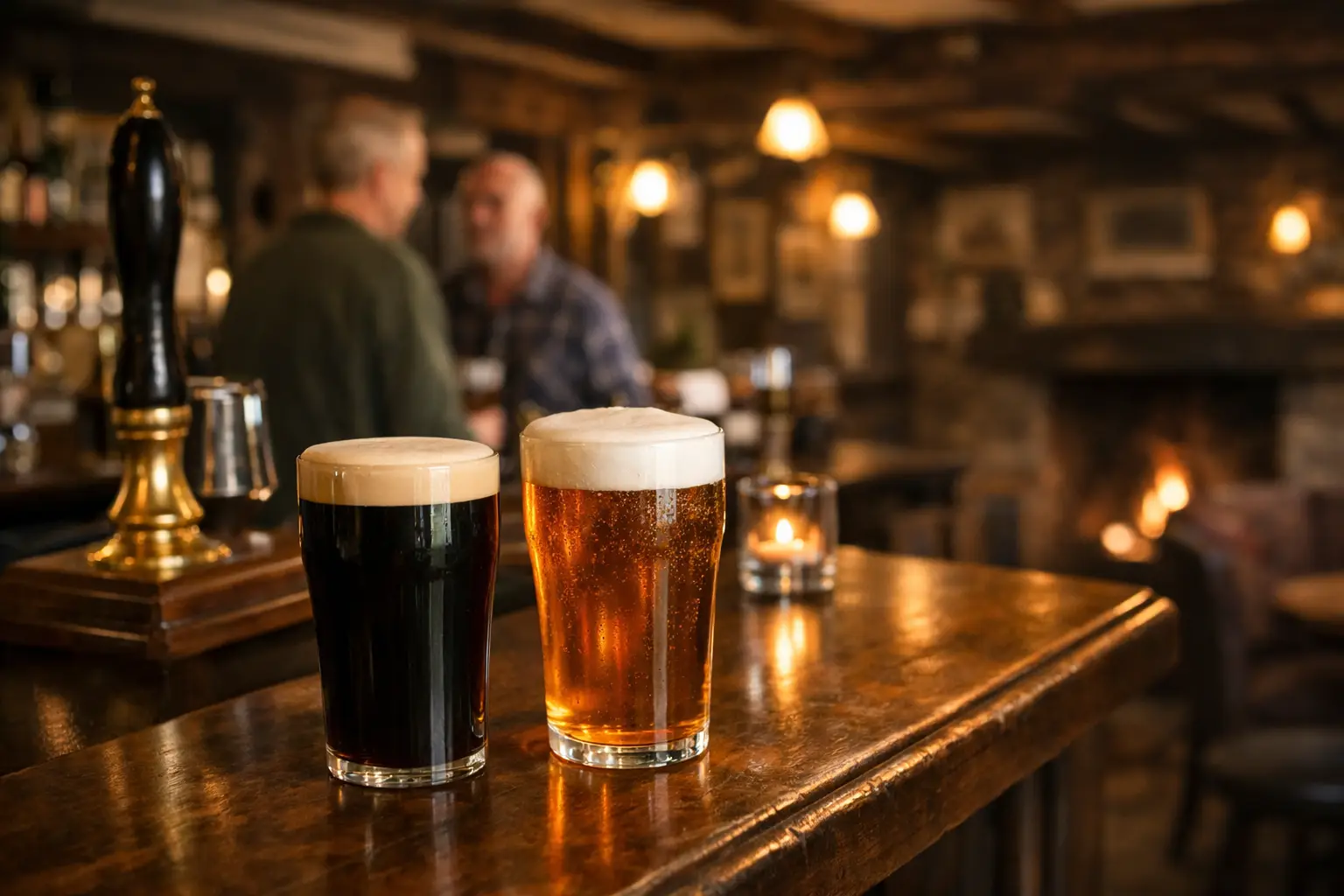
A hand-pulled pint can look simple, but anyone who has had a bright, lively cask ale in one pub and a tired, flat version elsewhere knows the difference is not small. So, what are proper ale houses? In plain terms, they are pubs where beer – especially real ale – is treated as a central part of the experience, rather than an afterthought on the bar.
That does not mean every proper ale house has dark wood panelling, a roaring fire and a shelf full of tankards. Some are centuries-old village locals; others are modern city pubs with a sharp line-up of independent breweries. The shared thread is care: care in what is bought, how it is stored and served, and how drinkers are welcomed through the door.
What are proper ale houses, exactly?
A proper ale house is not an official legal category. You will not find a single rulebook that says a pub qualifies once it has three pumps and a pub dog. It is a description used by drinkers for pubs with a genuine commitment to good beer, particularly cask-conditioned ale, and the traditional pub culture around it.
Usually, the beer range has a point of view. There may be dependable regional favourites alongside changing guest ales, local brewery taps or a thoughtful selection of bottled and canned beer. The landlord or bar team should know what is on, how it drinks and whether a beer is nearing the end of the cask. Honest advice matters more than a rehearsed sales pitch.
Crucially, a proper ale house serves beer in good condition. Cask ale is a live product and needs careful cellar management, clean lines and sensible turnover. A pub can stock excellent breweries and still disappoint if the ale is kept too warm, too cold, stale or poorly poured. Conversely, a modest two-pump bar can be a cracking ale destination if both beers are fresh and well looked after.
The signs of a proper ale house
No single feature proves a pub is the real thing, but a few details tend to appear together. Look for these practical signs when choosing where to stop for a pint:
- A well-kept, changing cask range. The number of handpumps matters less than how quickly the beer moves. Two busy, properly maintained ales are often a better bet than ten slow-selling options.
- Knowledgeable, approachable staff. They do not need to turn every order into a tasting seminar, but should be able to tell you the style, strength and brewery, and flag a beer that is drinking particularly well.
- Clear beer turnover. A busy after-work crowd, a loyal local trade and regular beer events can all be encouraging. Quiet pubs can serve superb ale too, but a large cask range needs enough custom to stay fresh.
- A sense of place. It might be a historic interior, a friendly taproom, a neighbourhood bar or a pub with a strong local following. Proper ale houses feel rooted in their community rather than interchangeable.
The atmosphere is part of it, but it is not a costume. Old beams and brewery memorabilia are pleasant enough, yet they cannot rescue a poor pint. Equally, a stripped-back micropub with no kitchen, no fruit machine and limited seating may offer one of the best beer selections in town. Judge the glass in front of you as much as the décor around it.
Cask ale is central, but not compulsory
For many people, the phrase brings cask-conditioned beer straight to mind. Cask ale is still the heart of the traditional ale-house experience: naturally conditioned beer dispensed from the cask, often through a handpump, with a softer carbonation and a character that shifts slightly as it settles and develops.
However, a good ale house need not be narrow-minded. Plenty of excellent pubs pair cask bitter, mild, stout and pale ale with quality keg beer, lager, cider and alcohol-free choices. That balance is especially useful when a group has different tastes. The best pubs make the beer enthusiast feel catered for without making everyone else feel like an inconvenience.
It is also worth remembering that cask beer is not always meant to be ice-cold. Cellar temperature is generally cooler than the room but warmer than a chilled keg lager. If you are new to real ale, start with a half and ask for a style you enjoy. A pale, hoppy session ale can be a more familiar entry point than a rich, malty old ale.
Why the cellar matters more than the pump clip
Pump clips are colourful, brewery names can be exciting, and a blackboard of guest beers makes for a tempting first impression. But the quiet work downstairs is where a pub earns its reputation. Casks need to be settled, vented, tapped and monitored. Beer lines need regular cleaning. Stock needs to be ordered with an eye on demand, not simply on novelty.
This is why the biggest choice is not always the best choice. A pub with a constantly changing range can be brilliant if it has the footfall to support it. In a quieter village pub, a smaller, familiar selection may be the more responsible and enjoyable approach. There is no shame in keeping one excellent local bitter on all week if it is consistently in fine form.
A good ale house will also take feedback seriously. If a pint is not right, mention it politely and promptly. Beer can turn unexpectedly, and a decent pub will want to know. Fair pub reviews should recognise that one imperfect pint does not define a venue, while repeated issues with quality are worth noting for other drinkers.
More than beer: the social side of an ale house
The strongest ale houses are meeting places. They make room for the person reading the paper at the end of the bar, the couple on a weekend break, the walking group drying off after a muddy route and friends catching up over a couple of pints. Conversation is often easier in a pub where the music is not battling the room and the bar is run with calm efficiency.
Food varies widely. Some proper ale houses serve excellent pies, Sunday roasts or simple cheese boards; others focus entirely on drink and let you find dinner elsewhere. Neither approach is automatically better. What matters is that the offer suits the pub and is done properly. A drink-led pub can be a welcome change from places trying to be restaurant, cocktail bar and sports venue all at once.
There is also a strong local angle. Many ale houses champion nearby breweries, host tap takeovers, take part in beer festivals or support local clubs and events. That does not mean a pub must only pour beer made within ten miles. A thoughtful mix of local character and well-chosen favourites from further afield is usually more interesting.
How to find a proper ale house near you
Start by looking beyond star ratings alone. Read recent comments for specific mentions of beer condition, cask choice, staff knowledge and atmosphere. A review saying “great pub” is nice; one that explains which beers were on, whether the pint was fresh and what sort of crowd to expect is far more useful.
Timing helps, too. A Friday evening can show a pub at its busiest and liveliest, while a quieter weekday afternoon may be better for a relaxed tasting session and a chat at the bar. If you are travelling, build an ale trail around a few well-regarded pubs rather than trying to tick off every venue in one go. Leave time to enjoy each stop, eat something and get home safely.
The Pubs Near Me: Pub Finder UK Android app is handy for this sort of outing. You can find pubs nearby, save favourite pubs for another visit, track places you have visited and build a sensible pub crawl route. Adding your own ratings and beer notes also helps other pub-goers separate a genuinely well-kept local from somewhere that merely looks the part online.
A quick word on ale-house etiquette
A little consideration keeps a good pub pleasant for everyone. If you are ordering a round, know roughly what people want before reaching the bar. Give the server a moment when they are pulling cask pints, as a proper pour cannot always be rushed. If you are sampling several beers, halves are a sensible option – they let you explore the range while keeping the session enjoyable.
And do not assume every traditional pub is only for ale experts. Ask questions, try something unfamiliar and be open to a recommendation. Good ale houses thrive because regulars, visitors and curious newcomers all use them.
The next time you spot a row of handpumps, look past the labels for a moment. Find the pub where the beer is cared for, the welcome feels genuine and there is enough character to make you want to return for another unhurried pint.