A gastropub can serve an excellent plate of food and still be a disappointing pub. Equally, a much-loved local may not offer tweezers, tasting menus or a glossy wine list, yet get the things that matter right: a properly kept pint, a warm welcome and a room where people want to linger. That is why our gastropub review criteria look at the whole visit, not just the photographable main course.
For pub-goers, the useful question is not simply, “Is the food good?” It is whether the venue delivers a good pub experience for the occasion. A Sunday lunch with family, a pint after a country walk and a celebratory dinner all ask slightly different things of the same place.
What makes a fair gastropub review?
A fair review starts by judging a pub against what it is trying to be. A village inn with a small, seasonal menu should not be marked down for lacking twelve craft beer lines. A smart city-centre gastropub with restaurant prices, however, needs to show care in its cooking, drinks, booking system and service.
We also consider the timing. A packed Friday evening can reveal whether the team is organised and whether the atmosphere holds up when every table is full. A quiet midweek lunch may be better for noticing details such as welcome, cleanliness and how thoughtfully the menu is put together. Neither visit tells the entire story, so reviews should make the context clear.
Most importantly, a single imperfect moment should be weighed fairly. A delayed dish is frustrating, but it matters whether staff communicate clearly, offer an honest update and recover well. Good pub reviews give readers enough detail to decide whether a drawback would affect their own visit.
Gastropub review criteria: the six areas we assess
1. Food quality and menu confidence
Food is central, but it is not only about technical flair. We look for dishes that make sense in a pub: good ingredients, generous seasoning, sensible portions and cooking that arrives as intended. A fish pie should be comforting and properly hot; a steak should be rested; chips should earn their place on the plate rather than feel like an afterthought.
Menu confidence matters too. A shorter menu done very well is usually more appealing than a sprawling one that tries to cover every cuisine. Seasonal British produce, well-made pub classics and a few more imaginative options can sit together brilliantly. There should be clear consideration for vegetarians, vegans and common dietary needs, without treating those diners as an inconvenience.
Price is judged alongside quality. Not every gastropub needs bargain prices, particularly where sourcing and cooking are ambitious, but the meal should feel worth what is charged. Small portions, unclear supplements or style without substance will be noted.
2. Beer, wine and the rest of the bar
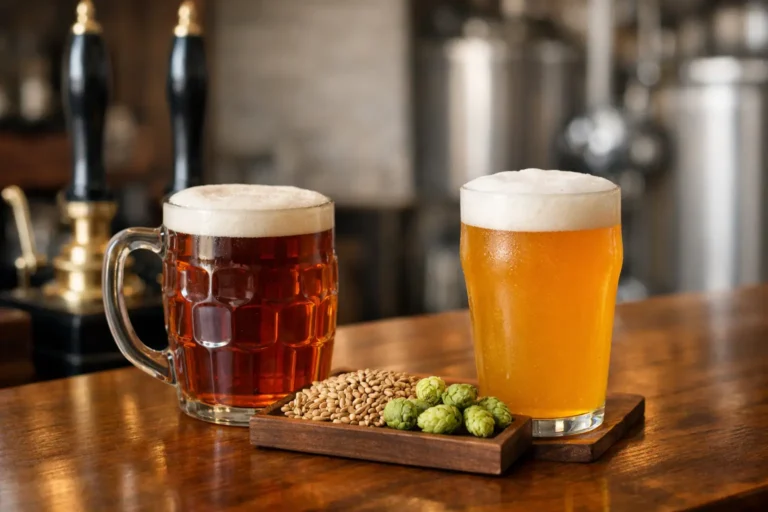
A gastropub is still a pub. The bar offering therefore carries real weight, whether you are visiting for a pint, an aperitif or dinner. For cask ale, we consider condition, choice and whether the team can say something useful about what is on. Two well-kept local beers are often preferable to six pumps of uncertain quality.
Lager, cider, stout and alcohol-free choices deserve attention as well. A thoughtful soft-drink list is particularly welcome for drivers, non-drinkers and anyone pacing themselves through a long lunch. Wine should suit the food and offer decent choices by the glass, while spirits and cocktails need not be extensive if the basics are handled well.
The trade-off is simple: not every rural pub has room for a specialist beer list, and not every food-led venue wants to be an ale house. What matters is that the drinks offering feels intentional, fairly priced and properly served.
3. Service that feels human
The best gastropub service is friendly without hovering and knowledgeable without sounding rehearsed. We notice the first welcome, how easy it is to order a drink, whether staff know the menu and how they deal with questions about allergens or dietary requirements.
A good team reads the room. Some tables want advice on wine or a recommendation for dessert; others are catching up and would rather not be interrupted every few minutes. Service can be informal, polished or somewhere between, but it should be attentive, calm and respectful.
Mistakes happen in busy pubs. The more revealing measure is the response. Clear communication, an apology where appropriate and a practical solution go a long way. Readers need to know whether a problem appears to be a one-off or a sign that the experience is routinely disorganised.
4. Atmosphere, character and comfort
A gastropub should not feel like a restaurant that happens to have a bar bolted on. We look for a sense of pub character: a place where someone can pop in for a drink, have a proper meal or settle beside the fire on a wet afternoon without feeling out of place.
Atmosphere is built from small things. Lighting, music volume, table spacing, heating, loos, seating and noise levels all shape a visit. Historic beams and open fires are lovely, but they are not enough on their own. Equally, a modern room can feel warm and inviting when it has good service and an easy-going crowd.
Families, dogs and accessibility are worth flagging where relevant. A dog-friendly pub may be ideal after a walk but less suitable for a quiet anniversary meal if the bar is particularly lively. Honest details help people choose the right time and table rather than expect one venue to suit every occasion.
5. Value beyond the bill
Value is not the same as cheap. It is the feeling that the overall experience matched the price paid. A higher spend can make sense for excellent produce, skilled cooking, a beautiful setting and thoughtful service. At the same time, modest extras matter: the quality of bread, the size of a side dish, the care taken with coffee and whether tap water is offered without fuss.
We also consider practical value. Is the booking process straightforward? Are menus and prices clear before arrival? Can walk-ins find a drink at the bar, or is every corner given over to dining tables? These details affect how welcoming a gastropub feels to ordinary pub-goers.
6. Consistency and reasons to return
One remarkable dish is a fine start, but a strong gastropub gives visitors a reason to come back. That may be a changing specials board, a reliably great Sunday roast, a seasonal beer, a sunny garden or the simple comfort of knowing the team will look after you.
Consistency is often easier to spot through repeated visits and community feedback. A good review can describe one experience honestly, while also recognising patterns mentioned by regulars. For anyone keeping their own record, the Pubs Near Me: Pub Finder UK app is handy for saving favourite pubs, rating visits and tracking beers, making it easier to remember which places delivered on a second or third visit.
Details that should appear in a useful review
A rating alone rarely tells you enough. The most useful gastropub reviews explain what was ordered, when the visit took place and who the pub is likely to suit. Mentioning a standout dish, the condition of the cask ale, the pace of service and the mood of the room gives readers something practical to work with.
It also helps to separate a personal preference from a genuine issue. Someone looking for a silent dining room may not enjoy a busy local with dogs, children and a roaring fire, but that does not make it a poor pub. Likewise, a reviewer who prefers traditional bitter may not love a craft-focused list, though they can still assess whether the beer is well chosen and well kept.
Useful reviews are specific but not fussy. “The roast potatoes were crisp, the beef was pink and the cauliflower cheese was a little under-seasoned” is far more helpful than declaring a meal either perfect or terrible. That level of detail builds trust and gives the pub a fair hearing.
Choosing the right gastropub for your plans
Before setting off, decide what you want from the visit. For a special meal, look for recent feedback on food, booking and service. For a relaxed afternoon, pay closer attention to the bar, seating, garden and whether walk-ins are welcome. If you are exploring an unfamiliar area, city pub guides and local pub reviews can help you pair a food stop with one or two characterful places nearby.
A great gastropub gets the balance right: food worth travelling for, drinks worth staying for and an atmosphere that still feels properly pubby. Read the details, share your own experience with fairness, and you will help the next group find a table that suits them just as well.