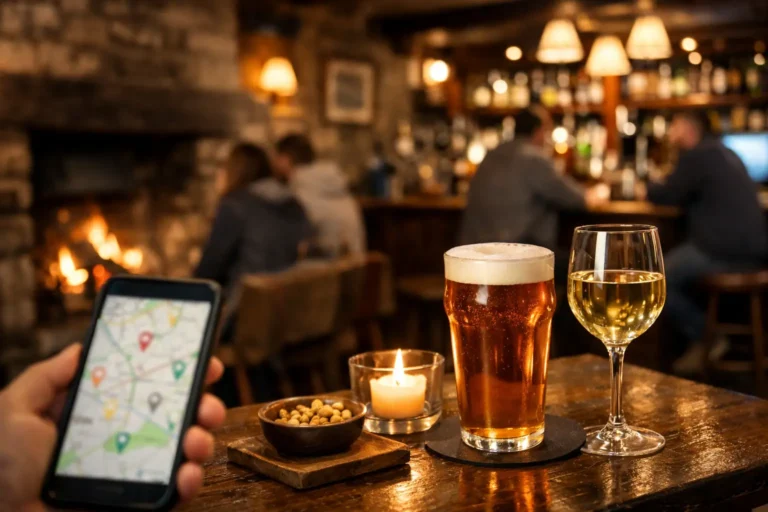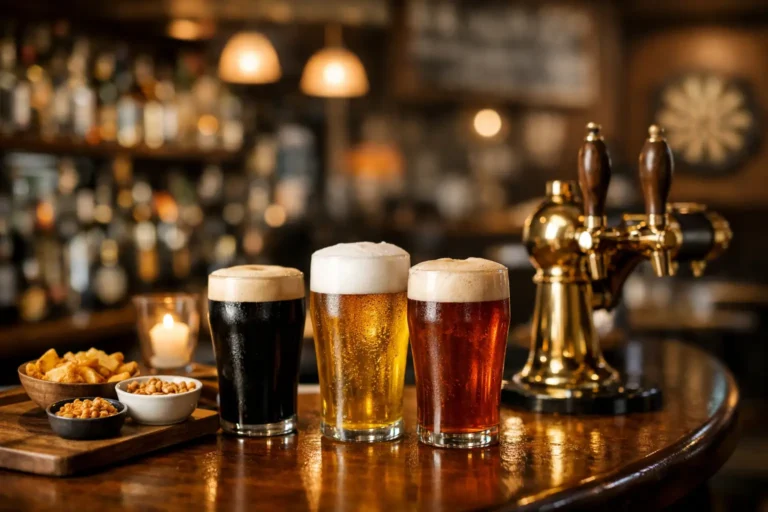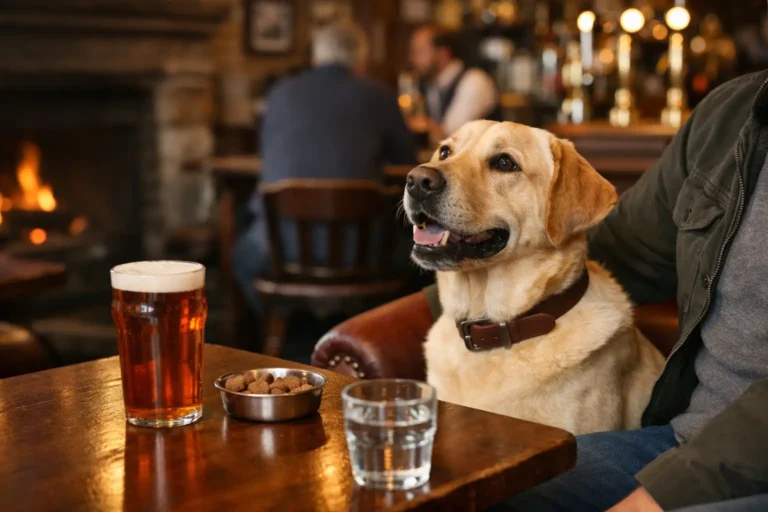

A five-star score can tell you a pub was popular. It cannot tell you whether the cask ale was in good nick, whether the garden catches the afternoon sun, or whether the music made conversation a struggle. That is where honest pub review examples are genuinely useful: they give fellow pub-goers the details that turn a vague rating into a good decision.
A worthwhile pub review is not a love letter and it is not a point-scoring exercise. It is a fair account of one visit, written with enough context for someone else to decide whether the place suits their plans. A lively Friday-night local may be exactly right for a group watching the match and less suitable for a quiet catch-up. Both things can be true.
What makes a pub review feel honest?
The strongest reviews describe what the reviewer actually experienced rather than making sweeping claims. Specifics carry more weight than grand statements. “Two well-kept cask options, including a fresh, balanced pale ale” is more helpful than “great beer”. “We waited around 25 minutes for food during a busy Sunday lunch” is clearer and fairer than simply calling service slow.
Context matters just as much. Mention when you visited, what you ordered and the sort of occasion you had in mind. A pub can be busy because it is loved, short-staffed for one evening, or hosting a quiz. A short explanation helps readers interpret the experience rather than assuming the worst.
It also helps to separate preference from fact. You might prefer a traditional boozer with a low ceiling and no television screens; someone else may be looking for a bright, family-friendly dining room. Say what you liked or did not like, then explain who the pub may suit.
Honest pub review examples for common visits
1. The traditional local
> “Visited on a Tuesday evening for a couple of pints. The bar staff were welcoming and happy to talk through the ales, with three cask beers on and all tasting well looked after. It is a proper, compact local with a few regulars at the bar, so it may feel snug at peak times, but there was a relaxed atmosphere and the fire made it especially cosy. Good choice if you want conversation and a well-poured pint rather than a late night.”
Why it works: it covers beer quality, atmosphere and space without pretending the pub suits every occasion. “Compact” is more useful than calling it cramped, and the final line gives readers a clear reason to go.
2. The food-led country pub
> “We booked Sunday lunch for four and were seated promptly despite the dining room being full. The roast beef was generous, the Yorkshire pudding was properly crisp and the vegetables had more care than the usual token side serving. Drinks took a little while to arrive after we ordered food, but the team kept us updated and the overall pace suited a long lunch. The main dining area is better for a meal than a quick pint, though the garden would be a lovely stop in warmer weather.”
This review is balanced because it notes a delay without turning it into the whole story. It also distinguishes between the pub’s food offering and its usefulness as a casual drinking stop.
3. The city-centre craft beer pub
> “Called in on a Saturday afternoon while exploring the city centre. The tap list had plenty of choice, from pale ales to darker stouts, and the bartender offered a small taste before we picked. Prices are towards the higher end, particularly for stronger beers, but the range and condition justified it for us. It was busy and noisy by 6pm, with limited seating, so arrive earlier if you want to linger over a flight.”
Price is often worth mentioning, but it needs perspective. Saying something is expensive without noting the setting, beer style or quality does not help much. This example gives readers the trade-off and a practical tip.
4. The match-day pub
> “Popped in before the match with friends. There were several screens, the sound was on for the build-up and staff were efficient despite a packed bar. Expect queues close to kick-off and do not come here for a quiet pint on a big fixture day. The lager was cold, food arrived quickly and the crowd was enthusiastic without feeling uncomfortable. A solid option for supporters who want the full match-day atmosphere.”
A good sports-pub review does not criticise a venue for being loud when loud is part of the point. It tells readers what to expect and flags the right moment to visit if they want a calmer experience.
5. The pub with a beer garden
> “We stopped here on a sunny bank holiday and the garden was the main draw. There were enough tables for groups, a few shaded spots and easy access to the outside bar, which kept queues moving. Indoors has plenty of character but is fairly dark, so choose your spot depending on the weather. The kitchen was handling a busy afternoon, meaning food took around 35 minutes, but our order was hot and worth the wait. Booking would be sensible for a larger group.”
This gives practical information people actually use: outdoor space, shade, queues, food timing and whether booking is sensible. It does not overpromise a perfect day out.
A simple structure for writing your own review
Start with the reason for your visit. Were you on a weekend city break, meeting friends after work, looking for Sunday lunch, or adding a stop to a pub crawl? That one sentence frames the rest of the review.
Then cover the details that matter most: drinks, food if you had it, service, atmosphere and value. You do not need to comment on every category. If you only had a pint, say so. It is better to write a useful note about the beer and ambience than guess at the menu.
Finish with who you think would enjoy the pub. A thoughtful closing such as “ideal for a relaxed midweek pint” or “best saved for a booked meal with friends” is often the most useful part of the whole review.
How to be fair when something falls short
Every pub has an off day, and an honest review can mention it without being harsh. Stick to what happened, avoid guessing at the reasons, and recognise when the circumstances may have played a part. A packed garden on the first warm Saturday of the year will test even a well-run team.
Instead of writing “the service was awful”, explain the experience: “We waited at the bar for ten minutes before being served, although it was busy after the quiz finished.” If an issue was resolved, include that too. Readers appreciate a review that reflects the full visit rather than one frustrating moment.
It is also wise not to make claims you cannot support. Focus on your own table, your own drinks and the atmosphere you encountered. Reviews are most trusted when they are calm, clear and rooted in real details.
Make reviews useful for the wider pub community
Community reviews become far more valuable when different people add their perspective. One visitor may spot an excellent real ale line-up, another may mention step-free access, dog-friendly seating or a particularly good alcohol-free option. Together, those details make choosing a pub easier for everyone.
If you use Pubs Near Me: Pub Finder UK, saving favourite pubs and rating visits as you go can also make it easier to remember the details later. A note written shortly after leaving the bar is usually more accurate than trying to recall a whole pub crawl the following week.
The next time a pub gives you a memorable pint, a cracking roast or simply a comfortable corner for a chat, leave a few useful lines behind. Someone planning their next outing may be looking for exactly that sort of place.