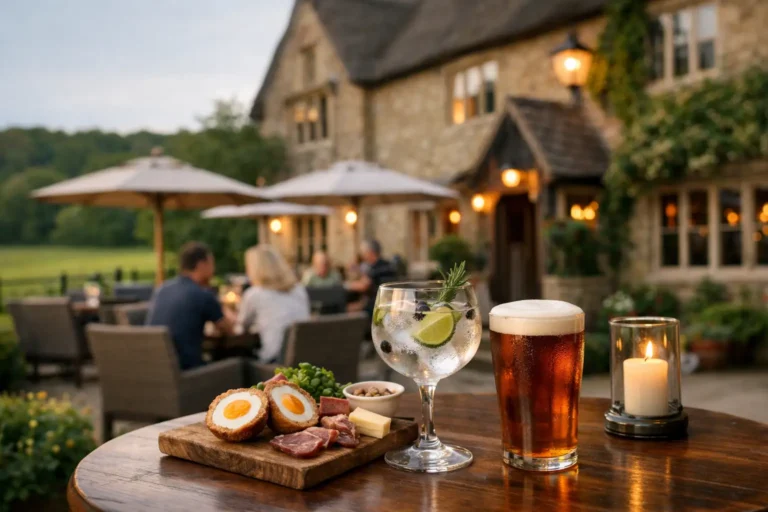
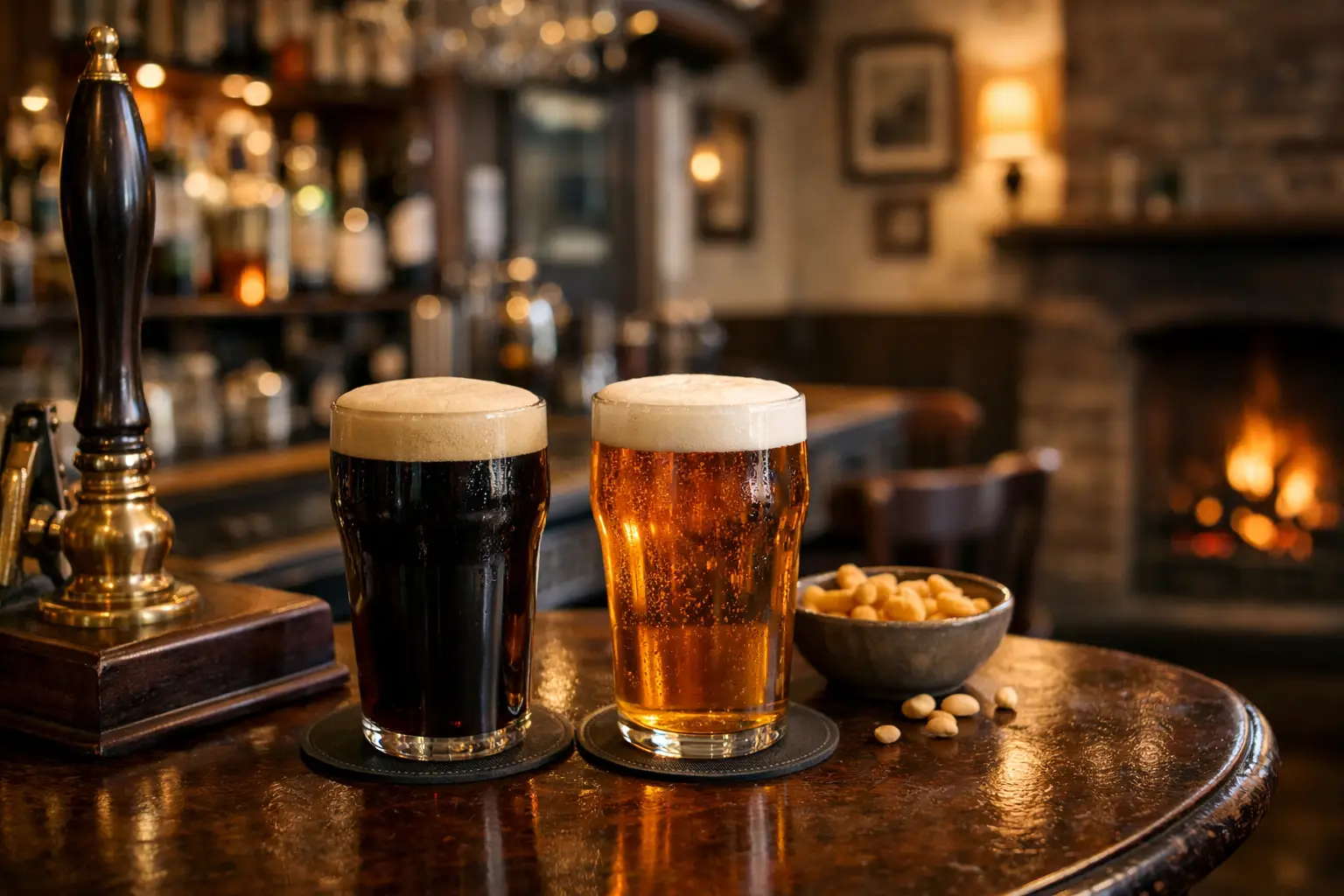
A proper traditional boozer can be recognised before you have reached the bar. There may be a hand-painted pub sign, etched glass, a noticeboard full of local events, and the low hum of conversation rather than a playlist doing all the work. This guide to traditional boozers is for anyone who wants more from a pint than a convenient postcode – whether you are finding a new local, planning a weekend walk or searching for a characterful stop on a city break.
Traditional does not have to mean dusty, old-fashioned or hostile to newcomers. At their best, these pubs are living parts of their neighbourhoods: places for a quiet midweek pint, a decent Sunday lunch, a chat with familiar faces and the occasional unexpectedly excellent game of darts. The details vary from a country inn to a terraced city local, but the appeal is much the same.
What makes a traditional boozer?
The phrase gets used loosely, and there is no official checklist. A traditional boozer is usually a pub where the building, the welcome and the drinking culture carry more weight than polished branding. It may be Victorian, Georgian, inter-war or simply a well-run local that has held on to its character.
Look for a bar that feels like the centre of the room, not an afterthought. Original features such as tiled floors, wood panelling, fireplaces, snug corners and old brewery mirrors can be lovely, but they are not the whole story. A recently refurbished pub can still feel traditional if it has kept its purpose: good beer, fair prices, straightforward food where offered, and space for people to actually talk.
The strongest sign is regular life. You might see a quiz advertised for Thursday, a local team gathering after a match, newspapers by the door, or the same people popping in for an early evening half. That does not mean visitors are outsiders. Good boozers make room for both regulars and first-timers without making a fuss about either.
How to find traditional boozers near you
A little research helps, especially in busy town centres where a historic-looking frontage can conceal a generic experience. Start with honest pub reviews and look beyond star ratings. Comments about friendly staff, a well-kept pint, proper pub atmosphere, conversation and a mixed local crowd tend to tell you more than a vague claim that a place is “nice”.
It is also worth checking the practical basics before setting off. Opening hours can change, particularly early in the week. Food service may finish earlier than the pub closes, and some smaller venues do not take bookings. If cask ale is your priority, see whether recent visitors mention the condition and turnover of the beer rather than assuming that several handpumps guarantee a good pint.
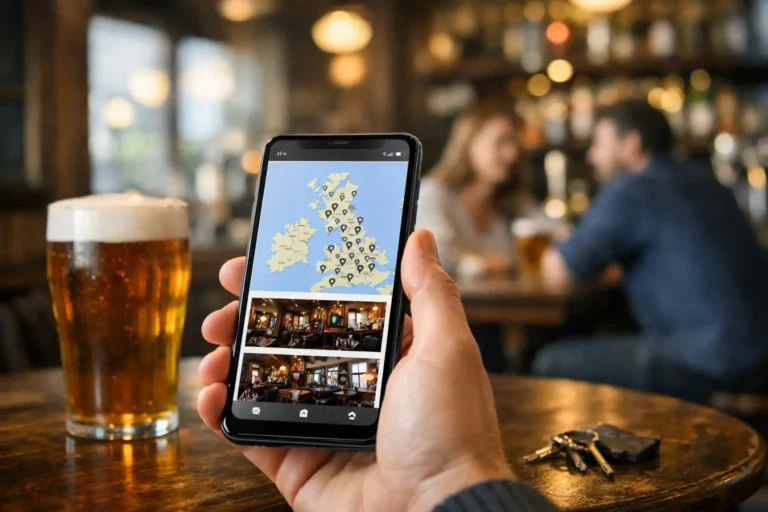
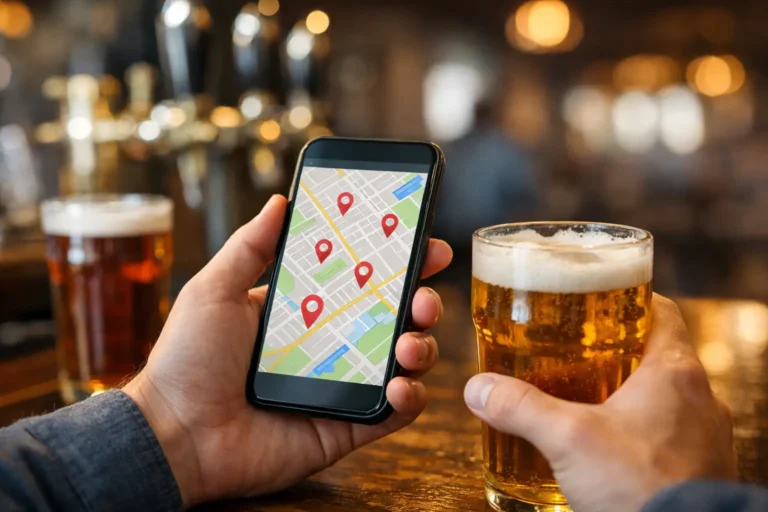
For exploring an unfamiliar area, the Pubs Near Me: Pub Finder UK app is useful for seeing pubs nearby, saving favourites and keeping a record of places you have visited. If you are building an afternoon route, use the pub crawl planner sensibly: keep the stops close together, allow time to enjoy each one and make a meal or soft drink part of the plan.
Search beyond the obvious streets
The most photographed pub in a city is not always the best fit for a relaxed drink. Historic boozers often sit one or two streets from the shopping core, near a market, station approach, old industrial quarter or residential high street. In villages, look just beyond the postcard square too. The pub by the green may be excellent, but a quieter inn on the edge of the parish can have the better fireplace, garden or beer range.
Timing matters. A pub that feels wonderfully calm at 3pm on a Tuesday may be standing room only after football, during a music night or on a sunny bank holiday. Neither version is wrong – it depends what you want. Check what is on, and choose a quieter visit if you are keen to take in the building or have a proper conversation.
A guide to traditional boozers: what to order
There is no need to perform pub expertise. Ask what is drinking well, say whether you prefer pale, bitter, malty or dark beer, and staff should be able to point you in the right direction. In a cask-led pub, a half is a perfectly good way to try an unfamiliar ale. Cask beer is served without the heavy carbonation associated with many keg lagers, so it can seem softer and less fizzy, but its flavour should still be bright and fresh.
A well-run pub will not mind a simple question about the pump clips. If a beer has only just gone on, it may need time to settle; if it is near the end of the barrel, staff may suggest another option. That is useful advice, not a reason to judge the place. Traditional pubs are often at their best when they are honest about what they have and do not try to be everything to everyone.
Of course, cask ale is not compulsory. Many boozers pour a good lager, cider, stout, gin or alcohol-free option, and ordering what you genuinely fancy is always the right call. If you are having food, pub classics can be rewarding when the kitchen is clearly part of the offer, but a packet of crisps and a pint can be equally appropriate. Do not mistake a short food menu for a weakness – some of the best drinking pubs keep food simple so the bar remains the main event.
The small details that separate a good pub from a tired one
Character alone cannot carry a pub. A charming old building with neglected beer, unwelcoming service or grubby basics will soon lose its shine. The best traditional boozers combine history with care.
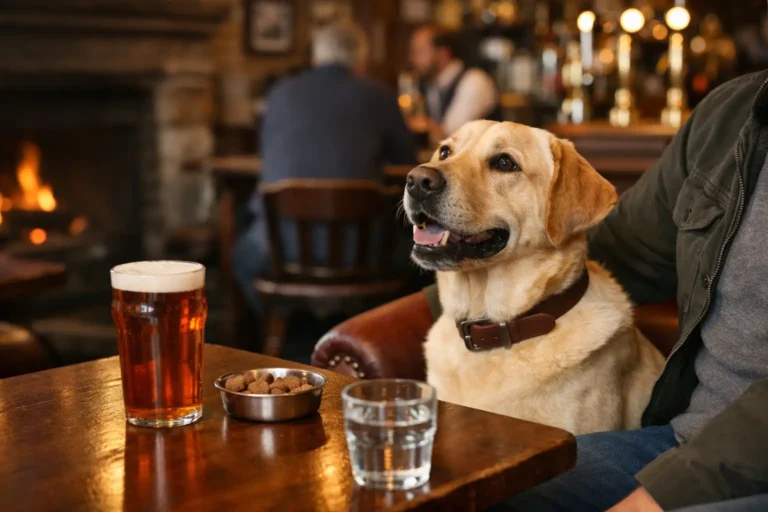
Pay attention to how the place is looked after. Clean tables and toilets, clear prices, glasses in good condition and staff who acknowledge you at the bar all matter. A roaring fire is only a bonus if the pub feels comfortable everywhere else. Likewise, a dog-friendly policy is welcome when it is paired with enough space, sensible supervision and consideration for other guests.
Atmosphere is more personal. Some people want horse brasses, folk nights and a landlord who knows every name. Others prefer a stripped-back corner pub with a great jukebox and a few changing beers. It is worth being specific in your own notes and reviews: was it peaceful, lively, food-led, sport-focused, touristy, family-friendly or best suited to a quick pint? That helps the next visitor find the right pub, rather than treating every venue as though it should offer the same experience.
Respect the rhythm of the pub
Traditional pubs have their own routines. Order at the bar unless there is table service, avoid blocking the till while deciding, and make room for people collecting drinks. If the pub is busy, have a quick look at the beer board before your turn. These are not fussy rules; they simply keep things moving.
Be mindful of the room as well. A snug full of people talking is not the place for speakerphone calls, and a community pub during a match may not suit someone after a silent read by the fire. Take cues from the venue and the people around you. Courtesy is part of what keeps old-fashioned pub culture welcoming.
Make an afternoon of it, not a race
Traditional boozers reward a slower pace. Rather than trying to tick off six venues, choose two or three with different strengths: perhaps a historic inn for lunch, a proper cask house for an afternoon pint and a cosy local for the final stop. Walk where practical, use public transport, and sort your journey home before the first round.
A good pub crawl is about contrast and conversation, not volume. Share food, alternate alcoholic drinks with water or a soft drink, and give each pub enough time to show what it is about. If a place is particularly busy, stay for one and leave it on a positive note rather than forcing the evening.
If you find a gem, save it for another visit. The pleasure of traditional pubs is that they become more familiar over time: the corner you like best, the beer that is usually on form, the weekday when the pub is at its liveliest. Leave a fair review afterwards, mentioning both the atmosphere and practical details that will help other pub-goers.
The right traditional boozer does not need to impress you in the first thirty seconds. Settle in, order something you will enjoy, notice the small rituals of the room and let the pub reveal itself at its own pace.