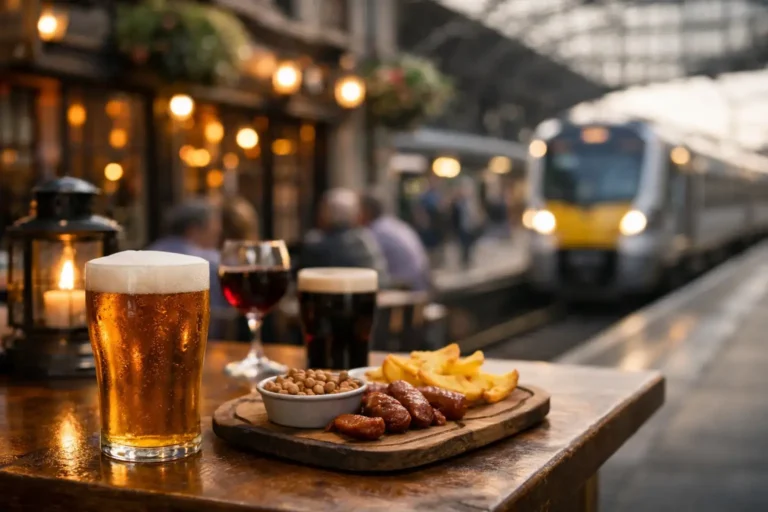
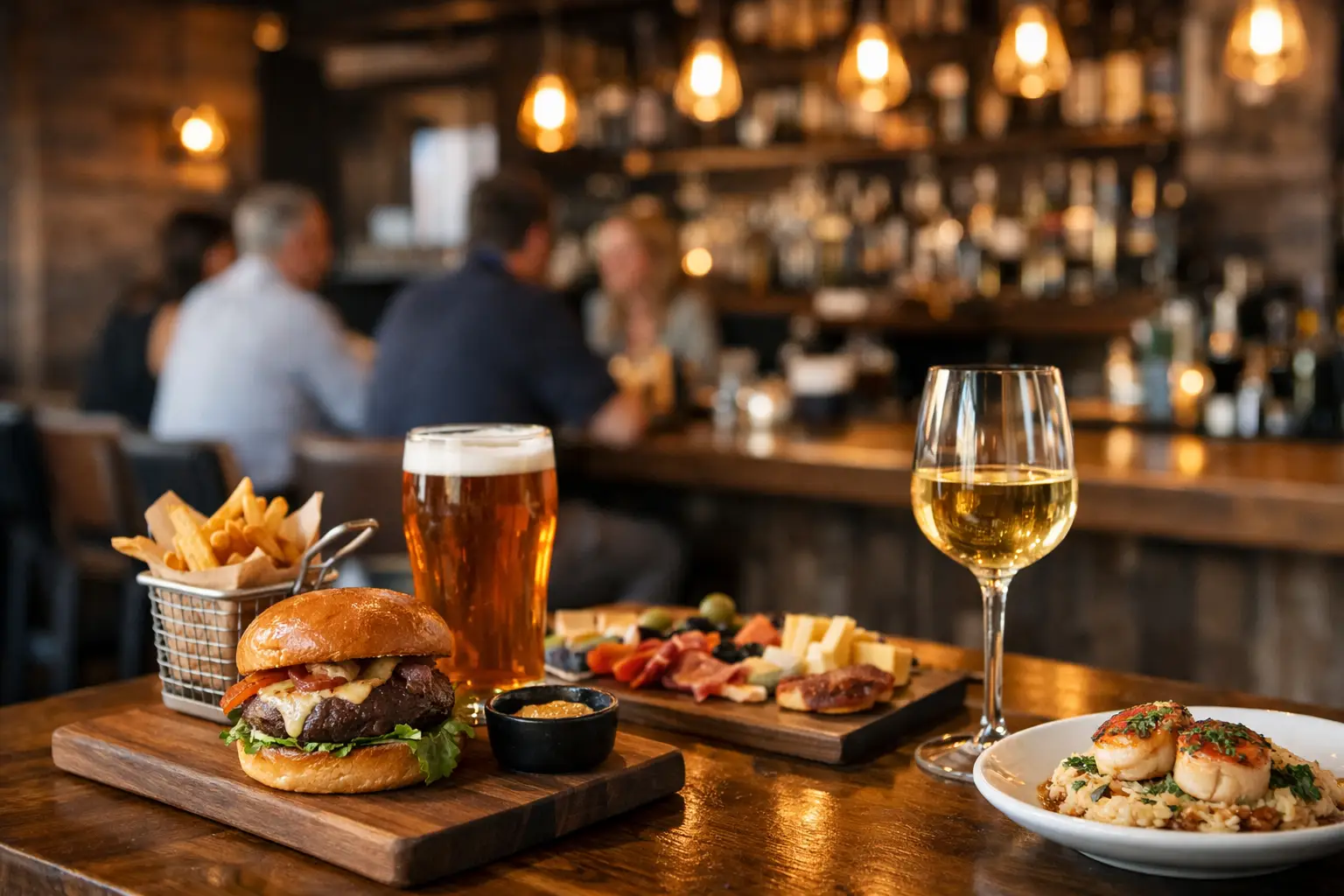
A gastropub can turn a catch-up over a pint into a properly memorable lunch, but the label itself is no guarantee of a good time. One may serve excellent seasonal cooking alongside well-kept cask ale; another may feel more like a pricey restaurant that happens to have a bar. Knowing how to choose a gastropub comes down to matching the place to your plans, then looking beyond the polished menu.
Start with the occasion, not the buzzword
Before you scroll through photos of steak frites and exposed brickwork, decide what you actually want from the visit. A relaxed Sunday lunch with family needs different things from a Friday evening date, a dog walk with muddy boots, or a birthday meal for eight friends.
For a long, sociable lunch, look for comfortable tables, an unhurried service style and a menu with enough range for different appetites. If you are meeting for a pint first and food later, the bar matters just as much as the dining room. A proper gastropub should still feel welcoming to someone popping in for a drink, rather than treating them as an inconvenience between table bookings.
Location can matter more than a glossy reputation. A brilliant country gastropub may be worth the drive for a special occasion, while a well-run local with decent food, a roaring fire and a short walk home could be the better choice for an ordinary Wednesday. Think about parking, public transport, step-free access and whether everyone in your group can get there comfortably.
How to choose a gastropub by reading the menu
A menu tells you plenty before you have even booked. The strongest ones are focused without being timid: perhaps a few reliable pub classics, several seasonal dishes and one or two options that show the kitchen has a point of view. You do not need a page full of fancy ingredients to get a good meal.
Look for signs of care rather than culinary theatre. Clear descriptions, sensible combinations and changing specials usually suggest that the kitchen is working with what is fresh and available. A menu that reads as though it could be served in any town, at any time of year, is not necessarily poor, but it offers less evidence of a place with real character.
Classic dishes are useful markers. Fish and chips, a pie, a burger, a roast or a sausage-and-mash dish can all be excellent, but they need attention to detail. Is the fish described by type? Does the pie sound house-made rather than vague? Are sides and sauces considered rather than simply added for effect? These small clues can separate good pub food from an expensive plate of beige.
Dietary needs deserve more than a token gesture. A couple of well-thought-out vegetarian or vegan dishes, clear allergen information and flexibility where reasonable are much more reassuring than a menu that leaves one person in the group choosing chips by default. If allergies are serious, ring ahead and ask how the kitchen handles them.
Price needs context too. A higher bill can make sense when ingredients, portion sizes, service and setting all justify it. The disappointment comes when prices are restaurant-level but the food, drinks or experience feel rushed. Check whether sides are extra, whether the Sunday roast includes the usual trimmings and whether a service charge is added for larger groups.
Seasonal menus are usually a good sign
Seasonality is not a magic word, but it often points towards a kitchen paying attention. British asparagus in spring, game in autumn or a hearty winter pudding can make a meal feel tied to the time and place. It also gives regulars a reason to return rather than ordering from the same static menu all year.
That said, do not dismiss a pub because it keeps a dependable favourite on the menu. A good burger, a reliable pie and a well-made sticky toffee pudding have earned their place. The balance matters: familiar comfort alongside enough change to keep things interesting.
Check whether it is still a pub
The best gastropubs retain the easy social rhythm that makes pubs special. You should be able to order a decent pint at the bar, hear conversation without straining, and settle in without feeling as though you have wandered into somebody else’s formal dinner.
Look at photos and recent guest comments for practical signals. Are there bar stools, a garden, a fireplace, a snug or a welcoming outdoor space? Is there room for a quick drink as well as booked diners? A more food-led venue can be ideal for a celebration, but it may not be the place for a spontaneous pint after a walk.
Atmosphere is personal. Some people want linen napkins, low lighting and a shorter, more ambitious menu. Others want muddy dogs by the fire, local ales on the pumps and a generous plate of roast beef. Neither is more authentic by default. The right gastropub is the one that delivers the sort of afternoon or evening you had in mind.
Do not overlook the drinks list
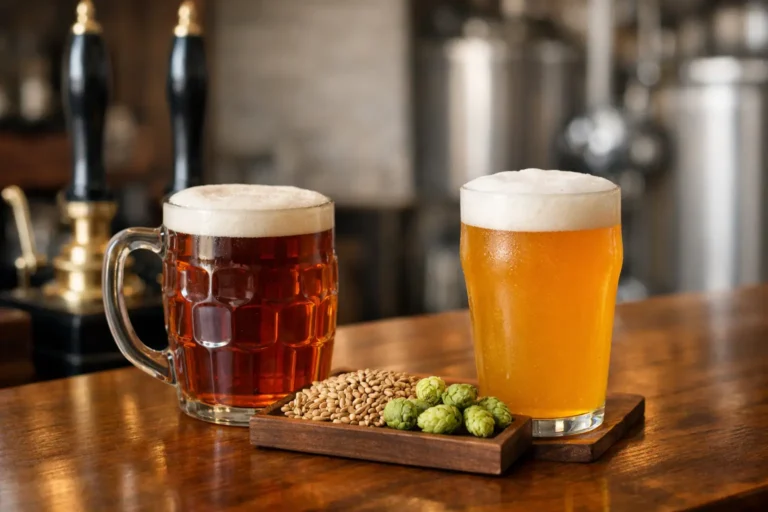
Food may bring you through the door, but the beer, wine and soft drinks often decide whether you linger. A thoughtful drinks offer need not be huge. A few well-kept cask ales, a good local lager, a changing craft beer option and proper alcohol-free choices show that drinkers have not been forgotten.
For cask ale fans, freshness and care matter more than the number of handpumps. A pub that turns over two beers well is often a safer bet than one displaying eight options with uncertain condition. Ask staff what is drinking well that day. A confident, straightforward answer is encouraging.
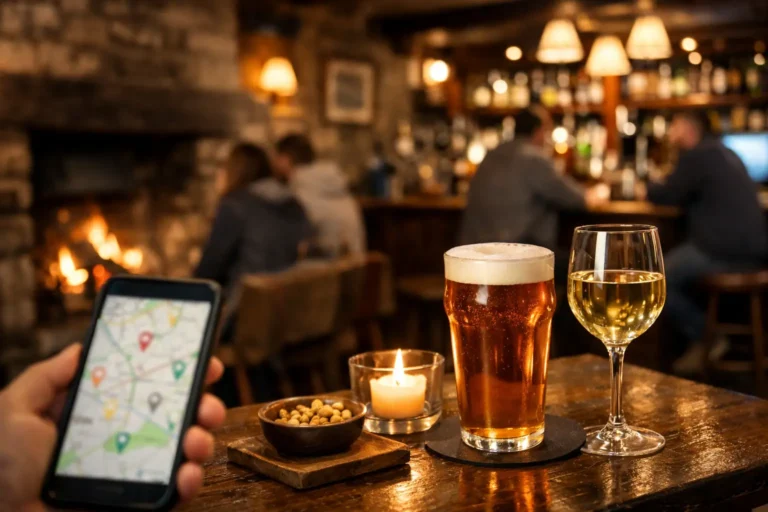
Wine should suit the food without requiring a second mortgage, and there should be something beyond standard fizzy pop for non-drinkers. A good ginger beer, alcohol-free pale ale, decent tonic or locally made cordial can make everyone feel included. If you enjoy logging new pints as you go, the Pubs Near Me: Pub Finder UK app is handy for tracking beers, saving favourites and recording pubs you would happily revisit.
Read reviews for patterns, not perfection
No pub gets every detail right for every visitor. One person’s lively dining room is another person’s noisy table; a generous portion may be too much for someone else. Honest pub reviews are most useful when you read several and look for repeated themes.
Pay attention to comments on service, consistency, booking and value. Repeated praise for friendly staff, a cracking roast or excellent beer care is meaningful. So are repeated notes that tables feel rushed, the kitchen struggles at busy times, or the menu has changed. A single grumble may reflect an off day. A pattern gives you something practical to act on.
Recent reviews are especially useful for seasonal pubs and places that have changed chef, landlord or menu. Check the dates, and remember that a quiet Tuesday visit can be very different from a packed sunny Sunday. If a pub is popular for roasts or special menus, booking ahead is sensible rather than assuming a table will appear.
Ask a few practical questions before booking
A quick call can prevent the usual frustrations. Ask whether dogs are allowed inside or only in the garden, whether children are welcome in all areas, and if there is a quieter table for a family member who finds busy rooms difficult. For a larger group, confirm deposit terms, pre-order requirements and whether the full menu is available.
If Sunday lunch is the aim, check the serving times. Plenty of excellent pubs stop roasts earlier than expected, and some offer a reduced menu late in the afternoon. For country pubs, it is also worth checking kitchen hours separately from opening hours. There is nothing worse than arriving after a lovely walk to find that only crisps are available.
Give local character some weight
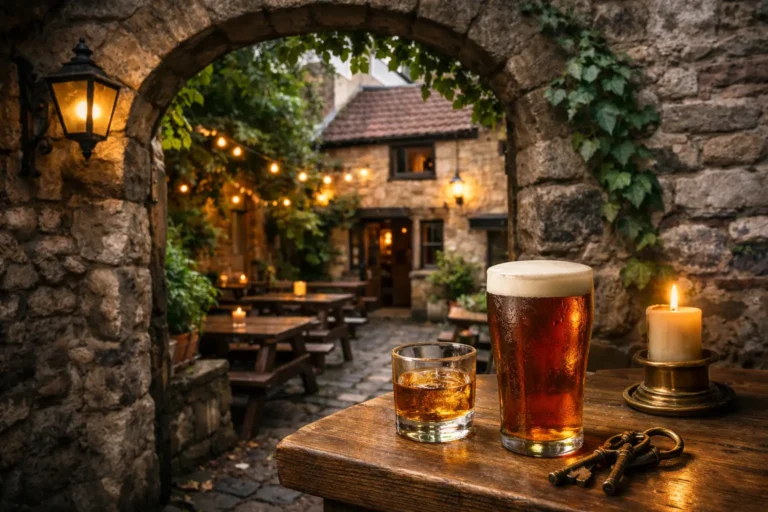
A gastropub does not need to be centuries old or covered in horse brasses to be worth your time. Still, places with a clear sense of themselves often make the best memories. That might mean a former coaching inn with low beams, a neighbourhood pub championing nearby producers, or a modern village local that knows its regulars by name.
Choose the place that feels right for your day, not merely the one with the most elaborate dishes. A warm welcome, a well-poured pint, food made with care and enough time to enjoy the company around the table will usually beat a fashionable menu that forgets it is meant to be a pub.