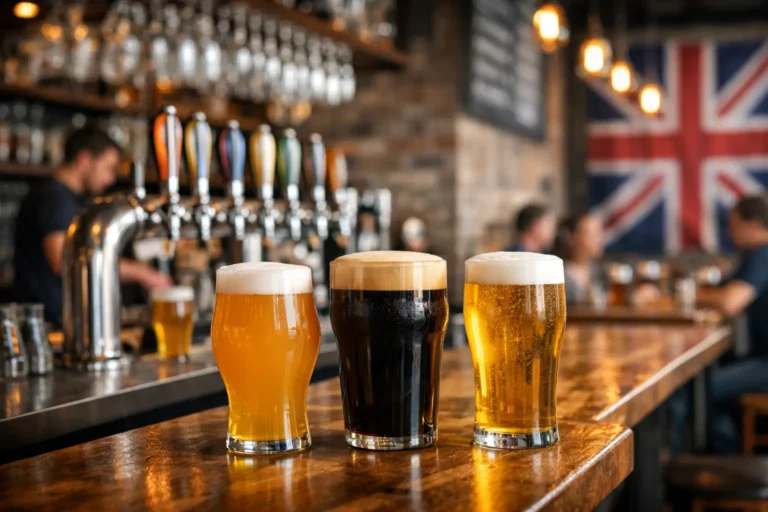
There is a particular moment at a busy British pub bar when a little local knowledge goes a long way. You spot the queue, work out whether the table is free, and decide whether to order food before the next round. This guide to pub etiquette is not about stiff rules or taking the fun out of a pint. It is about helping everyone, from first-time visitors to regular pub crawlers, feel at home and keep the atmosphere friendly.
A guide to pub etiquette starts at the bar
Unlike a shop queue, the line at a pub bar can be informal. People often gather along the bar rather than standing in single file, and the staff generally keep track of who arrived first. Find a sensible spot, catch the bar staff’s eye when you can, and wait your turn. Waving cash, calling out or leaning over someone who has clearly been waiting longer rarely goes down well.
Knowing what you want before you reach the front helps, especially on a Friday evening or before a match. If you are ordering for several people, have the drinks ready in your head, including any specifics such as a half pint, alcohol-free option or a particular gin. It keeps the queue moving and gives the person serving a much easier time.
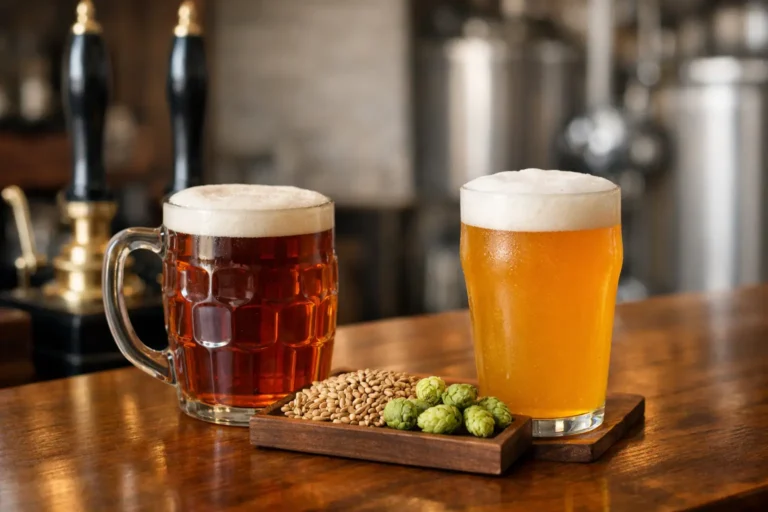
That said, a good pub is not a speed trial. If you need a recommendation on the cask ales or want to know what is in a cocktail, ask politely. Staff who know their beer are usually pleased to point you towards something suitable, provided the bar is not three deep with people waiting.
Pay promptly and tip naturally
Pay when your drinks are served unless the pub has made it clear that it runs a tab. Contactless is standard in most places now, but carrying a little cash can still be handy for a collection or a small tip.
Tipping in British pubs is optional, not expected as a fixed percentage. A tip is a kind gesture when someone has given thoughtful table service, helped with a large order or looked after a group particularly well. There is no need to make a performance of it.
Respect the round, but do not be ruled by it
Buying rounds is one of the warmest bits of pub culture. It is an easy way to share the cost and make sure nobody is left waiting with an empty glass. If someone gets the first round, offer to get the next one, and do not mysteriously disappear when it is your turn.
But rounds are not a contract. They work best when everyone is drinking at a similar pace and spending roughly the same amount. If you are on soft drinks, leaving early, sticking to a half, or choosing pricier drinks than the rest of the group, say so at the start. A simple, “I’ll get my own tonight,” avoids awkward maths later.
On a pub crawl, rounds can become confusing and encourage people to drink faster than they intended. It is often better for each person to pay for themselves, particularly when moving between several venues. Planning the route in advance, allowing time for food and water, and knowing how you will get home makes for a far better day out than trying to squeeze in one more stop.
Tables are shared spaces, not private territory
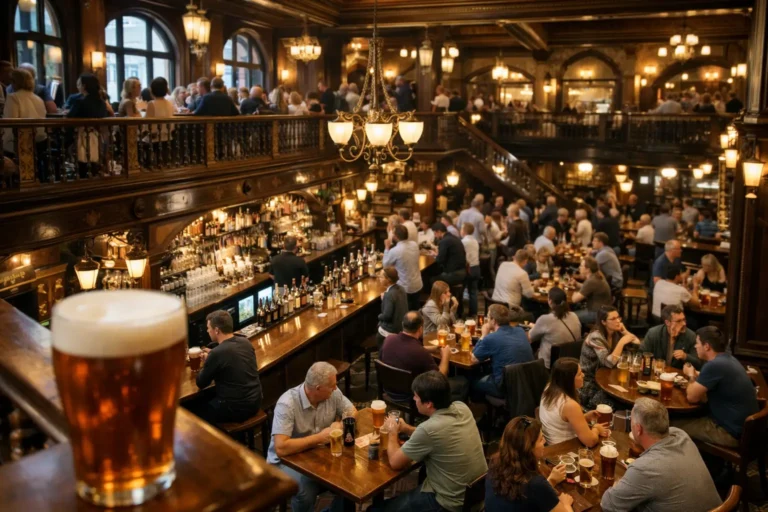
In a compact city-centre pub, a spare chair can be valuable. If a table is clearly occupied, ask before taking an empty seat. A coat over a chair or glasses on the table usually means someone is coming back, though it is fair to check if the space has been unused for a while.
If you have finished eating or your group has shrunk, consider freeing a larger table for people still looking. This matters most at busy times, but it is simply good manners anywhere. Equally, do not move another group’s bags, drinks or table marker to claim a spot.
Some pubs offer table service for food, while others ask you to order at the bar or through an app. Check the signs or ask a member of staff rather than assuming. If you are eating, keep bags, coats and mobiles off the table where possible. It gives everyone a bit more room and makes clearing plates easier.
Keep the noise right for the pub
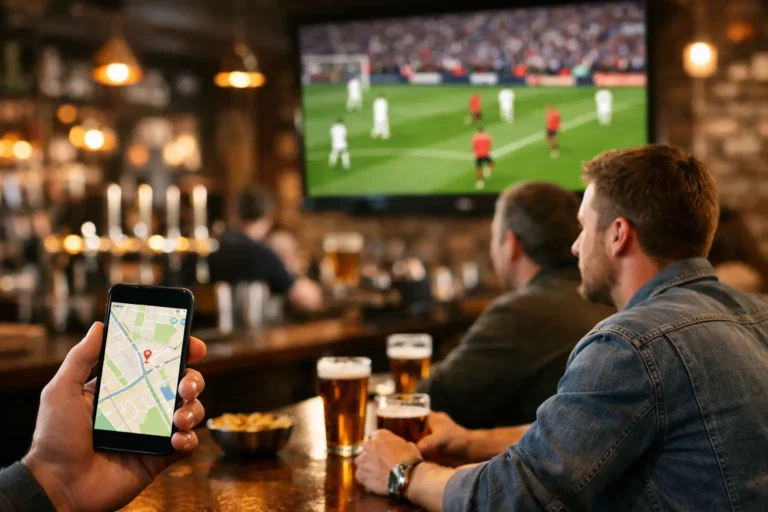
Every pub has its own volume. A lively sports bar during a big fixture is built for cheering, while a small traditional local on a Tuesday night may be better suited to conversation. Read the room rather than expecting the room to read you.
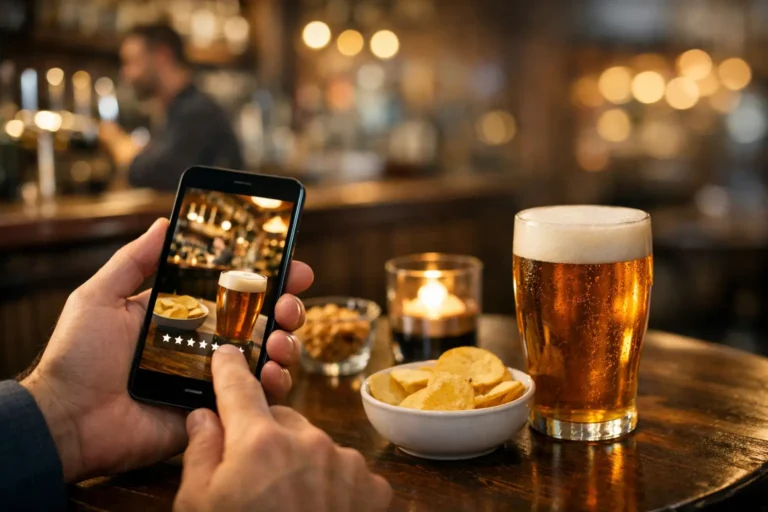
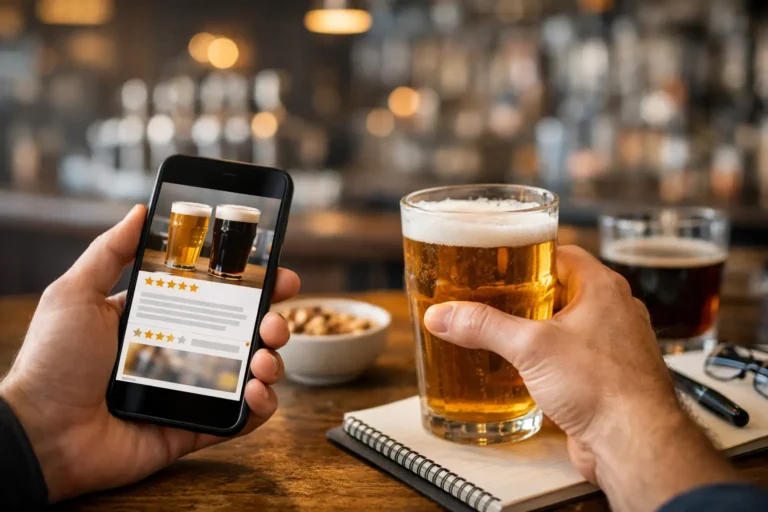
That means keeping mobile phone calls brief, avoiding music played aloud from a mobile, and not treating a quiet corner as your own private party venue. If you are meeting a group, choose a pub that fits the occasion. A good review can tell you whether a place is best for cask ale chat, Sunday lunch, live music or match-day energy.
Treat staff, locals and fellow drinkers with care
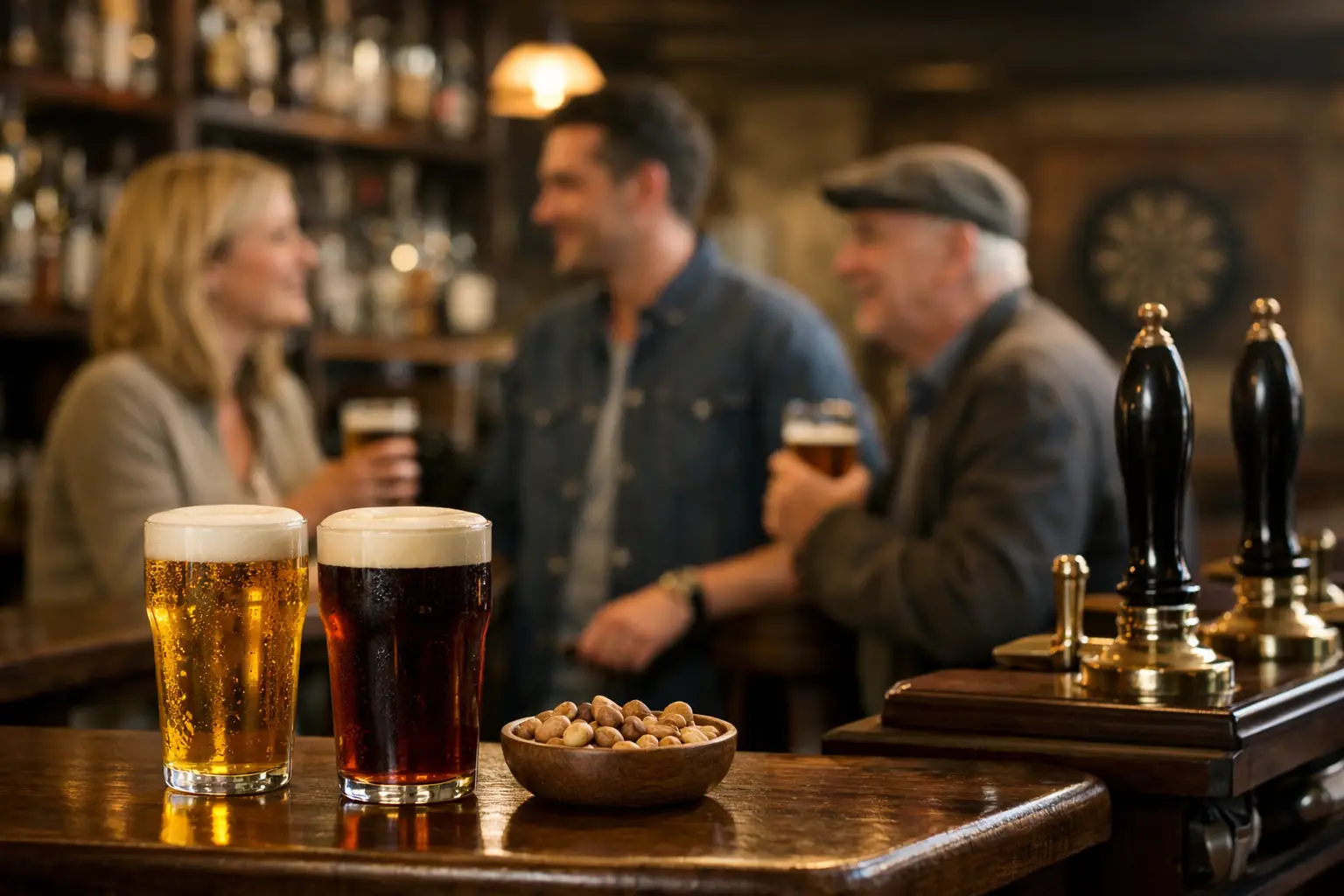
Pubs are social places, but not everybody has come to socialise with strangers. A friendly chat at the bar can be one of the pleasures of visiting a new local, particularly if you ask about the beer or the history of the building. Take the hint if someone is reading, eating or plainly keeping to themselves.
The same goes for staff. They are balancing orders, glass collection, food service and the occasional unexpected problem. Speak respectfully, be clear about any dietary needs, and raise issues calmly. If a pint is not right, tell the bar team early and politely. With cask beer especially, a good pub would rather know than have you quietly leave disappointed.
Regulars can make a pub feel intimidating only if you assume they will. More often, they are simply people who know one another. A nod, a thank you and decent manners carry you a long way. You do not need to act like a local on your first visit – just be a good guest.
Dogs, children and outdoor spaces
Dog-friendly pubs can be brilliant, but “dog-friendly” does not mean every dog or every table is suited to a long visit. Keep your dog close, bring water if needed, and make sure it is not blocking walkways or bothering other customers. Check whether dogs are allowed in the dining area before settling in.
For families, daytime is usually the easiest time to visit, and some pubs have clear rules around children in bar areas or gardens. Follow them without argument. A pub is often a community space, so a bit of consideration works both ways: parents should keep an eye on children, while other customers should expect a little ordinary family noise at lunch.
Beer gardens deserve the same courtesy as indoor tables. Keep pathways clear, return glasses to the bar when asked, and remember that nearby homes may be closer than they look. Smoking and vaping rules vary, so use designated areas and avoid blowing smoke towards other tables.
Know when to call time
When staff announce last orders, place your order promptly if you want one. It does not mean the whole pub must empty that second, but it does mean the team is beginning to close down. Do not press for “just one more” after service has finished.
Before you leave, take your belongings, check you have paid, and avoid leaving a table covered in empty glasses, food wrappers or spilled crisps. Most pubs have staff to clear, of course, but returning glasses when practical is a small courtesy, especially in a busy venue.
If you have had a good visit, a genuine thank you, a fair review or a recommendation to friends can mean more than people realise. Pub Reviews UK’s Pubs Near Me: Pub Finder UK app is useful for saving favourite spots, tracking pubs visited and building a sensible route for your next outing.
The best pub etiquette is really about noticing the people around you. Order with patience, take your turn, drink at your own pace and leave the place as welcoming as you found it. Do that, and you will fit comfortably into almost any pub, from a historic village inn to a bustling city ale house.