A chain pub can be exactly what you need after a long train journey: familiar menu, clear prices, plenty of tables and no guesswork. But when the question is chain pub vs local pub, the better choice depends less on principle and more on the sort of night you want. A speedy meal before the cinema is one thing. Finding a memorable pint, a friendly bar stool and a proper sense of place is another.
Neither type of pub wins every time. Britain’s pub scene is at its best when there is room for reliable high-street venues and independent locals with their own character. The trick is knowing what each is likely to offer, and where the compromises sit.
Chain pub vs local pub: the main differences
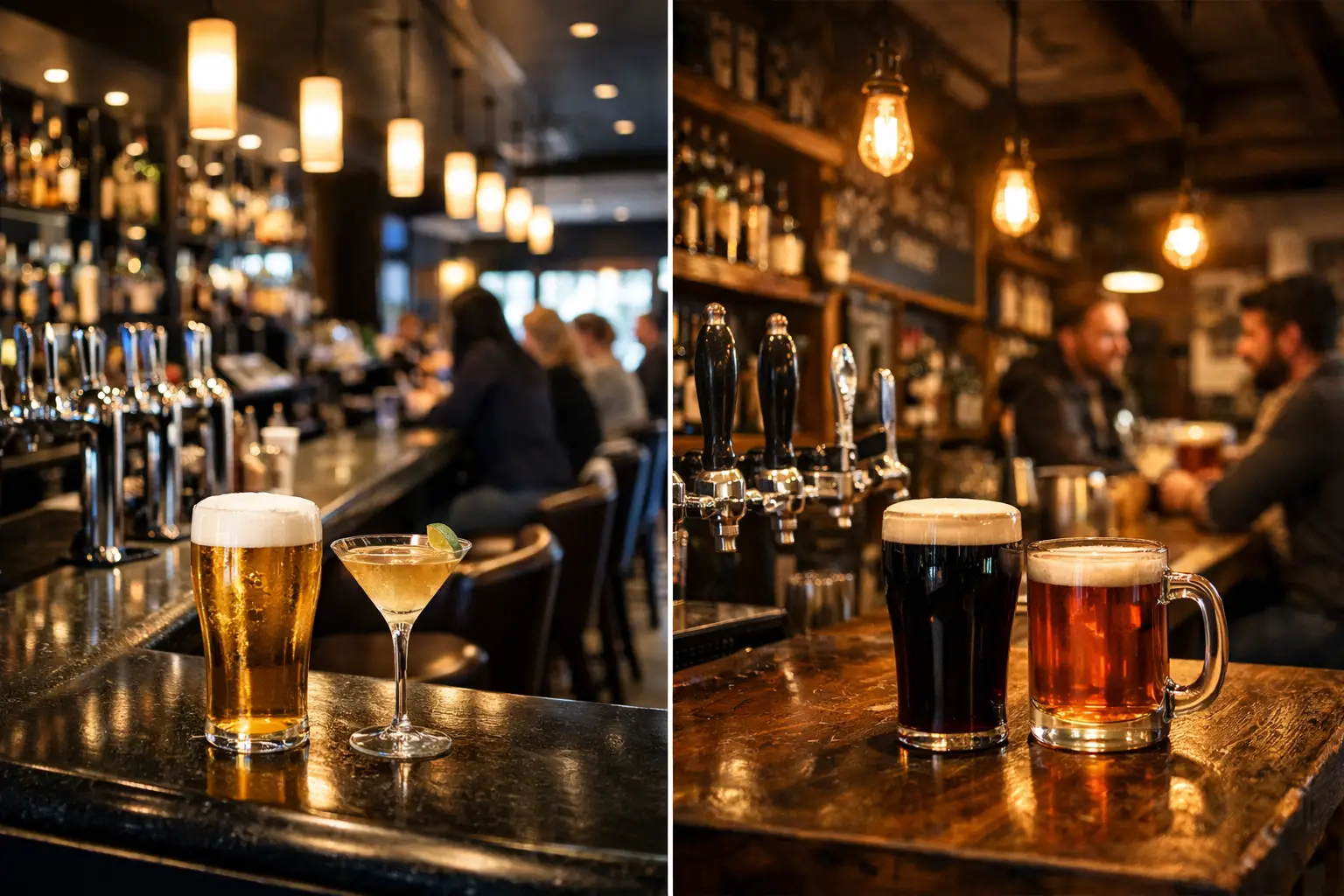
The most obvious difference is consistency. Chain pubs usually follow a recognisable format, whether you are in Leeds, Liverpool, Cardiff or a small market town. The food menu, drinks range, ordering system and general layout will feel familiar. That can be reassuring when you are meeting a group with mixed tastes, watching the budget or simply want to know what you are getting.
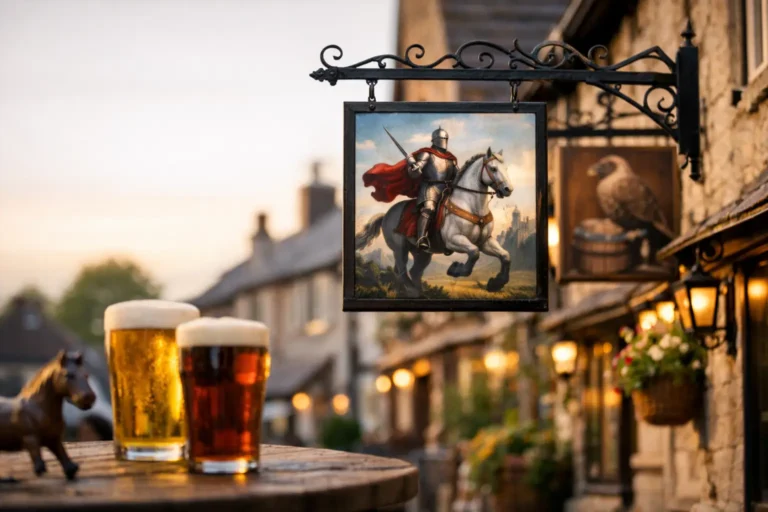
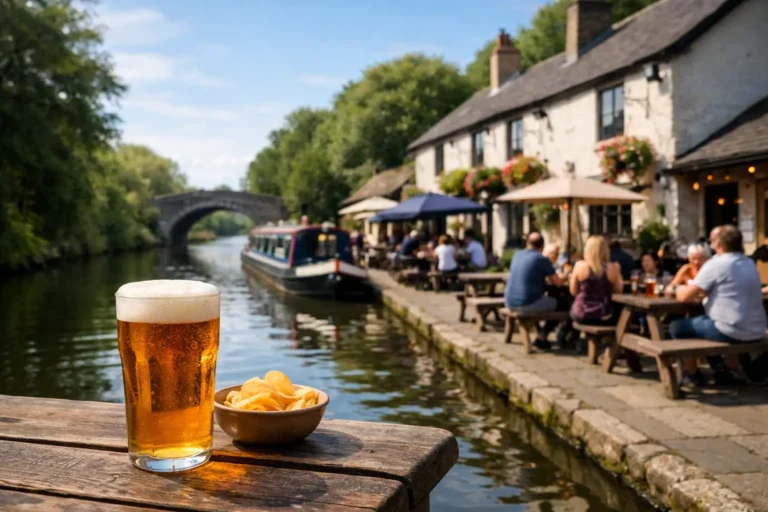
A local pub is more likely to reflect its landlord, regulars and neighbourhood. One may be a timber-beamed village inn with a roaring fire; another might be a tiny city boozer specialising in cask ale; another could have a lively quiz night, a dog-friendly snug and a garden that comes alive on sunny weekends. That individuality is its great strength, although it also means standards and opening patterns can vary more from place to place.
Price is not always as straightforward as it seems. Chains can offer dependable deals on food, familiar branded drinks and value-led midweek offers. A good independent pub may charge more for a pint, particularly where it keeps several changing cask lines or buys from small breweries. In return, you may find better-kept ale, more distinctive food or a setting that turns one drink into an evening worth remembering.
The best approach is to judge the individual pub, not just the sign above the door. Plenty of chains have well-run branches with excellent teams, and plenty of independents are working hard with limited staff and rising costs. A fair review looks at the full visit: welcome, cleanliness, beer quality, food, atmosphere and whether the price feels justified.
What chain pubs do well
Chain pubs are built for ease. They are often centrally located, generally have generous opening hours and can handle bigger groups without making everyone squeeze around a tiny table. If you are travelling, arranging an informal work catch-up or trying to please friends who want different things from a menu, that predictability is useful.
Food choice is often a major draw. There will commonly be vegetarian, vegan and gluten-aware options alongside pub classics, sharing plates and family-friendly meals. Ordering through an app or at the bar can make a busy lunchtime less of a faff, particularly when everyone arrives at different times.
They can also be a sensible base for a day out. Near stations, shopping areas and stadiums, a chain pub may provide a convenient meeting point before you move on to more characterful stops. On match day, that extra space, reliable kitchen and plentiful screens can make the difference between a relaxed pint and a logistical headache.
The trade-off is that a chain pub can feel interchangeable. Décor may nod to local history, but it is rarely the story of the building in the way an old coaching inn or long-standing community local can be. Beer lists may favour familiar national brands over a genuinely local selection, too. That is not necessarily a problem, but it matters if discovery is the point of your visit.
Why local pubs are worth seeking out
A good local pub gives you something that cannot be copied from a central office: personality. It might be the landlord who knows which mild has just come on, the regular who points you towards the best seat by the fire, or the handwritten board announcing a beer from a brewery ten miles away. These details build atmosphere without anyone having to manufacture it.
For cask ale drinkers, local pubs are often where the interesting choices are. Look for a well-kept, sensibly sized range rather than the biggest possible number of hand pumps. A pub that turns over three beers well may offer a far better pint than one trying to keep twelve lines going. Ask what is drinking best if you are unsure – a good bar team will usually be pleased to help.
Independent pubs also tend to play a bigger role in local life. They host pub quizzes, charity events, folk sessions, sports teams and birthday gatherings. In villages and residential areas especially, the pub can be one of the few shared spaces where different generations naturally meet. Supporting a well-run local helps keep that social fabric going.
Of course, local does not automatically mean perfect. A tiny menu may not suit a hungry group, a popular Sunday lunch can require booking, and some traditional pubs are quieter than visitors expect. Check recent, balanced pub reviews before setting off, especially if you need step-free access, a beer garden, dog-friendly seating or food at a particular time.
Choose the pub for the occasion
Rather than treating this as a loyalty test, start with the plan. A chain pub is often the practical pick for a large group, a quick pre-train meal or a low-cost catch-up. A local pub is usually the better bet when you want a great pint, a date with some atmosphere, a Sunday roast with character or a stop that belongs on a city pub crawl.
For a weekend in a new town or city, combine both. Use a convenient chain as a meeting point if it makes sense, then make time for two or three independently run places nearby. You get the easy start and still leave room for hidden gems, historic interiors and local beer.
If your group includes non-drinkers, drivers or people pacing themselves, check the soft drinks, coffee and food offer as carefully as the beer list. A welcoming pub makes space for everyone, and the best nights out do not depend on drinking quickly. Eat properly, plan your journey home and know when the last train or bus leaves.
A few signs you have found a good one
Whether it is part of a chain or independently owned, the basics matter. The bar should look cared for, staff should be approachable even when busy, and the atmosphere should match what the pub promises. A sports pub does not need whisper-quiet corners during a big fixture, just as a cosy ale house does not need to turn into a nightclub on a Thursday.
For local pubs, notice the small clues: a changing board of regional beers, regular events, customers chatting comfortably and a menu that suits the kitchen’s strengths. For chain pubs, look for a branch that feels well managed rather than merely efficient – clean tables, decent service and a team that knows the drinks list all count.
When you are out exploring, the Pubs Near Me: Pub Finder UK app can help you spot pubs nearby, save favourites, build a sensible pub crawl and keep a record of places you have visited. It is particularly handy when a promising-looking side street gives you more options than a generic search ever will.
A reliable chain pub can save an awkward plan, while a brilliant local can become the place you recommend for years. Pick the one that suits the moment, give new places a fair chance, and leave room in the evening for the pub you did not expect to find.