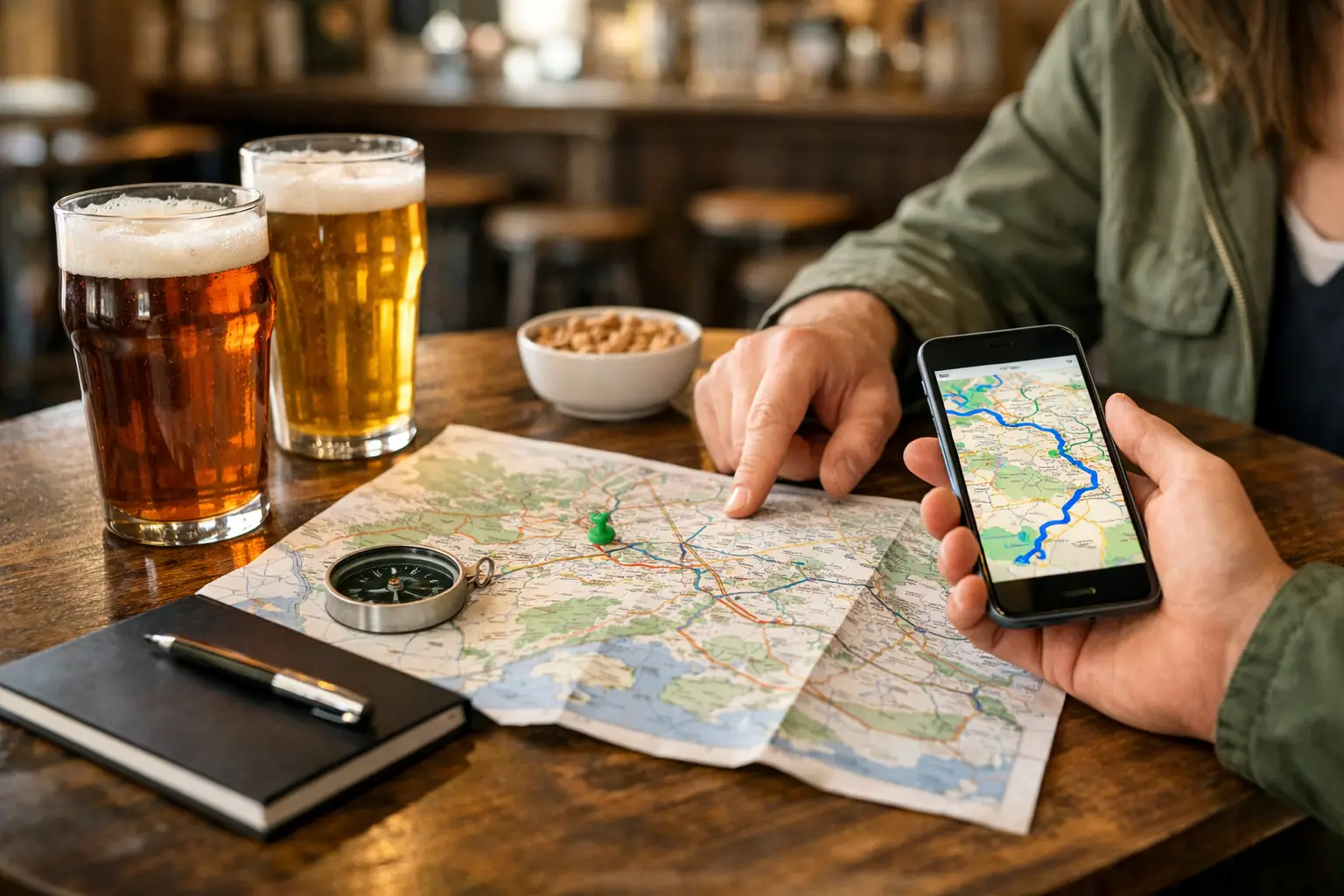
A good pub route is not about seeing how many bars you can squeeze into one afternoon. It is about linking a handful of places that each bring something different – a proper local, a historic room, a great cask line, a beer garden or a spot that does a decent pie when everyone needs a reset. When you plan pub routes with a little thought, the walk between pints becomes part of the day rather than a logistical headache.
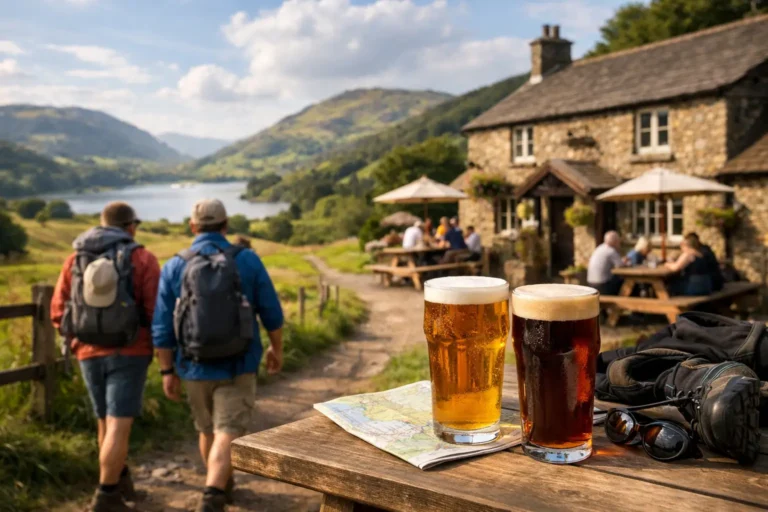
The best routes have a sense of place. You might follow old market streets in a town centre, trace a canal through an industrial quarter, or join together village pubs on a country walk. Whatever the setting, a bit of planning helps the group spend less time arguing over maps and more time enjoying the pubs they came to find.
Start with the kind of day you want
Before choosing venues, agree the mood. A Saturday crawl for a few friends visiting a new city needs a different route from a quiet Sunday afternoon with relatives, or an ale trail for people keen to try local breweries.
A food-led route should leave enough room for a proper meal, rather than treating every stop as a drinking stop. If you are planning around a football match, prioritise pubs with the right atmosphere and enough time to get to the ground without rushing. For visitors, it often makes sense to mix a well-known historic pub with one or two less obvious local gems.
This first decision prevents a common mistake: picking individually excellent pubs that do not make sense together. A wonderful pub on the other side of town may be worth a separate visit, but it can turn a relaxed route into an hour spent in taxis.
How to plan pub routes that actually flow
Think in clusters, not a long list of names. Open a map and find an area where several pubs sit within easy walking distance. In most city centres, a route of roughly one to two miles is plenty for an afternoon or evening. In smaller towns and rural areas, the distances may call for a shorter route, public transport or a designated driver who is not drinking.
Start near a station, car park or bus stop where possible. It gives everyone a straightforward meeting point and makes the journey home easier. Finish near reliable late transport if you expect to be out into the evening. A route that ends with a complicated trek to the last train can take the shine off an otherwise cracking day.
Put the pubs in an order that makes practical sense. Begin somewhere that is likely to have space and a welcoming daytime feel. Save the livelier venue, beer garden or pub with a strong evening buzz for later. If one stop is especially popular for food, book ahead and make it the anchor of the route.
You do not need military precision. In fact, leaving room for a spontaneous stop is one of the pleasures of a pub crawl. The aim is to have a reliable backbone – usually three to five pubs – with one or two nearby alternatives if a place is packed, closed for an event or simply not right for the group that day.
Choose pubs with a reason to visit
The most memorable routes avoid repetition. Four pubs with identical interiors, identical lager taps and the same background playlist can blur into one. Variety gives people a reason to talk about each stop afterwards.
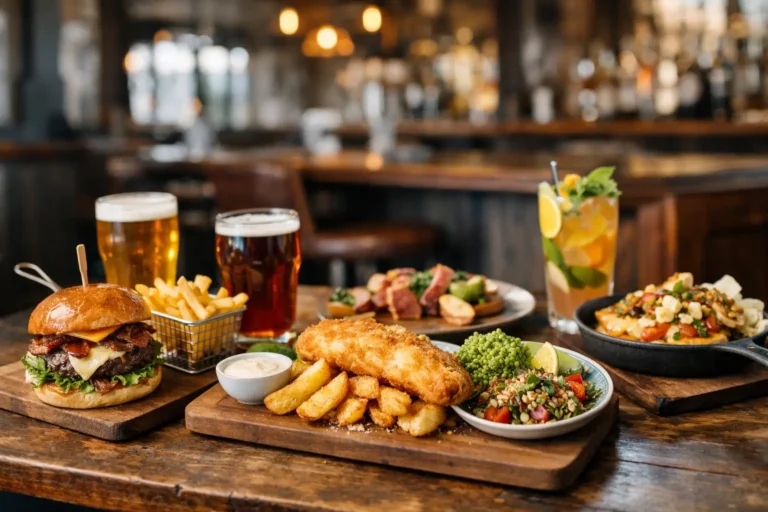
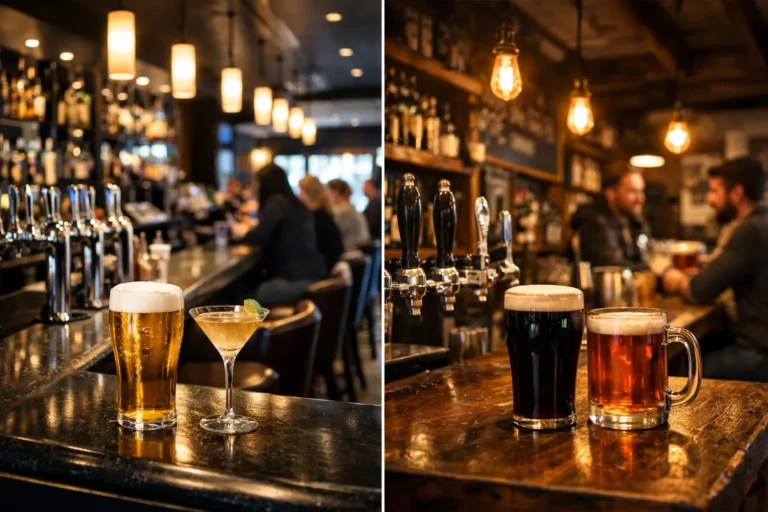
Look for a balance between traditional character and modern choice. That could mean beginning in a Victorian ale house, moving on to a small craft beer pub, stopping for food at a proper gastropub, then ending in a cosy local with a fire or live music. In warmer months, a good beer garden can be more valuable than another impressive-looking bar indoors.
Reviews are useful here, but read them with the occasion in mind. A pub praised for a quiet pint may not suit a large birthday group. A busy city-centre venue might be ideal on a Friday night but less appealing if you want to sit, chat and try a few cask ales. Honest pub reviews are most helpful when they explain atmosphere, service, beer choice, food and who the venue suits.
Check opening times close to the date, especially on Sundays, bank holidays and midweek. Kitchen hours can be shorter than pub hours, and some smaller venues may have limited opening days. It is also worth checking whether dogs, children or larger groups are welcome if that matters to your plans.
Allow time for each stop
For a three-pub afternoon, an hour to 90 minutes in each venue usually feels comfortable. Add walking time honestly, particularly if the route includes steep streets, waterfront paths or a busy town centre. Trying to visit six or seven pubs in a short window rarely gives you time to enjoy any of them.
Pacing matters too. Order smaller serves where available, drink water between stops and eat something substantial. The point is to enjoy the beer, the buildings and the company, not to turn the route into a race. If anyone feels they have had enough, it is absolutely fine to switch to soft drinks, take a break or call it a day.
Build in the practical details
A shared plan is useful, but it need not be fussy. Send the meeting point, the first pub, a rough finish time and any food booking to the group beforehand. Let people know whether the route is mostly on foot and whether there are steps, cobbles or longer stretches that may be awkward for anyone with limited mobility.
Cash is less essential than it once was, though it can still be handy for a small independent pub or a quick round. More important is deciding how rounds will work. Large groups can spend a surprising amount of time at the bar, so buying in pairs or letting people order their own drinks can keep the day moving.
If you are organising a route somewhere unfamiliar, use a dedicated pub finder rather than relying on whatever appears first on a general map. Pubs Near Me: Pub Finder UK can help you find pubs nearby, save favourite pubs, build a crawl, track pubs visited and keep a note of beers worth ordering again. It is particularly handy when a planned stop is too busy and you need a solid alternative without wandering aimlessly.
Add a theme without making it a gimmick
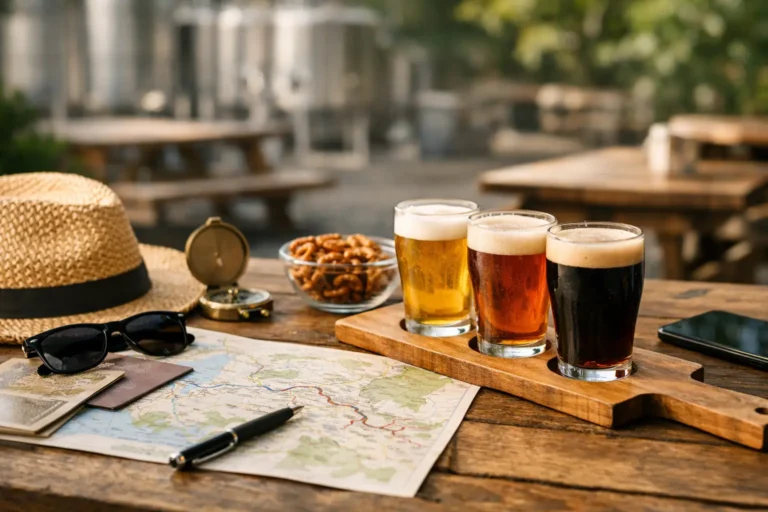
Themes are useful when they give the route a genuine thread. A historic pub walk, a railway-station-to-riverside route, a local brewery trail or a tour of the best beer gardens in an area all make decisions easier. They also help you choose what to skip.
For example, an ale-focused route may work best with fewer stops and more time to talk to staff about the cask selection. A city-break route might prioritise pubs near landmarks, making it easy to combine sightseeing with a few well-earned pints. A Sunday route could centre on one excellent roast, with two quieter pubs either side.
Do not force every venue to fit perfectly. Sometimes the best stop is simply the pub that has been serving the neighbourhood for generations, has room for the group and pours a very good pint. Character counts for more than a clever theme.
Know when to change the plan
Even the best-planned route needs a little flexibility. Rain can make a long walk less appealing. A pub may be unexpectedly full. Someone may spot a place with an inviting front bar and insist it deserves a look. Treat the plan as a guide, not a contract.
If the group is enjoying a particular pub, stay longer. If a venue does not suit the mood, finish your drink politely and move on. There is no prize for completing every stop. The better measure is whether everyone leaves with a few new favourites, a good story and an easy journey home.
A thoughtful pub route lets a place reveal itself one pint, one street and one conversation at a time. Pick fewer pubs with more character, leave space for the unexpected, and make getting home safely part of the plan from the start.