
A good pub catch-up can be ruined by one thing: having to lean across the table and repeat every other sentence. Quiet pubs for conversations are not necessarily silent, nor should they be. The sweet spot is a place with enough life to feel welcoming, but not so much noise that a relaxed pint turns into an exhausting shout.
Whether you are meeting an old mate, taking parents out, having a low-key first date or talking through something that deserves your full attention, the right pub makes a real difference. Here is how to spot one before you commit to the first round.
What makes a pub good for a proper chat?
It is rarely just about how many people are in the bar. Some busy pubs still work brilliantly for conversation because they have separate rooms, booths, snug corners or a garden away from the main crowd. Equally, a half-empty bar can feel surprisingly loud if music bounces off hard floors and bare walls.
The best conversation pubs tend to have a few things in common: comfortable spacing between tables, soft furnishings, sensible background music and staff who are happy for people to settle in over food or a couple of drinks. Traditional locals, historic pubs with separate rooms and neighbourhood boozers often do this well, though there are plenty of modern pubs designed with quieter corners in mind.
A pub does not need to be hushed. A gentle hum of conversation, the clink of glasses and a bit of bar-side banter are part of the appeal. What you want to avoid is competing with speakers, a packed standing area or a big-screen match when your plan is to actually hear one another.
Timing matters as much as the venue
The same pub can be calm at 5pm on a Tuesday and completely different at 8pm on a Friday. Before writing a place off as too lively, consider when you visited and what else was happening nearby.
Weekday afternoons are often the safest bet for a long chat, particularly in city-centre pubs that fill up after work. Early evening on a Sunday can also be a good shout, once the main lunch crowd has thinned but before quiz night or live music begins. If you are meeting at the weekend, aim for an earlier slot rather than hoping to find a quiet table at peak time.
Sport is the other obvious factor. A pub with a decent atmosphere for the football can be ideal on an ordinary evening, then become standing-room-only before kick-off. Check whether there is a major match, local derby, rugby fixture or other event on. This is not a criticism of sports pubs – it is simply a question of picking the right setting for the occasion.
Ask one useful question before you go
A quick call can save a disappointing trip. Ask whether there is live music, a quiz, sport on the big screen, a private party or a regular busy period that evening. Most pub teams know exactly which room is best for a quiet table and will usually give you a straight answer.
If you are planning to eat, booking is especially worthwhile. Mention that you would prefer a quieter corner rather than a table beside the bar, entrance or speakers. It will not always be possible, but a simple request gives the team a chance to help.
Look beyond the main bar
When browsing pub photos or honest pub reviews, do not judge a venue only by its bar counter. The best seat is often somewhere else entirely.
A separate dining room can work well if it still feels like part of the pub rather than a formal restaurant. Snugs are made for small groups and one-to-one conversations, while booths give you a little privacy without cutting you off from the atmosphere. Older pubs sometimes have several small rooms, which can be much more comfortable than one large, echoing space.
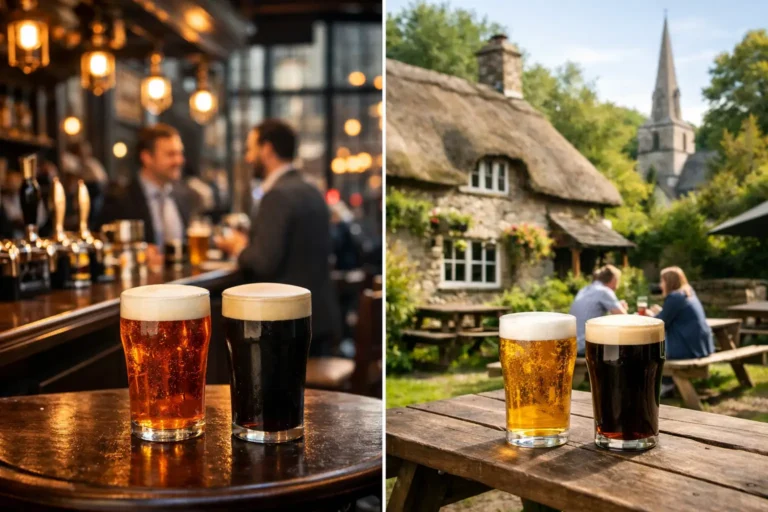
Beer gardens deserve a mention too. On a dry, mild day, a garden table away from the entrance can be one of the easiest places to talk. There is more space, less music and no need to raise your voice over the bar. The trade-off is weather, smokers near the door and occasional road noise, so it pays to have an indoor fallback.
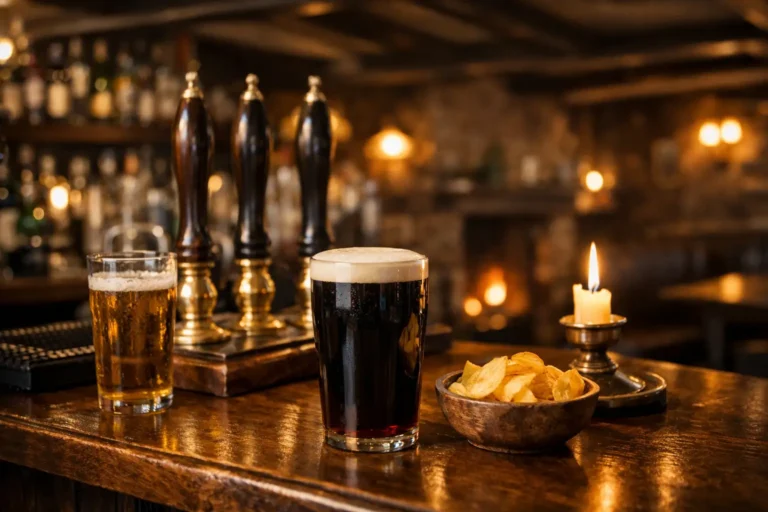
For winter meetings, look for pubs with a fireside area or a carpeted lounge rather than a large open-plan room. Cosier surroundings tend to absorb sound and encourage people to linger. That said, a roaring fire can make a small room popular quickly, so arrive early if it is your preferred spot.
How to read a pub’s atmosphere before visiting
Reviews can be more useful than a star rating when you know what to look for. Search for comments about atmosphere, music, table space and whether people describe the pub as relaxed, cosy, traditional or good for a catch-up. These details tell you far more than a generic description of the beer list.
Photos help too. Look for upholstered benches, curtains, bookshelves, small tables and separate seating areas. A room full of high stools, tiled surfaces and communal tables may be excellent for a quick drink, but it is less likely to suit a private conversation. It depends on the pub, of course, and well-designed modern spaces can still keep noise levels down.
Community reviews are especially helpful because they often flag changes that official listings miss. A once-quiet local may now host regular DJs, while a city pub known for its Friday crowd might have a peaceful upstairs room during the week. If several recent reviews mention the same issue, take notice.
Choosing the right table once you arrive
Even in a quieter pub, table choice matters. Avoid the area directly beside the bar, the till, the kitchen swing door and the loos. These are natural pinch points, with people constantly passing through and staff calling orders.
A side wall, booth or corner table is usually better. You will hear less movement behind you and have a better chance of speaking at a normal volume. If the pub has music playing, sit away from the speakers rather than directly under them – obvious advice, perhaps, but it is easy to overlook when the first available table appears.
For groups of four or more, do not squeeze around a tiny high table simply because it is free. A larger table with proper chairs gives everyone space to settle and makes conversation less fragmented. If you are only having drinks, it is still courteous to choose a table that suits your group size, particularly at busy times.
Quiet does not have to mean dull
There is a temptation to equate a good talking pub with a hushed hotel bar. But pubs have character precisely because they are social places. A little background energy can make a first meeting feel less awkward, while familiar local chatter can make a solo visitor feel at ease.
The aim is not silence. It is a setting where nobody has to perform for the room. You can take your time over a cask ale, a soft drink, a decent pub lunch or a packet of crisps, and leave feeling as though you actually caught up.
For visitors exploring a new town or city, quiet traditional pubs can also be a better way to get a feel for the place. Chat to the person behind the bar, ask what is local on the pumps and notice the details that make a pub feel rooted in its neighbourhood. You may find a hidden gem a few streets away from the louder, more obvious choices.
Use local knowledge, not just a map
A map will show you the nearest pub, but it cannot always tell you what a place feels like at half past seven on a wet Thursday. That is where recent reviews and local recommendations earn their keep.
Pub Reviews UK can help you compare venues, save favourite pubs for later and keep track of places you have enjoyed. If you are out and about, the Pubs Near Me: Pub Finder UK Android app is handy for checking nearby options, building a relaxed route between a couple of pubs and adding your own ratings after a visit. For a conversation-led evening, two well-chosen pubs are usually a better plan than trying to race through five.
Be flexible when you arrive. If your first choice is louder than expected, do not force it. Finish a drink, keep things friendly and move on to somewhere that suits the mood better. A good pub evening is about the company first, with the pint and the setting doing their bit to make space for it.