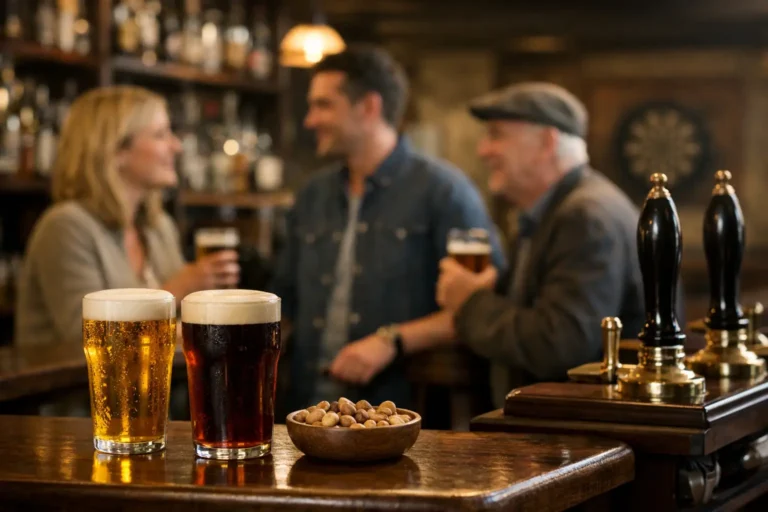
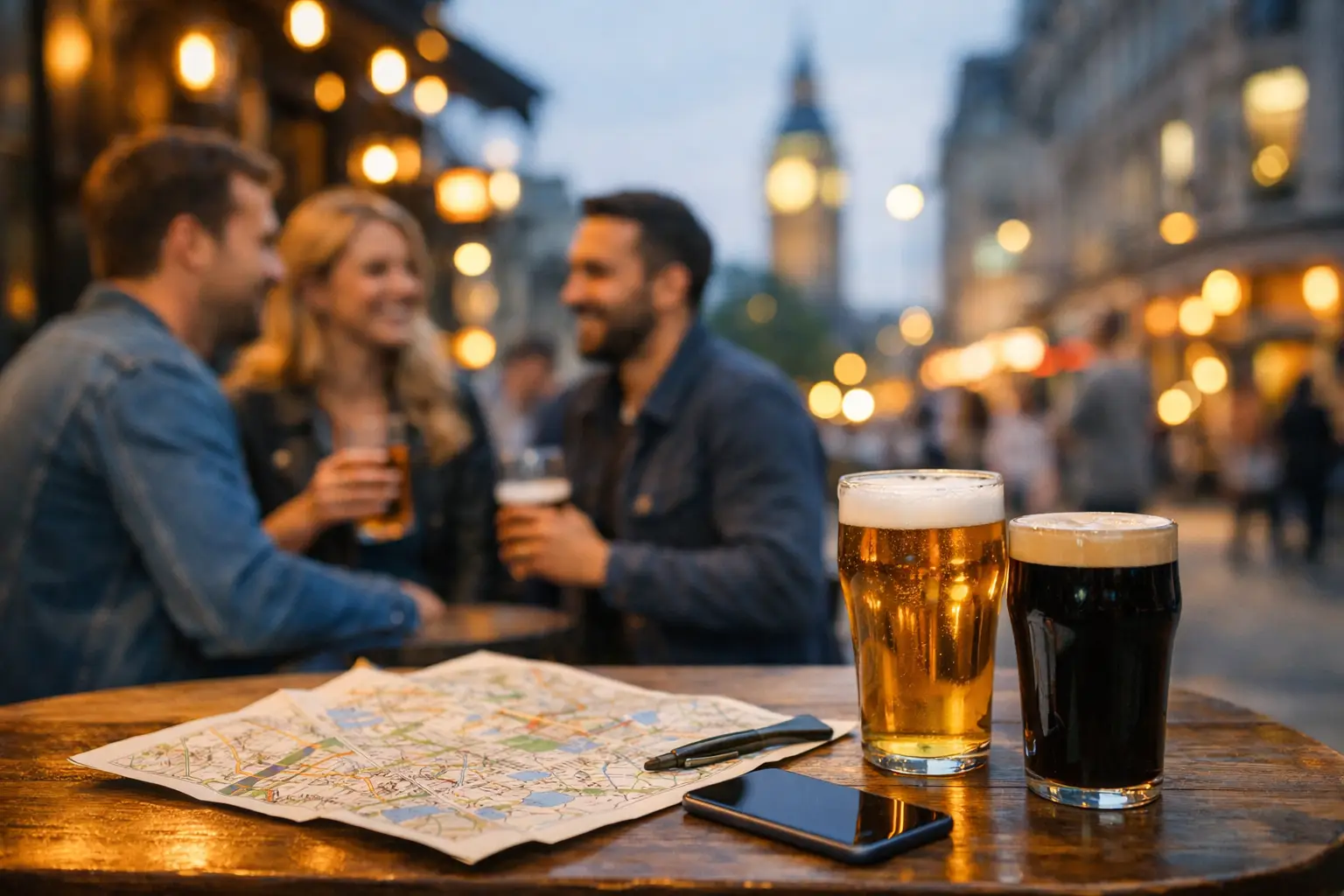
A good guide to city pub guides should save you from the familiar city-break mistake: spending half the afternoon walking between average venues while the genuinely brilliant pub was two streets away. The best guides do more than name popular places. They help you choose a pub that suits the moment, whether that means a quiet pint after a gallery visit, a decent Sunday lunch, a proper cask ale selection or a lively spot before the match.
City pubs come in every shape and size. A grand Victorian boozer, a tiny back-street local and a modern taproom can all be excellent, but not necessarily for the same plan. Reading a city guide with a bit of purpose makes the difference between a scattered night out and one you will want to repeat.
What makes a city pub guide worth using?
The most useful city pub guides are selective rather than sprawling. A list of 80 pubs may look thorough, but it is not much help when you are standing in the rain near the station deciding where to go next. Look for guides that explain why each pub has made the cut: the quality of the beer, the atmosphere, food, history, outdoor space, sport screens or its place on a sensible walking route.
A trustworthy guide should also be honest about the trade-offs. A famous historic pub may be worth seeing but get packed at peak times. A brilliant beer garden might be a little outside the centre. A food-led pub can be ideal for an early booking, yet less suitable for an impromptu round with friends. That context matters more than a vague claim that somewhere is simply “the best”.
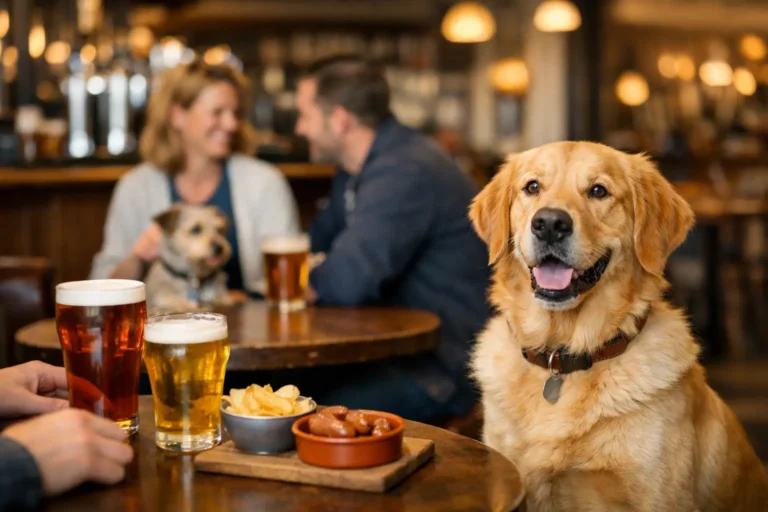
Local detail is another good sign. City centres change quickly, and the practical things count: whether a pub opens early, serves food all day, welcomes dogs, has accessible facilities, takes bookings or becomes standing-room-only on a Saturday evening. Community-submitted pub reviews can be especially useful here, as they often flag the details that a polished venue description misses.
Start with the occasion, not the postcode
Before picking a guide, decide what you actually want from the outing. Searching for the best pubs in a city is a decent starting point, but a more specific plan usually produces better results. A couple on a weekend break may want heritage, good food and a relaxed pace. A group of mates could be looking for a pub crawl route with enough variety and no need for taxis. A cask ale fan may happily travel further for a well-kept cellar and an interesting changing range.
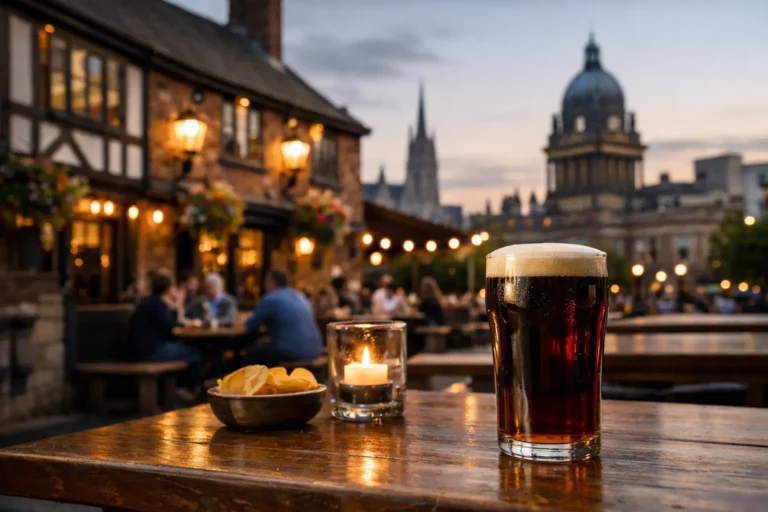
Think about the mood as well as the beer. If conversation is the point, avoid choosing every stop from a guide to sports pubs or late-night venues. If you want to watch football or rugby, check that the guide mentions match-day atmosphere rather than assuming every city-centre pub shows the game. For a sunny afternoon, a list focused on beer gardens is more useful than a general round-up, particularly in cities where outdoor tables disappear quickly.
The strongest guides are often themed. Historic pub guides, craft beer selections, cosy winter locals and dog-friendly pub round-ups give you a clearer route into a city than one giant catch-all list. Use a general city guide to get your bearings, then narrow down by what suits your day.
How to read city pub guides like a local
A pub guide is not a fixed itinerary. Treat it as a well-informed shortlist, then make a few practical checks before setting off. Opening hours are the obvious one, especially on Sundays, bank holidays and midweek afternoons. Kitchen hours can be quite different from licensing hours, so do not assume a pub serving drinks until late will also be serving food.
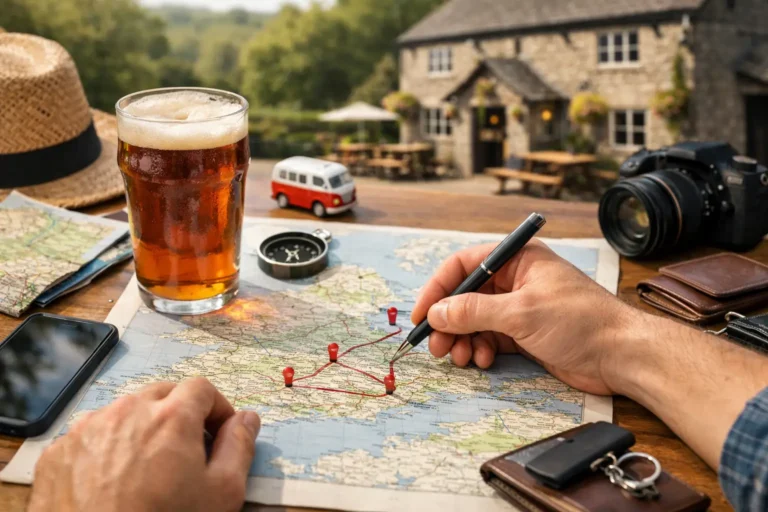
Pay attention to where pubs sit in relation to each other. On a map, two venues can look close, but a steep hill, a busy ring road or a river crossing can make the walk less appealing than expected. A sensible route generally has three or four stops within easy walking distance, with a natural starting point near your arrival point and an easy final stop close to transport home.
It also helps to vary the experience. Start in a traditional pub where you can settle in and decide on the day, follow with somewhere known for its beer range, then finish at a food-friendly pub or a comfortable local. That mix gives each stop a reason to be there. Visiting four pubs that all feel the same can make even a good crawl blur together.
Look beyond star ratings
Ratings are useful, but the written comments usually tell the fuller story. A four-star pub might be exactly right if reviewers praise its friendly staff, excellent ale and proper pub atmosphere, while noting that it is compact and busy on Friday evenings. That is valuable information, not a drawback.
Look for patterns across reviews rather than putting too much weight on one opinion. Repeated mentions of well-kept beer, welcoming service, good roast dinners or a pleasant garden are stronger signals than a single glowing line. Equally, comments about limited seating or noisy match days can help you decide when to visit rather than rule a pub out altogether.
Planning a city pub crawl without overdoing it
The best pub crawls are about discovery, not racing between bars. Leave room to enjoy each place, have some food and drink water along the way. Three well-chosen pubs can make a better afternoon than trying to tick off eight names from a list.
Build the route around a purpose. You might follow an old-town trail through historic inns, a railway-station-to-riverside walk, or an ale trail that moves from traditional bitter to independent brewery taps. Keep the walking realistic, particularly if anyone in the group has mobility needs or you are visiting an unfamiliar city after dark.
There is also no shame in changing the plan. A pub may be unexpectedly full, the weather may turn, or you may find a place so good that nobody fancies leaving. The guide should give you alternatives nearby, not make you feel locked into a checklist. If you are organising for a group, share the rough route in advance and agree on a meeting point for anyone arriving later.
For planning on the move, the Pubs Near Me: Pub Finder UK Android app can help you spot pubs nearby, save favourite pubs, build a crawl, track pubs visited and keep notes on the beers you have tried. It is particularly handy when a recommended stop is busy and you need a worthwhile back-up within a few minutes’ walk.
Match the guide to the city’s character
Every UK city has its own pub rhythm. In some places, the oldest and most atmospheric pubs sit close together around the historic core. Elsewhere, the interesting drinking is spread between neighbourhoods, converted industrial areas and independent brewery districts. A guide that understands this will tell you whether to stay central or head out for a more local feel.
Do not overlook pubs just beyond the obvious tourist streets. The city-centre landmark may be essential for its architecture or history, but a short walk can often lead to a quieter local with better space, stronger food or a more interesting drinks list. On the other hand, if you only have an hour before a train, a well-picked central pub is far more useful than chasing a hidden gem across town.
Season matters too. Beer gardens and riverside terraces shine in warm weather, while a pub with fireplaces, snug corners and a solid menu earns its place in colder months. During major sporting fixtures, city pubs can fill early, so a guide that identifies relaxed alternatives is worth its weight in crisps.
Make your own notes for the next visit
The most useful pub knowledge is shared. After a good city session, make a note of what worked: the pub with the best pint, the one with the unexpectedly good chips, the friendly bar staff, or the route that avoided a long detour. Leave a fair review if you can, focusing on your actual visit rather than expecting every pub to suit every occasion.
A well-used city pub guide should lead to better choices, not just more choices. Pick a route with room for conversation, support the places you genuinely enjoy and give yourself a reason to return. There will always be another pint worth finding, preferably when you have enough time to appreciate it.