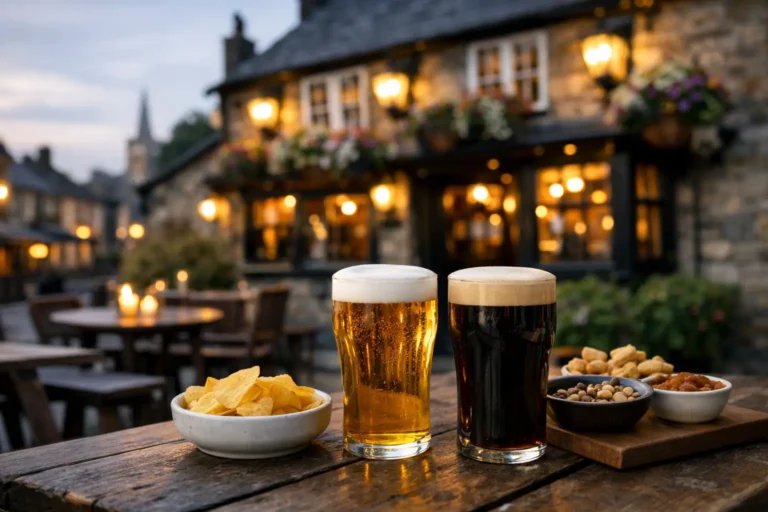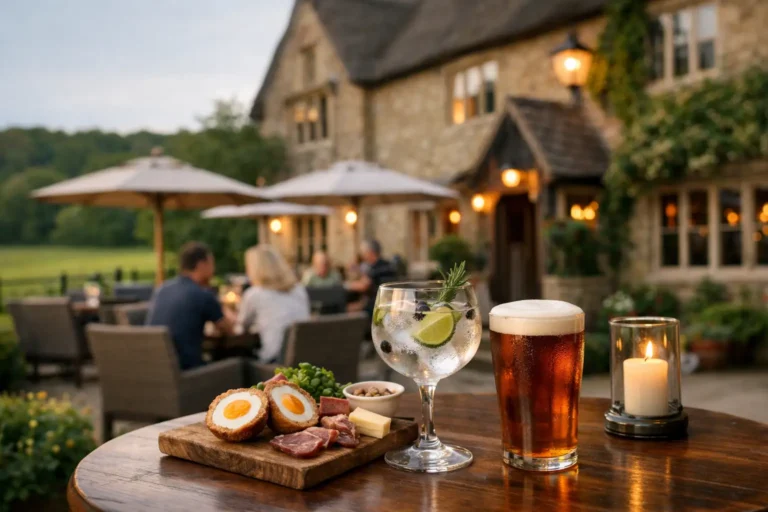
You know the feeling when a pub just clicks. Not because it has the biggest beer list in town or the loudest social feed, but because the pint is kept properly, the room has a bit of life to it, and you immediately think, this is a good find. That is usually what people mean when they search for the best hidden gem pubs – places with real character that are easy to miss if you only stick to the obvious names.
The tricky bit is that a hidden gem is not always literally hidden. Sometimes it sits on a side street five minutes from a busy station. Sometimes it is in plain sight but ignored because a newer, shinier venue has taken the attention. And sometimes a so-called secret pub is all over social media and no longer much of a secret at all. Finding the right one takes a bit more than typing “pub near me” and walking to the first result.
What makes the best hidden gem pubs stand out
A proper hidden gem pub tends to get the basics right before it worries about trends. The welcome matters. So does the condition of the beer, the comfort of the space, the noise level, and whether the pub feels like it knows what it is. A tiny cask ale pub with worn carpets and a pie menu can be far more memorable than a polished venue trying to be three different things at once.
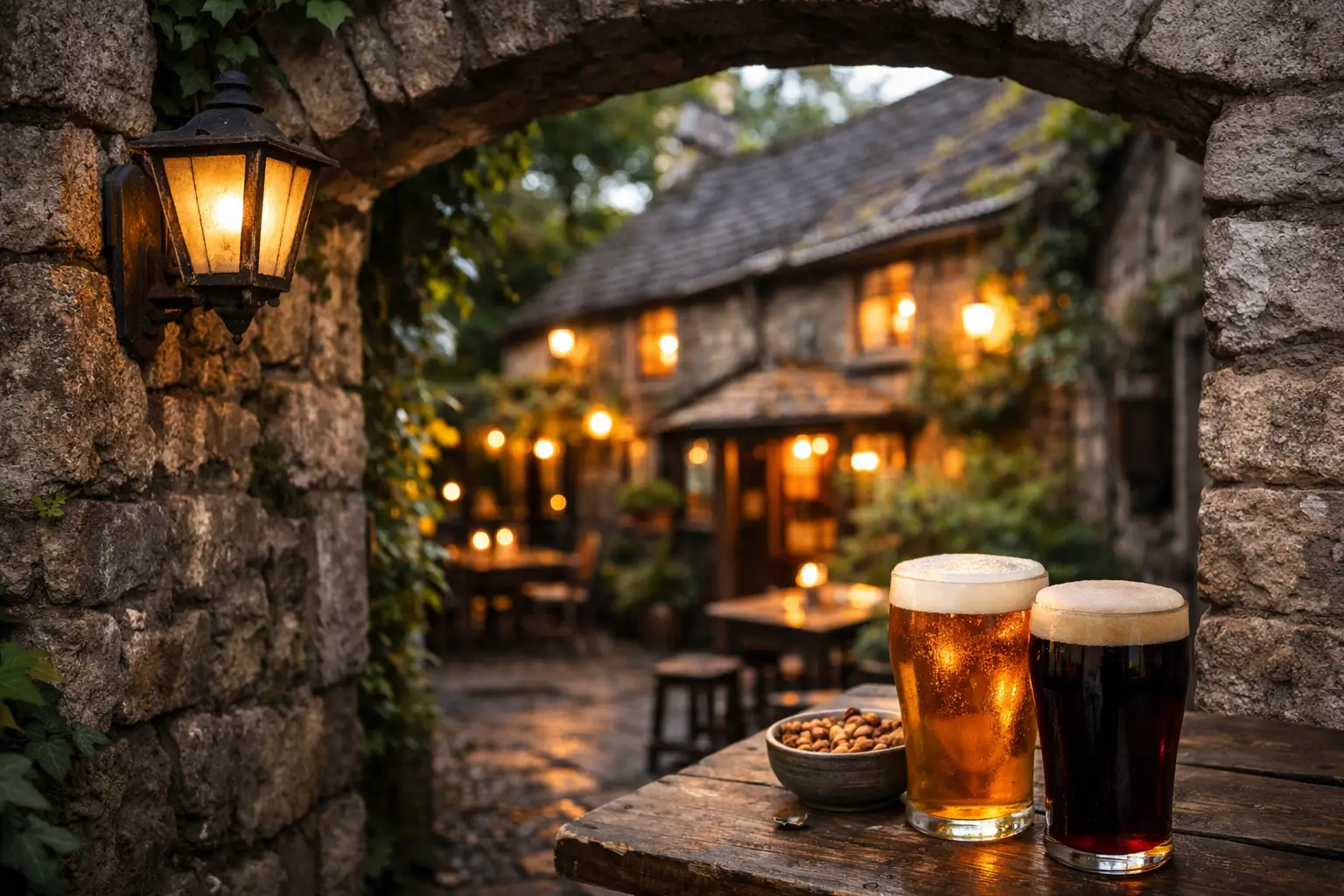
Character is usually the big difference. That might mean low beams, old mirrors and a fire in winter, but it can just as easily mean a backstreet taproom with knowledgeable staff and a loyal local crowd. Hidden gems are not one fixed style. What they share is a sense of identity.
It also helps when the pub serves a clear purpose. Maybe it is the best stop on a weekend ale trail, a brilliant pre-match pint spot, or a quiet place for a Sunday afternoon. Pubs that know their crowd tend to do the simple things better.
Why the obvious choices often miss the mark
Popular pubs are popular for a reason, and some deserve every bit of their reputation. Still, if you only follow top search results in busy city centres, you can end up in places that feel more convenient than distinctive. Menus become generic, drinks ranges look similar, and atmosphere can depend entirely on how packed the place is.
That is where hidden gem hunting becomes useful. You are looking for pubs that offer something more personal – a landlord who cares about the cellar, a room layout that encourages conversation, or a long-standing local reputation that has not been flattened into a marketing line.
There is a trade-off, mind. Hidden gems sometimes have shorter opening hours, smaller food menus or less polished websites. If you want slick booking systems and predictable chain-style consistency, a lesser-known pub may not always be the right fit. But if your priority is atmosphere and authenticity, that trade-off is often worth it.
How to spot hidden gem pubs before you visit
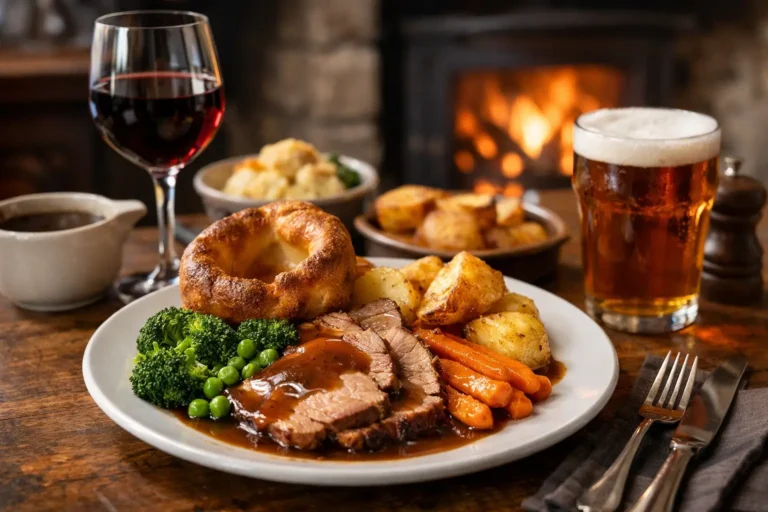
The best clue is usually not a glossy description. It is the detail around the edges. Look for reviews that mention the quality of the pint, the friendliness of staff, the feel of the regular crowd, or specific strengths such as a cracking beer garden or excellent Sunday roast. Those comments tend to be more useful than vague praise.
Photos can help too, but not always in the way people expect. A hidden gem pub may not have professionally styled images, and that is fine. What you want to see is whether the pub looks lived in, comfortable and cared for. If every photo focuses on neon signs and posed cocktails, it may be aiming for something different.
Menus and beer boards tell their own story. A short but thoughtful cask selection, local breweries on rotation, or a food offer that matches the pub rather than trying to copy a gastropub template can all be positive signs. A pub does not need fifty taps to be worth your time.
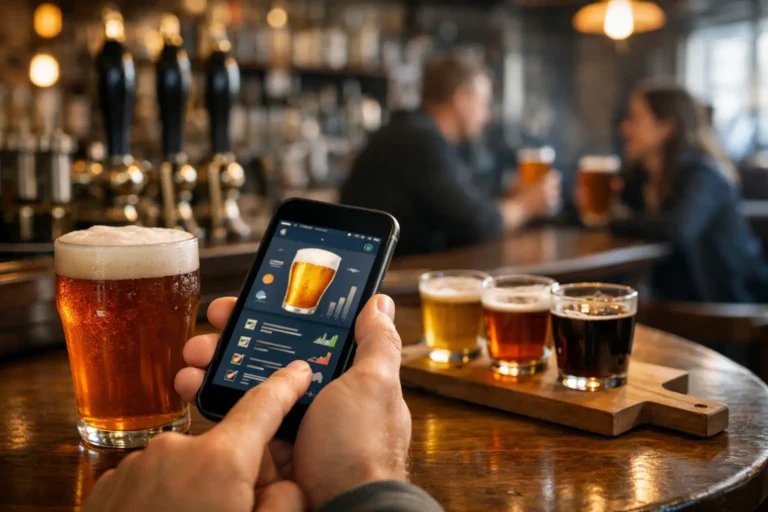
If you are planning a day out, this is where a pub finder app becomes handy. Being able to compare nearby options, save favourite pubs and track pubs visited makes it much easier to build your own shortlist rather than relying on whichever venue shouts the loudest online.
Best hidden gem pubs are usually found by going one street further
That sounds obvious, but it is surprisingly reliable. The pub right outside the station or on the main square gets the passing trade. The one ten minutes away often has to earn loyalty. In a lot of UK towns and cities, that is where you find better kept beer, fairer prices and a more settled atmosphere.
This matters especially on city breaks. If you are in places like York, Manchester, Edinburgh or Bristol, the centre is full of decent pubs, but the real standouts are often just beyond the busiest drag. Not miles away. Just far enough that people have chosen to be there.
That does not mean you should avoid central pubs altogether. Some city-centre boozers are absolute classics. The point is to widen the search slightly. A single extra street can make the difference between a functional pint and a pub you end up talking about afterwards.
Ask what the pub is good at
A hidden gem rarely tries to do everything. One place may be brilliant for cask ale but quiet on food. Another may be ideal for a roast and a couple of pints but less suited to a late-night crawl. If you know what sort of visit you want, you can judge pubs much more fairly.
This is also why broad “best pub” lists can be hit and miss. Best for what? A date, a football crowd, a quiet catch-up, local beer, a dog-friendly stop after a walk? Context matters, and hidden gems tend to shine most when the setting suits them.
Pay attention to community signals
Good pubs usually leave a trail. Local recommendations, repeat visitors, regular events and trusted word of mouth still count for a lot. If the same names keep coming up in local chat, ale circles or neighbourhood recommendations, that is often a stronger signal than a flashy ranking.
Community-led pub discovery is especially useful in places that do not get covered heavily in travel guides. Smaller towns, suburban neighbourhoods and edge-of-centre areas often have superb pubs that would never appear on a generic tourist list.
Red flags when searching for hidden gem pubs
Not every under-the-radar pub is a winner. Sometimes a place is quiet because it is simply average. That is why balance matters. Sparse reviews, inconsistent comments about service, or repeated mentions of poor beer quality should give you pause.
Another red flag is when the branding sells the place as a secret experience rather than letting the pub speak for itself. If every bit of promotion pushes the “hidden gem” label, it can feel a bit forced. Truly good pubs usually earn that description from customers, not from their own copy.
It is worth checking practical details as well. Opening times, food service days and whether the pub is walk-in only can all shape the visit. There is nothing romantic about trekking across town for a pint and finding the doors shut on a Monday afternoon.
Finding hidden gem pubs for different occasions
The sort of pub that feels like a gem on a rainy Tuesday may not be the same one you want for a Saturday session with friends. Cosy locals come into their own in colder months, while a tucked-away pub with a strong garden can be gold in summer. Likewise, a historic pub with quiet corners suits a slower afternoon, but a compact ale house with standing room and lively chat may be better for a crawl.
That is where planning helps. If you are building a route, save a few pubs with different strengths rather than chasing one perfect place. A pub crawl works better when there is variety – one classic boozer, one cask-led stop, one pub with decent food, one with outdoor space if the weather behaves.
Using an app to map pubs nearby and save favourites can take some of the faff out of that. It is especially useful in unfamiliar cities where good pubs are scattered between obvious nightlife spots and quieter local streets.
The best hidden gem pubs feel personal, not exclusive
There is a difference between a pub with character and a pub that makes newcomers feel they have walked into someone else’s private club. The best hidden gem pubs manage to feel rooted in their local crowd while still being welcoming if you are visiting for the first time.
That balance is a big part of what makes a pub memorable. You want somewhere with regulars, rhythm and personality, but also somewhere you can settle into without feeling out of place. A nod at the bar, a bit of honest advice on what is pouring well, and a room that invites you to stay for one more half can go a long way.
For all the talk of secret spots and tucked-away boozers, the real skill is not finding the rarest pub. It is finding the one that suits the moment, keeps a good pint and gives you a reason to come back. Start with curiosity, go a little beyond the obvious, and trust the places that feel like they belong where they are.