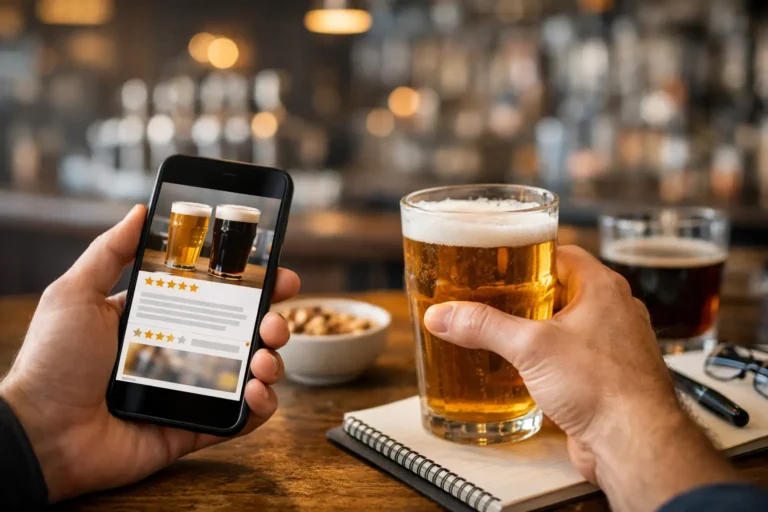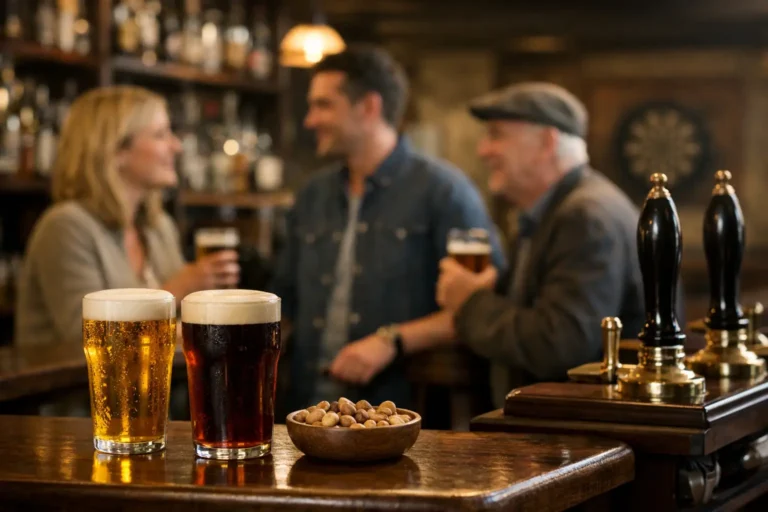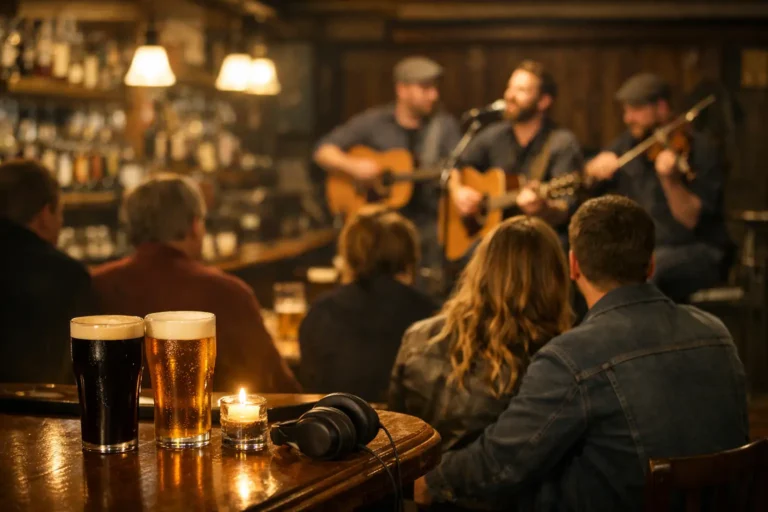
A craft beer list used to mean a couple of unfamiliar bottles beside the lager fridge. Now, the most interesting pubs are treating beer with the same care once reserved for wine, whisky or a proper Sunday roast. These craft beer pub trends are changing what people expect from a local: more choice, better-kept beer, knowledgeable staff and a reason to stay for a second pub rather than heading straight home.
That does not mean every pub needs twelve shiny taps and a menu written in tiny type. The best changes are often the ones that still feel like a pub. A good cask bitter, a well-poured stout and a friendly welcome matter just as much as a rotating pale ale from a brewery 40 miles away.
Craft beer pub trends are becoming more balanced
The early craft beer boom sometimes felt geared towards strength, novelty and the next limited release. There is still a place for a big imperial stout or a double IPA, but many UK drinkers are now looking for something more practical: a pint they can enjoy over a chat, a beer that suits food, and a choice that does not leave them overwhelmed at the bar.
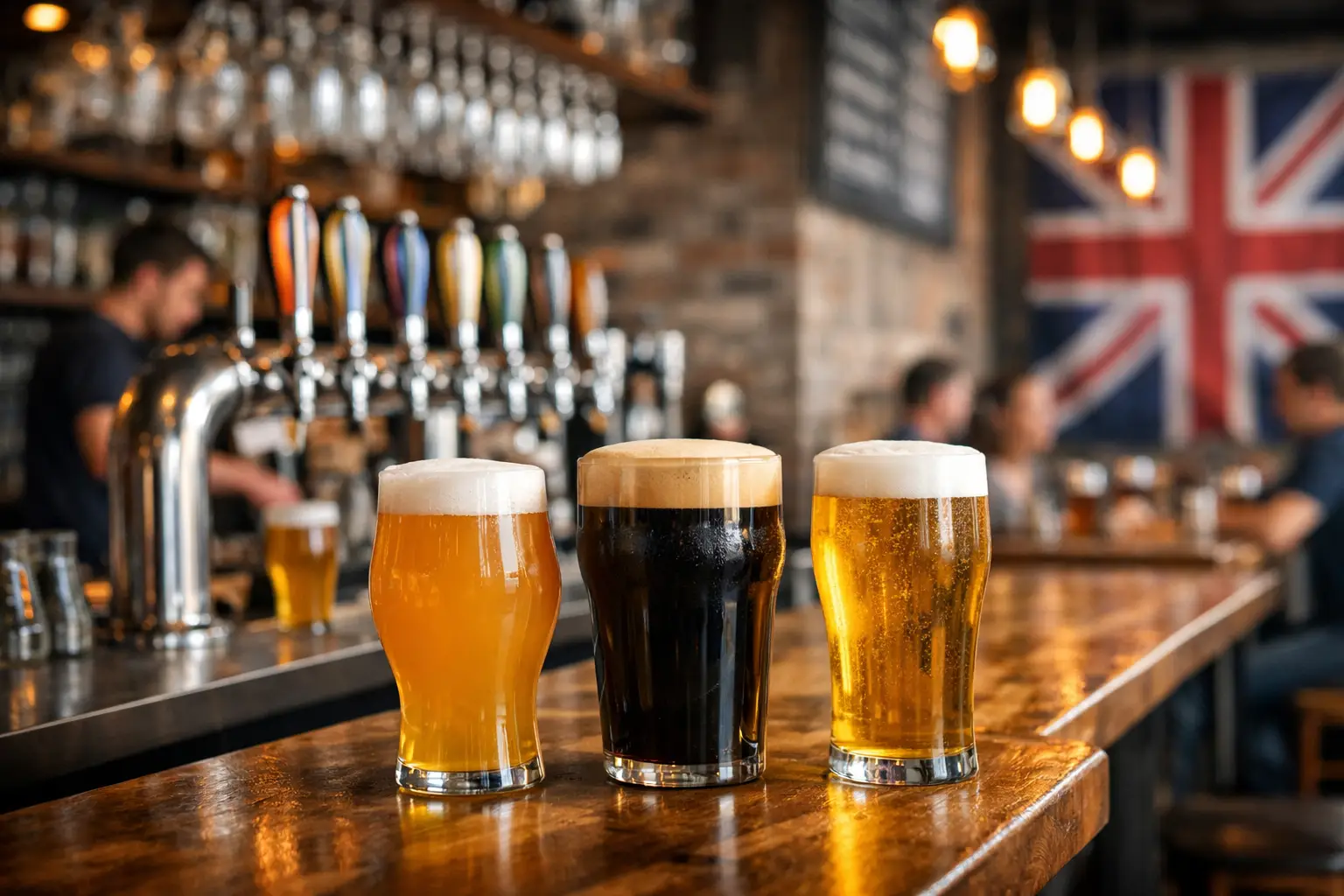
That is why balance is one of the strongest trends. Pubs are increasingly mixing modern beer with familiar formats. A line-up might include a cask pale ale, a session IPA, a traditional porter, a gluten-free option, a lager from an independent brewery and one rotating keg tap for seasonal releases. It gives regulars dependable choices while offering visiting beer fans something new.
For pub-goers, this is good news. You do not need specialist knowledge to order well. Ask what is fresh, what the team are enjoying, or whether there is a lighter option alongside the stronger beers. A decent pub should be happy to talk you through it without making a fuss.
Sessionable beer is back at the centre of the bar
Lower-strength beer is no longer an afterthought. Well-made pale ales, table beers, milds and lagers around the 3% to 4.5% mark fit how many people actually use pubs: meeting friends after work, stopping during a weekend walk, or taking in a few venues on a city break.
This is not a move away from flavour. Brewers have become better at building character into lighter beers, using hops for citrus, pine, floral or soft tropical notes without pushing the alcohol level ever higher. For a pub, sessionable options also make commercial sense. They encourage a relaxed, sociable visit rather than turning every choice into a statement beer.
Smaller pours make trying new beer easier
Thirds and halves have become a normal part of the craft beer pub experience, especially where the list changes frequently. They let people explore a few styles without committing to a full pint of something they may not enjoy. That is particularly useful with sour beer, Belgian-style ales, barrel-aged stouts and stronger IPAs, where a little can go a long way.
There is a trade-off. Smaller pours can make a round more expensive than expected, and not every beer is at its best in a tiny glass. But when pubs price them fairly and serve them properly, they make the bar more welcoming to newcomers. A tasting flight can be enjoyable too, provided it is not treated as a race through the menu.
If you are planning an afternoon around several pubs, smaller measures are a sensible way to sample local beer while keeping the day enjoyable. Build in food, water and time between stops. The aim is to remember the places worth returning to.
Local breweries and rotating taps give pubs a sense of place
One of the more encouraging craft beer pub trends is the renewed focus on nearby breweries. A pub does not have to stock only local beer, but a few regional taps can give visitors a better feel for where they are. A Manchester pub pouring beers from Greater Manchester, a Bristol bar with West Country options, or a Scottish local championing independent breweries from nearby towns has a story that a generic tap list cannot match.
Rotating taps keep that story moving. They give landlords room to respond to the season, bring in a new brewery, or replace a beer that is not selling. The best venues avoid changing things simply for the sake of it. A couple of familiar house favourites alongside genuinely fresh guests is usually the sweet spot.
For regulars, this means there is always a reason to look at the board. For visitors, it makes pub discovery more rewarding than ticking off the same national brands in every town. Community recommendations are especially useful here, as beer lists can change far faster than a printed guide.
Cask ale and craft beer are sharing the same bar
The idea that cask ale and craft beer belong to separate tribes is increasingly out of date. Plenty of modern breweries make excellent cask pale ales, porters and bitters, while traditional pubs are adding a carefully chosen keg line without losing their character.
What matters is condition and turnover. A beautifully kept cask beer will beat a fashionable keg beer that has sat too long, every time. Equally, a pub that keeps a small number of lines exceptionally well is often a safer bet than one promising endless variety. Ask for a taste where it is offered, and trust your own preference rather than chasing a style because it is fashionable.
This blended approach is particularly useful for groups. One person may want a classic bitter, another a hazy IPA, and someone else a crisp lager. A pub that caters for all three without becoming a faceless bar has found a very good balance.
Better food is shaping where people drink
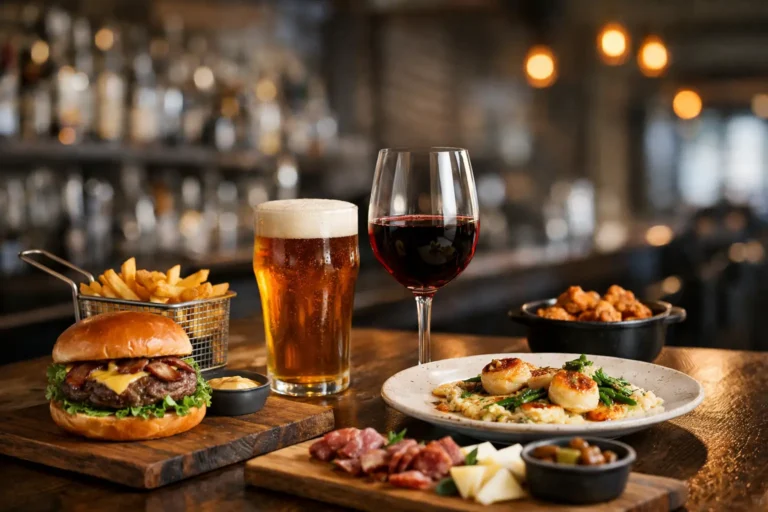
Craft beer is increasingly part of the food offer, not an add-on. Pubs are pairing sharp pale ales with spicy dishes, dark beers with rich pies or puddings, and clean lagers with sharing plates. The most successful beer-led pubs understand that food gives an outing a longer, more relaxed rhythm.
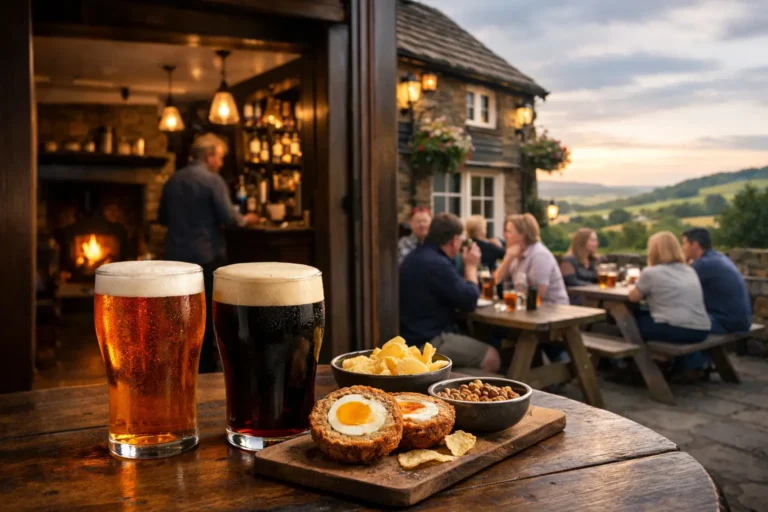
There is no need for forced pairings or complicated menus. A proper burger, a good Scotch egg, a thoughtful toastie or a seasonal roast can be enough when it is well done. What helps is a menu that acknowledges beer rather than treating it as something people drink before dinner elsewhere.
For those organising a pub crawl, food stops deserve as much attention as the beer list. A route with one substantial meal stop and a few easy snack options is far more likely to remain enjoyable from first pint to last train.
Alcohol-free choices are now part of a good pub range
A strong alcohol-free beer selection is one of the clearest signs that a pub is thinking about the whole group. The quality has improved sharply, particularly among pale ales, lagers and stouts, and there is less reason for anyone taking a break from alcohol to settle for a fizzy soft drink all evening.
It is not just about designated drivers. Some people alternate alcoholic and alcohol-free drinks, others are cutting down, and plenty simply want a good beer taste on a weekday. Pubs that offer proper choice make it easier for everyone to stay involved in the social side of the visit.
A good range does not need to be huge. One reliable alcohol-free lager and one flavourful pale ale can cover a lot of ground, especially if staff know what is available and the beer is served with the same care as everything else.
The pub experience matters as much as the tap list
Beer may get people through the door, but atmosphere decides whether they return. The craft-focused pubs worth seeking out tend to get the basics right: comfortable seating, clean glassware, a board that can be read without squinting, and staff who are friendly rather than performative about beer.
There is also a growing appetite for spaces that work at different times of day. A quiet afternoon pint, a dog-friendly table after a walk, a lively Friday gathering and a low-key Sunday roast all need slightly different things. Some pubs manage this through separate rooms, beer gardens or a thoughtful layout. Others simply have the confidence not to turn the volume up too early.
When comparing pubs, look beyond the number of taps. Check recent pub reviews for comments on service, atmosphere, food and accessibility as well as beer. The best venue for a serious tasting session may not be the best place for a family lunch or a catch-up with friends.
How to find pubs that are getting it right
The most useful clue is consistency. Look for a pub with a clear identity, a well-kept core range and enough rotation to stay interesting. A specialist beer bar can be brilliant for exploration, while a traditional local with two outstanding cask lines may offer the more satisfying pint. It depends on the occasion, who you are with and how far you are travelling.
If you like keeping notes on good finds, the Pubs Near Me: Pub Finder UK Android app can help you find nearby pubs, save favourites, build a route for a pub crawl and track beers and venues you have visited. It is especially handy when a promising side street turns into an unplanned but excellent stop.
The real appeal of modern craft beer in British pubs is not that every pint must be new. It is that more pubs are giving drinkers a genuine choice while holding on to the reasons we love pubs in the first place: good company, a comfortable seat and a beer worth talking about.