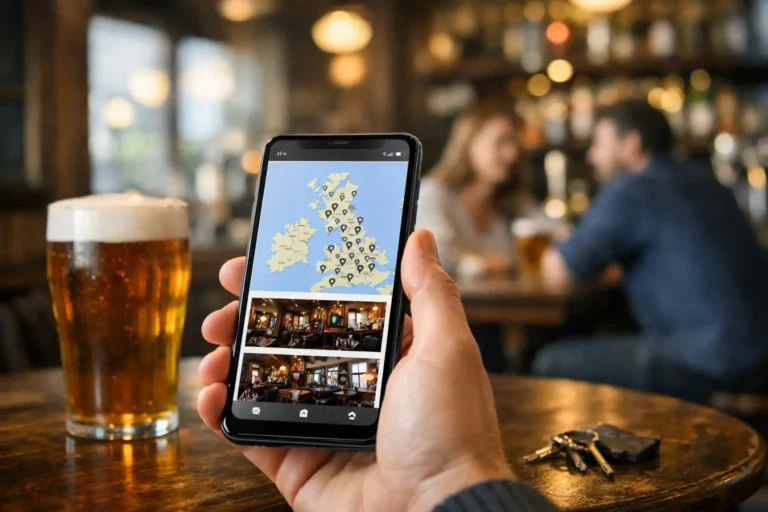
A good pub plan usually starts the same way – someone says, “Let’s just find somewhere decent nearby,” and five minutes later you’re scrolling through a muddle of generic listings, cocktail bars and places that call themselves gastropubs but feel more like chain restaurants. That is exactly where a best pubs in the UK map earns its keep. If you want proper pub discovery rather than random guesswork, seeing strong venues laid out by area makes the whole thing quicker, clearer and far more enjoyable.
A map works because pubs are rarely chosen in isolation. You might be looking for one reliable local in a new city, but just as often you’re planning a Saturday crawl, a weekend away, a countryside stop after a walk or a few dependable options near a station. In all those cases, location matters almost as much as the pint itself. A great pub can be less useful if it is awkwardly placed, miles from the rest of your plans or surrounded by better alternatives you did not know about.
Why a best pubs in the UK map is more useful than a simple list
Lists are handy when you want a quick starting point. The problem is that a list of the “best pubs” in Britain can flatten everything into one long ranking, as if a city-centre cask ale pub in Sheffield should be judged in exactly the same way as a remote Highland inn or a riverside boozer in London. A map adds context.
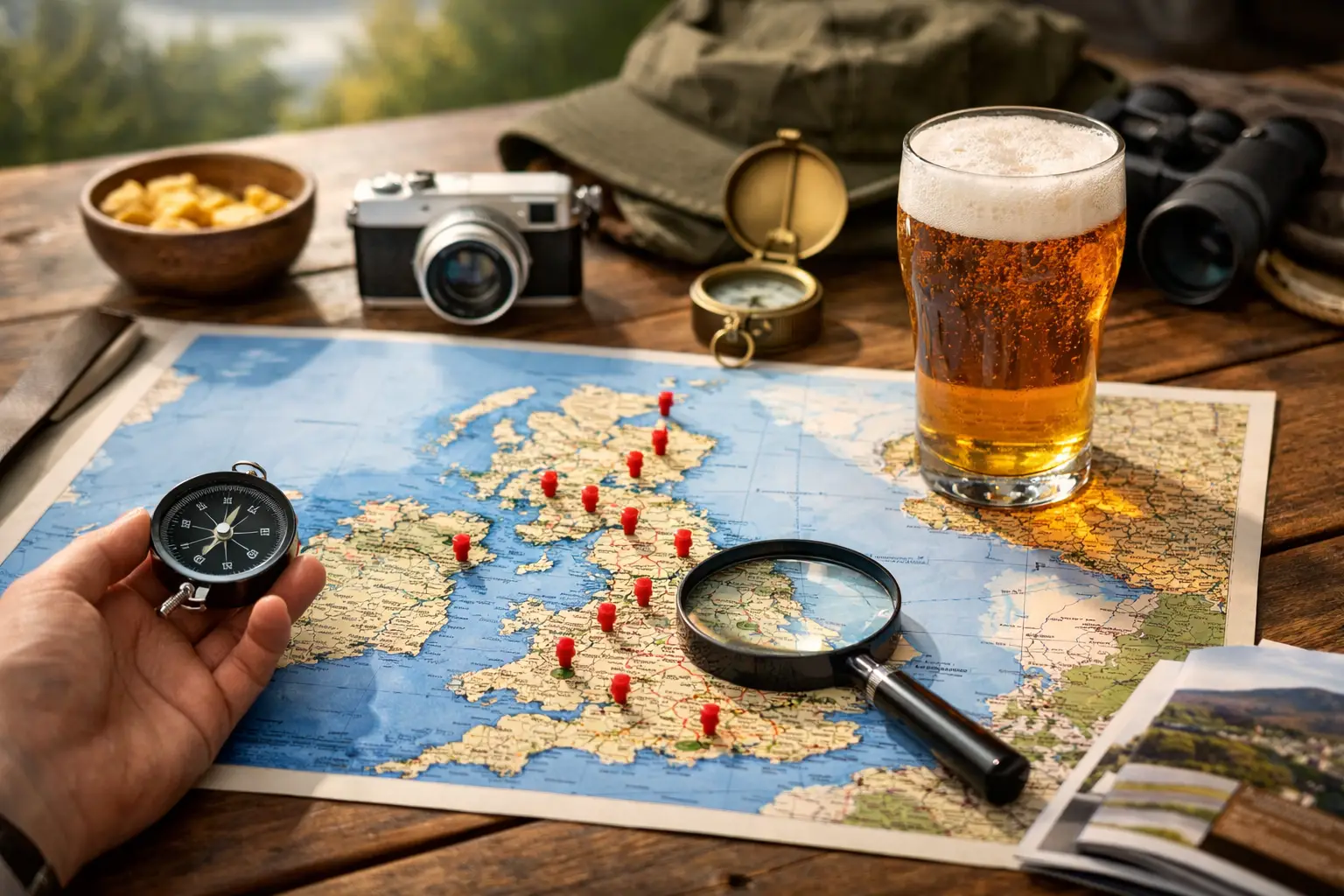
Once pubs are plotted geographically, patterns appear straight away. You can see clusters of historic pubs in older city centres, beer-led neighbourhoods with several worthwhile stops within walking distance, and rural areas where one excellent pub is the destination rather than part of a circuit. That helps you make better choices based on the day you actually want to have, not just on a headline recommendation.
It also stops the common mistake of chasing prestige over practicality. Plenty of famous pubs are worth a visit, but not every celebrated venue suits every occasion. Some are brilliant for atmosphere and history but less ideal if you want a quiet catch-up, food-heavy stop or easy train access. With a map, you can weigh quality against convenience in a way a straight list cannot match.
What makes a pub worth pinning on the map
Not every well-known pub belongs on a genuinely useful map. If the aim is helping people find places they will actually enjoy, the pins need to stand for more than popularity. A decent UK pub map should reflect atmosphere, consistency, location and purpose as much as reputation.
Character matters. That does not always mean beams, fireplaces and centuries of history, though those certainly help. It means a pub feels like itself. Maybe it is a proper cask ale house with a loyal local crowd, a smart but unfussy food pub, a music-led spot with real personality, or a neighbourhood local that gets the basics right every time.
Quality in the glass matters too. A pub can have all the charm in the world, but if the beer is badly kept or the offering feels lazy, it drops down the pecking order. For many pub-goers, especially when travelling, a mapped recommendation should signal that the venue is consistently worth the stop.
Then there is usefulness. A pub near a station, football ground, walking route or city-centre cluster often deserves attention because it fits naturally into how people move around. That does not make it better than a hidden village gem, but it does make it easier to recommend in a practical guide.
How to use a map to plan a better pub day
The best approach is to start with the kind of outing you want, then use the map to narrow down the right area. If you begin by searching for the single “best” pub in a city, you can end up travelling across town for one venue when there were three strong options near your hotel all along.
For city breaks and weekends away
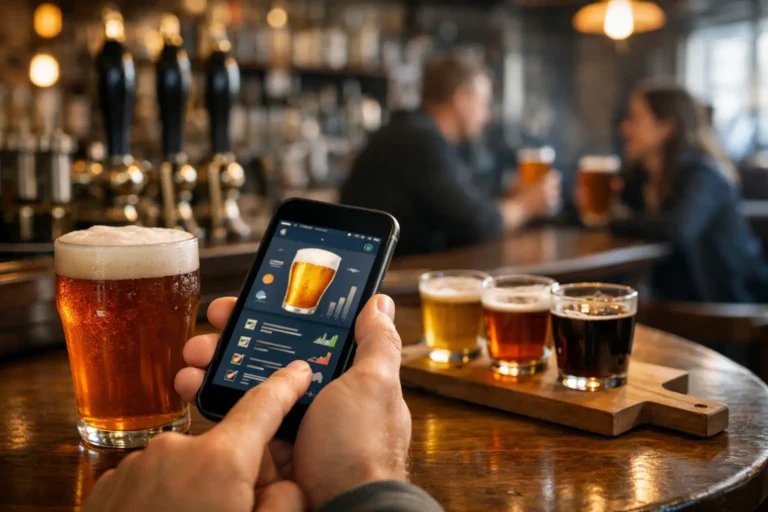
Use the map to build around where you are staying and how far you actually want to walk. In places like Manchester, Edinburgh, York or Bristol, a compact cluster of very good pubs often beats one big-name venue plus a lot of wandering. Look for a mix – perhaps a historic stop, a strong cask ale pub and a more relaxed final pint somewhere with good food or a bit more space. Here you gave our android app where you can find nearby pubs and rate or review them! Also look at tracking beers and visits. You can download it free HERE
This is where mapped discovery really helps. You can spot whether the old town has the charm but higher prices, whether the station quarter has dependable traditional pubs, or whether a slightly less central district offers better value and fewer crowds.
For pub crawls
A map is far better than a ranked article when you are planning multiple stops. The goal is not only finding quality pubs but linking them sensibly. Four excellent pubs spread across a city can make a poor crawl. Four very good pubs within fifteen minutes of each other can make a cracking afternoon.
It also helps you avoid route killers. A steep uphill trek, a dead zone between venues or a final stop miles from public transport can take the shine off the day. Seeing the route plotted before you set off saves a lot of that.
For countryside pub trips
Rural pub maps are less about density and more about destination value. You might be planning around a walk, a coastal drive or a market town. In those cases, a pin tells you where to anchor the day. One standout pub with good food, local ales and decent access can matter more than several average options nearby.
There is a trade-off, though. Some rural pubs are excellent because they are tucked away and unspoilt. That same charm can mean limited opening hours, patchy transport or a need to book ahead for food. A map gets you started, but it still pays to check the practical details before setting off.
The regions where pub maps really come into their own
The idea works nationwide, but some areas benefit especially well from a mapped approach. London is the obvious one. There are simply too many pubs, and a list without neighbourhood context is not much help. A map lets you separate the tourist-heavy classics from genuinely worthwhile local clusters in places such as Clerkenwell, Soho, Bermondsey or Hampstead.
Northern cities also suit this format brilliantly. Liverpool, Leeds, Newcastle and Sheffield all reward pub-goers who understand where the better concentrations are. In those places, a short walk can take you from a brilliant traditional ale house to a forgettable generic bar if you are not careful.
Historic smaller cities are another strong use case. Places like Chester, Bath, Durham and York have standout pubs, but they also attract visitors who do not know the layout. A map helps you make the most of limited time and avoid spending half your afternoon in queues for the most obvious spots.
Then there is the wider regional picture. A proper UK pub map should not stop at major cities. It should also reflect coastal pubs in Cornwall, market town favourites in the Midlands, whisky-country inns in Scotland, village pubs in the Cotswolds, and characterful stops across Wales and Northern Ireland. Britain’s pub culture is too varied to be reduced to a handful of urban names.
What to watch out for when using any pub map
A map can be brilliant, but only if the recommendations behind it are trustworthy. That sounds obvious, yet plenty of pub content is still skewed by tourist popularity, outdated reviews or broad hospitality listings that do not really understand pubs.
Look for signs of editorial judgement. A useful map should distinguish between a proper pub and a bar that happens to serve lager. It should reflect atmosphere and pub identity, not just star ratings. Community input can help as well, particularly when it flags recent changes in beer quality, food consistency or whether a once-great local has lost a bit of its spark.
It is also worth remembering that “best” depends on what you value. If you love cask ale, your perfect map may look very different from someone chasing great roast dinners, live sport or dog-friendly beer gardens. The smartest pub maps leave room for those differences rather than pretending one style suits everyone.
That is why category-based mapping tends to be more useful than one grand national ranking. Best historic pubs, best beer gardens, best station pubs, best pubs for food, best hidden gems – those are often more practical filters because they match real reasons people go out.
Why community-backed pub maps tend to be strongest
The best recommendations usually come from a mix of editorial curation and people who actually use the pubs. Locals know which venues still pour a good pint on a Tuesday, which pub gets too packed after work, and which so-called hidden gem stopped being hidden years ago. Editors, meanwhile, help keep standards consistent and stop maps turning into a popularity contest.
That balance matters. A purely crowd-sourced map can become noisy and inconsistent. A purely editorial one can miss the small changes regulars notice first. Combined properly, though, you get something much closer to what pub-goers actually need – reliable recommendations grounded in real experience.
For anyone using Pub Reviews UK or any similar discovery tool, that is really the appeal. You are not just looking for a pub. You are looking for the right pub in the right place for the kind of day you want to have.
A best pubs in the UK map is not really about chasing a definitive winner. It is about making better choices, wasting less time and finding those places you would happily return to, recommend to a mate, and build another day out around.