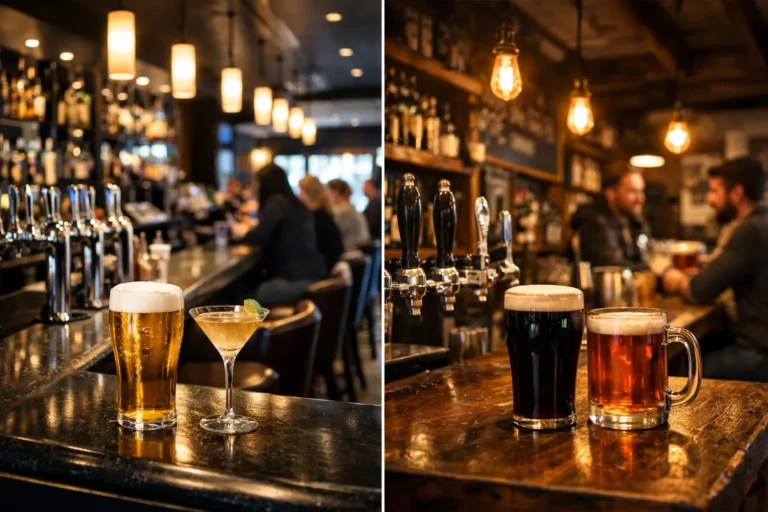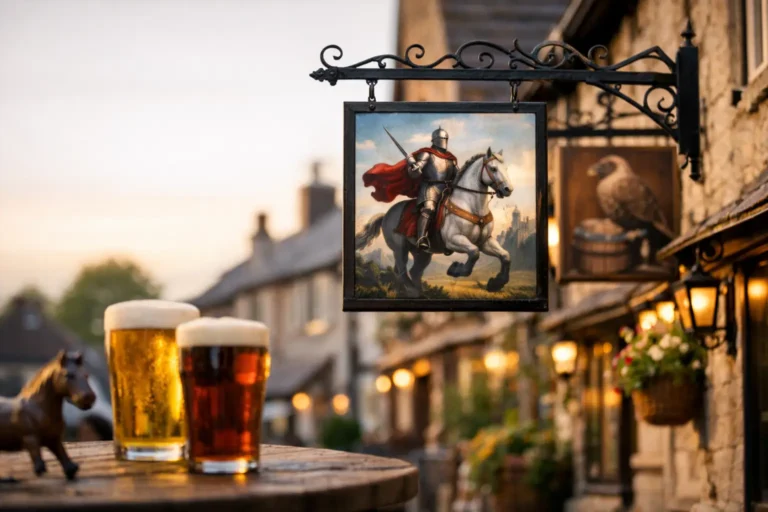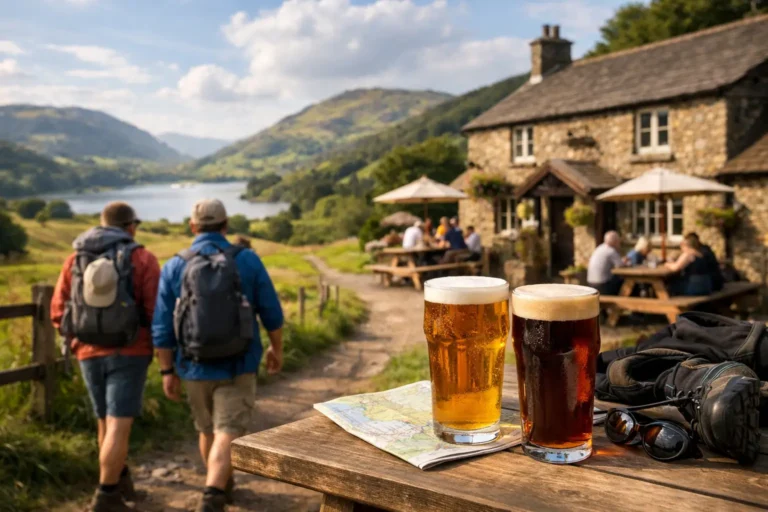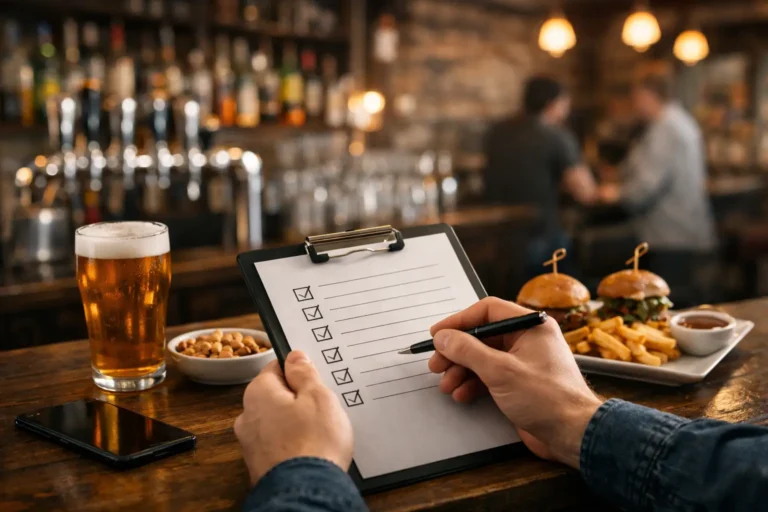

A brilliant-looking pub can be exactly wrong for the night you have planned. The historic inn with superb cask ale may be miles from your group’s next stop, while the lively city-centre bar with a smaller beer range could be perfect before a gig. That is where the pub guide versus pub review question matters: both help you find better places to drink, but they answer different questions.
A guide helps you choose between pubs before you set off. A review helps you understand what one particular pub is really like once it has caught your eye. Used together, they make planning easier, whether you are after a quiet Sunday pint, a dog-friendly lunch, a proper ale trail or a relaxed afternoon in the beer garden.
Pub guide versus pub review: the essential difference
A pub guide is built around discovery. It gathers a selection of venues under a useful theme, place or occasion: the best pubs in Manchester, historic pubs in York, dog-friendly pubs in Bristol, proper football pubs near a stadium, or a weekend pub crawl in Edinburgh. Its job is to narrow a wide choice into a shortlist that suits a clear need.
A pub review is a closer look at one venue. It explains the character of the pub, what it does well, what sort of visit it suits and any practical details worth knowing. A useful review might cover the real atmosphere on a Friday evening, the condition and range of cask beer, how food fits into the experience, whether booking is sensible and whether the garden is somewhere you would genuinely want to linger.
Neither is inherently better. If you have no idea where to begin, a guide is more useful. If you are deciding whether to make a detour to a specific pub, a review gives the detail you need.
When a pub guide is the better starting point
Think of a guide as a well-informed mate who knows the area and understands that not every good pub is good for every occasion. It gives you options rather than pretending there is one universal winner.
Guides are especially handy when you are visiting a town or city you do not know well. A search for the best pubs in Manchester, for example, can uncover a mix of traditional boozers, craft beer bars, food-led pubs and late-opening spots. That range lets you decide whether your priority is Victorian tiles, a Sunday roast, a quiet pint or somewhere with enough room for a group.
They also make themed searching much more practical. If a friend has brought their dog, a general list of city pubs is less useful than a dog-friendly pub guide that considers space, welcome, nearby walks and whether dogs are accepted inside. If you are chasing well-kept real ale, an ale trail is more useful than a broad nightlife round-up because it puts beer quality and variety at the centre.
For pub crawls, guides are usually the sensible first move. A strong crawl needs more than a list of famous names. You need venues that are reasonably close together, work in a logical order and offer enough variety to keep the afternoon interesting. One stop might be a heritage pub, the next a modern taproom and the last a comfortable place for food. A city guide can suggest that shape before you start checking the individual details.
A guide does have limits. It cannot tell every reader exactly how busy a pub will feel at a particular hour, whether a certain member of staff is working, or whether one changing guest beer happens to be on at the moment. It is a curated route into an area, not a promise that every pub will suit every person.
What a good pub review tells you that a guide cannot
A worthwhile pub review is not just a score and a photograph of a pint. It turns vague claims such as “great atmosphere” into something useful. Is the room calm enough for a catch-up, or does it become a packed standing crowd after work? Is the food a reason to visit, or is the focus firmly on drinking? Does the pub feel like a neighbourhood local, a destination for beer fans or a convenient meeting point near the station?
The best reviews pay attention to the details that change a visit. At a cask-led pub, that may include how well the ale is kept, the regular range and the chance of interesting guest beers. At a gastropub, it may mean whether the menu matches the setting and whether a table booking is worthwhile. For a beer garden, the useful questions are more grounded: is there decent shelter, enough seating, a family-friendly feel, and an outdoor area that still works when the British weather turns?
Reviews should be balanced. A pub can have a cracking fireplace and excellent beer but be too small for a big group. Another may have an enormous garden and easy parking but lack the intimate feel some people want from a cosy local. Those are not faults in themselves. They are the sort of trade-offs that help readers pick the right pub rather than simply the most popular one.
Community feedback adds another layer. Editorial reviews can give a clear, consistent picture, while recent visitor ratings can flag changes in opening patterns, current beer choice or how the pub feels on busy evenings. Treat both as useful evidence, especially when you are planning around a match, a bank holiday or a Saturday night.
Use guides to shortlist, then reviews to choose
The most reliable approach is simple: start broad, then get specific. Find a guide that matches your location or plans, save a handful of likely pubs, and read reviews of the two or three that stand out.
Say you are arranging an afternoon with friends in a new city. A guide to traditional pubs gives you an initial list. You may then rule out one pub because it is mainly geared towards dining, choose another for its cask selection, and keep a third in reserve because it has a larger garden. Reviews help turn a list into a plan that works for the people actually going.
The same applies to visitors who only have one evening. A guide may point you towards the most characterful pubs near your hotel or station. Individual reviews help you decide whether the famous old inn is worth the walk, whether a booking is needed for food, and whether the final stop is likely to be a peaceful pint or a livelier late-night crowd.
If you use Pubs Near Me: Pub Finder UK, save the places that appeal as you browse. The app can help you find pubs nearby, keep favourite venues in one place, track pubs visited and build a crawl without relying on a half-remembered screenshot. It is particularly useful when a plan changes mid-afternoon and you need a good next stop rather than the nearest available one.
Choose the information that matters for your occasion
A review or guide becomes more useful when you know what you are trying to get from the visit. Before choosing, be honest about the non-negotiables. A group watching the rugby needs a different pub from a couple looking for a slow Sunday lunch. A solo visitor keen on local cask beer may value a knowledgeable bar team and a changing handpump line-up above a large menu.
For a crawl, look for a mix of pace and personality. Avoid trying to fit in too many stops, leave time to enjoy each pub, and plan a straightforward route home before the first round is ordered. Food, water and a sensible pace make for a far better day than treating the number of venues as a competition.
For a single-pub outing, focus on the experience you want to remember. That could be a roaring fire in winter, a sunny table outside, a historic snug, a reliably good pint or a proper plate of food. A guide gets you close; a review tells you whether the pub delivers that particular feeling.
Why both make pub discovery more honest
There is a temptation to search for one definitive answer: the best pub, the best pint, the best garden. British pub culture is more interesting than that. The best choice depends on who is going, when you are visiting, how far you want to travel and what you enjoy when you get there.
That is why guides and reviews work best as companions. Guides celebrate the breadth of an area and help uncover hidden gems. Reviews provide the practical texture that lets you choose with confidence. Read both, add your own fair feedback after a visit, and you will help the next person find a pub that feels made for their evening.