
A sunny table can make almost any pint taste better, but a proper beer garden is more than a few benches parked beside a pub. The best ones give you a reason to settle in for an afternoon, whether you are meeting mates after work, taking the dog out on a weekend walk or stopping off during a city break. This beer garden review guide explains how to separate a genuinely good outdoor pub space from one that merely looks decent in a photo.
A fair review starts with the occasion. A compact courtyard with excellent cask ale may be ideal for a quiet couple of drinks, yet hopeless for a family lunch or a larger group. Equally, a sprawling garden with loads of tables is not automatically better if the beer is poorly kept, the food takes an age or there is nowhere to escape the wind. The useful question is not simply, ‘Is there a garden?’ but, ‘Who will enjoy spending time here, and why?’
Start with the setting, not the sunshine
A beer garden needs to work on an ordinary British day, not only during a heatwave. Look at its position: does it catch the evening sun, sit beside a busy road or feel sheltered from the prevailing breeze? Mature trees, planting, old brick walls and a view across a village green can all add character. So can a simple, well-kept yard behind a proper local, provided it feels cared for rather than like an overflow area.
Space matters, but layout matters more. Tables pushed too closely together can make a garden feel cramped, while overly spread-out seating can lose the sociable pub atmosphere. The strongest gardens usually offer a choice: sun for those chasing it, shade for anyone who has had enough of it, and a covered corner for the inevitable shower.
Noise deserves an honest mention too. Some people want the buzz of a lively summer crowd, live music or a match on an outdoor screen. Others are after a conversation without shouting across the table. Neither preference is wrong, but a useful review tells readers what to expect rather than presenting every busy garden as a selling point.
A beer garden review guide for practical details
The small details often decide whether you stay for one drink or make a day of it. When reviewing, think through the experience from arriving to leaving. This checklist is worth using because each point affects real comfort, especially at busy times:
- Seating and cleanliness: Are tables sturdy, wiped down and plentiful enough? Are there proper chairs as well as benches, and room for pushchairs or walking aids?
- Shade and weather cover: Parasols are helpful, but fixed awnings, covered terraces and sheltered corners are far more reliable when the weather turns.
- Toilets and access: Clean, nearby toilets and step-free routes can transform the experience for families, older visitors and anyone with limited mobility.
- Ordering and service: Table service, an outdoor bar hatch or clear ordering arrangements prevent a good garden from becoming a queueing exercise.
- Dog and family welcome: Water bowls, sensible space between tables and a relaxed approach to muddy boots can tell you plenty about the pub’s character.
Do not assume every garden needs every feature. A tiny, historic pub courtyard is unlikely to have room for children to run about, and that may be exactly why some visitors like it. The point is to state the limitations plainly. If the only outdoor tables are up a steep flight of steps, or booking is essential on sunny Saturdays, say so.
Check the garden at peak time
A quiet Tuesday afternoon can hide flaws that become obvious at six o’clock on Friday. If possible, judge how the garden copes when it is busy. Are empty glasses cleared promptly? Can staff keep up with food orders? Does the atmosphere stay friendly when every table is taken?
Capacity is useful information, but it should not be guessed wildly. It is more helpful to write that a garden has a handful of intimate tables, a large lawn with plenty of room, or a popular terrace that fills early. Readers can then decide whether to arrive early, book ahead or choose somewhere more relaxed.
The pint still comes first
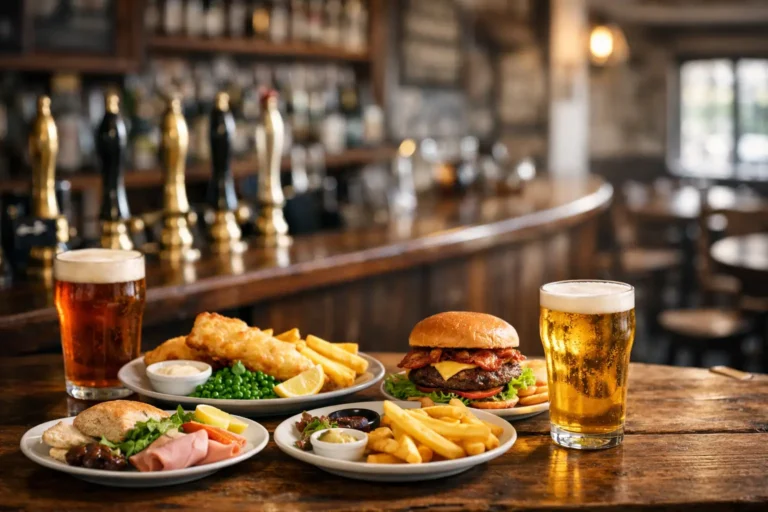
A beer garden can be beautiful, but it is still part of a pub. The quality and range of drinks should carry proper weight in any review. For cask drinkers, note whether the ale is in good condition, served at a sensible temperature and offered with enough choice to suit the pub’s style. A single well-kept local bitter can be more convincing than a long pump line of tired options.
Lager, cider, alcohol-free choices and soft drinks also matter. An outdoor afternoon often includes mixed groups, and a decent non-alcoholic beer or a well-made lemonade means nobody is treated as an afterthought. If the pub has a thoughtful local beer list, rotating guest ales or a particularly good cider selection, explain what makes it worth trying rather than merely calling it ‘great’.
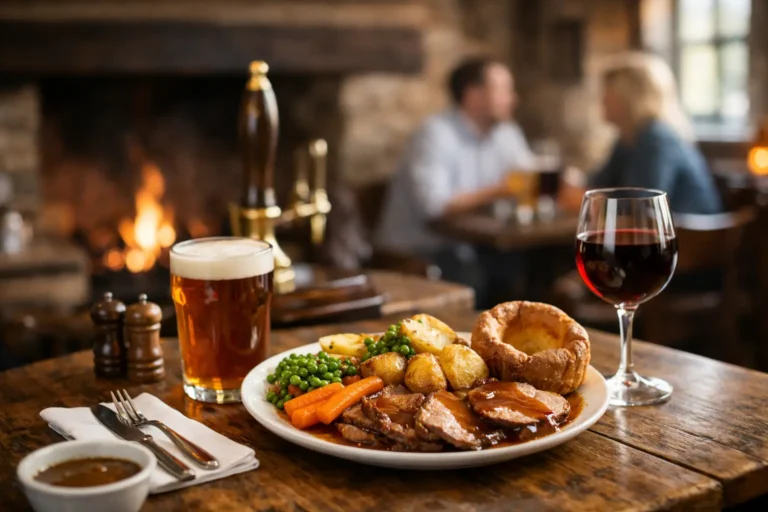
Food is the other test. A garden that serves proper pub lunches, sharing plates or a reliable Sunday roast may suit a longer visit, while a drinks-led place can be ideal before dinner elsewhere. Judge the offer against the venue, not against an imaginary gastropub standard. A fresh pork pie, good crisps and an excellent pint can be exactly right at a traditional ale house.
Value means the whole visit
Price is part of a review, but it needs context. Central city gardens and destination pubs in tourist spots may cost more than a back-street local. What matters is whether the experience feels fair for the setting, drink quality and service. Mention portions, booking policies, service charges where relevant and whether there is a minimum spend for outdoor tables. These are the practical points that stop a reader getting an unwelcome surprise.
Describe atmosphere without overhyping it
‘Good atmosphere’ is one of the most common phrases in pub reviews and one of the least useful. Make it specific. Is the garden a post-walk refuge where dogs snooze under benches? A smart but unpretentious terrace for a long lunch? A student-friendly spot with affordable pints and a lively playlist? A peaceful country garden where conversation carries over birdsong?
Character also includes the people using the space. A family-friendly garden can still suit adults without children, while a sports-focused pub may be a brilliant choice on match day and less appealing for a quiet catch-up. State the mood, the likely crowd and the times it changes. That is far more valuable than trying to please everyone.
Be balanced about drawbacks. Nearby traffic, limited parking, occasional queues or a lack of shade are all reasonable observations when presented fairly. A good pub review is not a hunt for faults. It gives people enough detail to decide whether the place suits their plans.
Use local knowledge and community reviews well
The best beer gardens are often found by looking beyond the obvious riverside terraces and high-street chains. Ask locals, check recent reviews and look for clues in comments about service, garden upkeep and how quickly tables fill in warm weather. Recent feedback is especially useful because outdoor areas can change with new management, seasonal opening hours or refurbishments.
When you find somewhere worth returning to, save it rather than relying on a half-remembered name. The Pubs Near Me: Pub Finder UK Android app lets you find pubs nearby, save favourite pubs, rate visits and keep track of beers you have tried. It is particularly handy when building a relaxed outdoor stop into a wider afternoon out, rather than leaving the choice to chance.
A strong review should leave readers with a clear picture: whether to book, when to visit, who to bring and what to order. The next time the forecast offers even a glimpse of sun, choose the garden that fits your plans, take your time over a well-kept pint and leave a useful note for the next pub-goer.