A good pub lunch can rescue a wet walk, turn a long drive into a proper day out, or give a catch-up with friends more purpose than simply picking the nearest table. This guide to pub lunch stops is about finding the places that get the essentials right: food you genuinely fancy, a warm welcome, sensible timing and enough character to make you want to linger – within reason.
The best stop is rarely just the pub with the most elaborate menu. It is the one that suits the day you are having. A muddy group with a dog needs something very different from a couple on a country drive, a family breaking up a motorway journey, or colleagues meeting halfway between towns.
Start with the reason for the stop
Before searching for pubs near you, decide what you need from lunch. It sounds obvious, but it prevents the classic mistake of arriving at a brilliant-looking rural pub that only serves bar snacks on a Tuesday, or booking a smart dining room when everyone really wanted chips, a pint and a fire.
For a walking lunch, look for easy boot and dog policies, a drying spot near the entrance and food that arrives without an hour-long wait. A Sunday lunch stop calls for a different kind of planning: check serving times, book ahead where possible and be clear whether the group wants a full roast or something lighter.
If you are travelling, location matters, but do not let it become the only factor. A pub five minutes off the obvious route can be far more pleasant than a crowded roadside option. Just allow for the detour, particularly on unfamiliar country lanes. Anyone driving should stick to soft drinks or alcohol-free options, and it is worth agreeing this before the first round is ordered.
How to choose a pub lunch stop
A pub’s menu tells only part of the story. Read recent pub reviews with an eye for the details that affect your visit: whether food is served consistently, how welcoming staff are to walk-ins, portion sizes, noise levels and the state of the loos. One person’s complaint about a lively dining room might be another group’s idea of a good atmosphere.
Check food service, not just opening hours
Many pubs open all afternoon but stop serving food between lunch and dinner. Others run a reduced menu on quieter weekdays, or finish lunch service earlier than you might expect. Kitchen times are the first thing to check, especially if your plans involve a long walk, traffic-prone roads or a train connection.
It also pays to look at the actual menu rather than relying on an old photo. Seasonal dishes, weekday set menus and specials boards can make a pub lunch feel better value, while dietary choices vary widely. A strong pub does not need a huge menu, but it should give a mixed group enough realistic options.
Match the atmosphere to the group
The right atmosphere is not always the quietest or fanciest one. Some of the most memorable lunch stops happen in a busy local where the bar is full of regulars, the cask ales are being well looked after and the kitchen is sending out proper pub classics.
That said, a large group may need a separate dining area, and a relaxed conversation can be difficult beside a Sunday quiz, live sport or a packed family section. If the occasion matters, a quick call can clarify whether dogs are allowed indoors, whether there is step-free access, how easy parking is and whether children are welcome after a certain time.
Think beyond the plate
Good lunch stops have useful practical touches. Decent parking is helpful in rural areas, but so is a bus stop nearby if no one wants to drive. For cyclists and walkers, secure bike space, water bowls and a place to leave muddy layers can be more valuable than a polished interior.
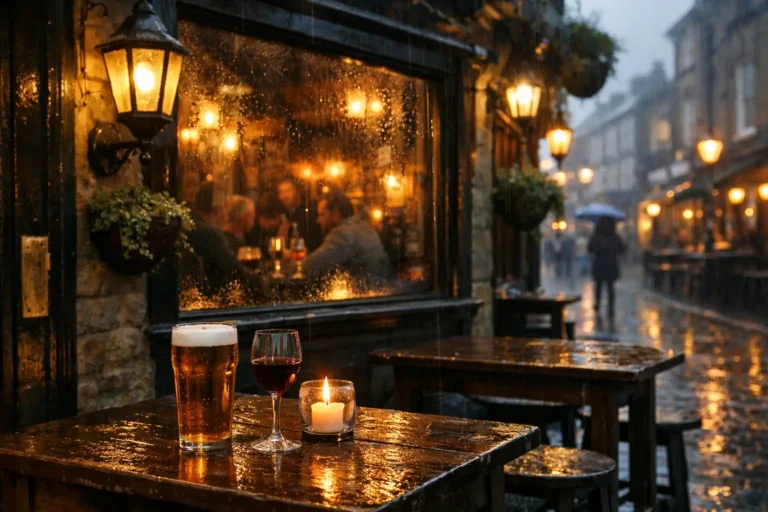
Outside space is a bonus in fair weather, though a beer garden is not automatically a better choice. Consider shade, shelter, table availability and how close it is to a road. In colder months, a real fire, comfortable seating and a dry entrance can make a modest pub feel like exactly the right destination.
Plan the route around the pub, not the other way round
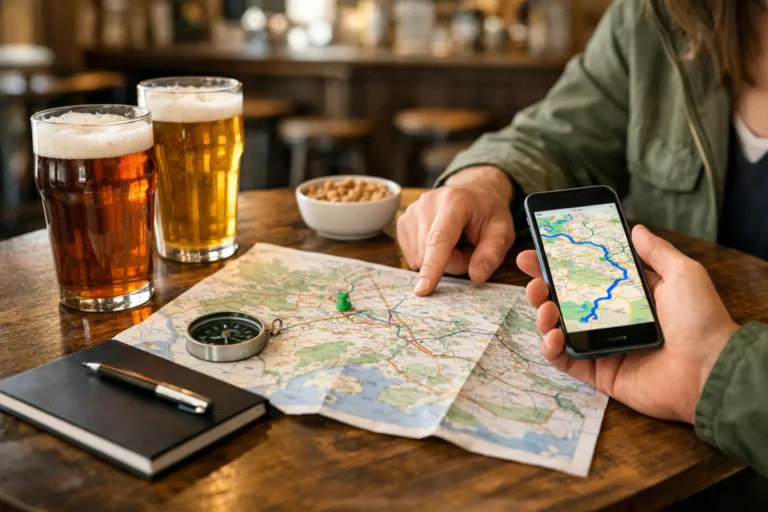
The temptation on a day out is to treat lunch as an afterthought. In practice, choosing the pub first often creates a better route. A historic market-town inn might give you a natural place to explore before lunch; a waterside pub may work best after a towpath walk; a city-centre pub can anchor an afternoon of museums, shops or a low-key pub crawl.
For a longer journey, aim to arrive a little before the busiest period. Between noon and 1pm is usually easier than turning up at 2pm on a Sunday with six hungry people. Booking remains sensible for popular pubs, bank holidays and larger tables, but it is not always essential. Smaller groups can often enjoy more flexibility by having one or two back-up options nearby.
This is where a saved list is genuinely useful. The Pubs Near Me: Pub Finder UK app lets you find nearby pubs, save favourite pubs and track places you have visited, so you can build a short, realistic shortlist rather than scrolling while everyone is hungry. For a weekend away, marking a lunch pub, a post-walk option and an evening local makes the day much easier to adapt.
What makes a pub lunch feel worth it
Price matters, particularly when lunch involves a round of drinks, but value is not simply about finding the cheapest main course. A generous, well-cooked pie with good chips, friendly service and a comfortable table can feel far better value than a cheaper meal rushed out in an awkward setting.
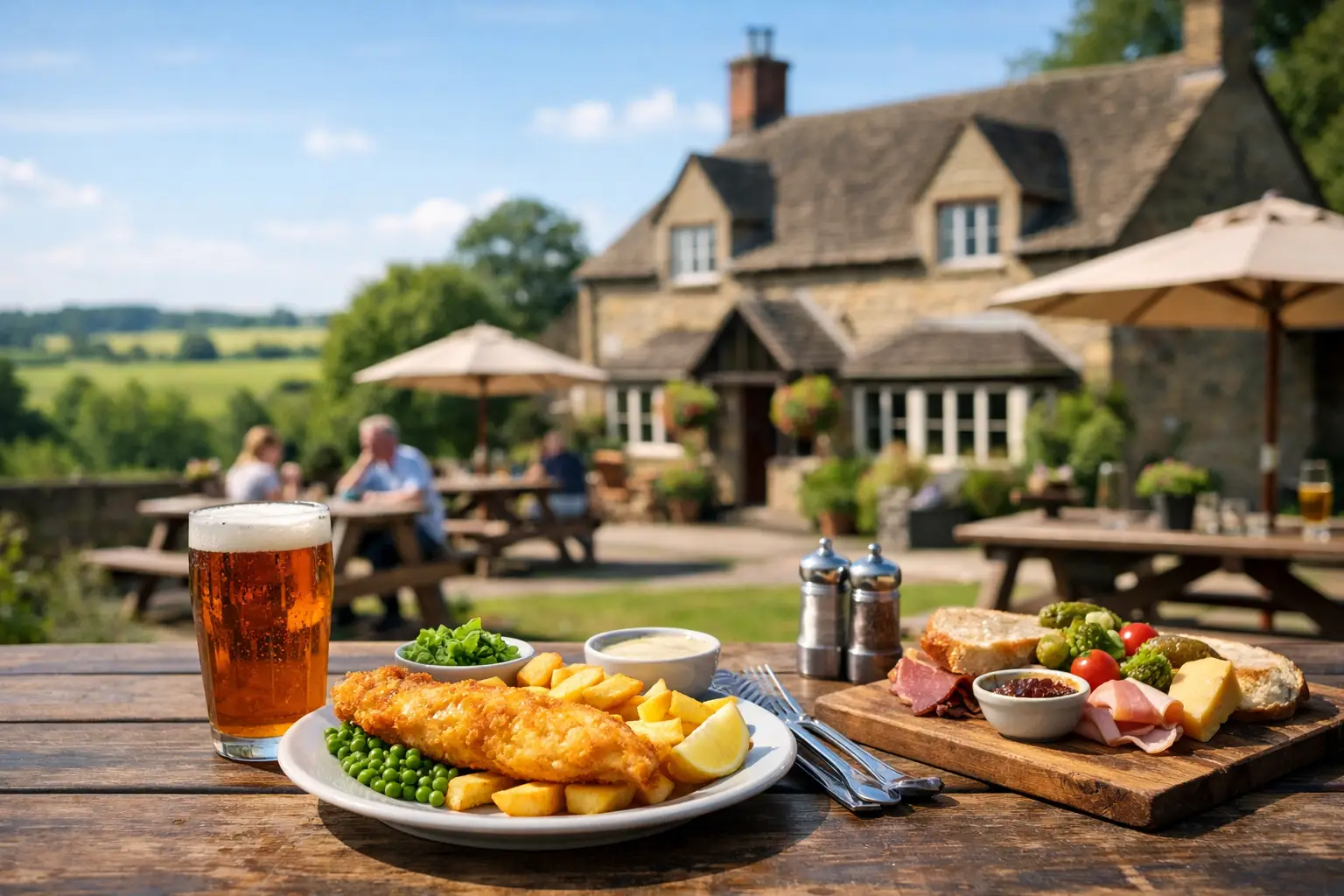
Look for signs that the pub has a clear idea of what it does well. That might be a reliable ploughman’s, fish and chips, a seasonal soup with excellent bread, a Sunday roast, or a small menu built around local produce. Pubs trying to cater for every possible taste can still be excellent, but a focused menu is often a good sign that the kitchen is not stretching itself too thin.
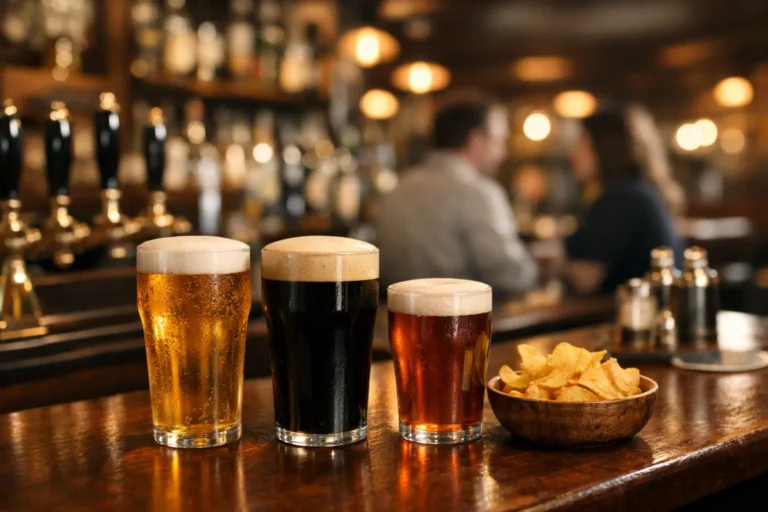
The drink choice should suit lunch rather than dominate it. A well-kept cask ale, a local cider, decent alcohol-free beer and soft drinks beyond fizzy basics show consideration for the whole table. If you are planning to continue walking, driving or sightseeing afterwards, a half pint or a non-alcoholic option can keep the day on track without missing the pub experience.
A guide to pub lunch stops for different occasions
For a country walk, prioritise muddy-boots tolerance, food served through the afternoon and a spot to warm up. For a road trip, choose somewhere with straightforward parking and a menu that will not turn a quick break into a three-hour delay. For a city day out, pick a pub close to the next part of your plans but with enough character to feel distinct from every other stop.
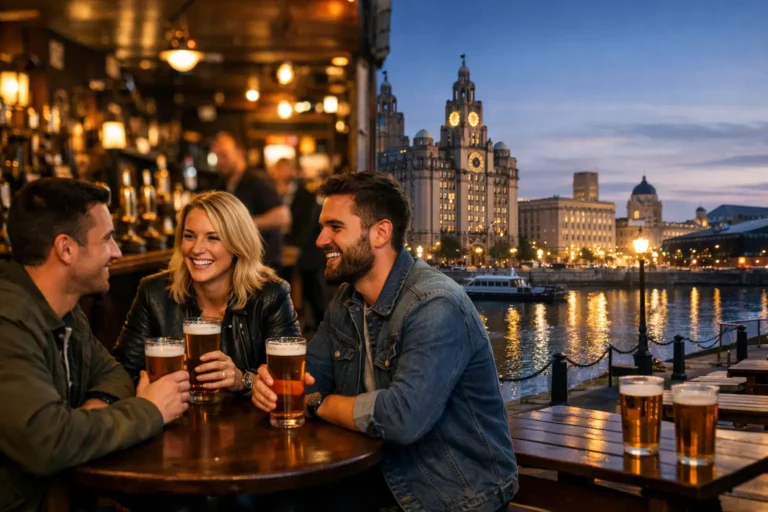
A family lunch needs clear information about high chairs, children’s portions and space for prams. A catch-up with friends may be better in a pub where you can book a corner table and stay for coffee. For a date, it depends on whether you want a relaxed local feel or more food-led surroundings – neither is automatically better, but a loud sports bar during a major fixture is probably not the quiet lunch you had in mind.
If your group includes ale enthusiasts, make the beer part of the planning without turning lunch into a race between bars. One thoughtful stop with a well-kept pint is more enjoyable than squeezing in three indifferent ones. Save an ale trail or pub crawl for a day when nobody is driving and there is time to appreciate each place properly.
Leave room for local character
The finest pub lunch stops are not always the ones that look most polished online. Some have low beams and a centuries-old fireplace; others are modern community pubs with a cracking kitchen and a sunny terrace. A village local may be busy with regulars, while a town-centre pub may have a quiet back room that visitors never notice from the street.
Give a place a fair chance, be patient at busy periods and share useful feedback afterwards. Honest reviews help fellow pub-goers find the right fit, whether that means a dog-friendly post-walk lunch, a brilliant roast or simply a pub that serves a proper sandwich and a well-kept pint with a smile.
Plan enough to avoid disappointment, then leave a little space for discovery. The pub you remember most may be the one you found just off the route, where lunch arrived hot, the welcome felt genuine and nobody was in any hurry to rush you out.