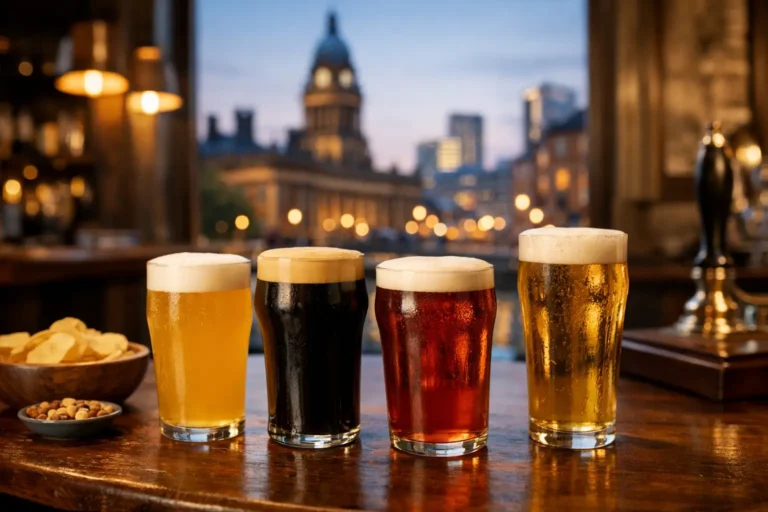
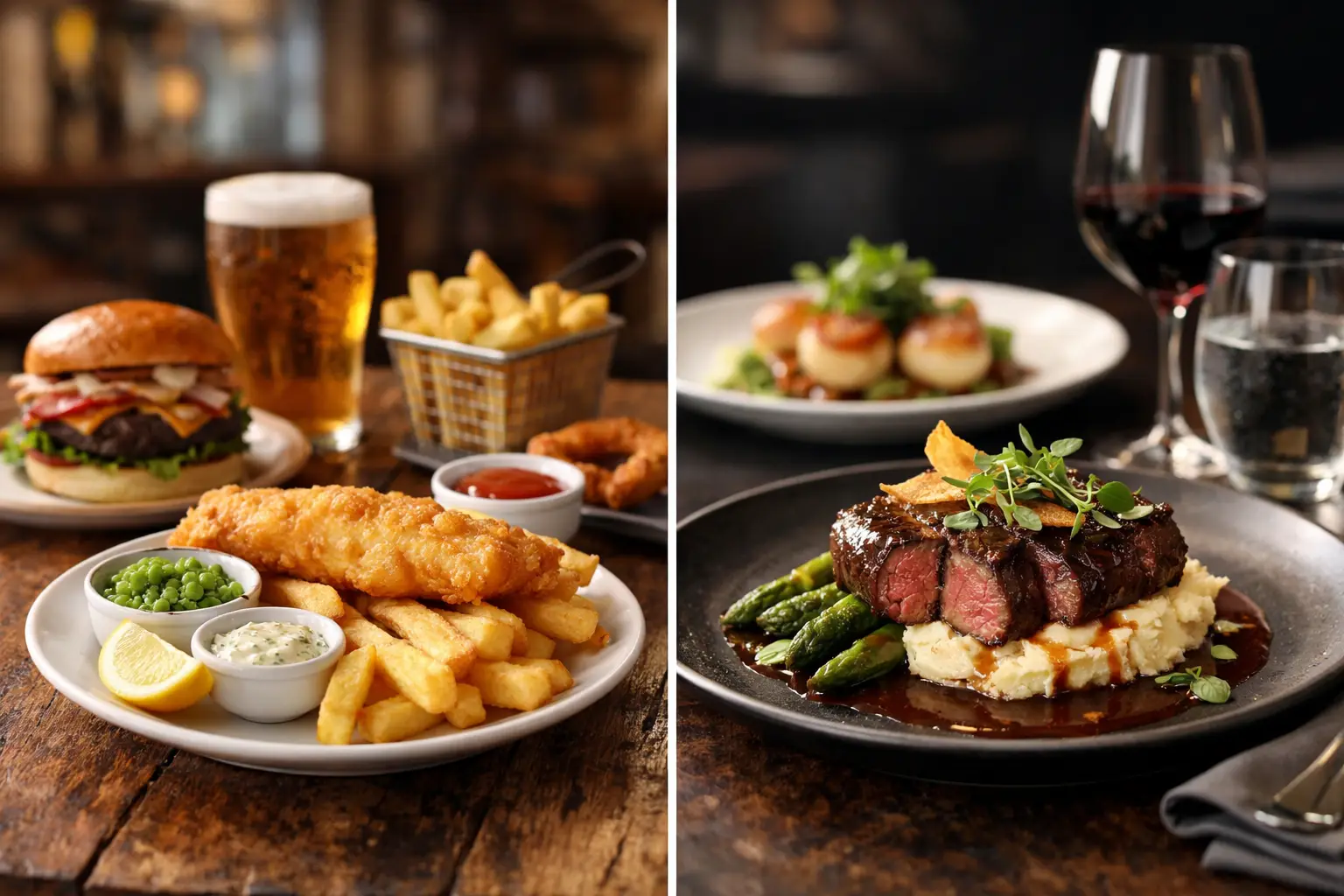
A pub lunch versus gastropub meal is not really a battle between good and bad food. It is a choice between two very different sorts of afternoon or evening. One might mean a proper pint, a well-filled sandwich and a table beside the fire. The other could be a carefully cooked seasonal dish, a smart wine list and enough time to settle in for several courses.
Both belong in the modern British pub scene. The trick is knowing what suits the occasion, the people you are with and the kind of pub experience you actually want.
What makes a pub lunch?
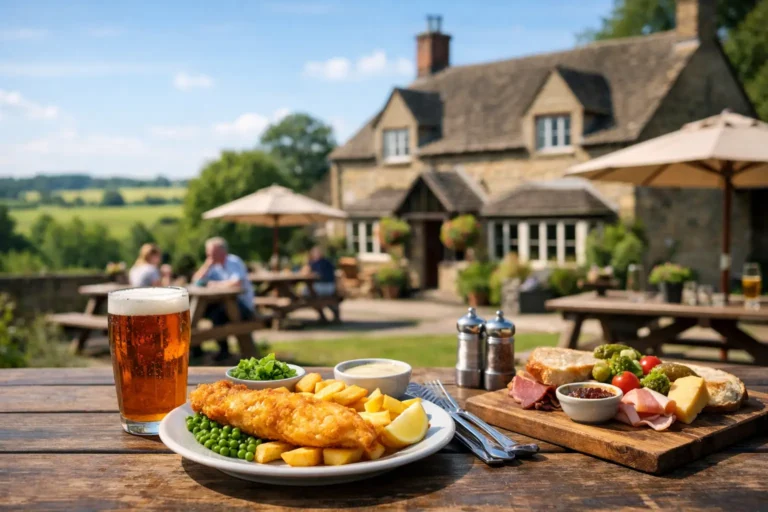
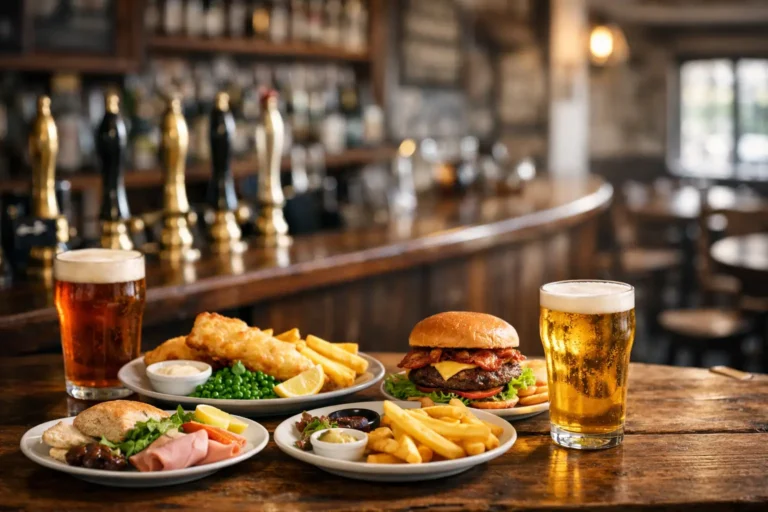
A pub lunch is usually built around ease. You turn up after a walk, during a shopping trip, on a day out or because the football has finished and everyone fancies something more substantial than crisps. The menu tends to be familiar and broad: fish and chips, burgers, sausage and mash, pies, ploughman’s lunches, jacket potatoes and a decent roast on Sunday.
That is not to say it has to be basic. A really good traditional pub can make a memorable steak and ale pie, use excellent local sausages or serve a fish finger sandwich worth planning a return visit around. The point is that the food feels at home in the setting. It is comforting, recognisable and generally designed to work with a pint of bitter, lager or cider.
Service is often more relaxed, too. You may order at the bar, find your own table and settle the bill as you go. That suits groups with muddy boots, families on a Sunday, dog walkers and anyone who wants lunch without turning it into an event.
The appeal is as much about atmosphere as food
At its best, a pub lunch comes with the bits people remember: the crackle of a fire in winter, the rattle of dominoes at the bar, a sunny beer garden table or the friendly nod from a landlord who knows the regulars. It can be quick, but it should never feel rushed.
Price is often part of the appeal. A main dish and a drink can be a sensible option for a weekday catch-up, especially where a pub has a lunchtime menu or smaller portions. Portions can be generous, although quality varies from pub to pub, so it pays to read recent, detailed pub reviews rather than relying on a photograph of a menu.
What makes a gastropub meal different?
A gastropub meal puts the kitchen closer to centre stage. The pub character should still matter, but the food is likely to be more ambitious, seasonal and chef-led. You may see dishes such as smoked mackerel with heritage beetroot, slow-cooked lamb shoulder, pan-roasted hake, game in autumn or a pudding that changes with the local fruit harvest.
The distinction is not simply about expensive ingredients or decorative plates. A good gastropub takes pub cooking seriously: careful sourcing, proper technique and menus with a point of view. You may find fewer choices than at a large food-led pub, but what is on the menu has usually been considered more closely.
A gastropub meal also tends to ask for more of your time. Starters, desserts, wine pairings and a longer pause between courses are all part of the experience. That makes it a strong choice for birthdays, visiting family, a date night or a weekend meal when the group wants food to be the main plan rather than a useful addition to the pub.
The trade-offs to expect
There is normally a higher bill. That is not automatically a problem if the cooking, ingredients and service justify it, but it can make a gastropub less suitable for a spontaneous midweek lunch. Tables may need booking, particularly for Sunday lunch or popular countryside pubs, and there can be less room for a large walk-in group.
Some gastropubs also feel more restaurant-like than pub-like. Again, that is not a criticism – plenty of people want polished service and a quieter dining room. But if your priority is a busy bar, cask ale and the freedom to linger over one drink after eating, check how the venue is laid out before you go.
Pub lunch versus gastropub meal: the key differences
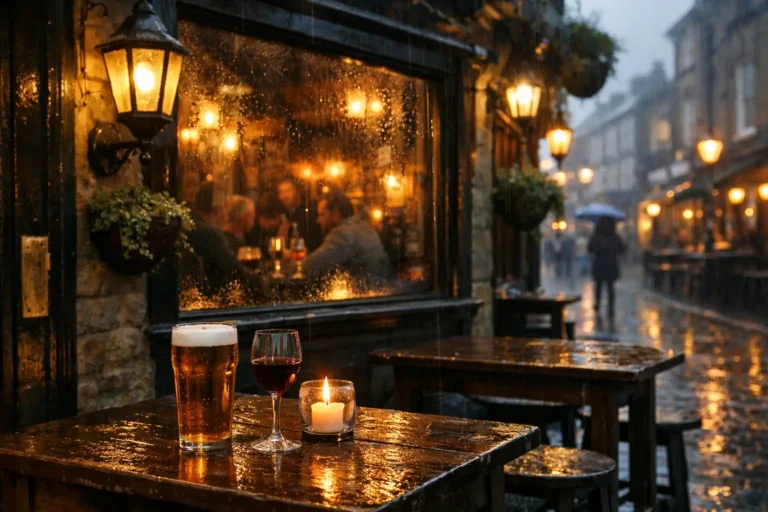
The most useful way to compare them is to think beyond the menu. A pub lunch usually wins on flexibility, familiarity and value. It works when no one wants a long debate about where to eat, when you are coming in from the rain, or when the group includes people who simply fancy classic pub grub and a relaxed drink.
A gastropub meal is more about occasion and attention to detail. It can be a brilliant way to try local produce, enjoy thoughtful cooking without losing the informal warmth of a pub, and make a meal feel special without the stiffness some people associate with a formal restaurant.
Neither label guarantees quality. A historic local may serve food that is fresher and more carefully made than a place calling itself a gastropub. Equally, a food-focused pub can retain a cracking bar, great real ale and the welcoming feel of a proper local. Look for the signs that matter to you: a menu that is clear about what it does well, recent guest feedback, well-kept beer, staff who know the dishes, and a room where you would happily stay after the plates are cleared.
Choose by occasion, not by label
For a quick meet-up with colleagues, a post-walk stop or a casual family lunch, the classic pub lunch is often the better fit. You want enough choice, an easy pace and food that keeps everyone happy. If someone arrives late or a dog needs a water bowl, it should not derail the afternoon.
For a planned Saturday meal, a special occasion or a visit to a pub known for its kitchen, book the gastropub. Give it the time it deserves. Ask whether the menu changes regularly, whether there are vegetarian options worth choosing rather than merely accepting, and whether Sunday service is a full roast operation or a reduced menu.
Groups can be the deciding factor. A dozen mates meeting before a match may be far happier with bar snacks, burgers and a lively room than a table where everyone is expected to order three courses. A smaller group of food-minded friends may get much more from sharing starters, trying seasonal mains and comparing a couple of interesting bottles of wine.
How to find the right pub for your plans
When you are choosing somewhere new, do not stop at the words ‘food served’. Check the menu, opening times and whether food is served throughout the day. A pub that stops lunch service at 2pm can catch out an unplanned afternoon, while a popular gastropub may have limited tables even if the bar is open.
It also helps to look at what previous visitors mention repeatedly. Consistent praise for the roast potatoes, the quality of the cask ale, friendly staff or a calm beer garden tells you more than a single glowing line. Repeated comments about slow service at peak times may simply mean booking earlier or allowing longer for lunch.
If you are out exploring, the Pubs Near Me: Pub Finder UK Android app can help you find pubs nearby, save favourite pubs for another day and keep track of places you have visited. It is particularly handy when a planned lunch spot is full and you need a reliable alternative nearby.
Let the pub set the mood
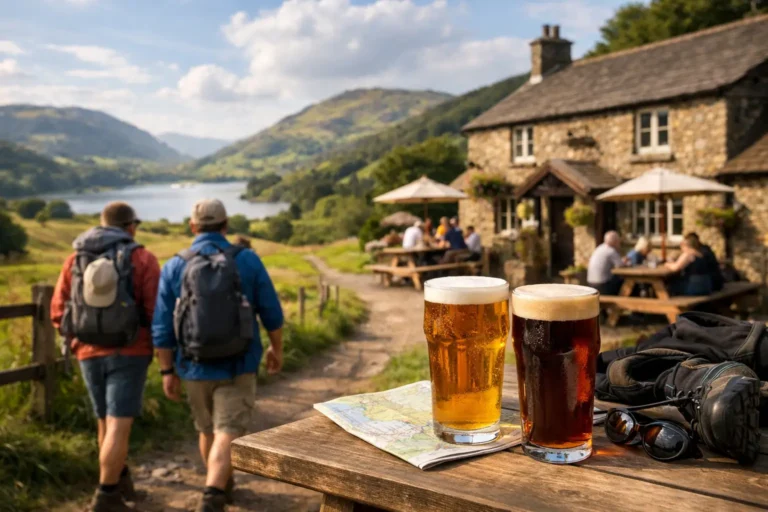
The best choice is often the one that matches the day. A windswept walk in the Peaks calls for a pie, a pint and a table by the fire. A leisurely city weekend with friends might call for a thoughtful gastropub menu and a booking made well in advance. Leave room for the pub itself in the decision – the welcome, the beer, the buzz of the bar and the people around the table are usually what turn a meal into a day worth remembering.