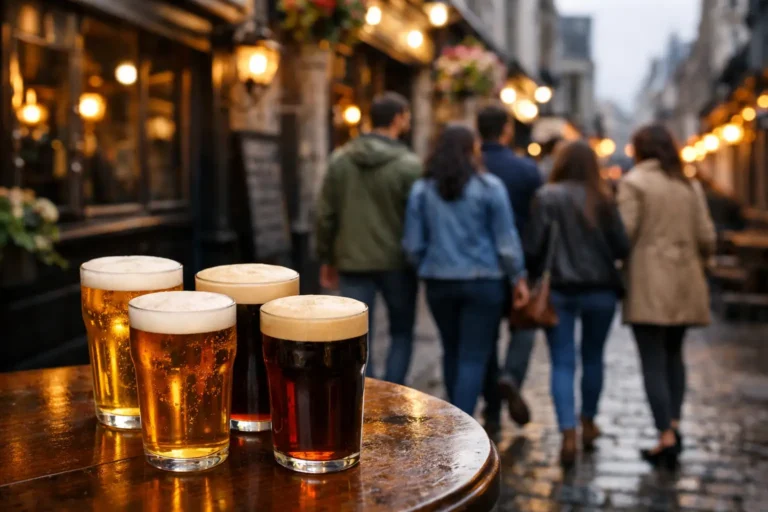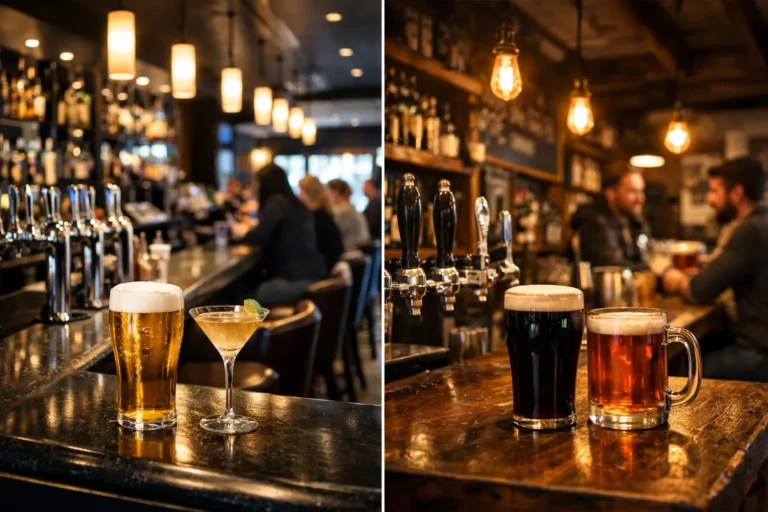
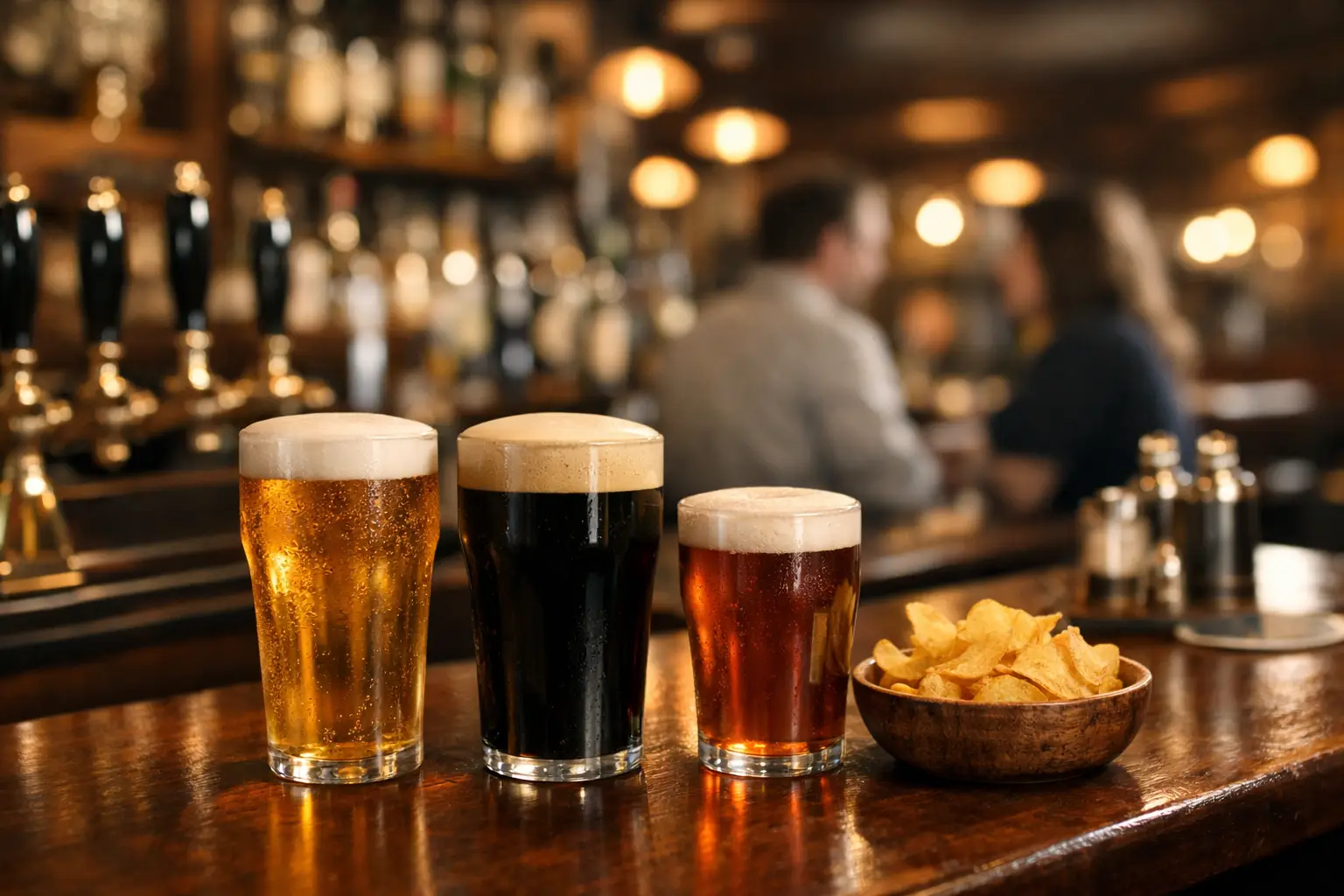
A good local pub review example should answer the question people are actually asking: is this the sort of pub I will enjoy tonight? That means more than awarding stars or saying the beer was nice. The useful details are the ones that help someone decide whether to pop in for a quiet pint, book Sunday lunch, watch the football, bring the dog, or make it one stop on a well-planned crawl.
The best pub reviews feel like they have been written by somebody who paid attention. They notice the condition of the cask ale, but also whether the seats are comfortable, whether the staff have time for a chat, and whether the music makes conversation difficult. A pub can be excellent for one occasion and less suitable for another. Honest reviews make room for that.
What makes a local pub review genuinely useful?
Start with the essentials: where the pub sits in its neighbourhood, what sort of crowd it attracts, and what it does best. A two-room traditional local near a railway station will offer a different experience from a busy city-centre craft beer bar, and neither is automatically better.
Atmosphere deserves more than a throwaway line. Rather than calling somewhere ‘great’, explain why it works. Is there a proper fire going on a wet January afternoon? Are the regulars welcoming without the place feeling like a closed club? Does the beer garden get the evening sun, or is it better suited to a quick summer drink than a long lunch? Small observations give readers a clearer picture.
Drinks should be judged fairly, too. If a pub specialises in cask ale, mention the number of handpulls, whether the range changes, and – most importantly – whether the pint was in good condition. For keg and craft-focused venues, note the balance between familiar choices and something more interesting. A short but well-kept selection can be more appealing than a long list that lacks care.
Food, if the pub serves it, needs context. A generous steak and ale pie may be exactly what a country pub does well, while a central bar might be better for snacks and a good pint before dinner elsewhere. Mention portion size, value and timing, but avoid treating every pub as though it ought to be a restaurant.
Service is equally nuanced. A busy bar at 6pm on a Friday may mean a short wait, and that is not necessarily poor service. What matters is whether staff are friendly, organised and helpful once they get to you. It is worth flagging practical points such as table bookings, card-only payment, accessible toilets, dog-friendly areas or whether children are welcome at particular times.
A local pub review example: The Crown & Anchor
The following is an illustrative review, showing the level of detail that helps people choose a pub. It is not intended as a review of a specific venue.
> The Crown & Anchor is a proper neighbourhood pub with enough character to reward a detour, particularly if you like well-kept cask ale and a relaxed, conversation-first atmosphere. Tucked just off the high street, it has a small front bar for regulars, a larger back room with scrubbed tables, and a compact beer garden that catches the late-afternoon sun. > > On our visit, four cask beers were available, including a dependable bitter and two changing local options. The pale ale was fresh, cool and clearly looked after. Keg drinkers are not forgotten, although the choice is modest rather than adventurous. There is a sensible wine list and a few alcohol-free options, which makes the pub an easy choice for mixed groups. > > Food leans towards familiar pub favourites: pies, fish and chips, burgers and a Sunday roast. The steak and ale pie arrived hot with crisp pastry and properly thick gravy, while the chips were the sort you keep picking at after you have said you are full. Service was warm and efficient, though the kitchen became slower after 7.30pm when the dining room filled up. > > The atmosphere changes through the week. Early evenings are calm, with locals reading the paper and couples sharing dinner. Friday and Saturday are livelier, but it still feels like a pub rather than a late bar. There is a television for major matches, kept to a sensible volume, so it suits supporters who want to follow the game without shouting over every pass. > > The main trade-off is space. It can feel cramped at peak times, and the beer garden is too small for large groups. If you are planning a long Sunday lunch or meeting more than four friends, booking ahead is wise. For a couple of good pints, a hearty meal and an unpretentious local atmosphere, however, The Crown & Anchor gets the basics right.
That review works because it makes a recommendation without pretending the pub is perfect for everybody. It tells the cask ale drinker what to expect, reassures the food-focused visitor, and gives groups a useful warning about space. It also describes the pub at different times, which is often more valuable than a single overall rating.
Why specific details beat generic praise
‘Lovely pub, would visit again’ is positive, but it does not help much. A reader cannot tell whether it is lovely because of the garden, the landlord, the food, the ale, the history or simply the reviewer’s good mood that afternoon.
A better line might be: ‘The lounge has deep armchairs by the fire, making it a strong choice for a quiet winter pint, although the bar area fills quickly after work.’ That gives someone a practical reason to go, while managing expectations about when to visit.
The same applies to criticism. A balanced review might say that food service slowed down during a packed bank holiday, or that a pub’s music is better suited to a livelier evening than a catch-up with older relatives. Stick to what you experienced, avoid guesswork about the reasons behind it, and keep the tone constructive. Pubs are living places, with busy spells, staff changes and seasonal shifts in trade.
A simple structure for writing your own pub review
Think in the order a visitor experiences the pub. Open with the overall feel and who will enjoy it most. Then cover drinks, food and service, before adding practical points such as bookings, accessibility, dogs, gardens, sport or transport. Finish with a clear recommendation that includes any useful caveat.
Photos can help, but they should support the review rather than replace it. A picture of a sunlit garden is useful; so is a photo showing the changing cask board or a menu. Avoid posting images of other customers without permission, particularly in smaller local pubs where people value their privacy.
If you regularly try new places, keep a note of the details that are easy to forget by the next morning: the beer you chose, the day and time you visited, what you ate, and whether you would return for the same occasion. The Pubs Near Me: Pub Finder UK app can help you save favourite pubs, rate venues, track pubs visited and build a pub crawl around the places you want to try.
Make every review useful to the next visitor
The strongest pub reviews are generous with practical information and careful with judgement. They celebrate a brilliant pint, a good welcome or a hidden-gem beer garden, but they also recognise that a pub may be quiet on Tuesday and buzzing on Saturday, family-friendly at lunch and adults-only in feel later on.
Write with the next visitor in mind. Tell them what you ordered, what the room felt like, and whether the pub suited the occasion. That is how a short review becomes the nudge that helps somebody find their new local, plan a better weekend, or choose the right stop before heading home.