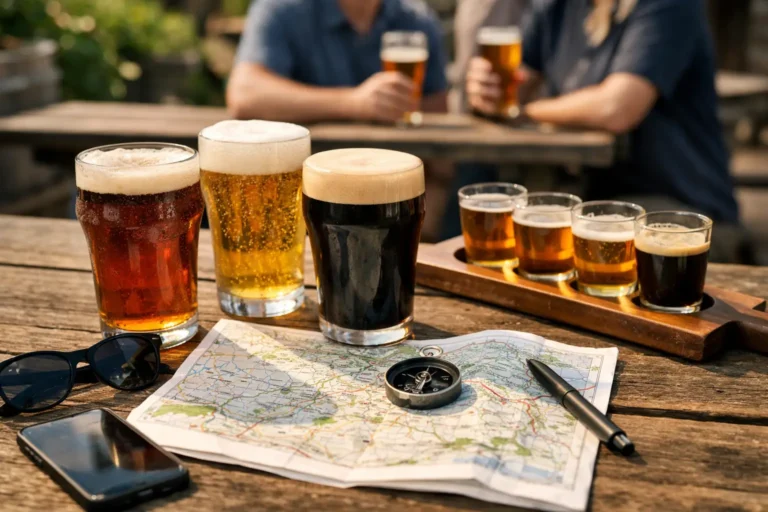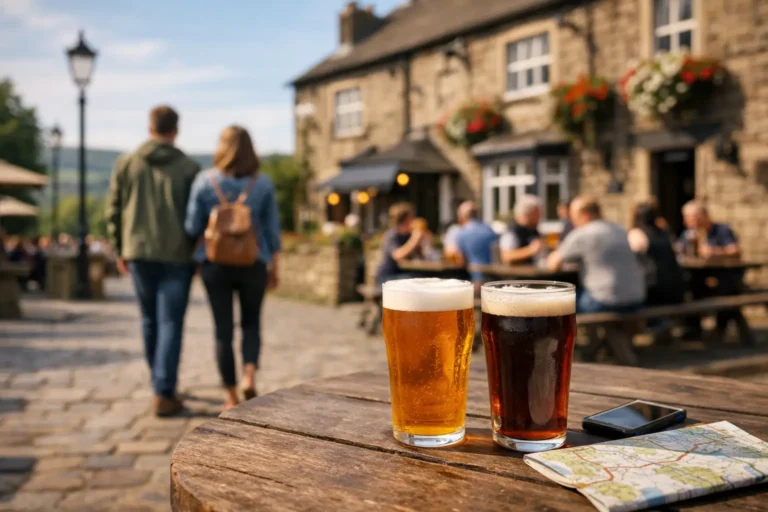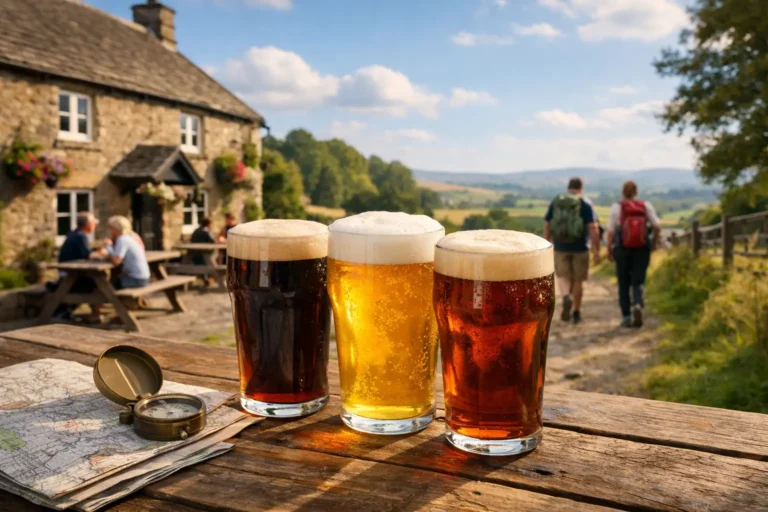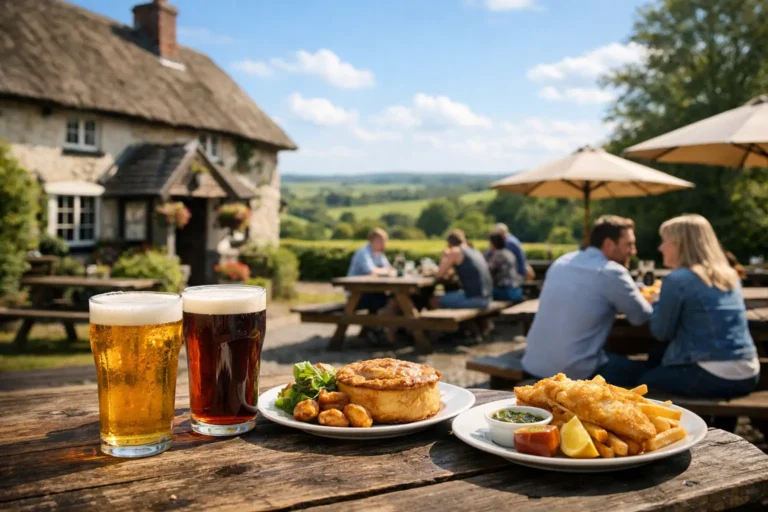

A good pub crawl falls apart surprisingly quickly. One pub is rammed, another is a 25-minute walk in the rain, half the group want food, and someone insists on adding a sticky-floor nightclub that nobody asked for. If you’re wondering how to plan pub crawl ideas that actually work in real life, the difference is usually simple: fewer pubs, better pacing, and a route built around the group rather than a wish list.
How to plan pub crawl without making it a slog
The first decision is not where to drink. It is what kind of night you want. A proper crawl for cask ale fans looks very different from a birthday outing, a student night, or a Saturday afternoon spent exploring historic pubs. If you skip that bit, you end up mixing people who want a quiet pint in a timber-beamed local with people who want shots by 10pm.
Start by settling the basics early. How many people are going, what time are you starting, and is the aim to chat, celebrate, watch sport, or explore somewhere new? Once you’ve got that clear, choosing the right pubs becomes much easier.
In most UK towns and cities, four to six pubs is plenty. More than that sounds ambitious on paper and usually becomes a march. The best pub crawls leave time to enjoy each stop, not just tick venues off. A crawl should feel like a good evening unfolding naturally, not a race against last orders.
Pick an area, not a whole city
One of the most common planning mistakes is trying to cover too much ground. You do not need the best pubs in every postcode. You need a cluster of good ones that are easy to move between on foot or with one straightforward bit of public transport.
A compact route nearly always wins. City centres with distinct pub districts work well because you can move between different atmospheres without losing momentum. In smaller towns, a high street and nearby side streets may be enough. If the route includes long gaps, hills, or awkward taxi jumps, people lose interest and the group starts splitting up.
It also helps to think about the finish. Ending near a station, taxi rank, night bus route, or somewhere decent for late food makes life easier. The route matters as much at the end of the night as it does at the start.
Choose pubs with contrast, not chaos
A memorable crawl has a bit of variety. That might mean starting in a relaxed traditional pub, moving on to a lively craft beer spot, then stopping at a music pub or a late-opening city boozer with more energy. What you want is progression.
What you do not want is total randomness. If every pub is loud, standing-room only, and expensive, the night can feel draining. If every pub is near-identical, it gets forgettable. Aim for a mix of atmosphere, beer choice, and pace.
There are a few practical checks worth making before you finalise anything. Is the pub big enough for your group? Does it get queue-heavy on weekends? Is it more of a booking-led gastropub than a place where you can easily drop in for a round? A brilliant pub is not always the right pub for a crawl.
For larger groups, it is often smarter to include at least one spacious stop where people can regroup comfortably. For smaller groups, you can be a bit more flexible and squeeze in some hidden gems.
Think beyond just the beer
Beer matters, obviously, but so does everything around it. Toilets, seating, music volume, food options, card payments, outdoor space, and whether the pub gets packed before 8pm all have an impact. If your group includes mixed drinkers, make sure there are decent non-beer options too. A pub crawl works better when nobody feels like they are tagging along.
Build the route in the right order
The order of pubs can make or break the evening. Start with somewhere easy-going where people can arrive at slightly different times without stress. That first stop should be simple to find, not too noisy, and forgiving if the whole group is not there on the dot.
Middle stops are where you can add more character. This is the point for the old-school ale house, the taproom, the lively corner pub, or the pub with a cracking beer garden if the weather behaves. By then, people are settled and the group has found its rhythm.
Leave your busiest or liveliest venue for later, but not so late that getting in becomes a nightmare. If one pub is known to get heaving after a certain hour, plan around that rather than hoping for the best. Good timing is less glamorous than choosing pubs, but it is often what saves the night.
Walking time is part of the crawl
Ten minutes between pubs is usually fine. Fifteen can work if the route is pleasant and the group is up for it. Much more than that and it starts to feel like a hike. When you are planning, use actual walking times rather than guessing. Distances always look shorter on a map than they feel after a couple of pints.
If you’re using a pub crawl planner or a pub finder app, check the route as a sequence rather than picking favourites one by one. That is where planning tools are genuinely useful. Being able to save favourite pubs, map them properly and track pubs visited takes a lot of faff out of group planning.
Be realistic about timings, food and budgets
A lot of crawls go wrong because nobody talks about money or food until halfway through. That is when you get the split between people wanting table food, people wanting crisps, and people suddenly realising central London prices are not quite what they had in mind.
Set expectations early. If this is a drinks-first crawl, say so. If you’re starting with food, choose a first stop that can handle it. Trying to order meals for ten people at the third pub of the night is usually where momentum disappears.
Budgets matter too. A route made up entirely of premium craft beer bars might suit one group and annoy another. Mixing one or two pricier venues with more traditional pubs keeps things balanced. Nobody wants to feel every round has become an event.
It is also worth keeping the start time sensible. Beginning too late compresses the whole route and makes every pub feel rushed. An afternoon start often works brilliantly, especially for weekend crawls, because pubs are calmer, walking is easier, and there is room for a proper pace.
Keep the group organised, but not over-managed
The sweet spot is having a plan without making the night feel regimented. People do not need a military schedule. They do need to know the starting pub, rough route, and what happens if someone turns up late.
A simple shared list of stops is enough for most groups. If you’re using Pubs Near Me: Pub Finder UK, saving the route in one place is handy because people can see the pubs, keep track of the plan, and avoid the endless message thread asking where everyone is. That matters more than people think once the evening gets going.
Try not to invite chaos into the plan. If someone wants to add four extra venues on the night, be polite but sceptical. The best crawls usually have a clear spine and maybe one flexible final stop depending on energy levels.
Plan for responsible drinking and an easier journey home
A pub crawl should be enjoyable, not messy for the sake of it. Spacing drinks with water, slowing the pace when needed, and making sure people eat properly are not boring ideas. They are what keep the night fun.
If someone in the group does not drink, that is not a problem at all, and they should not be treated like an afterthought. Make sure the route includes pubs where non-alcoholic options are decent and the atmosphere is still worth the trip.
Travel home deserves proper thought as well. Check train times, note late buses, and avoid ending somewhere awkward unless the group has sorted taxis in advance. The final pub should feel like a good finish, not a logistical trap.
When to keep it simple
Not every pub crawl needs a theme, fancy dress, or a challenge attached to it. Sometimes the best route is just five very good pubs in the right order, with enough time to enjoy each one. If anything, pub crawls improve when you strip away the nonsense and focus on atmosphere, distance, and a group that actually suits the plan.
There is room for themed crawls, of course. Historic pubs, riverside routes, ale trails, dog-friendly afternoon stops, and Christmas pub crawls can all work brilliantly. But the same rule applies every time: make the route practical first, interesting second.
A pub crawl should feel like local discovery at its best – good pints, good company, and the right pub at the right moment. If your route does that, you do not need to overcomplicate it. You just need to get everyone to the first pub on time.