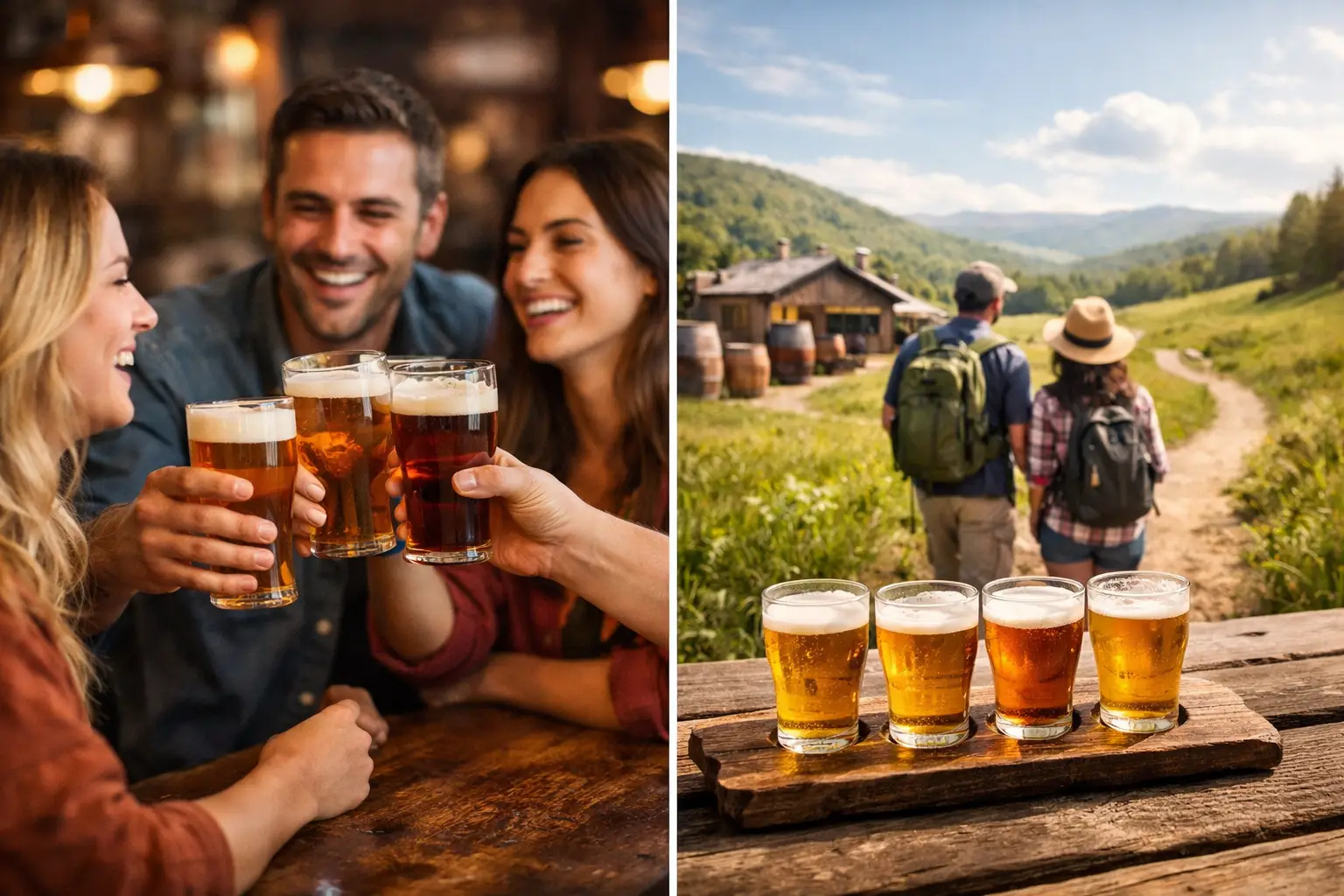
A pub crawl or ale trail can both turn an ordinary Saturday into a proper day out, but they are not quite the same thing. One is usually about seeing a place through its pubs with your mates; the other gives the beer, brewery connections and local character a little more attention. Pick the right format and you will remember the excellent pint, the friendly bar staff and the unexpectedly brilliant final stop – not just the walk between them.
What is the difference between a pub crawl and an ale trail?
A pub crawl is a route through several pubs, generally in one town, city centre or neighbourhood. It might be a birthday plan, a catch-up with old friends, a stag or hen weekend, or simply a way to try the best pubs in Manchester, Leeds, Bristol or wherever you happen to be visiting. The appeal is variety: a historic boozer for the first round, a lively sports pub for the match, then somewhere quieter with a good food menu or beer garden.
An ale trail is usually more focused. It may follow a brewery’s pubs, a local cask ale route, a rail line, a canal path or a group of villages known for great beer. Some trails offer stamps, cards or rewards, but the best reason to do one is to explore places and pints you would not otherwise find. It is less about fitting in the greatest possible number of stops and more about following a theme with a bit of local flavour.
There is plenty of overlap. A group might call its afternoon an ale trail because everyone wants to try local cask beer, while another calls it a pub crawl despite taking time over a meal at every stop. The useful distinction is intent: choose a pub crawl for social variety and a compact route; choose an ale trail for a slower, beer-led trip with a stronger sense of place.
Choose the route to suit the occasion
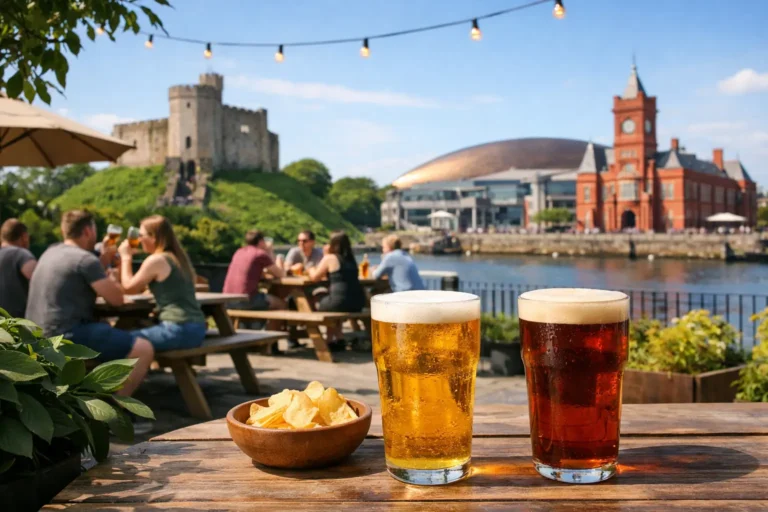
For a city break, a pub crawl often makes the most sense. Good city routes are walkable, have plenty of choice and give everyone a chance to find something they enjoy. Start in a traditional pub where you can settle in and get your bearings, then move towards venues with contrasting character. A smart route might combine cask ale, craft taps, a riverside terrace and one dependable late-afternoon food stop.
For a weekend in the countryside, an ale trail can be far more rewarding. Village pubs, converted coaching inns and brewery taps are rarely placed in a neat five-minute loop, so the day needs a little more thought. Check public transport before setting off, agree who is not drinking if you are travelling by car, and leave room for the fact that a pub with a roaring fire or a beautifully kept bitter may deserve longer than planned.
The size of your group matters too. Two or four people can make decisions as they go and squeeze into a small snug. For eight or more, choose pubs with enough room, check food arrangements and avoid building a schedule that relies on everyone finishing at exactly the same moment. A crawl should feel flexible, not like a military operation with crisps.
How many pubs is enough?
The honest answer is fewer than many people first plan. Three or four pubs is usually plenty for a satisfying daytime route, especially if you want to enjoy each venue rather than ticking names off a list. A fifth stop can work if it is nearby and has a clear purpose, such as food, live music or a final pint in a favourite local.
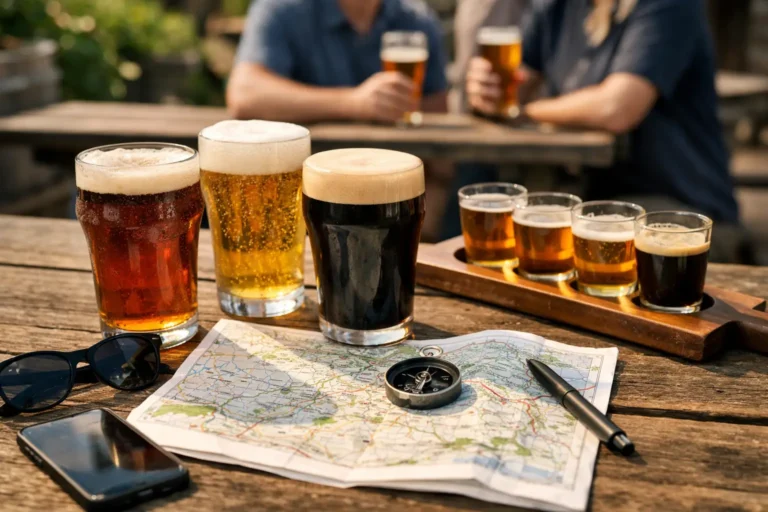
On an ale trail, three carefully chosen pubs may be ideal. You can compare different takes on a pale ale, mild, stout or seasonal special, chat to staff who know what is pouring well, and still have time to notice the pubs themselves. Rushing through six venues makes it harder to appreciate why one feels welcoming, why another has become a community hub, or why a particular cellar keeps its cask beer in fine form.
Pace matters as much as pub numbers. Alternate alcoholic drinks with water or soft drinks, eat properly, and do not treat every stop as a challenge. Smaller measures are an easy way to try something new without overdoing it. If a beer is not for you, there is no prize for forcing it down – choose something else next time.
Plan a pub crawl with character
The strongest routes have contrast, but not chaos. Aim for pubs within easy walking distance and avoid crossing busy roads or relying on unreliable connections halfway through the day. A route that looks clever on a map can feel needlessly tiring after the second stop.
Start by deciding what you want from the day. If it is a birthday gathering, atmosphere and seating may matter more than a rare beer list. If you are travelling with a cask ale enthusiast, look for pubs known for well-kept local beer alongside a couple of traditional interiors. Visitors keen on heritage will get more from old coaching inns, former gin palaces and independent locals than from four near-identical venues.
It helps to give each stop a role. Your opening pub should be easy to reach and comfortable for everyone arriving at different times. The middle of the route is the right place for the most distinctive pint or most unusual pub. End somewhere you would happily stay for a while, with food available, good transport nearby or a relaxed atmosphere for the final round.
Before you leave, check opening hours, kitchen times and any match-day or event restrictions. A pub can be excellent and still not suit your particular plan if it is packed before a big fixture, stops serving food early or only opens in the evening. Honest pub reviews and recent community updates can save a wasted walk.
Make an ale trail about more than the beer
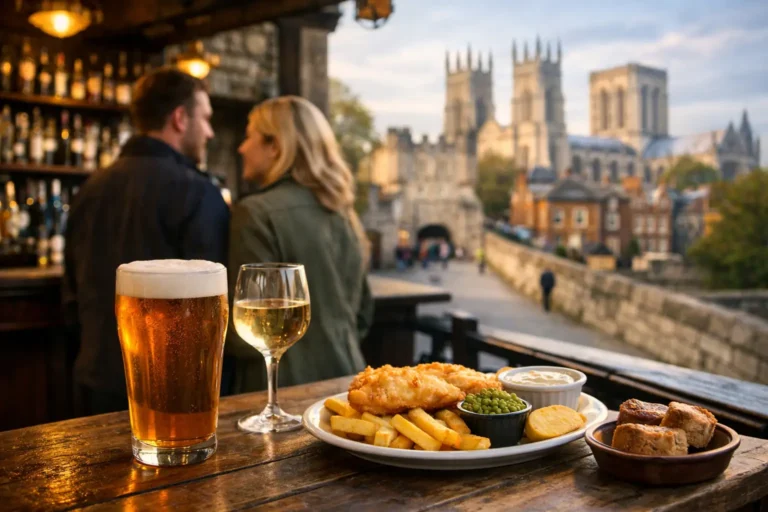
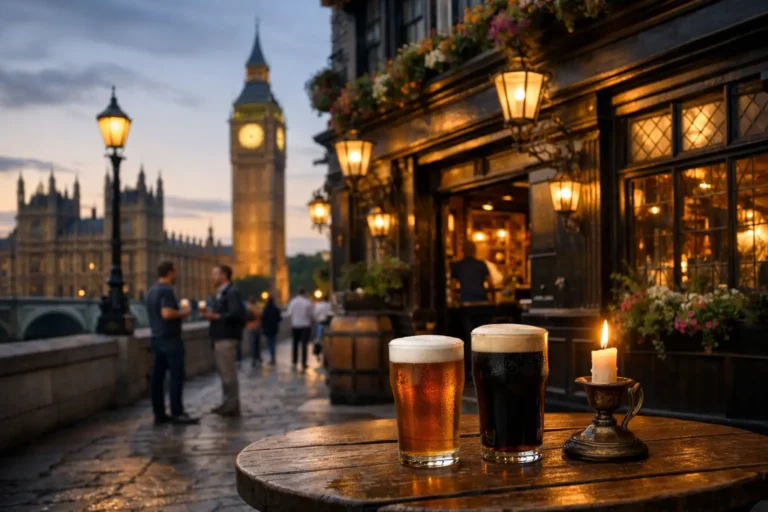
Great ale trails tell you something about the area. In Yorkshire, that might mean historic market-town pubs and a well-poured bitter. In the West Country, it could be brewery-linked inns, cider alongside ale, and a stop with views worth lingering over. Around London, a trail may reveal Victorian interiors, modern beer houses and old riverside pubs within a short train journey of one another.
You do not need expert knowledge to enjoy it. Ask what is local, what is drinking particularly well and whether the pub has a smaller sample available. Bar staff will often point you towards a seasonal beer or a house favourite, particularly when the bar is not heaving. Be open to trying styles you might normally pass over, but order what you actually fancy rather than performing enthusiasm for the most obscure pump clip.
Food can be part of the trail rather than an afterthought. A substantial lunch makes a long afternoon more manageable, while a final pub with proper pub grub gives the group a natural finish. If you are planning around a Sunday roast, book ahead and keep the route short. No one enjoys reaching the last stop to discover the kitchen has sold out.
Keep the day sociable and sensible
The best pub outings are considerate ones. Arrive politely, order at the bar when appropriate, and remember that a small independent pub may not be able to seat a large group without notice. Keep doorways and the bar clear, particularly at busy times, and be respectful of regulars who are there for a quiet drink.
Sort travel home before the first pint. Public transport, taxis and a designated driver all need thinking about, especially outside larger towns. A countryside ale trail is not the place to assume there will be a late bus. If plans change, be happy to stop early or settle in somewhere comfortable rather than chasing one more venue.
For routes you want to repeat, the Pubs Near Me: Pub Finder UK Android app can help you find pubs nearby, save favourite pubs, build a pub crawl, track pubs visited and keep notes on the beers you have tried. It is particularly handy when a promising detour turns into a pub worth returning to with a different group.
So, which should you choose?
Choose a pub crawl when you want a lively, flexible day with different kinds of pubs close together. Choose an ale trail when the pleasure lies in local beer, a scenic route or discovering the story behind a region’s pubs. Either way, resist the temptation to cram in every venue on the list. Leave one or two for next time, because a good pub route should give you a reason to come back.