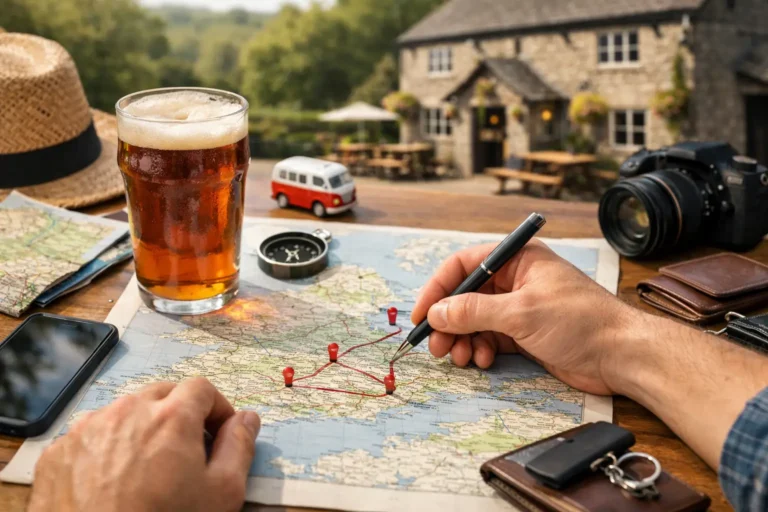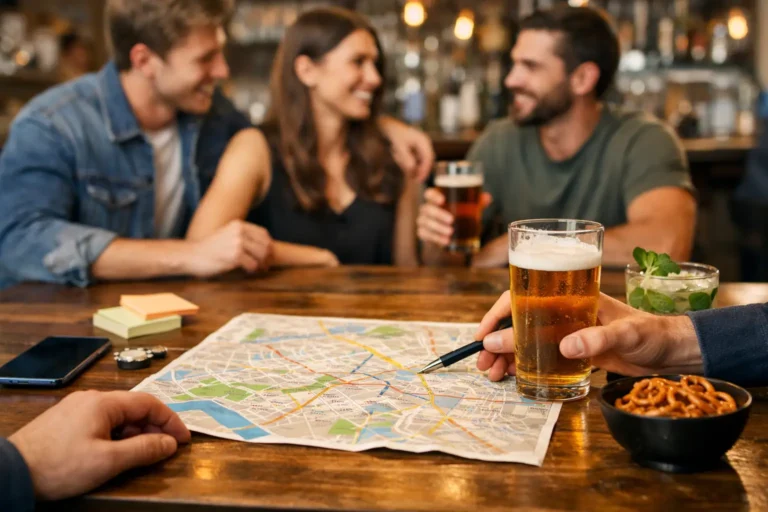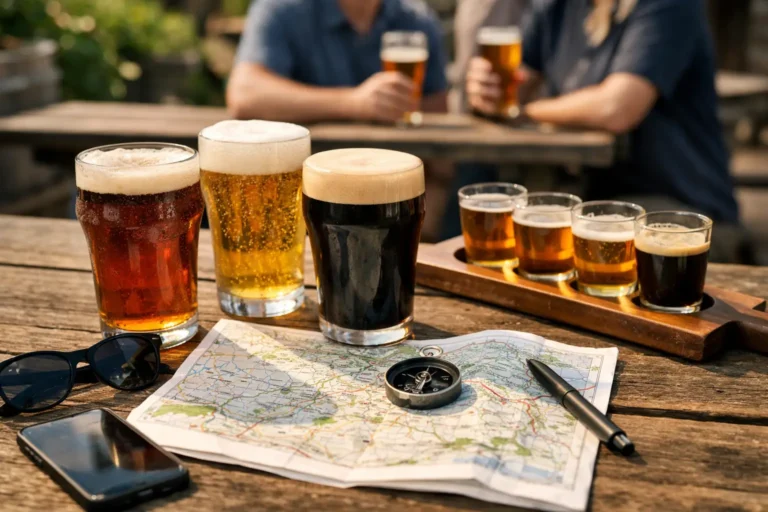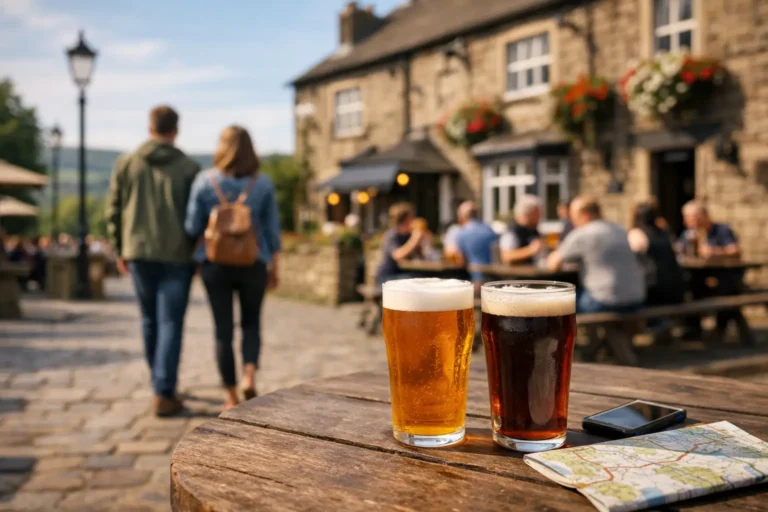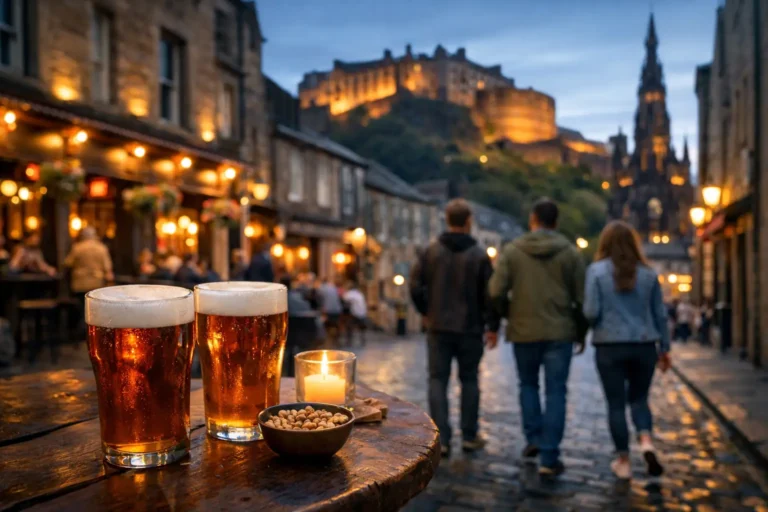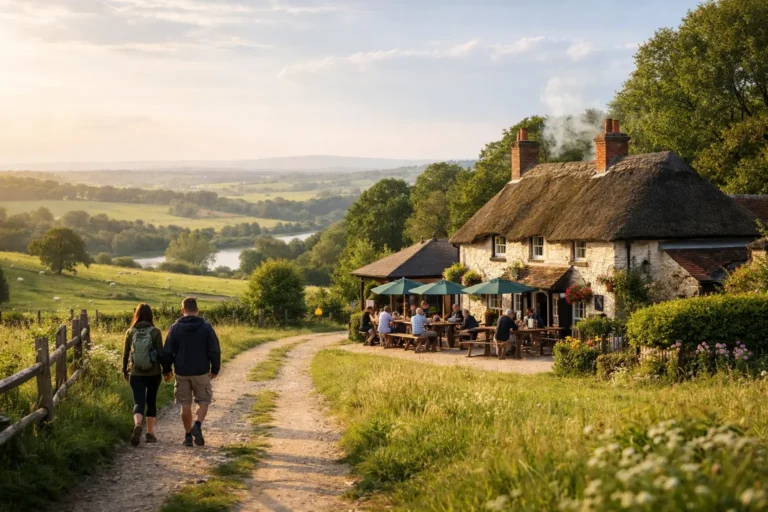

A good Saturday route can start with a quiet pint in a Victorian local, take in a proper cask ale house, and finish somewhere with music and a late kitchen. Call it what you like, but the pub crawl vs bar crawl question comes up surprisingly often – especially when planning a day out in a British town or city.
The short answer is that the terms overlap. Both mean visiting several drinking venues in one outing. But in the UK, a pub crawl usually carries a stronger sense of local character, good beer and a route built around pubs worth seeking out. A bar crawl tends to sound later, livelier and more nightlife-focused. Neither is better by default. It depends what you want from the day, who is coming along, and the sort of places you would genuinely be pleased to spend time in.
Pub crawl vs bar crawl: the practical difference
A pub crawl is generally about the pubs themselves. You might choose a historic inn for its timber beams, a backstreet boozer for its hand-pulled bitter, a riverside pub for its beer garden, then a friendly local that does a decent pie. The pleasure is as much in the changing atmosphere as it is in moving on to the next pint.
A bar crawl is more likely to centre on bars, cocktails, DJs, late licences and a busier evening crowd. It may begin after dinner rather than at lunchtime, and the route often sticks to a compact nightlife area. Think city-centre cocktail bars, craft beer taprooms, rooftop spots and venues where the music gets louder as the night goes on.
Of course, real life is less tidy than the labels suggest. Many brilliant UK routes mix traditional pubs with modern beer bars, and plenty of pubs stay open late with an energetic crowd. The useful distinction is not a rulebook. It is a way of setting expectations before everyone arrives wearing the wrong shoes for a long walk or expecting a quiet chat in a packed bar.
What makes a proper British pub crawl?
The best pub crawls have a bit of shape to them. They are not simply a race through as many doors as possible. A good route lets each venue bring something different: a pub with history, one known for cask ale, another with great food, perhaps a tucked-away garden or a fine view across the water.
There is often a sense of place, too. In York, Edinburgh, Bristol, Manchester or Belfast, a well-planned crawl can reveal more of the city than a single drinking spot ever could. Even a small market town can offer a lovely afternoon if you connect three or four pubs with different personalities and leave time to notice the surroundings.
For many pub-goers, beer is part of the point. That does not mean everyone needs to be an ale expert. It simply means the choice of drink matters: a well-kept bitter, local pale ale, stout, cider or alcohol-free option can give each stop its own reason for being there. A pub crawl also works well for food-led groups, provided you plan a proper meal or substantial snack rather than treating crisps as a strategy.
When a bar crawl makes more sense
A bar crawl is often the better description for a birthday night out, a hen or stag gathering, or an evening when the group wants cocktails, dancing and a more upbeat finish. If your priority is staying within a few minutes’ walk of each venue, booking tables, or finding places open later, bars may suit the plan more naturally.
That said, it is worth being honest about pace. A bar crawl can become expensive quickly, particularly in city centres, and quieter venues may not be the right fit for a large, noisy group. Booking ahead, checking door policies and agreeing a meeting point can prevent the usual last-minute wandering around in the rain.
For a mixed-age group, a pub-first route with one smart bar at the end is often a happy compromise. You get the conversation and character of a good pub crawl without missing the chance for a livelier last stop.
Choose the route before choosing the drinks
Whether you call it a pub crawl or bar crawl, the route matters more than the number of venues. Four good stops within easy walking distance will usually beat eight places spread across town. Constantly checking maps, waiting for taxis and trying to reunite the group drains the fun from an otherwise promising day.
Start by deciding the occasion. Are you showing visiting friends the best local pubs? Looking for a relaxed Saturday with good food? Organising a work social where people will arrive at different times? Or planning a late night for a group that prefers cocktails to cask ale? Your answer should guide the venues, timing and distance.
A practical pub crawl often follows a simple rhythm: begin somewhere comfortable and easy to reach, add the most distinctive pub in the middle, include food at a sensible point, then finish near transport home. Leave a little room for spontaneity. If a pub is unexpectedly packed, a garden is closed, or the group has found somewhere they love, it is perfectly fine to stay longer or skip a stop.
The Pubs Near Me: Pub Finder UK Android app can help keep that planning straightforward. Use it to find pubs nearby, save favourite pubs, build a route, track pubs visited and add your own ratings afterwards. It is especially handy when you are travelling or trying to turn a few promising pins on a map into a route that actually works on foot.
A few details worth checking first
Before setting off, check opening hours, food service times and whether a venue takes bookings. This matters most on Sundays, bank holidays and match days, when a normally calm pub can be very busy. If anyone in the group has accessibility needs, brings a dog, or would prefer alcohol-free choices, build that into the route rather than treating it as an afterthought.
It is also sensible to keep the group manageable. Six to ten people can work well in most pubs; much larger groups may need advance notice or a more spacious venue. Be considerate of staff and regulars, particularly in small locals where a sudden crowd can change the feel of the room.
How to keep the day enjoyable
The memorable crawls are rarely the fastest ones. Alternate alcoholic drinks with water, have food, and do not feel obliged to have a full drink at every stop. A half pint, a small glass of wine, a soft drink or an alcohol-free beer all count as joining in. The aim is to enjoy several pubs and get home safely, not to turn a good local route into an endurance test.
Keep an eye on the group as well. Someone who has gone quiet, lost their coat or missed the last train needs more attention than the next item on the itinerary. Agree a finish time or final venue, make sure mobile phones are charged where possible, and use public transport or pre-booked taxis rather than relying on a last-minute plan.
Good pub etiquette helps, too. Order patiently, avoid blocking the bar, treat staff with respect and remember that not every pub is built for loud celebrations. A friendly group that buys food, enjoys the pub and leaves it as they found it will be welcome back.
So, which one should you call it?
Use “pub crawl” when the route is about discovering great pubs, local beer, heritage and atmosphere. Use “bar crawl” when the evening is driven by bars, cocktails and late-night energy. If your plan includes both, call it whatever makes sense to your group – nobody is likely to object once they are settled in somewhere with a good pint and good company.
The best approach is to choose places with genuine character, keep the route realistic, and leave enough time to enjoy each stop. A well-chosen crawl should make you want to return to at least one pub on another day, when there is no schedule at all.