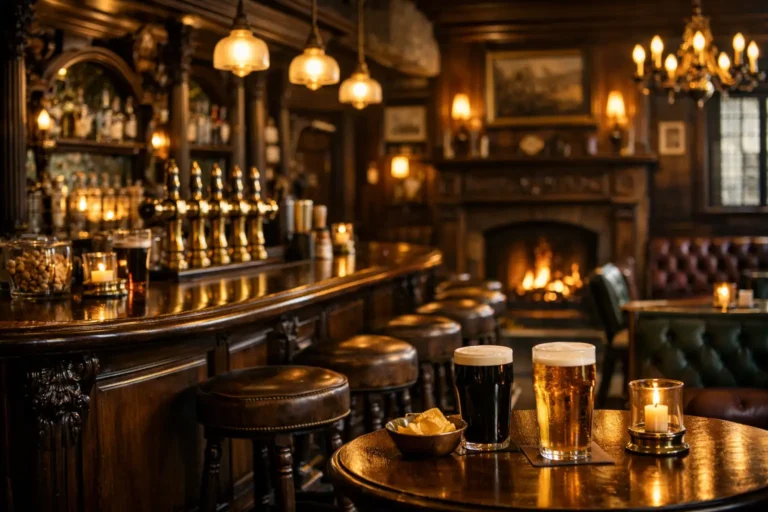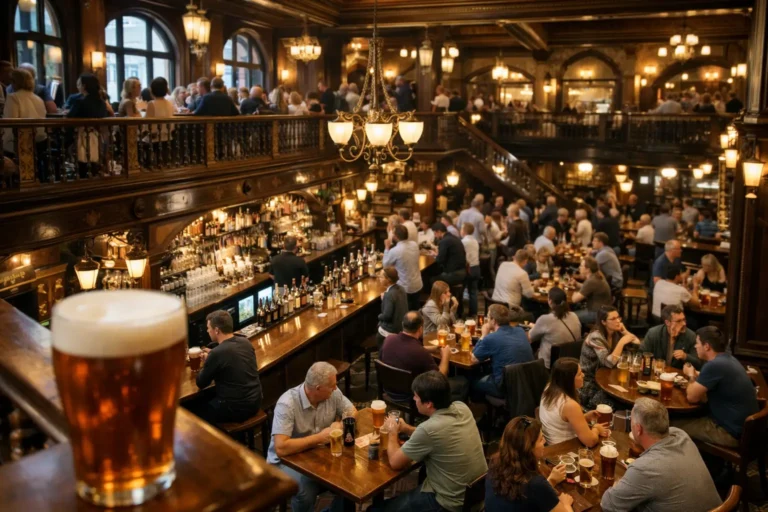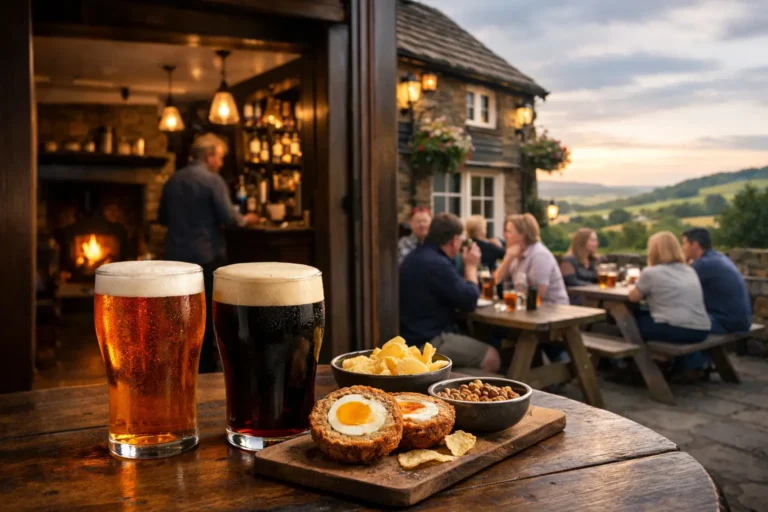

A pub can look brilliant on paper and still be the wrong shout on the night. Maybe the cask range is excellent but it is too noisy for a quiet catch-up. Maybe the beer garden is a winner in July, but the food offer is limited if you are planning a long Sunday session with family. That is why good pub reviews matter. They help you work out not just whether a pub is good, but whether it is right for what you actually want.
The best pub reviews are practical. They tell you what the place feels like, who it suits, what it does well and where expectations should be set properly. That is far more useful than a vague five-star rating or a moan about one bad evening. If you are choosing between a historic city-centre boozer, a polished gastropub or a lively sports pub before kick-off, context matters.
What pub reviews should actually tell you
A useful review gives you enough detail to picture the visit before you arrive. Atmosphere is usually the starting point. Is it a proper old local with worn-in charm, a smart modern pub with a food-first crowd, or a tucked-away ale house where the beer list does the talking? None of those is automatically better than the others, but they suit different occasions.
Then there is the practical side. A review should mention the beer range, food quality, service style and layout without drifting into waffle. If the pub is known for cask ale, that matters. If it is better for a quick pint than a full evening, that matters too. The same goes for things like outdoor space, dog-friendliness, accessibility and whether booking is a good idea at busy times.
The strongest reviews also understand trade-offs. A famous historic pub may be worth visiting for character alone, but it might get packed and feel more touristy than local at peak times. A suburban gem might pour a superb pint and offer great value, but be less convenient if you are planning a central pub crawl. Honest reviews say that plainly.
How to spot honest pub reviews
There is a big difference between honest opinion and noise. Good pub reviews are specific. They mention what was tried, when the visit happened and what sort of experience the pub seems built for. If someone says a place has a strong rotating cask selection, friendly staff and a quieter upstairs room, that is useful. If they simply call it amazing or terrible, you are learning very little.
Balance is another good sign. Most decent pubs have strengths and limitations. A reviewer who can say, for example, that the atmosphere is excellent but the menu is fairly short usually sounds more trustworthy than someone claiming everything is perfect. The same applies the other way round. A one-off wait at the bar does not necessarily make a pub poor overall.
Freshness matters as well. Pub life changes quickly. Managers move on, kitchens improve, beer lines get sorted, gardens are renovated and old favourites can lose their edge. A review from three years ago might still be helpful for background, but recent impressions are more valuable if you are deciding where to go this weekend.
Why pub reviews matter more than generic venue ratings
Pubs are not interchangeable venues. That is the problem with broad review platforms that lump them in with bars, restaurants and everything else with a drinks licence. A pub has its own rhythms, expectations and points of difference. A proper review should understand the value of a well-kept pint, a welcoming snug, a reliable Sunday roast or a beer garden that catches the evening sun.
That focus makes pub-specific reviews more useful for real planning. If you are looking for a traditional British pub, you want to know about the feel of the room, the ale choice and whether regulars give it that lived-in sense of character. If you are organising a group day out, you probably care more about space, location, food, booking ease and how well the pub fits into a wider route.
This is where specialist platforms have an edge. A site built around pub discovery tends to offer more relevant detail, and community input often adds the kind of local knowledge you do not get from generic listings. You are not just asking whether a venue exists. You are asking whether it is worth your time.
Pub reviews for different kinds of pub-goer
Not everyone reads pub reviews for the same reason. A cask ale fan is likely to focus on cellar quality, guest beers and consistency. Someone planning a first date might care more about lighting, noise level and whether the place feels relaxed rather than chaotic. A family group could be looking at food, space and timing, while football supporters might want atmosphere and decent screens near the ground.
That is why the best reviews do more than hand out scores. They help different readers make different decisions. A pub can be excellent for one purpose and only average for another. A busy city pub might be cracking on a Friday evening but less appealing if you want a quiet conversation. A polished gastropub might be ideal for dinner, though less memorable if your main priority is adventurous beer.
When you read a review, it is worth asking one simple question: does this sound like my kind of pub for this kind of outing? That tends to be more revealing than any rating out of five.
Writing pub reviews that are fair and useful
If you leave your own reviews, a bit of care goes a long way. Start with what you actually experienced rather than what you expected. Mention the atmosphere, what you drank or ate, whether service felt warm and efficient, and anything that would genuinely help the next visitor. That could be as simple as noting that the garden fills up quickly, or that the pub feels cosier than the photos suggest.
Keep it fair. Every pub can have an off moment, especially during busy periods. If something was not quite right, explain it clearly without going over the top. Saying the wait for food was longer than expected on a packed Saturday afternoon is helpful. Turning one delay into a character assassination is not.
It also helps to be precise about what kind of pub it is. A traditional boozer should not be judged by gastropub standards, and a food-led country pub should not be criticised for not feeling like a late-night city bar. Good reviewing is partly about matching expectations to purpose.
Using pub reviews to plan better nights out
Pub reviews are most useful when you read them as part of a bigger picture. If you are heading somewhere new, combine recent reviews with practical planning. Look for patterns. If several people mention excellent cask ale, friendly staff and a strong midweek atmosphere, that is probably meaningful. If comments are mixed, think about why. Sometimes a place divides opinion because it serves one crowd brilliantly and another less well.
This is especially helpful when building a pub crawl or choosing between nearby options. One pub might be ideal as a first stop for food, another better later on for atmosphere, and a third worth adding purely for heritage or beer range. If you use a dedicated pub finder app, it is easier to compare pubs nearby, save favourite pubs for later and track pubs visited so you do not keep defaulting to the same familiar places.
For regular pub-goers, that turns pub reviews from passive reading into a proper planning tool. You are not only checking whether somewhere is decent. You are building better habits for discovering new locals, hidden gems and solid fallback options when plans change.
The role of community in better pub reviews
The best pub knowledge rarely comes from one voice alone. It comes from a mix of editorial judgement and community contribution. That balance matters because pubs are lived-in places. They change by season, by day of the week and even by time of day. A review written after a quiet Tuesday lunch may paint a very different picture from a Saturday night visit, and both can be true.
Community-led pub reviews help fill in those gaps. Locals know whether a pub has improved lately, whether the quiz night is worth timing your visit around, or whether the beer garden is a hidden gem that outsiders often miss. Editorial curation adds consistency, helping readers sort passing opinion from genuinely useful guidance.
That mix is what makes pub discovery more enjoyable. You get the charm of personal recommendation without losing the practical detail needed to make a good choice.
Pub reviews are at their best when they feel like advice from someone who knows what makes a good pub tick and wants you to have a better time when you get there. Read them for context, write them with care, and you will usually end up with fewer wasted pints and more memorable pubs.