
A pub can have a glowing overall score and still be completely wrong for your evening. That is where a useful community pub ratings guide comes in. Ratings are not just a league table of good and bad pubs – they are a shortcut to understanding what a place does well, who it suits and whether it matches the sort of pint, meal or catch-up you have in mind.
The best pub reviews combine local knowledge with enough detail to be genuinely useful. A regular might know that a small town pub comes alive on quiz night, while a visitor can tell you how welcoming it felt walking in for the first time. Read together, those views can reveal far more than a single star rating ever could.
What a pub rating should actually tell you
A score is a starting point, not a verdict. A four-star pub may be an outstanding old-school boozer with brilliant cask ale and no kitchen. Another four-star venue might be a polished gastropub known for Sunday lunch, with a shorter beer list and a quieter atmosphere. Neither is better in every situation.
When you read community ratings, look for the reason behind the number. Useful reviews tend to cover the basics: beer quality, food, service, value, atmosphere and the condition of the pub itself. They also mention the details that shape a visit, such as a sunny beer garden, a roaring fire, accessible facilities, live sport or whether dogs are genuinely welcome.
A lower score does not automatically mean a pub should be avoided. It may reflect one disappointing lunch service, a busy match day or a reviewer whose expectations did not fit the venue. Equally, a very high rating is most helpful when several reviewers describe similar strengths over time.
How to read community pub ratings properly
The most reliable approach is to read a spread of recent reviews rather than fixating on the average. A pub’s character can stay consistent for decades, but staffing, food menus, beer ranges and opening patterns can change quickly.
Start with your reason for going
Before comparing scores, decide what a good pub looks like for your plans. If you are arranging a Friday catch-up, you may value lively atmosphere and easy transport links. For a relaxed Sunday, you might care more about a decent roast, space between tables and somewhere to park. If cask ale is the priority, look for comments on condition, choice and turnover rather than simply whether the pub sells real ale.
This is especially useful when searching city guides. The best pubs in Manchester for a quiet pint after work will not necessarily be the right stops for a large birthday group. A historic pub near a station may be ideal for visitors with an hour to spare, while a hidden gem a mile away could reward an unhurried afternoon.
Check the dates and patterns
Three detailed reviews from the last few months usually tell you more than dozens of vague ratings from years ago. Notice repeated themes. If several people praise friendly bar staff, clean lines or a well-kept cellar, that is meaningful. If multiple reviewers mention slow food at peak times, treat it as something to plan around rather than a reason to write the venue off.
Timing matters too. A pub can feel very different on a sunny bank holiday, during a televised football match or on a quiet Tuesday afternoon. The best reviews say when the visit took place and give enough context for you to judge whether the experience applies to your own plans.
Give more weight to specifics than superlatives
“Lovely pub” is nice to hear, but it does not help much with choosing where to go. A review that says the pale ale was fresh, the garden had plenty of covered seating and food orders took 25 minutes during a busy Saturday lunch is far more valuable.
Specificity also makes criticism fairer. Saying that a particular dish arrived lukewarm, or that the music was louder than expected, gives the pub and future visitors something concrete to work with. Broad insults and one-star reactions without explanation rarely help anyone.
A community pub ratings guide for different pub styles
The same rating categories do not carry equal weight everywhere. That is not a flaw – it is part of what makes British pubs worth seeking out.
Traditional locals and historic boozers
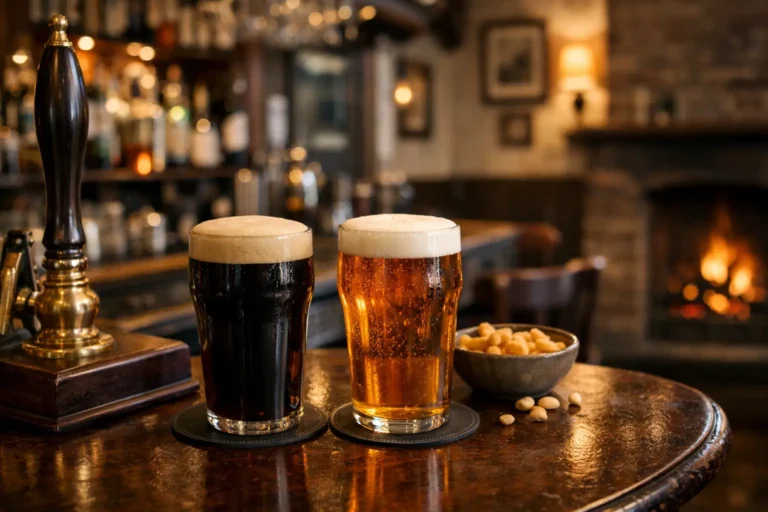
For a traditional local, atmosphere, welcome and beer quality may matter more than a vast food menu. Look for comments about conversation at the bar, regular events, local character and whether newcomers are made to feel at home. A compact Victorian pub with little room for prams or big groups can still be a superb place for a proper pint.
Historic pubs also come with practical trade-offs. Uneven floors, narrow stairs and snug corners may be central to the charm, but they will not suit every visitor. Honest reviews can celebrate the heritage while explaining the layout clearly.
Gastropubs and Sunday lunch spots
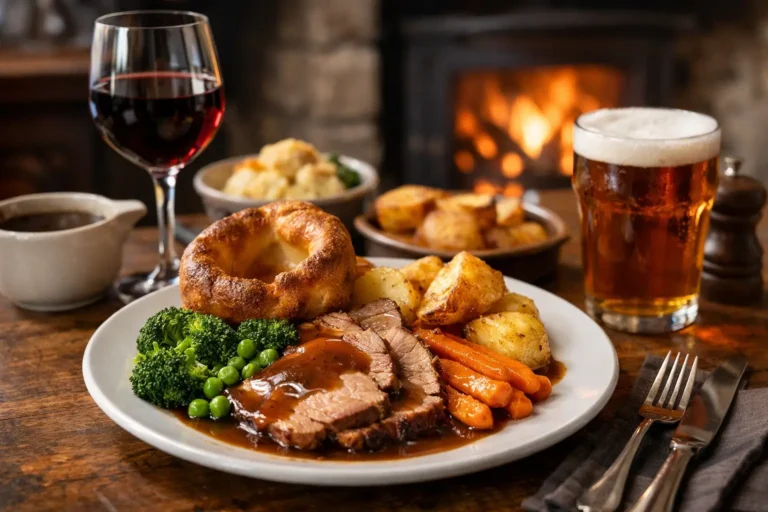
At food-led pubs, read beyond the overall score. Reviewers should mention portion size, menu range, dietary options, booking advice and whether the kitchen delivers consistently when the dining room is full. It is also worth checking whether drinkers without a meal feel equally comfortable, particularly if you only want a pint after a walk.
Price deserves context. A higher bill may be fair for locally sourced ingredients, attentive service and a carefully chosen drinks list. The useful question is whether people felt they received good value for the occasion.
Sports pubs, music venues and busy social pubs
For match-day pubs, a packed room can be exactly the point. Ratings become more useful when they explain screen visibility, the crowd, table booking, sound levels and how early to arrive. A complaint that a sports pub was noisy during a derby is less revealing than a review that tells you it was hard to order at the bar but the atmosphere was cracking.
The same applies to live music, karaoke and late-night venues. Check whether reviewers enjoyed the event and whether those looking for a quieter drink have mentioned calmer times to visit.
Beer gardens and rural pubs
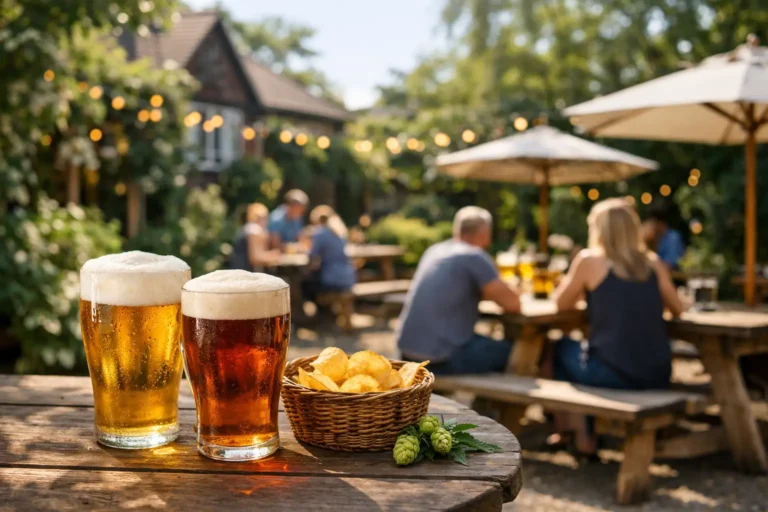
A beer garden rating should cover more than whether there are tables outside. Look for shade, shelter, children’s space, dog friendliness, views, table service and how well the garden works when the weather turns. Rural pubs may also need practical notes on parking, taxis and walking routes – particularly if you are planning a day out rather than calling in locally.
How to leave a rating that helps other pub-goers
Community reviews work best when they are written with the next visitor in mind. You do not need to write an essay. A few clear observations are enough, provided they are honest and fair.
Mention what you ordered or drank, when you visited and the kind of occasion. Say whether you would return, but explain why. If something was not right, keep it proportionate and factual. A pub may have had an off night, and a constructive review is more useful than a pile-on.
It also helps to recognise the difference between a personal preference and a genuine issue. You may prefer a quiet traditional bar, while another visitor loves a busy venue with a DJ. Both opinions belong in a rating if the context is clear. Cleanliness, safety, misleading information and poor beer condition are more objective concerns, so describe what happened without making assumptions about the people involved.
A strong review might say that the landlord recommended a local bitter, the pub was busy after the rugby but staff kept the queue moving, and the garden had heaters but limited cover. That gives someone planning a similar outing a clear picture in a few lines.
Use ratings to plan better pub days out
Ratings are most powerful when used alongside practical planning. Build a short list of pubs with different strengths: perhaps a historic opener, an ale house with a changing tap list, then a food stop with a good garden. Check recent comments before setting off, especially for kitchen hours and event nights.
The Pubs Near Me: Pub Finder UK Android app can make this easier when you are out and about. Use it to find pubs nearby, save favourite pubs, track pubs visited and build a sensible pub crawl around the places that genuinely appeal to your group. If you are trying different beers, its beer tracking feature can also save you from forgetting the standout pint from the afternoon.
Keep the route realistic. Allow time to enjoy each stop, eat when needed and make a safe plan for getting home. A well-paced crawl through three good pubs is usually more memorable than racing around eight.
Let the details lead the decision
The value of community ratings is not that they tell everyone to visit the same pub. It is that they make it easier to find the right one for a particular moment – a quiet midweek pint, a family lunch, a post-match crowd or an afternoon spent discovering somewhere new. Read the detail, add your own when you can, and leave room for the happy surprise of a pub that feels even better in person.