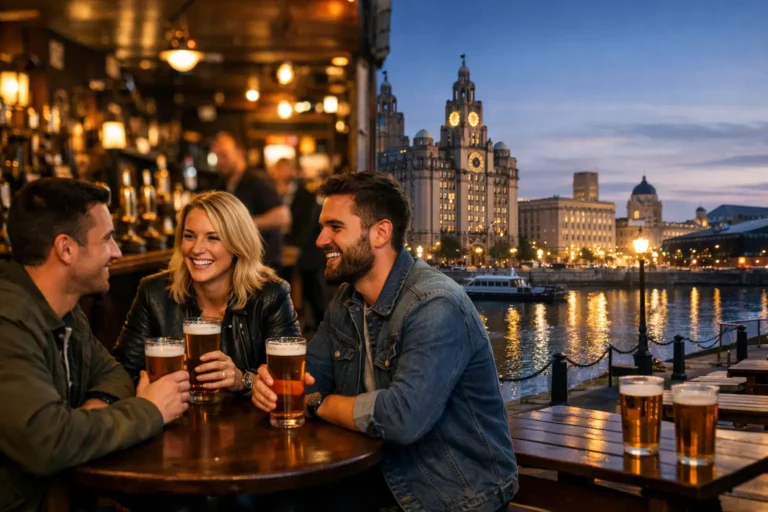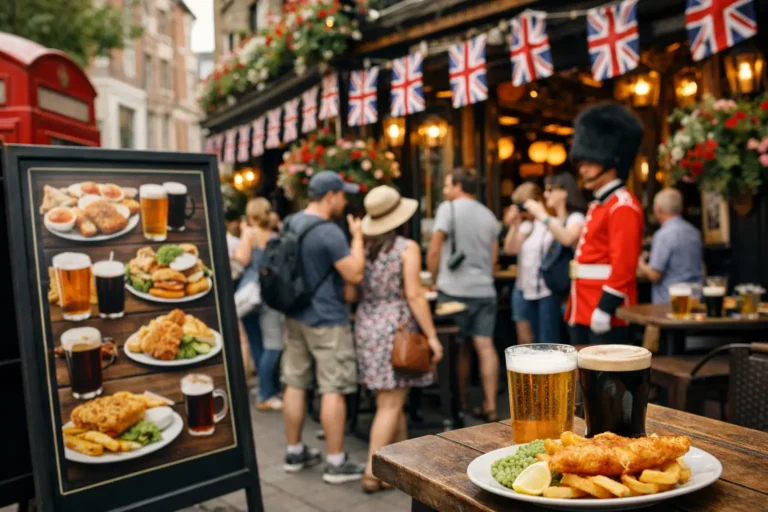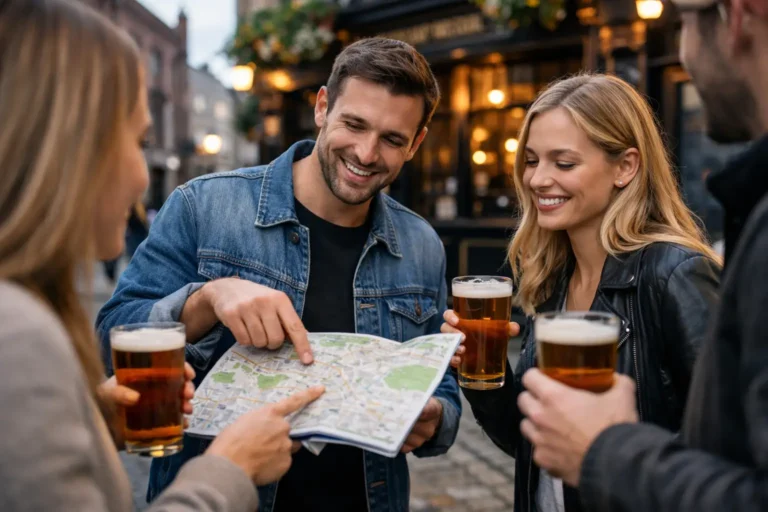
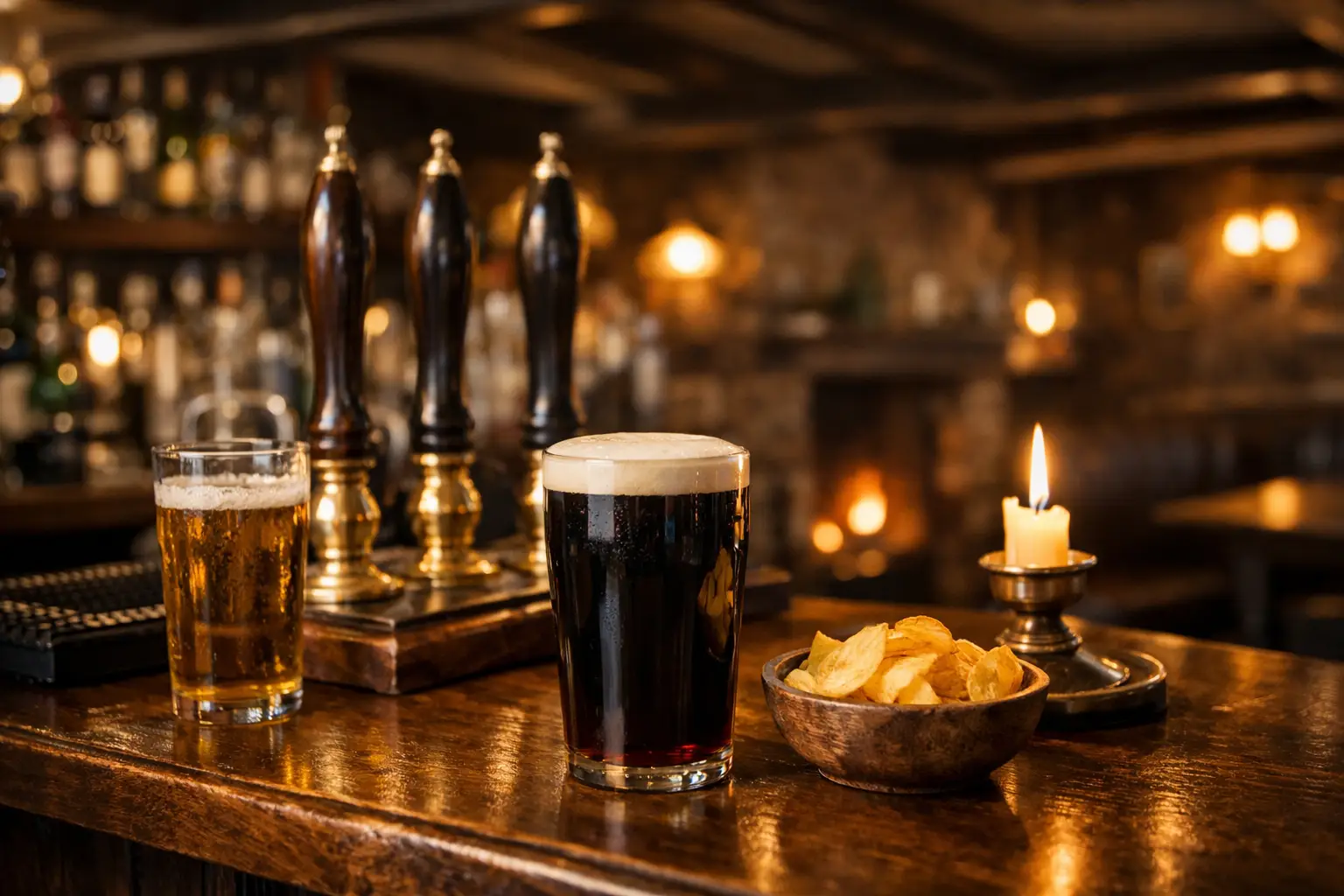
A low ceiling, a scuffed brass rail and a hand-pulled pint can set the tone, but a traditional pub is more than a collection of old-looking features. The best ones feel lived in. They have regulars chatting at the bar, a landlord or landlady who knows the rhythm of the place, and enough nooks to suit a quiet catch-up as well as a lively Friday evening.
This guide to traditional pubs is for anyone who would rather find a proper local than settle for the nearest generic bar. Whether you are visiting a new town, planning a weekend away or looking for a better regular near home, knowing what to look for makes the search far more rewarding.
What makes a traditional pub?
A traditional British pub is usually defined by its role in the community as much as its age. Some date back centuries, complete with beams, fireplaces and a story involving smugglers, coaching routes or a former innkeeper. Others were built in the Victorian or inter-war period and have their own appeal: etched glass, tiled floors, dark wood, snug rooms and a bar that remains firmly at the heart of the building.
Character matters, but it should not be confused with neglect. A well-kept traditional pub may have worn floorboards and mismatched furniture, yet it will still feel clean, cared for and comfortable. Look for signs that the pub is being looked after: clear beer lines, tables that are quickly reset, menus that match the kitchen’s ambitions and staff who are happy to talk through the drinks.
The drinks offer often gives the clearest clue. Cask-conditioned ale, a sensible selection of lagers, cider, stout and soft drinks, plus a few local options, is generally a better sign than an enormous list that nobody can confidently recommend. That does not mean every traditional pub needs to be an ale house. The point is care and suitability – a compact, well-served range beats choice for its own sake.
A guide to traditional pubs with real character
Start by considering the kind of visit you want. A historic city-centre pub can be ideal for a pint between sights, but may be busy, compact and pricier than a neighbourhood local. A village inn might offer a roaring fire, decent food and a relaxed pace, although reaching it can require a designated driver, a taxi or some careful public transport planning.
Photos are useful, but do not judge solely by a timbered frontage or a hanging sign. Read recent pub reviews for practical details: how the ale is kept, whether food is still served at the times advertised, how noisy it gets on match days, and whether the pub welcomes dogs or families in particular areas. Community feedback is especially helpful because pubs can change hands, alter their opening hours or shift their focus surprisingly quickly.
When you arrive, take a minute before ordering. Is the atmosphere friendly without being forced? Are people actually using the pub for a conversation, a meal, a game of darts or a quiet pint? A traditional pub does not need to be silent, and a busy bar can be a very good sign. What matters is whether the atmosphere feels natural rather than staged.
Look beyond the oldest building
Heritage is a bonus, not a guarantee of a good visit. Some of Britain’s most satisfying traditional pubs sit in fairly ordinary-looking buildings but have kept the things that matter: well-kept beer, a warm welcome, local knowledge and a sense that everyone can find their corner.
Likewise, a grand old coaching inn can be worth visiting for the building alone, but it may function mainly as a restaurant or hotel. That is not a criticism – it simply means it may not suit someone looking for a relaxed, pint-led afternoon. Match the pub to the occasion rather than chasing a particular image.
Read the bar before you order
The bar is where a pub shows its standards. Check the cask ale clips, but also notice whether the staff know what is pouring well that day. If you are unsure, it is perfectly normal to ask for a small taste of a cask beer before committing to a pint. A good pub will treat that as a sensible question, not a nuisance.
Freshness is crucial with cask ale. A pub with high turnover and careful cellaring will often serve a much better pint than one with a larger range that moves slowly. If beer is not your thing, the same principle applies to cider, wine and alcohol-free choices. A traditional pub should be welcoming to everyone at the table, including the person driving or simply not drinking.
Food deserves the same balanced approach. A proper pie, a ploughman’s or a Sunday roast can be part of the appeal, but a traditional pub is not automatically a gastropub. Some are at their best with a packet of crisps, a cheese cob and a superb pint. Others have kitchens worth making a booking for. Check the menu, serving times and whether you need to reserve before building your day around a meal.
Enjoy the customs without overthinking them
Pub etiquette is mostly common sense. Order at the bar unless there is clear table service, know your table number if the pub uses one, and avoid blocking the queue while deciding. In a busy traditional pub, a quick acknowledgement of who was waiting first goes a long way.
Respect the room you are in. Snugs and small bars can be close quarters, especially in older buildings, so keep bags out of walkways and save loud calls for a more suitable venue. If there is a quiz, live folk session or football on, expect the atmosphere to change. That variety is part of pub culture, but it pays to choose the right night for the sort of evening you want.
Most importantly, pace yourself. Traditional pubs reward lingering, conversation and a bit of curiosity far more than rushing through a long list of venues. Have some food, alternate with water where needed, and plan a safe journey home before the last orders bell becomes relevant.
Plan a better traditional pub crawl
A pub crawl works best when it has a purpose. You might follow a city’s historic inns, compare local cask ales, seek out pubs with open fires, or combine two or three old favourites with one new recommendation. Keep the route walkable and leave enough time to enjoy each stop rather than treating it as a checklist.
Three or four pubs is usually plenty for an afternoon or evening, particularly if meals and travel are involved. Choose contrasting stops: perhaps a bright Victorian corner pub, a compact backstreet boozer and a riverside inn. That gives you a better feel for an area’s pub scene than visiting several places that offer exactly the same experience.
Pubs Near Me: Pub Finder UK can help you find pubs nearby, save favourite pubs, build a route, track pubs visited and keep notes on the beers you enjoyed. It is particularly handy when a planned stop is unexpectedly full, closed for a private event or simply not quite the right fit on the day.
Traditional does not mean stuck in the past
The strongest traditional pubs hold on to their identity while moving with their community. They may offer good vegetarian food, decent alcohol-free beer, card payments and accessible information without losing the details that make them distinctive. A pub can welcome new customers, host a DJ once a month or pour a modern pale ale and still feel entirely rooted in local tradition.
That is why the best discoveries are often the least obvious. The pub with no dramatic history board may have the friendliest bar staff. The place known for real ale may also do an excellent no-alcohol stout. A rural inn may be dog-friendly in the bar but quieter in the dining room. Honest expectations make for better visits.
The next time you spot an old pub sign on a side street or a village green, give it more than a passing glance. Step inside, order what the house does well and take in the room. A great traditional pub is not preserved behind glass – it is a place people still choose to meet, talk and return to.