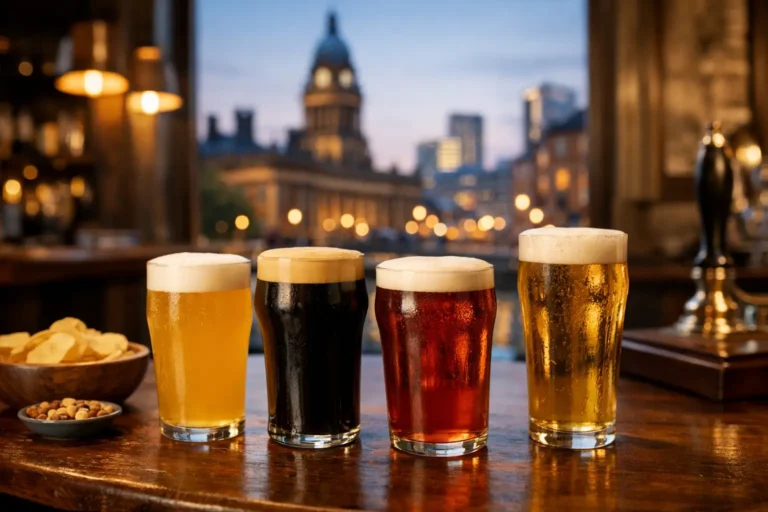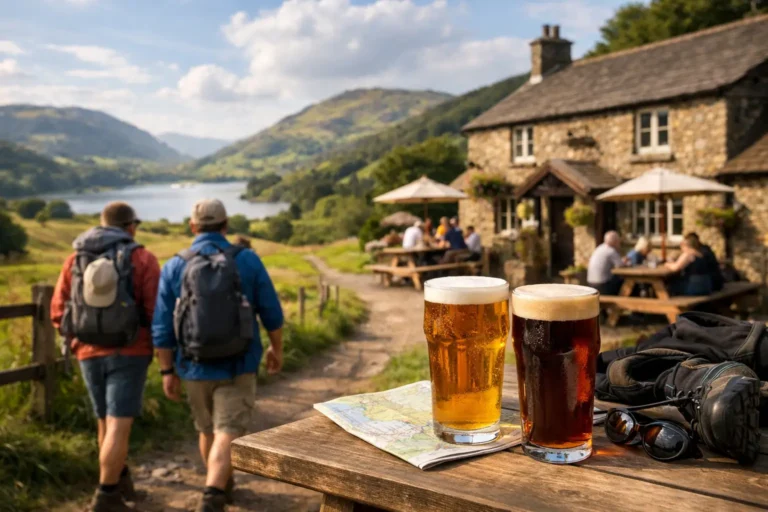
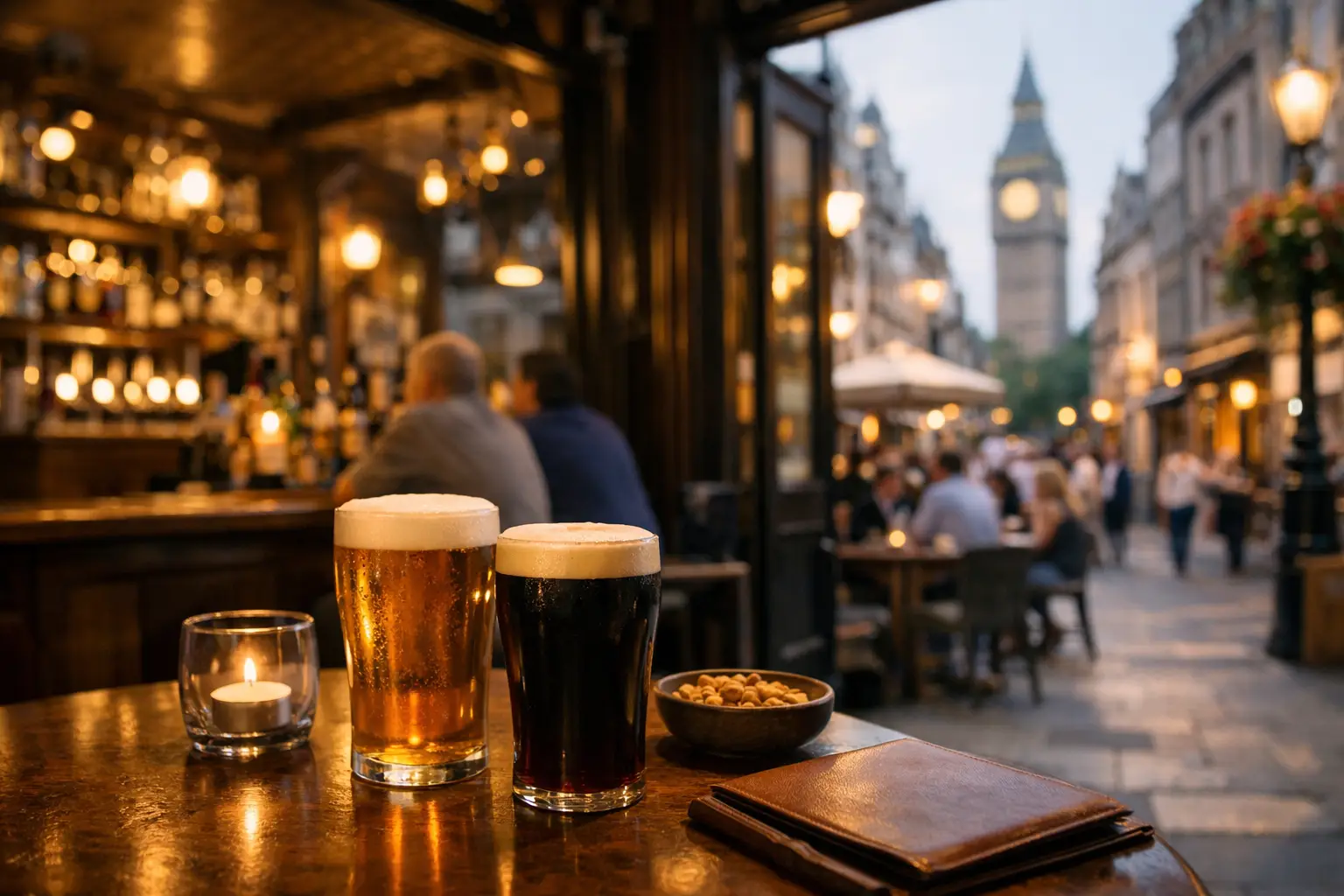
A city-centre pint can be the highlight of a Saturday, or a pricey disappointment in a room built for footfall rather than regulars. The best city centre pubs are worth seeking out because they offer something a generic bar rarely can: a proper sense of place, a well-kept beer and an atmosphere that works whether you are meeting friends, escaping the rain or breaking up a day of sightseeing.
The challenge is that every city centre has dozens of options within a few streets. Some are brilliant historic boozers, some excel at fresh food or independent beer, and others are at their best before a match or after work. Finding the right one starts with deciding what sort of pub occasion you actually want.
What makes a great city-centre pub?
Character matters, but it is not just about dark wood, old signs and brass fittings. A pub can be centuries old and still feel tired, while a newer venue can quickly become a local favourite by getting the essentials right. Look for a place with a clear identity, friendly and switched-on service, drinks that suit its audience and enough comfort to make you want to stay for another round.
The best pubs also understand their setting. Near a station, that may mean quick service and a reliable pint before the train. In an old quarter, it might mean preserving the building’s quirks while serving a thoughtful drinks list. Close to theatres, galleries or shopping streets, good opening hours and decent food can make all the difference.
A strong city pub need not do everything. One might be your choice for cask ale and quiet conversation; another for a Sunday roast; another for a lively table after the football. Honest pub discovery is about matching the venue to the moment, not pretending there is one perfect answer for everyone.
How to choose the best city centre pubs for your plans
Start with the practicalities. Check how far the pub is from where you will be, especially if you have a train to catch or a booking later on. A ten-minute walk is pleasant in daylight, but less appealing when the weather turns or you are trying to keep a group together on a busy evening.
Then consider who is coming along. A compact, atmospheric ale house may be ideal for two or three people but awkward for a birthday group. A spacious pub with booths and a broad food menu suits a longer catch-up, though it may lack the intimacy of a tiny back-street local. If you are bringing a dog, booking a meal, watching sport or looking for step-free access, confirm the details before setting off rather than assuming.
Recent reviews are particularly useful when read with a bit of judgement. Look for patterns rather than one glowing or grumpy comment. Several people mentioning excellent cask condition, warm staff or a great beer garden is meaningful. Equally, repeated notes about limited seating at peak times help you plan around a pub’s popularity rather than write it off.
For a proper pint
For real ale drinkers, turnover and care matter more than the length of the pump clip line. A smaller pub with a focused range that sells well can deliver a far better pint than somewhere offering a dozen choices with little movement. Ask what is drinking well, especially if you are unfamiliar with the local breweries.
Craft beer fans should look beyond the headline tap list too. Good cellaring, sensible glassware and a mix of styles are better signs than sheer quantity. A city-centre pub that balances local breweries with a few dependable favourites often makes for a more interesting stop than one chasing every passing trend.
For food, atmosphere and a longer stay
If food is central to the plan, book ahead for Friday and Saturday evenings, as well as Sunday lunch. A great pub kitchen can turn a quick drink into the anchor point of the day, but a food-led venue may have fewer quiet corners for a leisurely session. Check serving times as well. Many kitchens stop earlier than people expect, particularly on Sundays.
Atmosphere changes by the hour. A pub that feels wonderfully relaxed at 3pm may be packed by 6pm, while a lively Friday spot can be surprisingly calm on a midweek afternoon. If your group wants conversation, arrive early or choose a pub slightly away from the main shopping drag. If you want energy, the central streets may be exactly where you should be.
Look one street beyond the obvious
The busiest square, waterfront or station approach is not automatically where the best pub is. High-footfall locations often have higher costs and a more transient crowd, which can shape the offer. That does not make them poor choices – convenience has real value – but the most memorable pint is often found a few minutes away.
Search the lanes behind the main road, older market areas, streets near independent shops and routes between cultural attractions. This is where you are more likely to find a traditional pub with regulars, a specialist beer house, or a smaller venue with a more personal feel. It is also a sensible way to build a pub crawl without spending the whole afternoon crossing the city.
A good route has variety. Begin somewhere calm where everyone can arrive and settle in, add a second pub with a contrasting beer range or stronger food offer, and finish near transport or your evening plans. Keep walks manageable, allow time to enjoy each stop and include water and food along the way. The point is to notice the pubs, not rush through them.
For planning, Pubs Near Me: Pub Finder UK can help you find pubs nearby, save favourite pubs, build a route, track pubs visited and add your own ratings. It is particularly handy in an unfamiliar city, where a saved shortlist gives you options if the first place is full or simply not the mood you hoped for.
A quick check before you go in
You can learn a surprising amount in the first minute. Is the bar tidy and being attended to? Does the room have the kind of noise level you came for? Are people eating, chatting, watching the match or standing at the bar? None of these is a universal marker of quality, but together they tell you whether the pub fits your plan.
Before committing a group to a long stay, check five things:
- Whether there is enough seating now, and later if friends are joining.
- The current cask, keg, wine and low-alcohol options.
- Food availability, including any dietary requirements in your party.
- The likely atmosphere around kick-off, live music or evening peak times.
- The route home, particularly if you are moving between several pubs.
This is not about turning a pub visit into a spreadsheet. It simply avoids the familiar problems of arriving hungry after the kitchen has shut, choosing a quiet catch-up spot on match day, or losing half the group between venues.
Give city pubs the time they deserve
It is tempting to judge a pub solely on first impressions, especially in a busy centre where another option is always nearby. But good pubs have rhythms. The best seat may open up after the lunch crowd leaves; the real strength of the beer range may be clearer after a chat with the person behind the bar; the atmosphere may warm as a few regulars arrive.
At the same time, trust your instincts. If a pub is too loud, too busy or not offering what you came for, there is no shame in moving on politely. City centres reward curiosity, and each visit helps you build a better sense of the places that suit you.
The most rewarding pub days usually mix a little planning with room for chance. Pick one reliable stop, leave space for a hidden gem, pace yourselves and make a note of the place you would happily return to. That is how a convenient city-centre drink becomes a pub worth recommending.