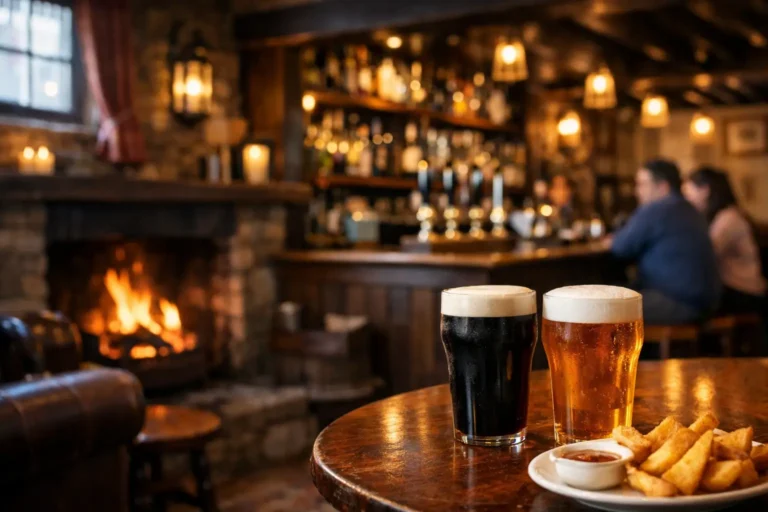
A pub can be open, busy and pouring excellent pints while its kitchen is firmly closed. That catches plenty of people out, particularly on a Sunday evening or during the gap between lunch and dinner. If you are asking, “when do pubs serve food?”, the honest answer is that it varies by pub – but a few familiar patterns make planning much easier.
Unlike a restaurant, a pub’s food service is often built around the rhythm of the day: lunches for walkers, workers and shoppers; evening meals for locals and groups; then the Sunday roast rush. Knowing the usual timings means less time settling for crisps and more time finding the right table, pint and plate of food.
When do pubs serve food in the UK?
Most food-led pubs serve lunch from around 12pm until 2.30pm or 3pm, then reopen the kitchen for dinner between 5pm and 9pm. Many modern gastropubs and busy town-centre venues serve an all-day menu, commonly from midday until 9pm or later, especially on Fridays and Saturdays.
Those are useful guide times, not a promise. A small village local may only open its kitchen from Thursday to Sunday. A traditional wet-led pub might put on filled rolls at lunchtime but not serve cooked meals at all. Meanwhile, a pub close to a station, tourist spot or city centre may keep food going from late morning until close.
The main thing to remember is that pub opening hours and kitchen hours are different. A pub may stay open until 11pm while taking its final food orders at 8.30pm. Equally, the kitchen could be serving lunch before the bar gets particularly lively.
Typical pub food serving times
While every venue sets its own schedule, these are the patterns you will come across most often.
Weekday lunch
Monday to Friday lunch service usually starts at 12pm. Last orders tend to fall between 2pm and 3pm, although pubs near offices may serve until 3.30pm. This is the best window for a quieter meal, particularly if you want a classic pie, fish and chips or a ploughman’s without the Friday evening bustle.
Monday and Tuesday are the days most likely to have reduced hours. Some independent pubs shut the kitchen entirely at the start of the week, especially outside larger towns and cities. It is not a bad sign – it often reflects a small team, a sensible rota and a focus on doing service properly when the pub is busiest.
Weekday evenings
Dinner commonly begins at 5pm or 5.30pm and runs to 8.30pm, 9pm or 9.30pm. In neighbourhood pubs, last orders can be earlier on quieter nights. City pubs, food destinations and places with theatre or match-day trade may serve later.
If you are meeting friends after work, 7pm is usually a safe bet. Arriving at 8.45pm is more uncertain, even where the menu says food is served until 9pm. Kitchens need time for final orders, and some pubs stop taking bookings or walk-ins shortly before the advertised finish.
Friday and Saturday
Fridays and Saturdays are often the most generous days for food hours. Many pubs serve all day, or at least keep the kitchen open later than usual. They are also the days when a straightforward walk-in can become difficult, especially at popular gastropubs, pubs with beer gardens, and venues near sporting grounds or live music.
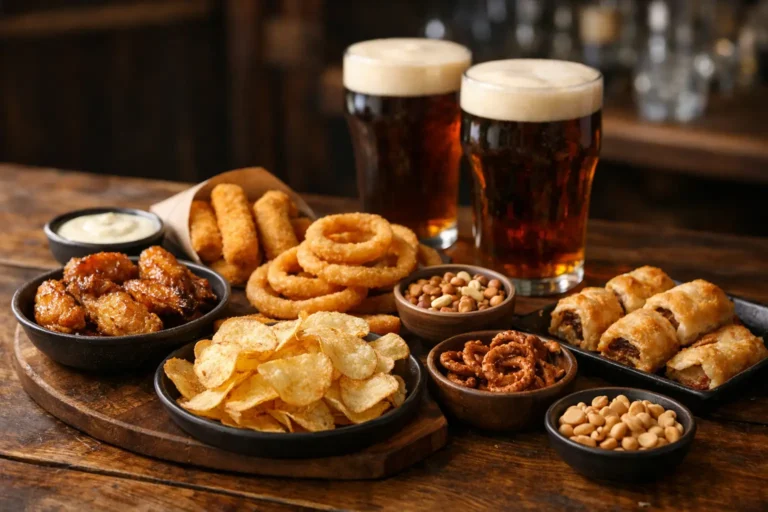
Late food service does not always mean late-night dining. A pub may continue serving bar snacks, pizzas or a shorter menu after the main kitchen closes. Check which menu applies rather than assuming the full menu is available.
Sunday lunch and evening food
Sunday is roast territory. Food may start from noon, with the busiest period usually between 1pm and 3pm. The best Sunday roasts can sell out, and several pubs operate on bookings only for larger tables. If a particular dish matters to your group, an early booking is kinder to everyone involved.
Sunday kitchens also tend to close earlier. Last food orders may be around 4pm, 5pm or 6pm, although larger pubs can serve into the evening. Do not assume a pub that serves food until 9pm on Saturday will do the same on Sunday.
Why pub kitchen hours change
Kitchen hours are shaped by much more than the licence on the door. Staffing, footfall, the size of the kitchen, local demand and the type of menu all make a difference. A pub cooking roasts, steaks and seasonal dishes from scratch needs more preparation and a stronger kitchen team than one serving a short pizza menu.
Location matters too. A rural pub may focus on long Sunday lunches and weekend walkers, while an urban pub can be busiest on weekday evenings. Pubs near football grounds may change their service around kick-off times, sometimes offering a match-day menu rather than their usual dishes.
Season plays a part. Beer garden weather can make a sunny Saturday unexpectedly hectic, while December brings Christmas parties and booked festive menus. Bank holidays can mean extended hours, restricted menus or kitchen closures, depending on the pub. The only reliable rule is to check the pub’s current food hours before travelling.
How to avoid turning up after the kitchen closes
Start by looking for the words “food served” or “kitchen hours”, not simply “open”. Menus often show service times separately, and booking pages can reveal the latest available table. If the information is unclear, a quick call is perfectly reasonable, particularly for a larger group, dietary requirements or a Sunday roast.
When planning a pub crawl, decide whether food is the main event or a useful stop along the way. If you want a proper meal, book a table at the pub most likely to be busy, then build the rest of the route around it. A relaxed crawl works better when nobody is trying to find dinner at 9pm in an unfamiliar area.
The Pubs Near Me: Pub Finder UK Android app can be handy here: use it to find pubs nearby, save favourite pubs for later and build a route around places you want to try. Community ratings and your own notes can help you remember which pubs are best for a roast, a quick lunch or a post-walk pint.
Food service is not always the full menu
A pub can technically be serving food while offering something quite different from the menu you saw earlier. Between services, there may only be bar snacks. During a major match, a reduced menu may replace the usual one. On Sundays, roasts may be available until they sell out, with the regular menu returning later – or not at all.
This is worth checking if someone in your party is vegetarian, vegan, gluten-free or managing an allergy. Pub kitchens vary widely in what they can prepare safely during a busy shift. Letting the team know in advance gives them the best chance to help, and avoids an awkward scramble once everyone is seated.
For families, ask about children’s serving times as well. Some pubs offer a children’s menu throughout normal food hours, while others stop it earlier in the evening. Dog-friendly pubs can be equally variable: dogs may be welcome in the bar and garden but not in the dining room.
A few useful timings for common pub plans
For a weekday lunch, aim to arrive between 12pm and 1.30pm. For an evening meal, book or turn up by 7.30pm if you want the widest choice and a less rushed order. For a Sunday roast, reserve a table between noon and 2pm, especially for groups.
If you are travelling, leave more of a buffer than you think you need. A delayed train, a full car park or an appealing stop at a historic pub can easily push a carefully timed meal past last orders. There is nothing wrong with choosing a pub for the atmosphere and another for dinner, but it is much nicer when that is the plan rather than the accident.
Good pubs make food feel part of the occasion, whether that is a bowl of chips alongside a pint, a hearty lunch after a walk or a roast that gathers the whole table. Check the kitchen hours, arrive with time to spare, and you can concentrate on the enjoyable bit: finding a pub with the sort of welcome that makes you want to stay for one more soft drink, dessert or unhurried conversation.