A good pub night is no longer judged by the first pint alone. People still want a properly kept cask ale, a welcoming bar and someone behind it who knows the room, but the reasons we choose one pub over another have broadened. The most interesting pub culture trends are not about replacing tradition. They are about giving the local, the city-centre boozer and the destination gastropub more ways to earn a place in people’s week.
For pub-goers, that means more choice. For landlords and teams, it means balancing the things that make a pub distinctive with the practical needs of a changing crowd. A roaring fire and a darts board can sit happily alongside a thoughtful alcohol-free fridge, a decent coffee machine and a well-run quiz night. The pubs getting it right tend to make these additions feel like part of the place, rather than a bolt-on.
Pub culture trends are putting atmosphere first
For all the talk of food menus, craft beer and digital booking systems, atmosphere remains the deciding factor. A pub can have an impressive range of drinks, but if it feels anonymous, overly loud or uncomfortable to settle into, people will simply try somewhere else next time.
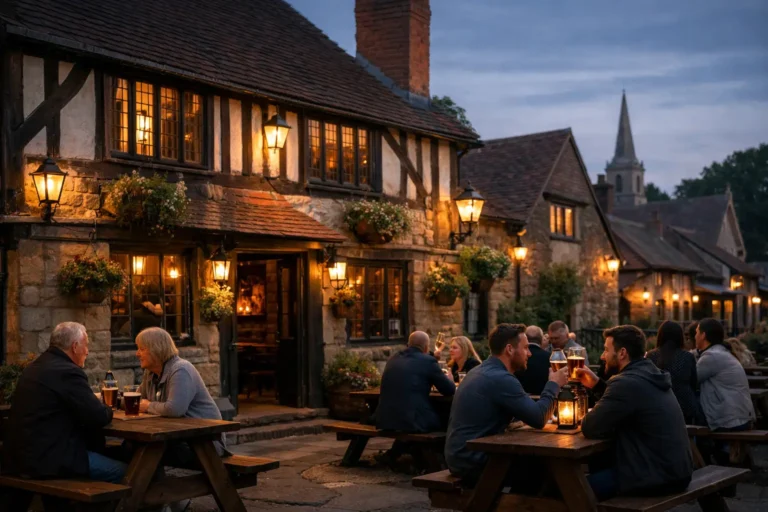
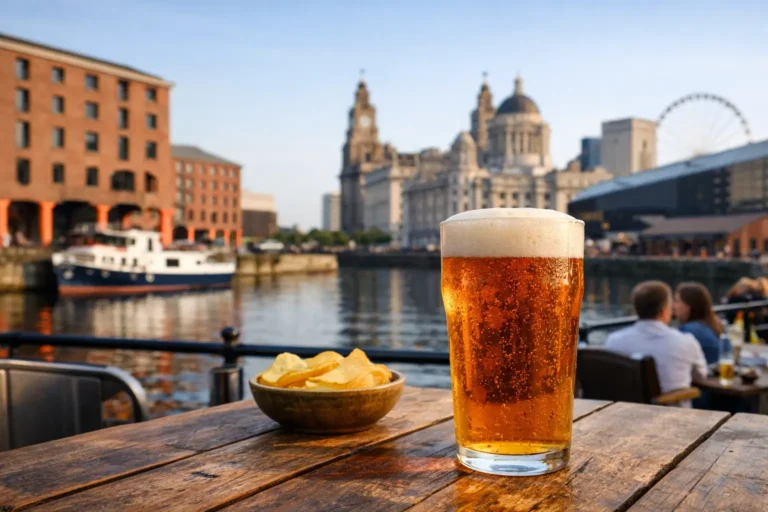
That is why character matters more than polish. Regulars and visitors alike are looking for pubs with a clear sense of themselves: perhaps a traditional ale house with old photographs on the wall, a canalside pub built for sunny afternoons, or a friendly neighbourhood spot where solo visitors do not feel out of place. The strongest venues know what they are and do not chase every passing fashion.
This does not mean every pub must remain frozen in time. Better lighting, comfortable seating, accessible toilets and a sensible layout can transform the experience without sanding off the personality. The trade-off is obvious: a major refit may attract a new audience, but it can also alienate the regulars who made the pub viable in the first place. The clever approach is evolution, not reinvention for its own sake.
Better choice, without making the bar bewildering
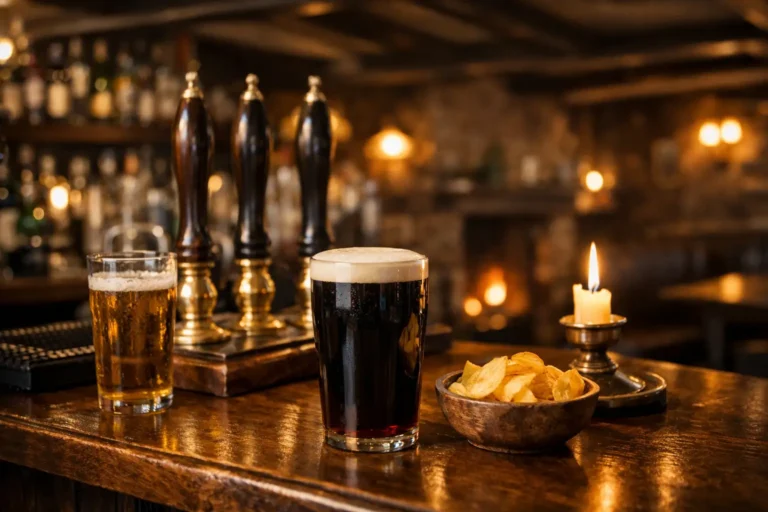
Beer choice has become more varied, but many drinkers are moving away from novelty for novelty’s sake. A tap list crammed with unfamiliar names can be exciting for enthusiasts, yet most people want a handful of well-kept, clearly explained options. They might choose a familiar bitter, a local pale ale, a stout, a good cider or a lager that has been served at the right temperature.
Cask ale still has a real role here. It offers regional character and gives a pub a point of difference, especially when the staff can say what is drinking well that day. Rotating guest beers work best when they complement a reliable core range rather than constantly replacing it. For anyone planning an ale trail, that mix of dependable favourites and local surprises is half the pleasure.
Alcohol-free and low-alcohol options have also moved from an afterthought to a basic expectation. Pub-goers may be driving, taking a break from drinking, pacing themselves across a long afternoon or simply choosing a different sort of night out. A decent alcohol-free beer, quality soft drink and proper coffee let everyone stay involved in the occasion. This is not about making pubs less social. It is about making them more welcoming to the whole group.
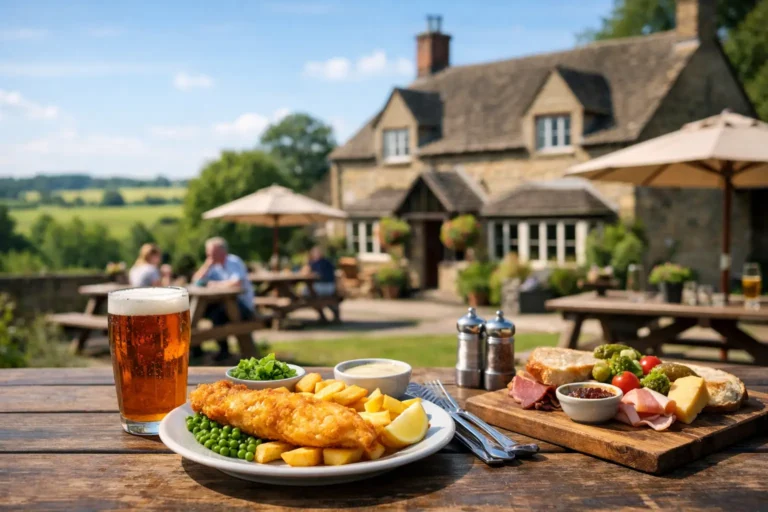
Food follows a similar pattern. A brilliant Sunday roast, a proper pie or a short menu of well-made pub classics will often beat an oversized menu trying to cover every cuisine. Gastropubs continue to draw people out for a meal, while many traditional pubs are finding success with focused food offers that suit their kitchen, their customers and their pace of service. If the food is central to your visit, booking ahead is sensible. If the pub is mainly about a pint and a catch-up, a simple bar snack may be exactly what the setting needs.
The return of the pub as a local meeting place
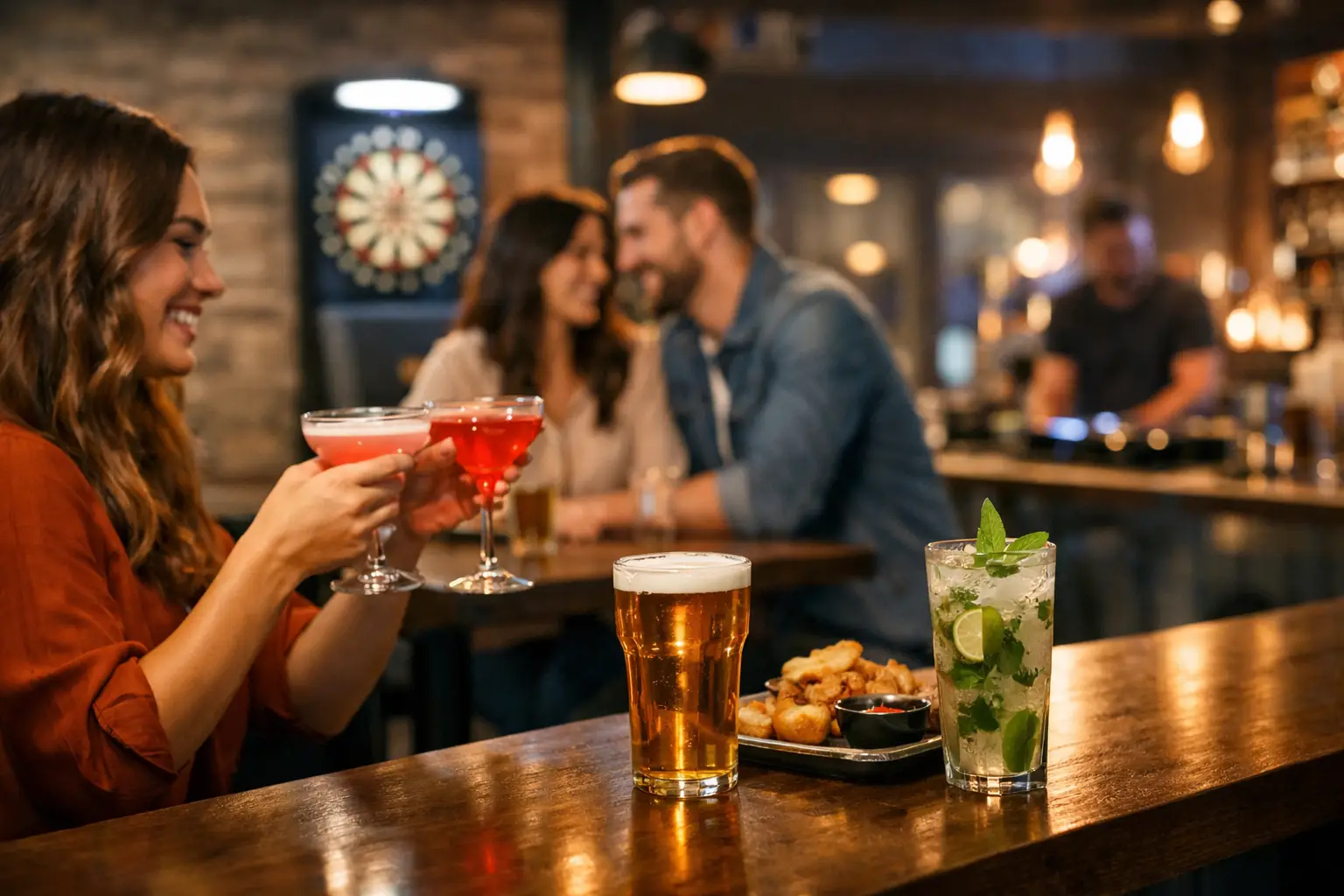
The pub has always been more than a drinking venue, but that role is becoming more visible again. Quizzes, live folk sessions, comedy nights, board games, book clubs, running groups and charity events give people a reason to visit beyond Friday and Saturday evening. They also make a pub useful to its local area throughout the week.
The best events feel genuine to the venue. A tucked-away village pub might suit a monthly acoustic night, while a city pub near a stadium may come alive before a match. Community events need thought, though. A quiz that takes over every available table can frustrate diners, and live music is not ideal for every neighbour or every regular wanting a quiet conversation. Good pubs are increasingly clear about what is on, when it starts and what sort of atmosphere to expect.
This is especially useful for people new to an area. Finding a pub with a regular event can be an easier route into local life than scrolling through generic nightlife listings. Honest pub reviews can reveal the details that matter: whether the quiz is lively but relaxed, whether dogs are welcome in the bar, whether there is room for a group, or whether the beer garden is genuinely pleasant rather than a couple of tables by a car park.
Outdoors still matters, whatever the weather
Beer gardens remain one of the biggest draws in the warmer months, but outdoor space is no longer only a summer extra. Covered terraces, sheltered courtyards, outdoor heaters used sensibly and decent lighting have extended the life of pub gardens well into spring and autumn.
Not every outdoor area needs to be huge. A small, well-kept courtyard can be a real asset if it has enough seating, clear table service arrangements and a bit of protection from the elements. Families may prioritise space and easy access; dog owners may want water bowls and shade; groups might be looking for somewhere they can talk without shouting over a packed bar. Knowing what you need before setting off helps narrow down the best pubs near you.
There is a balance to strike. Outdoor areas bring welcome trade, but they can affect neighbours and alter the feel of a quiet pub. Venues that manage noise, closing times and table booking fairly tend to protect both their reputation and their community.
Planning is becoming part of the pleasure
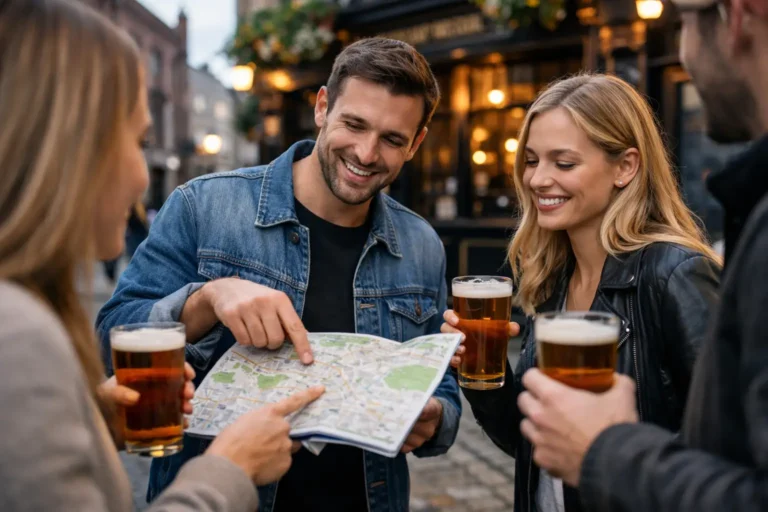
Pub crawls are changing too. The old approach of packing in as many stops as possible is giving way to slower, better-planned routes with a reason for each pub. One might be chosen for cask ale, another for a historic interior, a third for food, and a final stop for a relaxed pint near the station. It is a far better way to explore a city, particularly for weekend visitors.
A worthwhile crawl should leave time to enjoy each venue and make getting home straightforward. Choose walkable stops where possible, check opening times, have a food plan and agree a sensible pace. Water and alcohol-free drinks belong in the plan as much as the next round. A pub crawl is about shared discovery, not treating the venues as a checklist.
Tools such as the Pubs Near Me: Pub Finder UK Android app can make this easier by helping users find nearby pubs, save favourites, build a route, track pubs visited and keep notes on the beers they have tried. It is particularly handy when a promising-looking side street turns up an old local or a small taproom that would otherwise have been missed.
What these trends mean for choosing a pub
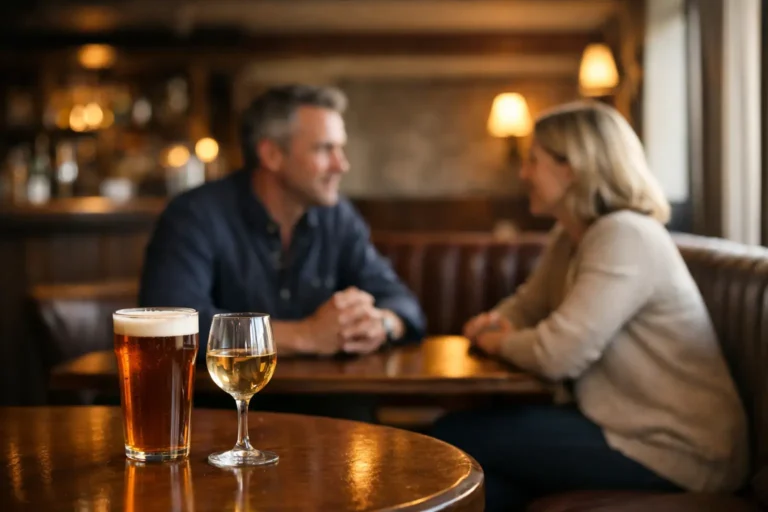
The growing range of pub experiences means there is no single definition of a great pub. The right choice depends on the occasion. A date night may call for good food and quieter corners; a post-work meet-up might need easy transport links and quick service; a Saturday with friends could be all about a beer garden and a broad drinks list.
Before you go, it helps to consider four simple things:
- the atmosphere you want, from lively match-day energy to a calm pint by the fire;
- whether food, cask ale, cocktails or alcohol-free choices matter most;
- practical details such as booking, accessibility, dogs and outdoor seating; and
- how you will get home, especially after visiting more than one pub.
The most useful recommendations are specific rather than grand. Saying a pub has excellent service on a busy Sunday, a strong local beer range or a particularly friendly welcome tells fellow drinkers far more than calling it simply ‘the best’. It also encourages pubs to keep doing the small things well.
British pubs have endured because they can be many things at once: a local refuge, a place for celebration, a stop on a walking route, a dining room, a live-music venue and somewhere to have a quiet chat. The pub culture trends worth watching are the ones that widen that welcome while keeping the pint, the people and the sense of place at the centre of it all.