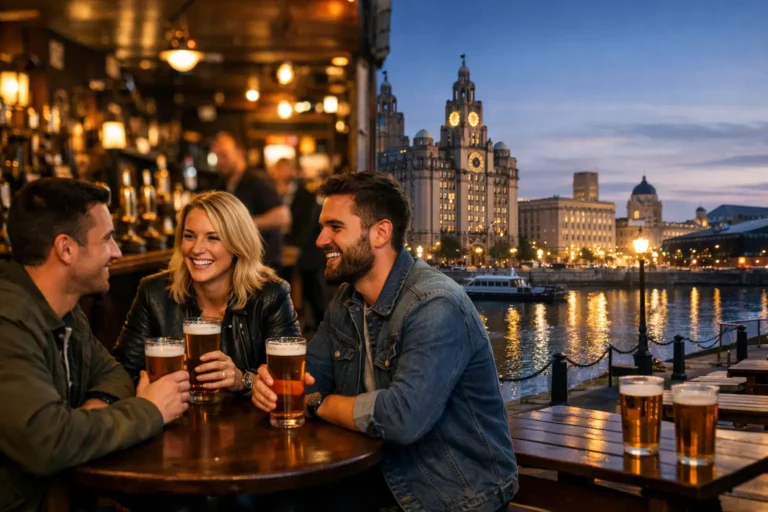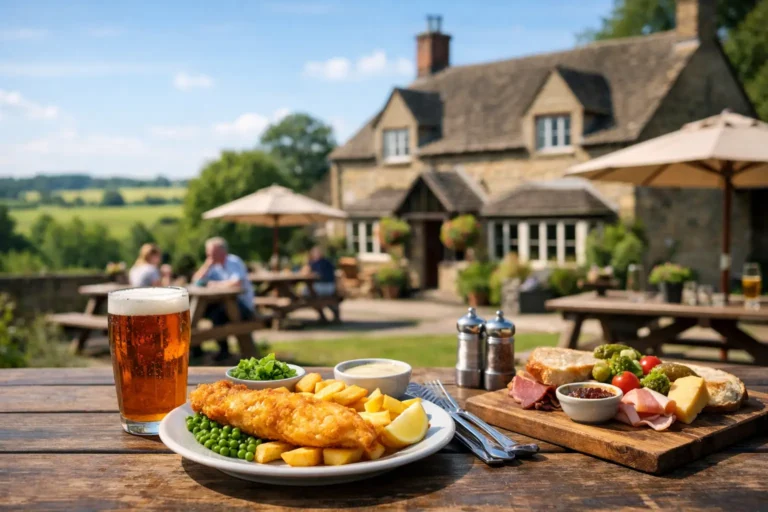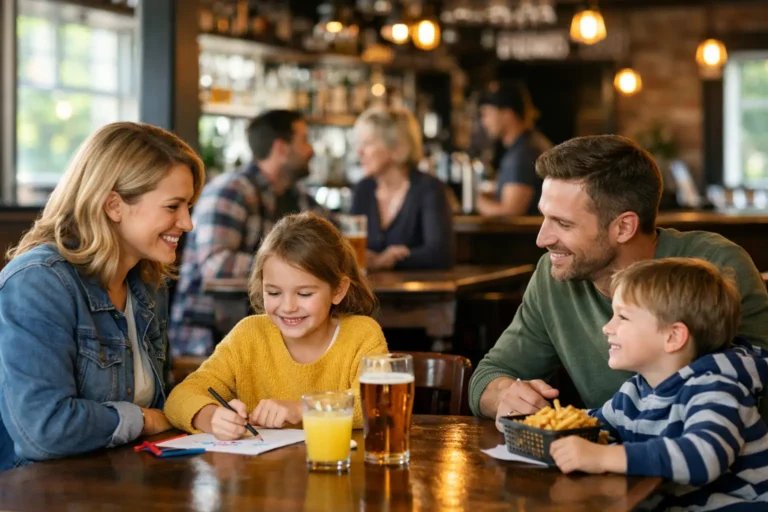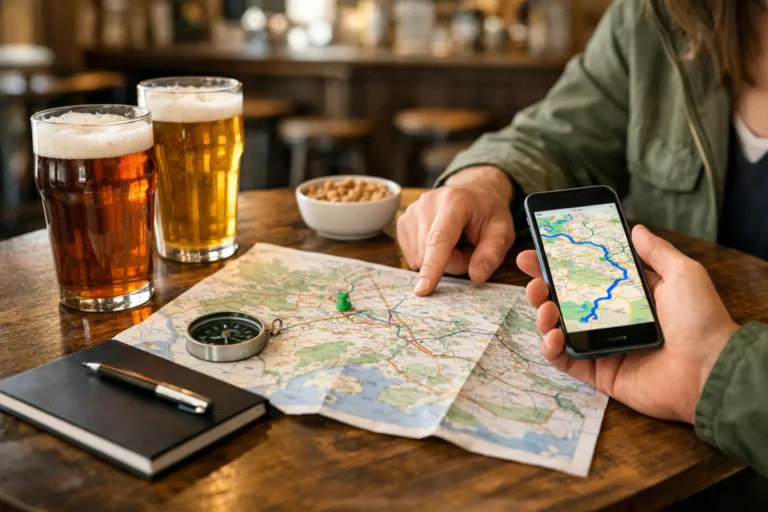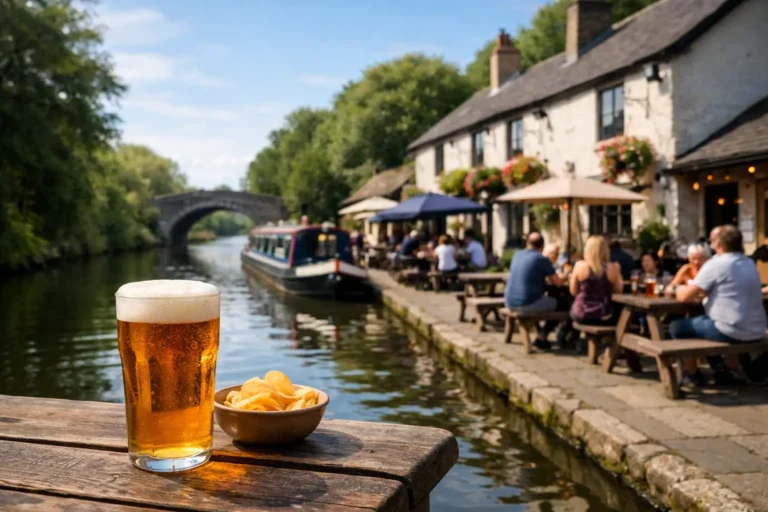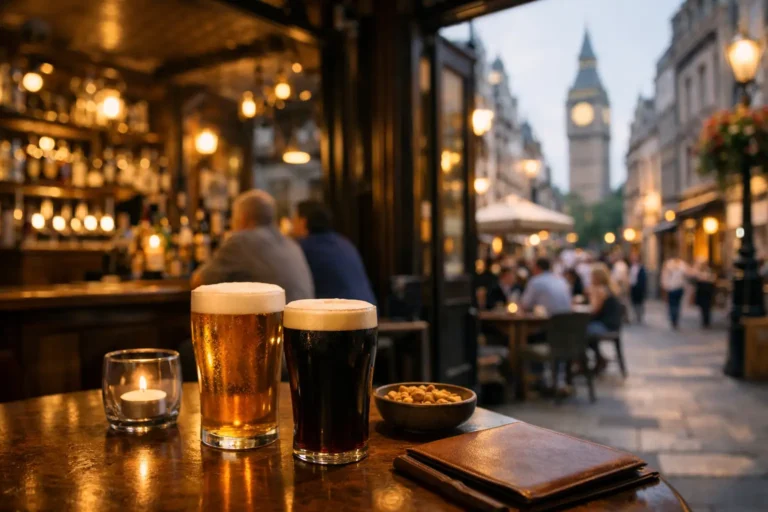
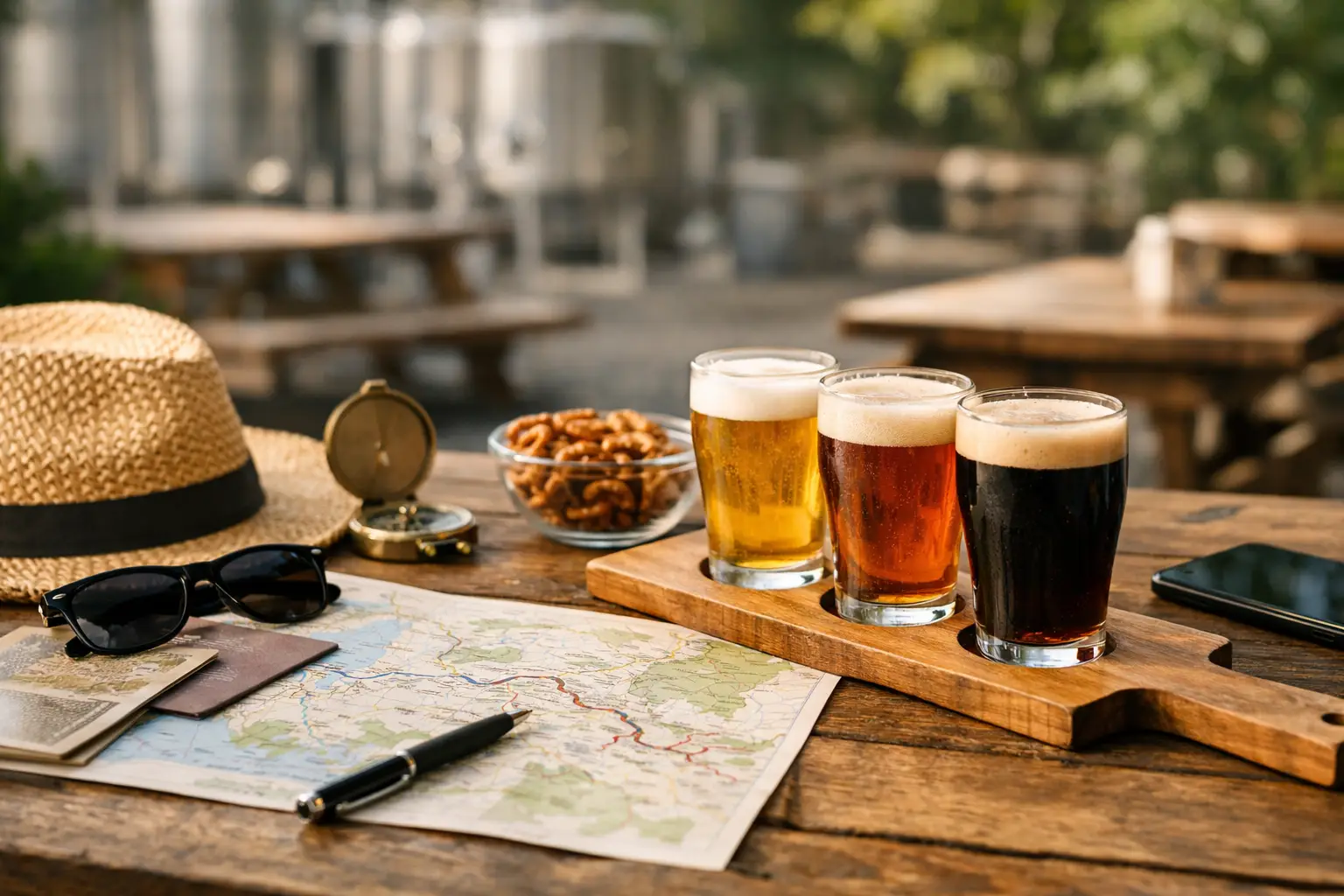
A great ale trail is not about seeing how many pubs you can squeeze into one afternoon. It is about following a good route, drinking well-kept beer in pubs with character, and having enough time to enjoy each stop. If you are wondering how to plan an ale trail, start with one simple rule: choose fewer pubs than you think you need.
Four or five well-picked venues can make for a brilliant Saturday. Eight hurried stops, with miles between them and no plan for getting home, usually makes the day less enjoyable for everyone. The best trails leave room for a proper pint, a chat with the bar staff, a packet of crisps or a decent meal, and the chance to change course when a hidden gem turns out to be worth staying in.
Start with the kind of ale trail you want
Before opening a map, decide what you want the day to feel like. An ale trail through a historic market town will be very different from one around a busy city centre, a coastal promenade or a string of village pubs. The route should suit the group, rather than forcing everyone into a theme they are not especially keen on.
A traditional cask ale trail might focus on long-standing locals, independent free houses and pubs known for their changing handpulls. A brewery-led route can work well where several venues pour beer from the same local producer, with a taproom or brewery shop as a possible finish. If some of the group prefer lager, cider, stout or alcohol-free options, build that in too. A good pub trail gives everyone at least a couple of stops they will genuinely enjoy.
It also helps to settle the basics early: how many people are coming, what time you are meeting, whether food matters, and whether anyone needs step-free access, dog-friendly seating or a quieter place to sit down. These details shape the route more than people expect.
How to plan an ale trail route that works
Look for a walkable cluster rather than a list of famous pubs scattered across a whole city. As a rough guide, aim for five to 15 minutes on foot between stops. A longer stretch can be welcome after a substantial meal, but repeated 25-minute walks soon eat into pub time and can leave the group tired before the best venue.
Put the route in a clear order. Starting near a railway or bus station is often sensible, particularly if friends are arriving from different places. Finish near reliable transport, a taxi rank, or the hotel if it is part of a weekend away. That way nobody is faced with a complicated journey at the end of the evening.
Avoid doubling back unless there is a very good reason. A circular route is easy to follow, while a one-way trail can be excellent if it follows a high street, canal, old town or neighbourhood with plenty of character. Check the terrain as well. Cobbles, steep hills and country lanes can add charm, but they are less appealing in heavy rain or after a few drinks.
Use recent, honest pub reviews to sense-check each stop. Opening hours, food service and real ale availability can change, especially on quieter weekdays. If cask beer is central to the day, choose pubs with a track record of looking after it properly rather than relying on a single old recommendation.
Pick pubs with different strengths
The most memorable trails have variety. You do not need every pub to be an ale shrine, and you do not need every venue to look the same. A brilliant route often starts in a spacious, welcoming pub where the group can gather, moves through a traditional local or historic inn, includes a specialist beer bar, and ends somewhere comfortable enough for food or a final relaxed round.
When choosing each stop, think about what it contributes. One pub might have exceptional condition on its cask ales. Another may have a cracking beer garden, an open fire, original tiled interiors or a particularly good pie. A lively sports pub might suit a match-day group, while a small ale house may be better for people who want to talk rather than shout over a playlist.
Try not to make every choice based solely on beer ratings. A pub can serve a fine pint and still be a poor fit if it is too cramped for your party, only has limited opening hours, or is a long detour from the route. Atmosphere, seating, toilets, food, accessibility and service all matter when you are spending a full afternoon together.
Make a sensible beer plan
There is no need to drink the same style at every stop. In fact, changing it up can make the trail more interesting. A light bitter or pale ale early on, followed by a session IPA, mild, porter or local seasonal beer later, gives the day some shape without turning it into a tasting exam.
Ask for a third or half if you want to try more than one beer while staying fresh. Most good pubs are happy to offer a taster where appropriate, particularly if you are deciding between unfamiliar casks. Keep an eye on strength as well. Several strong beers can catch up with a group faster than expected, especially if lunch has been skipped.
If you enjoy keeping a record, note the beers that stand out, the brewery, and where you drank them. The Pubs Near Me: Pub Finder UK app is useful for saving favourite pubs, building a pub crawl, tracking pubs visited and logging beers worth seeking out again. It is also handy when someone suggests an unplanned extra stop nearby.
Build in food, water and breathing space
Food is not an afterthought on an ale trail. Decide whether you want a proper pub lunch, sharing plates midway through, or a meal at the final stop. Booking is wise for larger groups, particularly on Saturdays, bank holidays and match days. If you have booked a table, make that pub the anchor of your route and plan the earlier stops around arriving on time.
A short break between venues makes the day better, not less committed. Have water regularly, order something to eat when you need it, and do not rush friends who are taking things at a different pace. The point is to enjoy the pubs, not keep score.
For a group trail, send everyone a simple plan before you set off. Include the meeting pub, rough timings, the expected walking distance and the journey home. You do not need a military schedule, but it helps people join late or leave early without confusion.
Check the practical details the day before
A quick final check can save an otherwise excellent plan. Confirm that each pub is open, look for any ticketed events or private functions, and check whether food is still being served at the time you expect to arrive. A pub that is perfect on a quiet Thursday can feel very different during a big football fixture, live music night or local festival.
Your pre-trail check should cover four things:
- Opening times and kitchen hours, especially for the first and last stops.
- Train, bus or taxi arrangements, including the last realistic service home.
- The weather, so everyone brings suitable footwear and a coat if walking is involved.
- A backup pub or two in case a venue is unexpectedly full, closed or not quite right for the group.
It is worth appointing one person to keep the route to hand, but do not make them the organiser of everyone else’s drinking. Each person should make their own sensible choices, look after their belongings and respect the pubs welcoming them in.
Know when to stay put
The route is there to guide the day, not dictate it. If you find a pub with great beer, friendly staff, plenty of space and a table in the sun, staying for an extra round may be the right call. Equally, if a venue is packed, the cask selection has run down, or the atmosphere simply does not suit the group, move on politely.
That flexibility is what separates a good ale trail from a forced checklist. The best stories tend to come from the unexpected recommendation from behind the bar, the pub you nearly skipped, or the local beer that becomes the talking point on the train home.
Plan the route carefully, travel safely and give each pub the time it deserves. Then your ale trail becomes less about ticking off pins on a map and more about finding the sort of places you will be pleased to return to.