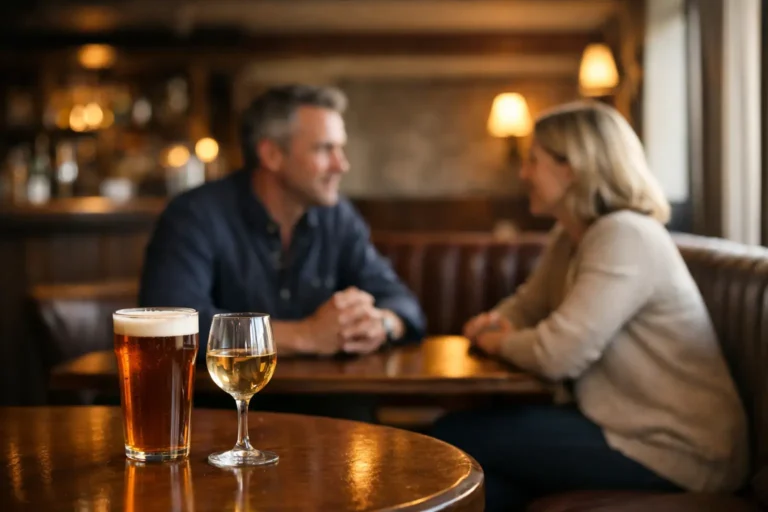
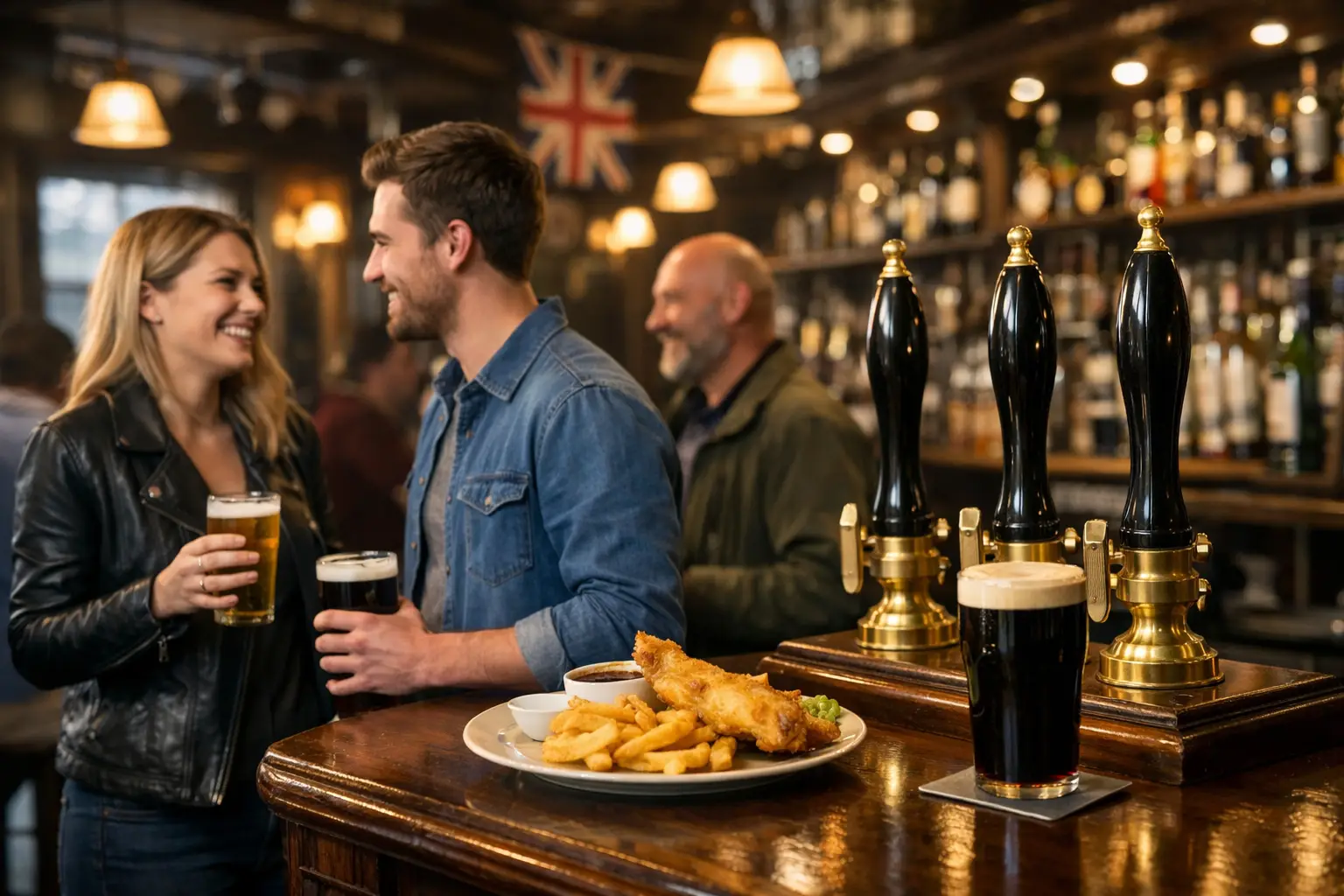
A proper local can still be judged by the welcome, the condition of the pint and whether you would happily settle in for another. But British pub culture trends are changing what people expect from that experience. The strongest pubs are holding on to their character while giving people more reasons to visit, whether that means a midweek quiz, a great alcohol-free lager, a seasonal food menu or a well-kept beer garden.
For pub-goers, this is good news. There is more choice than ever, but it also makes honest pub discovery more useful. A brilliant traditional pub is not automatically the right pick for Sunday lunch, watching the football or taking a dog after a muddy walk. Knowing what a pub does well helps you choose the place that fits the occasion.
British pub culture trends: tradition with better choice
The idea that pubs must choose between being old-fashioned or modern is beginning to look dated. Many of the best venues are doing both. They might retain a tiled bar, a snug and a reliable handpump line-up, then add excellent coffee, thoughtful small plates or a bookable private room for local groups.
This is not about turning every pub into a restaurant or a cocktail bar. It is about giving the pub more than one useful role in the neighbourhood. A village inn may be the place for cask ale, a post-walk lunch and a live folk night. A city-centre pub might serve commuters early in the evening, then become a relaxed meeting point for friends who would rather talk than queue for a nightclub.
There is a trade-off, of course. A pub trying to cater for everybody can lose the feel that made it special. The most memorable ones tend to be clear about their identity. They do not need twenty craft taps, a huge menu and entertainment every night. A focused drinks selection, good service and a room people want to spend time in will usually go further.
Cask ale is becoming more deliberate
Cask ale remains a big part of British pub life, particularly for drinkers who value local breweries and the changing rhythm of a seasonal beer board. What is shifting is the expectation of quality. People increasingly want to know when a cask was put on, whether it is being looked after properly and what style they are getting before ordering.
Pubs with a sensible number of well-kept lines often make a better impression than those with an ambitious range that does not move quickly enough. Beer drinkers are also more open to variety: a classic bitter one round, a pale ale from a nearby brewery the next. This gives good free houses a real opportunity to champion local producers without making the choice feel intimidating.
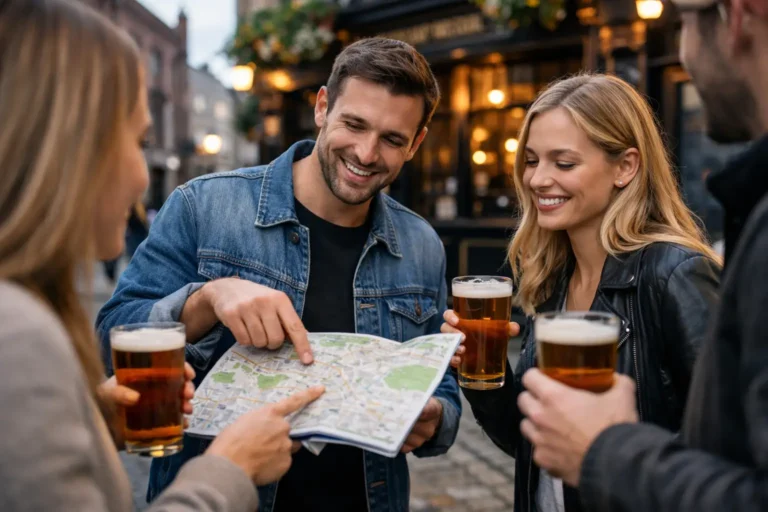
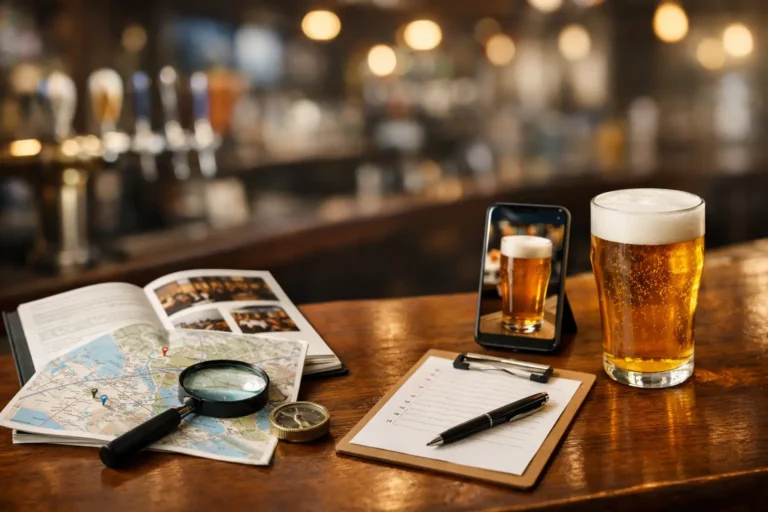
For anyone building an ale trail, it is worth mixing a heritage ale house with a modern independent pub and a reliable local. You get a better sense of a town’s drinking culture, and you are less likely to spend the whole afternoon chasing the same style of beer. Keeping notes on the beers you enjoy can make future trips easier too, which is where a pub finder app with beer tracking can be genuinely handy.
Better low-and-no options are part of the main menu
One of the clearest pub culture trends is that alcohol-free choices are no longer an afterthought. A pub does not need to make a fuss about it, but having a decent 0.0% beer, an alcohol-free cider and a few interesting soft drinks changes who can comfortably join the round.
This matters for designated drivers, people pacing themselves on a pub crawl, those taking a break from alcohol and anyone who simply fancies a quieter night. It also makes mixed groups easier. Nobody wants to be left choosing between fizzy water and a syrupy cola while everyone else has a proper drink.
The best approach is straightforward: offer adult alternatives, price them fairly and serve them with the same care as everything else. Responsible drinking is not a lecture or a dampener on the evening. It is part of making pubs welcoming places where people can stay social on their own terms.
Food is broadening the reasons to visit
Pub food has always ranged from a packet of crisps to an excellent roast, and that variety is still one of its strengths. What has changed is the number of pubs treating food as a reason to visit while keeping the room recognisably pub-like.
The gastropub model continues to work where the food is good enough to justify the journey, but there is also growing affection for simpler things done properly: a hot pie, a well-filled sandwich, a sharing plate with a pint or a dependable Sunday lunch. Pubs that understand their kitchen’s limits tend to get this right. A shorter menu that can be delivered consistently is usually more appealing than pages of options.
Timing matters too. If you are planning a crawl, a substantial first stop can be sensible, while a late-afternoon pint might call for a place where you can grab a snack rather than commit to a full meal. Check service times before setting off, especially on Sundays and bank holidays, when popular food-led pubs can be busy.
The pub garden is now a destination
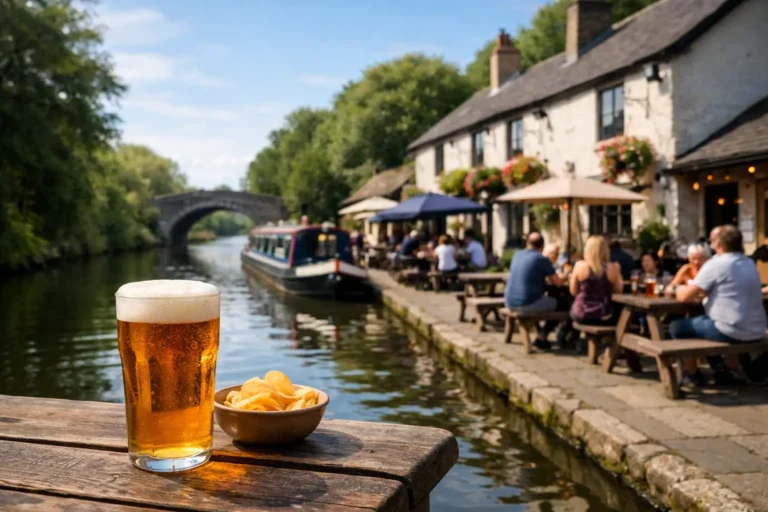
A good beer garden can transform a pub’s appeal from the first warm weekend through to early autumn. It is no longer just a few tables by the car park. The more successful outdoor spaces offer comfortable seating, shade, lighting and enough room that different groups are not sitting on top of one another.
That said, atmosphere still matters more than fancy landscaping. A sunny corner at a quiet local can be far better than a polished terrace with no character. For dog owners, practical details count as well: water bowls, clear access and staff who are happy to see muddy paws. Always check a pub’s own policy if you are travelling with a dog, as rules can differ between the bar, garden and dining areas.
Pubs are leaning back into community
The pub as a community space is not a nostalgic slogan. It is one of the reasons people continue to seek out independents and well-run locals. Quiz nights, vinyl evenings, comedy, pub games, charity events, live sport and small music nights can turn a venue from somewhere you visit occasionally into part of your routine.
These events work best when they suit the pub rather than being copied from somewhere else. A quiet historic pub may be perfect for a literary gathering or traditional folk session. A lively sports pub needs enough screens, decent sightlines and staff who can keep service moving at half-time. A neighbourhood pub with families nearby may put more thought into early-evening food and a relaxed Sunday afternoon.
For visitors, community activity is often the quickest clue that a pub has real local life. It can also affect your plans. A quiz night might mean a busy bar and less chance of a quiet table, while a match day can bring a great buzz if that is what you are after. Read recent pub reviews, then choose with your evening in mind rather than expecting every pub to deliver the same experience.
Discovery is getting more personal
People are less likely to settle for the nearest generic venue when a little research can uncover a Victorian backstreet boozer, a canal-side garden or a small pub pouring excellent local beer. This is particularly true on city breaks, where the best finds are often a few streets away from the busiest area.
Personalised discovery does not mean leaving it entirely to an algorithm. Community reviews are most useful when they describe practical details: how busy it was, whether food was being served, the feel of the room, access to outdoor seating and the quality of the drinks. One person’s perfect lively Saturday pub can be another person’s unsuitable choice for a quiet catch-up.
If you are exploring somewhere new, save a few options rather than pinning all hopes on one venue. Pub Reviews UK’s Pubs Near Me: Pub Finder UK app can help you find pubs nearby, save favourite pubs and build a sensible route between stops. It is especially useful when a first-choice pub is full, food service has finished, or the weather suddenly makes that beer garden plan less appealing.
What these changes mean for your next pub visit
The direction of travel is encouraging: pubs are becoming more flexible without needing to become interchangeable. There is greater respect for excellent beer, more consideration for different drinkers, and a stronger sense that a pub can be central to a local area rather than just open within it.
For a better day or night out, be specific about what you want. Look for a cosy fireside pub when conversation is the point, a food-led inn when the meal matters, or a busy sports bar when you want to be part of the match-day noise. Then leave room for one unplanned stop. The pub you remember most is often the one you found because the door looked inviting, the board promised a good pint, and there was a free table waiting.