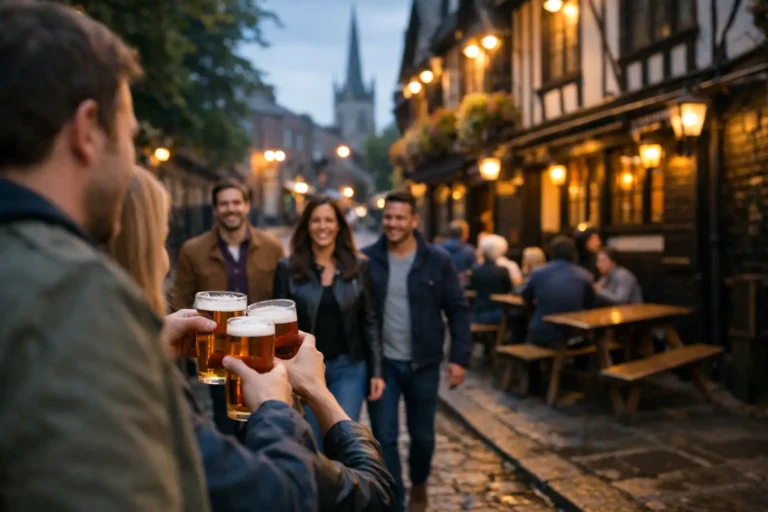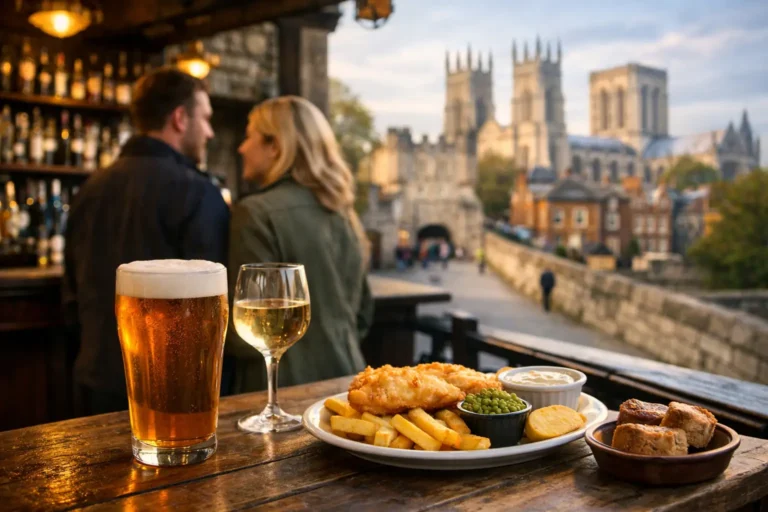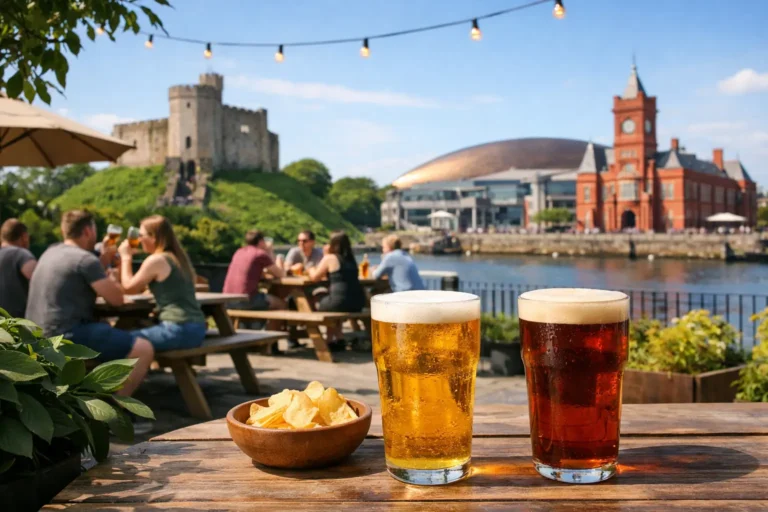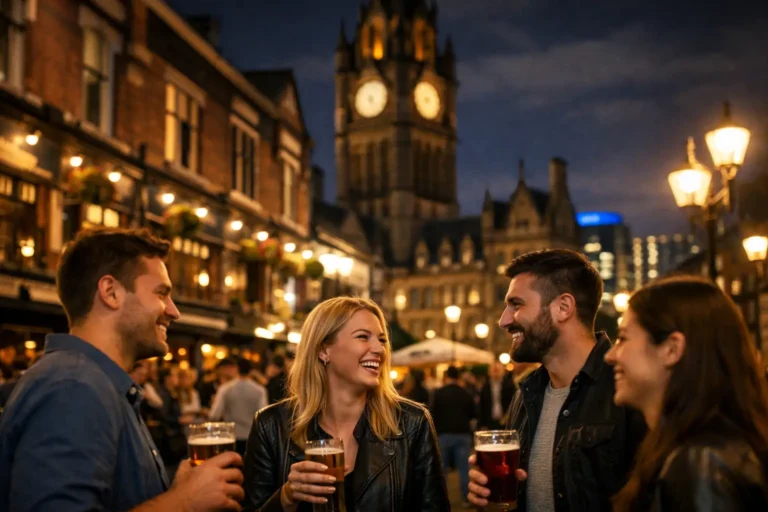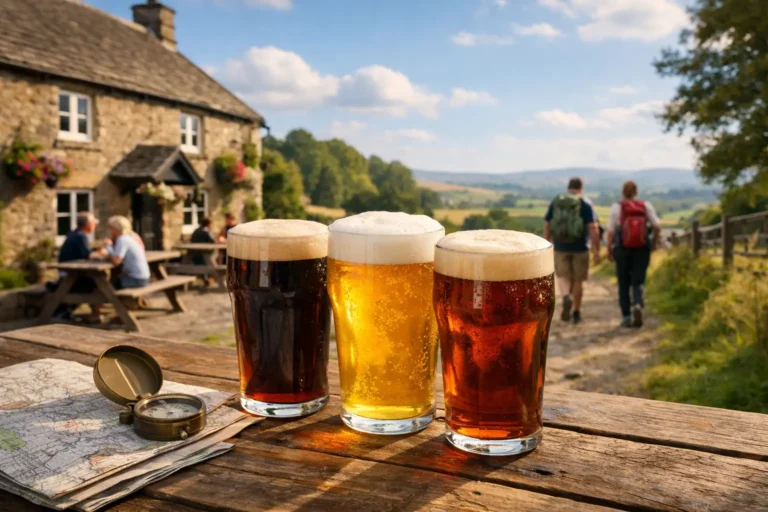
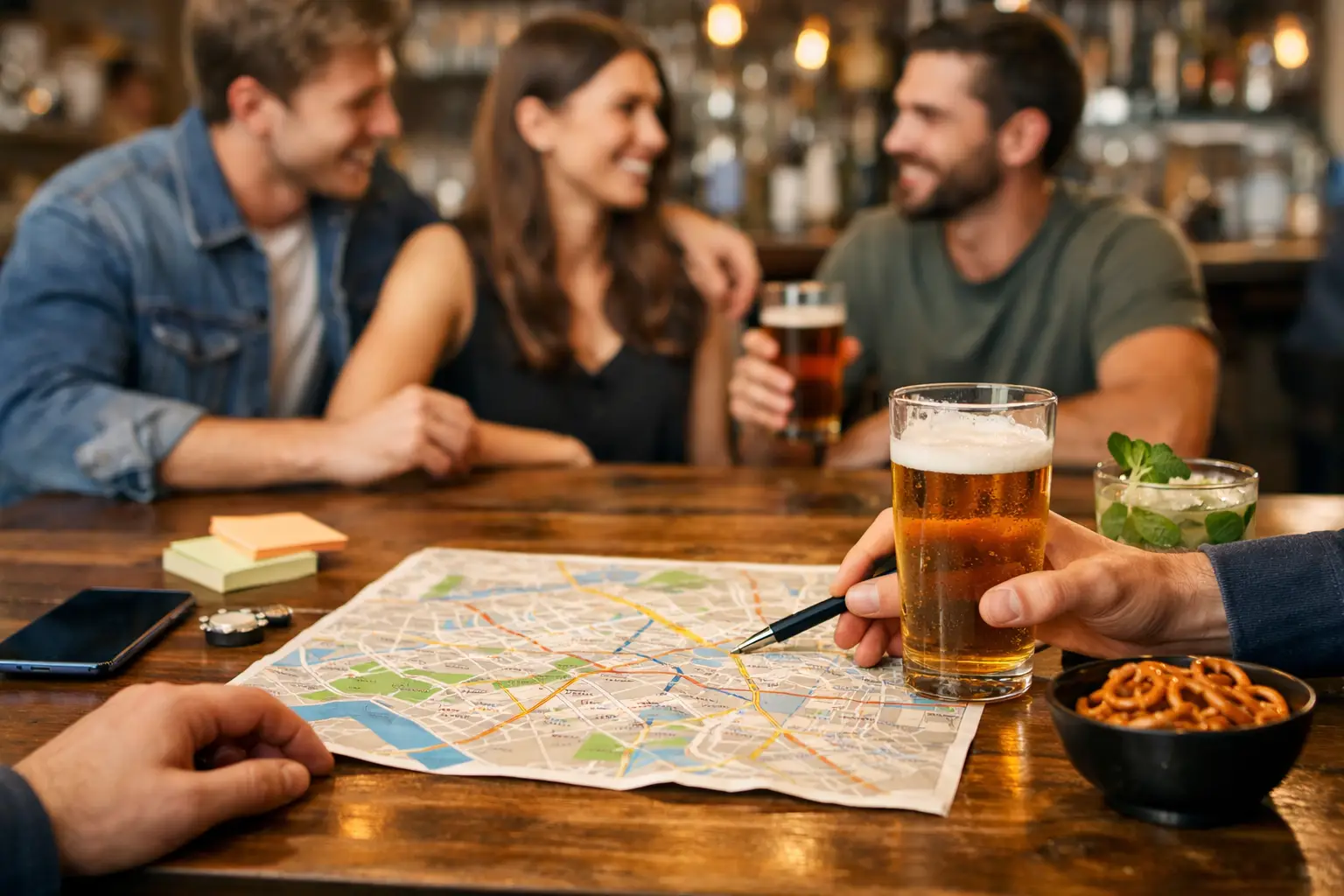
A good crawl is not about squeezing in the highest possible number of pints or ticking off every venue on a map. It is about moving through a neighbourhood at an easy pace, finding pubs with proper character, and leaving everyone with enough energy to enjoy the last stop. This pub crawl planning example shows how to build a route that feels like a great day out rather than a logistical challenge.
Whether you are arranging a birthday, a weekend visit with mates or a low-key local ale trail, the same principle applies: choose fewer, better pubs and give the day a bit of shape.
Start with the sort of pub day you want
Before opening a map, decide what the crawl is actually for. A group looking for cask ale and Victorian interiors will make different choices from a group after live sport, a sunny beer garden or a few good plates of food. Trying to make every pub suit every person usually produces a muddled route.
For most groups, four pubs is plenty for an afternoon or early evening crawl. Five can work in a compact city centre where walking times are short. More than that often turns the day into a race, particularly if people are travelling in from different places, stopping for food or waiting for a table.
Pick one clear theme, then allow one pub to be a wildcard. You might plan a historic pubs route with a modern craft beer bar at the end, or an ale-focused trail that finishes at a food-led pub. That contrast gives the day a sense of progression without losing its purpose.
A pub crawl planning example: four pubs, one easy route
Imagine you are planning a Saturday crawl in a UK city centre. Your group of six wants traditional atmosphere, decent beer choice and somewhere reliable for food. They are meeting after lunch and several people need to catch trains home.
The best route is not necessarily the one with the most highly rated pubs. It is the one that keeps everyone together and avoids doubling back.
Stop one: meet at 1pm in a welcoming local
Start at a pub that is easy to find and comfortable for conversation. It should be close to a station, car park or straightforward bus stop, with enough room for the full group to gather without feeling as though you are blocking the bar.
This first venue sets the pace. Choose somewhere that serves food or has snacks available, especially if the group has not eaten properly. A relaxed first drink and a bite to eat reduces the temptation to rush later on. Allow around 75 minutes here, including the inevitable late arrival or two.
A traditional pub with a broad range of cask ales, lagers and alcohol-free choices is usually a sensible opener. It gives everybody an easy first order and lets beer enthusiasts ask the bar staff what is drinking well that day.
Stop two: walk 10 to 15 minutes to the character pub
Your second stop should be the place people remember. Perhaps it has a tiled Victorian interior, a snug hidden behind the main bar, a riverside terrace or a properly unusual beer list. This is where a little research pays off.
Keep the walk short and make it part of the experience. A 10-minute stroll helps the group reset, but a 30-minute trek through unfamiliar streets can break the mood and leave latecomers stranded. Check the route in advance for roadworks, steep hills and awkward crossings, particularly if anyone has mobility needs.
Plan for one drink here rather than settling in all afternoon. Around 60 minutes is enough to appreciate the pub while keeping your schedule loose. If it is a small independent venue, arriving earlier in the day can also make finding space much easier.
Stop three: food at 4pm, not when everyone is starving
The food stop is where many crawls go wrong. Leaving it until 7pm means the group is tired, hungry and competing with dinner bookings. A mid-afternoon meal keeps the day steady and is often easier to arrange.
Choose a pub that can handle your group size, rather than assuming a promising-looking dining room will have a table. Booking ahead is worthwhile for six or more people, especially on a Saturday. Check whether the kitchen serves throughout the afternoon, as some pubs pause between lunch and evening service.
This is also a good point to slow down. A proper meal, water on the table and an alcohol-free option for anyone who wants one can make the rest of the outing far more enjoyable. You do not need to turn the crawl into a strict timetable, but allowing 90 minutes here prevents the final stop becoming an exhausted scramble.
Stop four: finish near transport at 6pm
Make the final pub a strong finisher, not a venue chosen because it happened to be next door. It might be a handsome old boozer with a fireplace, a specialist beer pub with rotating taps, or a lively place with music and a friendly crowd. The key is that it is near the station, taxi rank or bus routes people will use later.
A finish near transport is practical rather than boring. It lets people head home when they are ready, and means nobody has to lead a tired group across town at the end of the evening. If the group wants to stay out longer, this pub becomes a natural base instead of a forced final checkpoint.
How to choose pubs that work together
A memorable crawl needs variety, but too much variation can be inconvenient. Four excellent pubs spread across opposite sides of a city are not a route. They are four separate visits waiting to happen.
Look at each venue through three lenses: atmosphere, distance and reliability. Atmosphere is the reason to go. Distance keeps the day enjoyable. Reliability covers opening hours, food service, capacity, accessibility and whether the pub suits your group on that particular day.
It is worth checking recent honest pub reviews before you commit. Reviews can flag useful details such as a tiny bar, a popular quiz night, an excellent beer garden that only works in fair weather, or a kitchen with limited Sunday hours. They are more useful when read as a pattern than when judged on one person’s perfect or disappointing visit.
Avoid planning every stop around one drink style unless the whole group is keen. A dedicated real ale trail can be brilliant for cask fans, but mixed groups tend to appreciate pubs where good ale sits alongside cider, craft beer, wine, soft drinks and decent food.
Build in the details people forget
The route itself is only half the plan. Send the group a simple message the day before with the meeting pub, time, nearest station and a note on food. Nobody needs a minute-by-minute itinerary, but people do need to know where to be and whether they should eat beforehand.
Check opening times on the day, particularly around bank holidays, football fixtures and local events. A pub that is usually calm may be packed before a match, while a city-centre venue may close early on a quiet Sunday. If a key stop is likely to be busy, have a nearby backup pub in mind.
It also helps to agree on a few low-fuss expectations. Keep an eye on the group when crossing roads, avoid carrying drinks between venues, and make sure nobody feels pressured to keep pace with anyone else’s drinking. A pub crawl can include halves, soft drinks, alcohol-free beer and pauses for coffee just as easily as it can include pints.
For planning on the move, the Pubs Near Me: Pub Finder UK Android app is handy for finding pubs nearby, saving favourite pubs, building a route and tracking pubs visited. It is especially useful when a planned stop is full or the group discovers a hidden gem worth adding to the next crawl.
Leave room for the unexpected
The strongest plans have a little flexibility. Perhaps the third pub has a beer festival on, someone spots a lovely old local on the walk, or the weather suddenly makes a beer garden the obvious choice. You do not need to stick rigidly to the original route if the day offers a better option.
What you should protect is the overall rhythm: an easy meet-up, short walks, food before the late-afternoon slump, and a finish that makes getting home straightforward. If one venue disappoints, move on without making a drama of it. There is always another good pub nearby, and part of the pleasure is finding it together.
Plan the route, choose pubs you would genuinely recommend, and let the conversations do the rest. The best pub crawl is one where the group gets home safely with a few new favourites and a reason to come back.