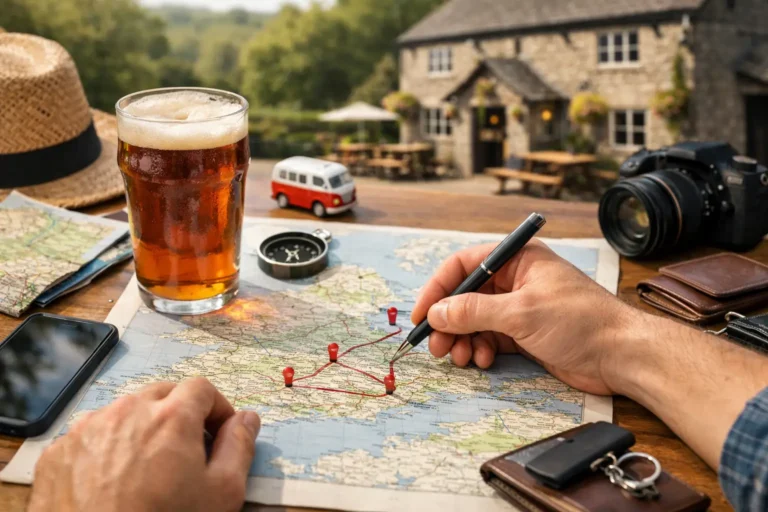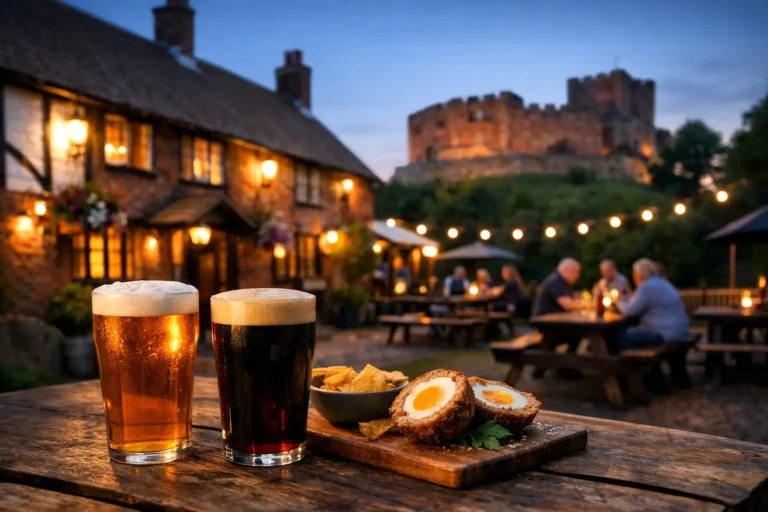
A brilliant pint can be frustratingly easy to forget. You remember the pub’s tiled floor, the chat at the bar and perhaps the packet of crisps, but not the name of that excellent pale ale you promised yourself you’d seek out again. Learning how to track beers in pubs fixes that problem without turning a relaxed visit to the local into homework.
A useful beer record is simply a way to remember what you enjoyed, where you found it and whether you would order it again. It can help cask ale regulars spot favourite breweries, give craft beer drinkers a better sense of their tastes and make a weekend pub crawl more memorable. The trick is to keep it simple enough that it fits around good company and a properly paced pub visit.
Start with the reason you want to track beers
There is no single right way to keep a beer diary. Someone working through a local ale trail may want to record every new cask beer they try. Another pub-goer may only want a reliable shortlist of pints worth ordering again. If you enjoy visiting pubs on city breaks, the venue itself may matter as much as the beer.
Knowing your reason helps you avoid collecting details you will never use. A quick note of the beer, brewery, pub and your rating is enough for most people. If you are keen on the finer points, add style, ABV, price and a few tasting notes. There is no prize for writing a full tasting sheet after every half.
It is also worth separating a great beer from a great pub experience. A familiar bitter can taste especially good in a warm, well-run local after a long walk. That does not make your note less valid, but it gives the rating some context. Recording the atmosphere alongside the pint can make your list far more useful when choosing where to go next time.
How to track beers in pubs: choose a method you will use
The best tracking method is the one you can manage discreetly and consistently. A notebook works well for people who enjoy a tangible record, and it has the advantage of never running out of battery. A notes app is quick, free and ideal if you only make a handful of entries each month.
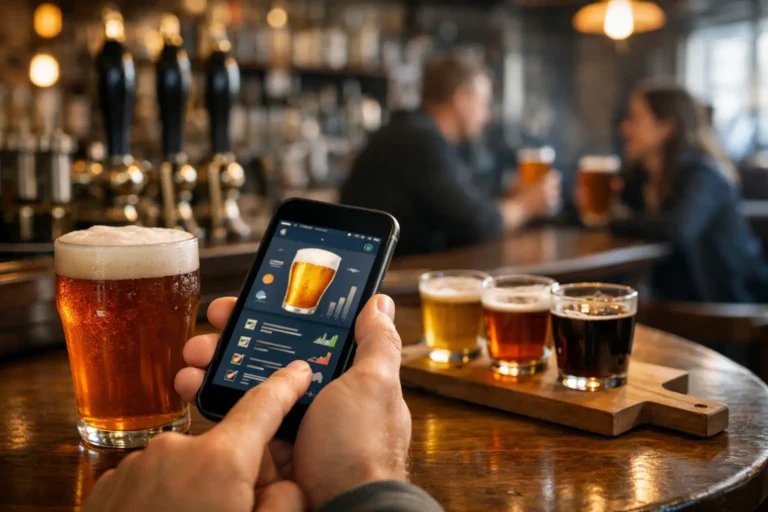
For regular pub explorers, a dedicated app is usually easier. Pubs Near Me: Pub Finder UK lets you track beers alongside visited pubs, ratings and reviews, so your beer notes stay connected to the places where you drank them. That is particularly handy when you are comparing a favourite taproom with a traditional free house, or trying to remember where you had a standout stout six months ago.
Whatever you choose, make the entry before you leave the pub. The next venue on a crawl, a train home or a busy week ahead can blur the details surprisingly quickly. A 20-second note is more useful than a beautifully written entry you never get round to making.
Keep each entry practical
A good basic entry includes the beer name, brewery, style and pub. Then add a simple score out of five and one short thought. For example: “Citrus, dry finish, excellent condition” tells you far more than a bare three-star rating.
You can add the date if you like, especially for seasonal releases or one-off festival beers. Cask lines change often, so dates also prevent the disappointment of arriving at a pub expecting a particular ale that was on weeks ago.
If you are unsure of the beer’s name, ask at the bar. Staff will usually be happy to point out the pump clip or tell you which brewery made it. A quick photo of the pump clip, can or menu can help too, provided it does not interrupt the moment or get in the way of other customers.
Rate the beer, not just the label
It is easy to give higher marks to a brewery you already like or a beer with a striking design. Try to judge what is actually in the glass. For cask beer, condition matters: is it fresh, clear where appropriate, well-kept and served at a sensible temperature? For keg and bottled beer, think about balance, freshness and whether the flavours suit the style.
A simple five-point scale keeps things honest. One is not for you or poorly presented; two is acceptable but unlikely to be repeated; three is enjoyable; four is very good; and five is a beer you would happily travel back for. The scale is personal, so use it consistently rather than trying to sound technical.
Your preferences may change over time. A heavily hopped IPA that once seemed overpowering might later become a favourite, while a sweet stout you loved in winter may feel too rich in July. That is one of the pleasures of keeping records: you can see your palate develop instead of assuming every old rating still tells the whole story.
Add context that helps you choose your next pint
The most valuable notes are the ones that answer a future question. Would you want this with a Sunday roast? Was it a great first pint after work, or one to savour slowly? Did the pub serve it in excellent condition? A few words of context make your tracker useful rather than merely complete.
For instance, note whether a beer was particularly good with food, whether it was a seasonal special, or whether it suited the pub’s atmosphere. A smoky porter in a cosy historic pub and a crisp lager in a sunny beer garden are different pleasures. Your notes should leave room for both.
It can help to tag beers by occasion: post-walk pint, match-day stop, pub crawl, meal, quiet local or weekend away. Over time, you will have a personal guide to the beers and pubs that fit the kind of outing you actually enjoy.
Build a record of pubs as well as pints
Beer tracking becomes more interesting when it supports better pub discovery. A pub with a constantly changing cask line-up may be worth revisiting even if the exact beer you enjoyed has gone. Equally, a venue with a dependable house bitter or a carefully chosen craft range can become a useful fixture in your plans.
When you track pubs visited, add a brief venue note alongside the beer. Mention things that affect a return trip: outdoor seating, food times, dog friendliness, accessibility, space for a group or whether it is a comfortable place for a quiet solo pint. Keep it fair and specific. One busy Saturday does not define a pub forever, but it is reasonable to note that a particular visit was packed before a match.
If you are planning a route, use your saved pubs and previous beer ratings to build variety into the day. Start with a traditional ale house, stop at a small independent pub with a changing board, then finish somewhere you would happily settle in for food. A good crawl is about interesting stops and sensible pacing, not ticking off the highest possible number of venues.
Avoid turning a good pint into a spreadsheet
Tracking should add to pub life, not pull you away from it. There is no need to log every drink, and there is certainly no need to finish a beer just to record it. Ordering halves or thirds when available is a sensible way to try different styles, particularly during an ale trail or a brewery tap visit.
Take your time, eat when you need to, alternate with soft drinks or water and make travel plans before the evening gets going. If a beer is not for you, it is fine to leave it. A tracker should reflect enjoyable, responsible pub-going rather than encourage a race through the menu.
It is also good manners to keep the mobile phone away when you are with people. Make a quick note between conversations, not during them. The best pub memories usually come from the company, the setting and the unexpected conversation at the bar. The beer record is there to help you find those moments again.
Use your notes to find your own favourites
After a few months, look back for patterns. You may find that you consistently rate dry bitters above hazy pales, prefer lower-strength session beers, or enjoy dark ales most in cooler months. You might notice that certain breweries appear again and again in your four- and five-star entries.
That knowledge makes ordering easier, but it should not close you off from trying something new. Use favourites as a dependable choice, then leave room for one unfamiliar beer when the pub has something interesting on. Ask the person behind the bar for a recommendation and tell them what you normally enjoy – it is often the quickest route to a well-chosen pint.
A small, honest beer diary soon becomes more than a list of drinks. It is a record of good pubs, good routes and the people and places attached to them. Keep the notes brief, drink at your own pace, and let the next excellent pint give you a reason to explore somewhere new.