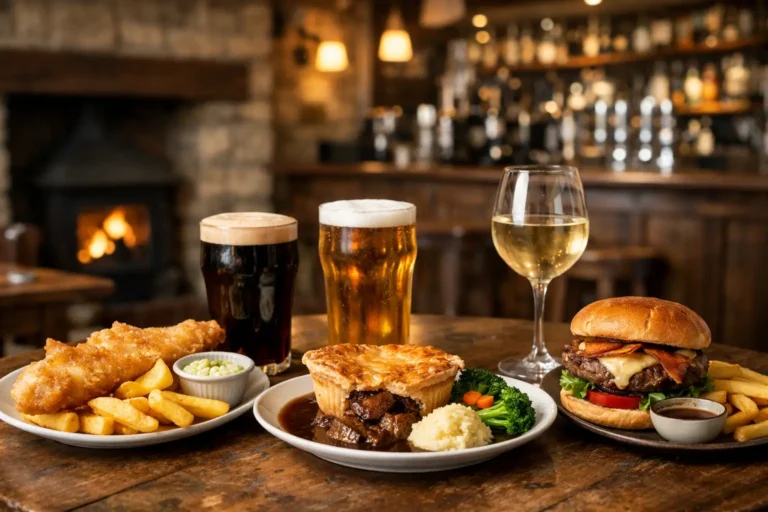
A proper cosy pub is not defined by a low ceiling and a roaring fire alone. Those things help, of course, but the best cosy local pubs have a feeling that is harder to manufacture: a warm welcome, a well-kept pint, comfortable corners and the gentle hum of people who are pleased to be there.
That can mean different things on a rainy Tuesday, a winter walk, or a catch-up with friends at the weekend. One person wants a quiet snug and a good book; another wants a small, lively bar where the landlord knows half the room. The trick is knowing what to look for before you set off.
What makes a pub genuinely cosy?
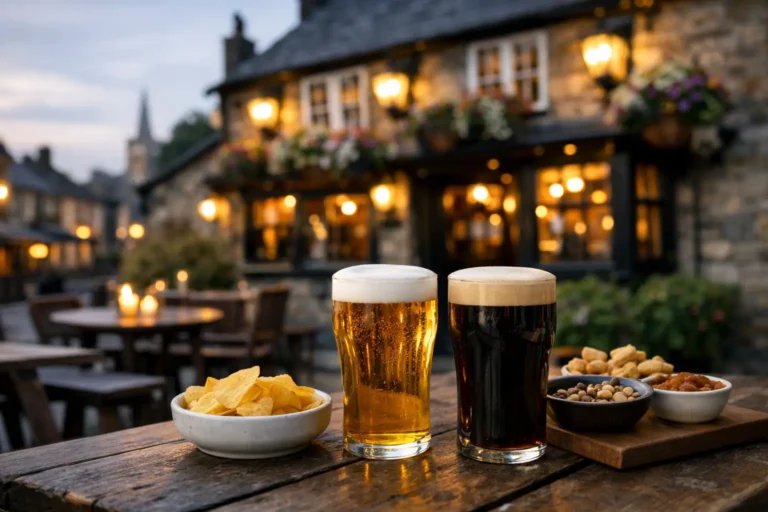
Cosiness is partly physical. Think real fires or wood burners, old timber, soft lighting, worn-in seating and tables close enough for conversation without feeling cramped. Historic pubs often have this in abundance, particularly those with separate rooms, small snugs and a bar that has clearly seen a few decades of local gossip.
But décor only gets a pub so far. A candle on the table cannot compensate for a flat pint, indifferent service or music turned up too high for anyone to talk. The places people return to tend to get the basics right: the room is looked after, staff are present without hovering, and there is a sense that regulars and first-time visitors both belong.
A cosy local should also feel comfortable at its natural pace. Some pubs are best on a quiet weekday afternoon, when you can settle beside the fire with a pint of bitter and watch the world go by. Others come alive on Friday evening, with dogs under tables, a busy quiz night or a folk session in the back room. Neither is better – it depends what sort of evening you want.
How to spot the best cosy local pubs
Before travelling across town for a pub, look past a single polished photograph. Community reviews, recent comments and a look at the pub’s beer and food offering often give a clearer picture of its current character. A venue can be full of charm yet unsuitable for a long catch-up if it is mainly known as a match-day spot, for example.
Four details are especially useful when narrowing down your options:
- The drinks range: A short, well-kept selection of cask ale, local beer, cider and sensible alcohol-free choices is often more promising than a vast list that lacks care.
- The seating: Snugs, settles, armchairs and smaller rooms usually make for a more relaxed visit than one large open-plan space.
- The crowd: Look for recent reviews mentioning friendly staff, locals, walkers, dog owners or a mixed-age crowd. That usually points to a pub with a settled, welcoming atmosphere.
- The practical bits: Opening hours, booking rules, food service times and whether dogs or children are welcome can make or break a visit.
Photos can be helpful, but use them with a little common sense. A pub photographed at 3pm on a bright day may look wonderfully peaceful, while the same room could be standing room only on a Saturday night. Recent visitor comments are particularly useful for understanding noise levels, table availability and whether the fire is actually lit when the weather turns.
Choose the right kind of local for the occasion
The classic fireside pub is a strong choice after a country walk, especially if it serves hearty food and has somewhere to dry a damp coat. In rural areas, check the kitchen hours before setting off. Many excellent village pubs stop serving food between lunch and dinner, and some operate reduced hours early in the week.
For a city break, the cosiest choice may be a tucked-away Victorian boozer rather than the most famous pub on the main street. Look down side roads and around older market areas, railway arches and residential corners. These are often where you find compact bars, traditional interiors and a more local crowd, though popularity means the smallest rooms can fill quickly.
If you are arranging a group meet-up, be realistic about space. The tiny snug that makes a pub special is rarely ideal for ten people arriving at once. A pub with a quieter dining room, a bookable back room or several connected spaces will usually work better, while still keeping the character that brought you there.
Food matters too, but it should match the plan. A generous Sunday roast can make a pub the centrepiece of a weekend, whereas a simple pork pie, cheese board or packet of crisps may be all you need when the main purpose is a few good pints and unhurried conversation. Gastropubs can be lovely, but a food-led room may not offer the casual drop-in atmosphere some people have in mind.
A good pint is part of the atmosphere
There is something particularly reassuring about a well-poured cask ale in a cosy pub. It does not need to be an obscure limited release. A clean, carefully kept best bitter or pale ale, served at the right temperature, can tell you a lot about the care behind the bar.
Ask what is drinking well if you are unsure. Staff in a good local will normally be happy to point you towards a popular cask, a nearby brewery or a lower-strength option for a longer session. If beer is not your thing, the same principle applies to cider, wine and spirits: a considered selection, properly served, beats a cluttered menu every time.
It is also worth pacing the evening. Cosy pubs are at their best when there is time to enjoy them, not rush through them. Alternate with water, have some food if you are staying out, and make sure everyone has a safe route home. The atmosphere is better for it.
Make a pub outing feel local, not hurried
A little planning gives you more freedom once you are out. Start by choosing one pub you genuinely want to spend time in, rather than trying to tick off five venues before last orders. If you are visiting a new town or city, build the rest of the route around walkable stops and leave room for an unexpected recommendation from behind the bar.
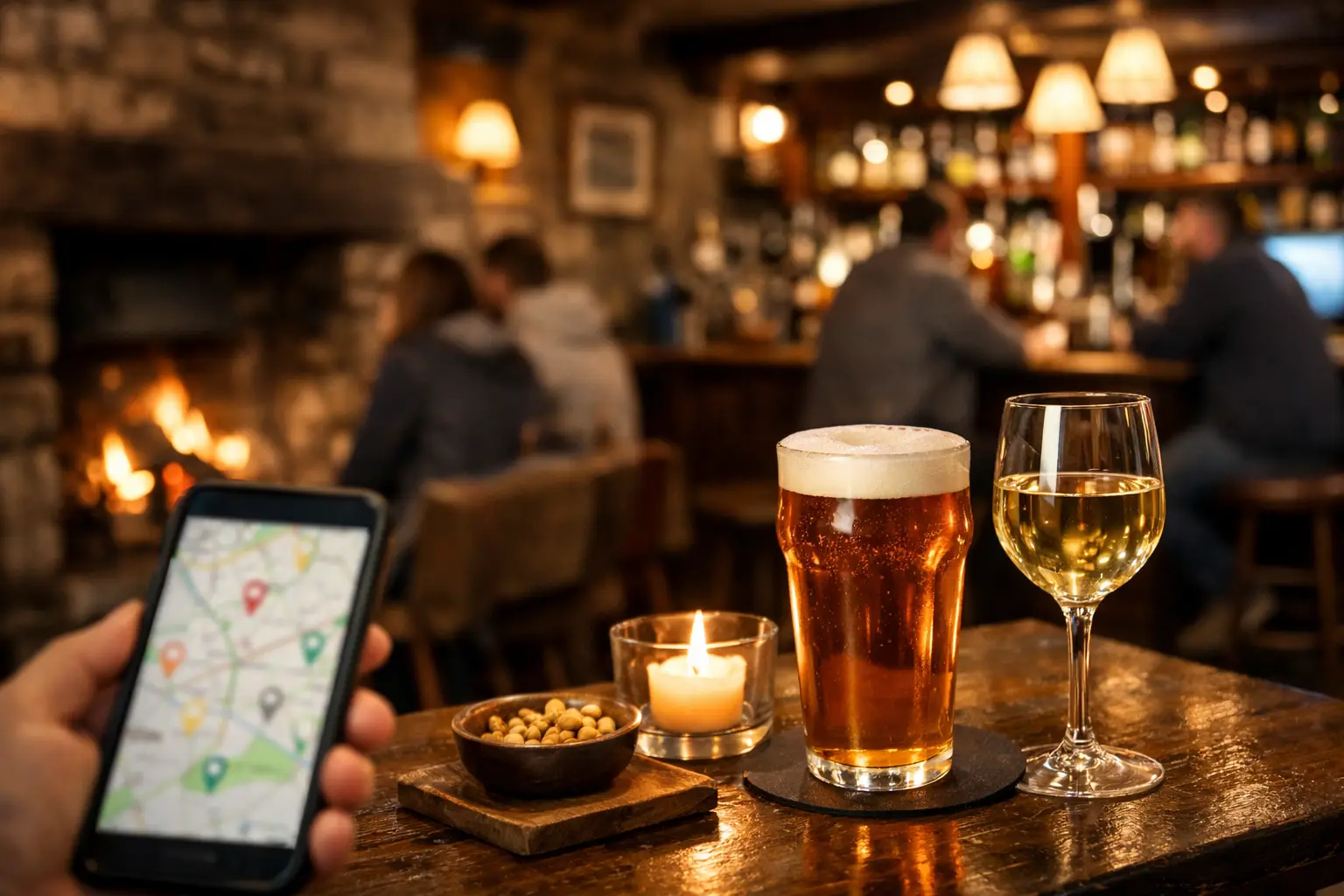
The Pubs Near Me: Pub Finder UK Android app is useful here for finding pubs nearby, saving favourites and tracking places you have visited. It can also help when a planned stop is unexpectedly busy or closed, letting you find a nearby alternative without turning the evening into a mobile-phone-scrolling exercise.
For a relaxed mini pub crawl, two or three pubs is usually enough. Begin somewhere with a good cask selection, move to a historic or characterful local for the middle stop, then finish somewhere close to your train, bus or taxi pickup. That approach lets each place have its moment and keeps the journey manageable.
Be the sort of visitor locals welcome
The best local pubs are shared spaces, not private clubs. Order at the bar with a little patience during busy periods, keep bags and coats out of walkways, and be mindful of regular events such as quizzes, darts or live music. If a pub has a quiet corner, treat it as a quiet corner rather than a stage for a loud group chat.
A friendly word goes a long way, especially in a village pub or a small neighbourhood bar. Ask about the beer, admire the old photographs, and take recommendations seriously. You may hear about a nearby walking route, another good pub, or the particular night when the place is at its liveliest.
The best cosy local pub is rarely the one trying hardest to look cosy. It is the place where the fire, the beer, the conversation and the welcome all feel natural. Find one that suits your mood, give it enough time, and you may leave with a new favourite rather than just another pin on a map.