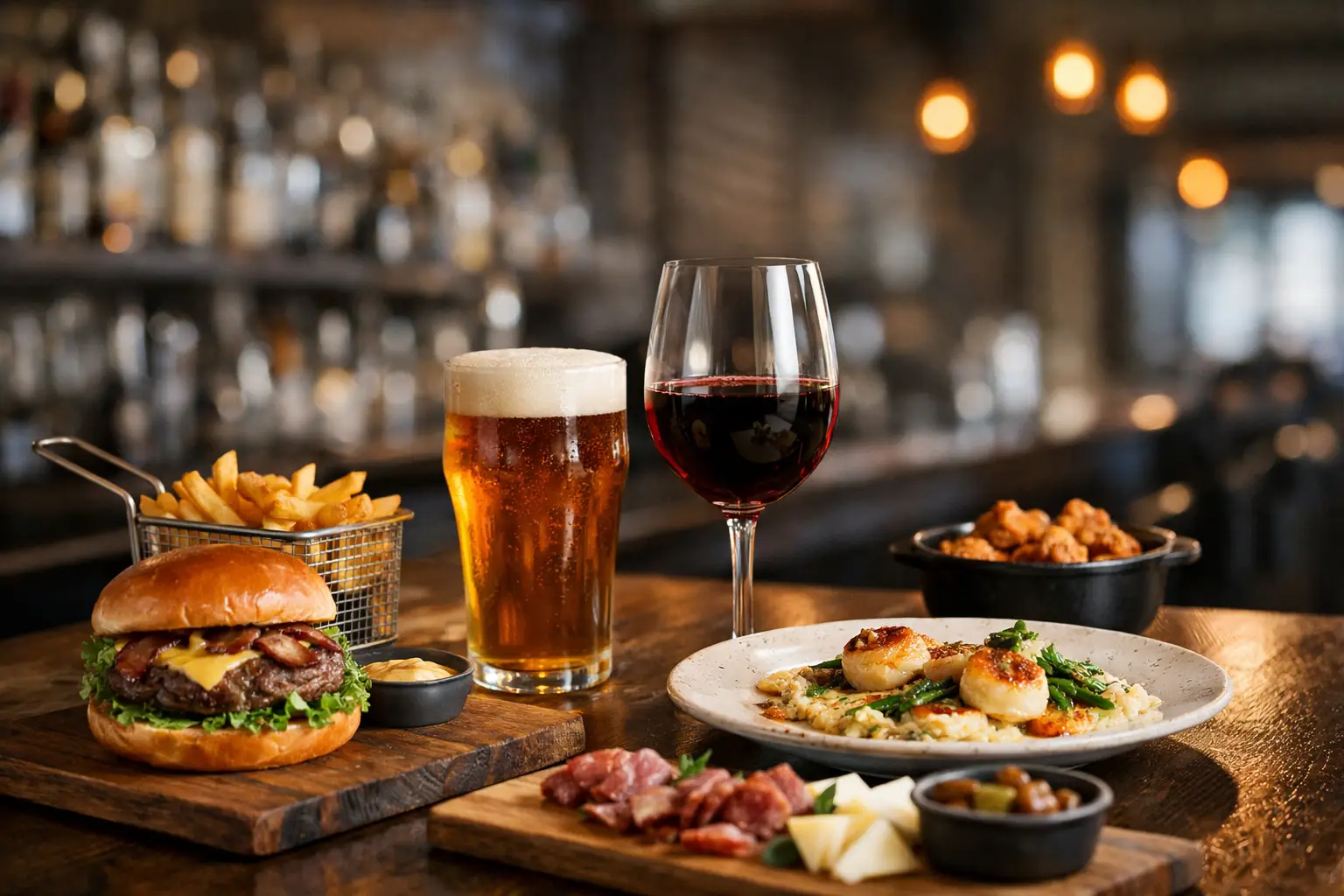
If you’ve ever looked at a pub menu and found pork belly, wild mushroom risotto and a decent sticky toffee pudding sitting alongside fish and chips and a proper pint, you’ve probably asked yourself: what is a gastropub? It’s a fair question, because the term gets used a lot, and not always very precisely.
At its simplest, a gastropub is a pub that takes food seriously – seriously enough that people might visit as much for the meal as for the drink. But it still needs to feel like a pub. That’s the bit that matters. If it loses the relaxed, social, come-in-for-one-and-stay-for-three atmosphere, then it’s edging towards restaurant territory, no matter how polished the menu is.
What is a gastropub, exactly?
A gastropub is a licensed pub that serves higher-quality food than you’d usually expect from a standard pub menu. That might mean better ingredients, more thoughtful cooking, seasonal dishes, stronger local sourcing, or a kitchen that goes beyond frozen chips and generic grill options.
The word itself is a blend of “gastronomy” and “pub”, and while that sounds a touch grand, the basic idea is straightforward. It’s pub culture with a food-led offer. You should still be able to have a pint at the bar, settle in for a roast, or meet friends for a long lunch without it feeling stiff or overly formal.
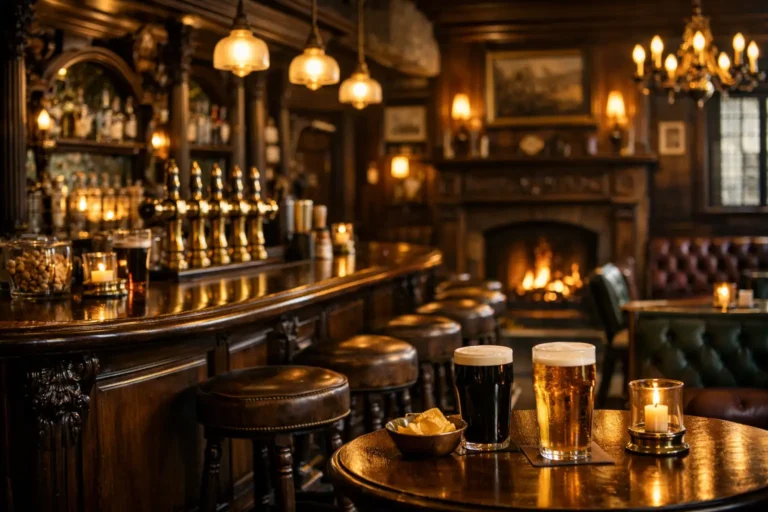
In the UK, the best gastropubs manage that balance well. They keep the warmth, character and approachability of a local while raising the standard of what’s coming out of the kitchen.
How gastropubs are different from regular pubs
Not every pub that serves food is a gastropub. Plenty of traditional pubs do good, honest meals without trying to be one. A steak and ale pie, a ploughman’s or a solid Sunday roast does not automatically make a place a gastropub.
The difference is usually in the emphasis. In a regular food pub, the drinks and pub atmosphere still tend to lead, with food as an important extra. In a gastropub, food becomes a central part of the identity. The menu is more carefully built, the kitchen often has stronger culinary ambitions, and the venue may attract diners who book specifically for lunch or dinner.
That said, there is a lot of overlap. Some of Britain’s best pubs never call themselves gastropubs, even though the food is excellent. Others use the label a bit too eagerly for what is, in truth, fairly standard fare in nicer surroundings.
Gastropub vs restaurant: where’s the line?
This is where things get blurry. A gastropub can look a lot like a casual restaurant, especially in cities or affluent market towns. There may be table service, a smarter interior, and a menu that reads more chef-led than pub-led.
The line usually comes down to feel. In a true gastropub, you can still pop in for a drink without ordering food and not feel like you’re getting in the way. The bar still matters. Beer, wine and spirits are part of the experience, not an afterthought. The room should work for drinkers as well as diners.
In a restaurant with a pub sign outside, that balance often disappears. The tables dominate, the bar is secondary, and the whole place runs around meal bookings. There’s nothing wrong with that, but it’s not quite the same thing.
Where gastropubs came from
The gastropub idea took off in Britain in the early 1990s. It was a reaction to two things at once: pubs serving forgettable food, and restaurants feeling expensive or overly formal for everyday eating.
The new model offered something different. Better cooking, better ingredients and more interesting menus, but in a setting that still felt sociable and relaxed. It suited changing habits too. People wanted places where they could meet for a drink, stay for dinner and not feel rushed out.
Since then, the term has spread everywhere from London neighbourhood pubs to village inns in Yorkshire, Cornwall, the Cotswolds and beyond. In some places, it’s become shorthand for aspirational pub dining. In others, it’s simply a sign that the kitchen is worth your time.
What to expect from a gastropub menu
A gastropub menu usually sits somewhere between classic British pub food and modern bistro cooking. You’ll often see familiar staples done to a higher standard, alongside a few more ambitious dishes.
That might mean beer-battered haddock with hand-cut chips, slow-cooked lamb shoulder, seasonal game in autumn, decent vegetarian mains that aren’t an afterthought, and puddings made in-house rather than bought in bulk. A strong Sunday roast is often a very good sign.
Menus also tend to change more often than in standard chain pubs. Seasonality matters more. Local produce may get a mention, though that can sometimes be more marketing than substance. The best test is whether the menu feels considered rather than inflated.
A long menu isn’t always a good sign. Neither is one packed with fashionable ingredients but no real sense of identity. Good gastropubs usually know what they do well and stick to it.
Drinks still matter in a proper gastropub
For pub-goers, this is often the deciding factor. A gastropub should not neglect the bar. If the food is excellent but the beer selection is poor, the cask ale is tired, or the drinks list feels like a box-ticking exercise, something has gone a bit off course.
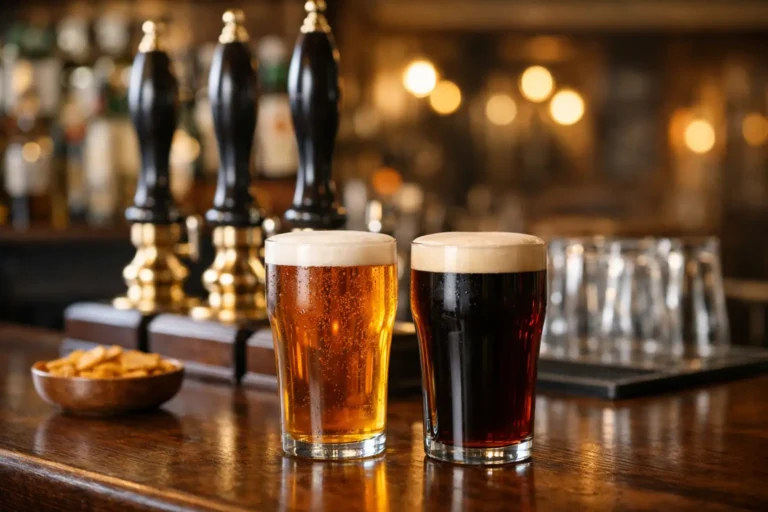
A strong gastropub usually offers a thoughtful drinks range to match the kitchen. That might include well-kept cask ale, a few local beers, a decent wine list, good soft drinks and competent spirits. It doesn’t need to be huge, but it should feel looked after.
This is one reason some pub fans are wary of gastropubs. They worry that food-led pubs lose their soul, price out regulars, or turn into dining rooms with beer taps. Sometimes that criticism is fair. Sometimes it isn’t. The better examples prove you can serve excellent food without stripping away the pub’s social character.
How to spot a genuinely good gastropub
A good gastropub usually gets the basics right before showing off. The welcome is warm, the room is comfortable, the drinks are in good nick and the menu feels realistic for the setting.
Service should be attentive without becoming fussy. You should be able to come in muddy from a walk, order a pint, and not feel underdressed because someone nearby is having venison with a glass of red. That’s part of the charm when it’s done properly.
It also helps to look for balance. If a place has lovely interiors and photogenic plates but no atmosphere around the bar, it may be more style than substance. If it keeps loyal locals as well as destination diners, that’s often a better sign.
For anyone planning a food-focused pub day out, this is where having a decent pub finder app comes in handy. Being able to compare reviews, save favourite pubs and track pubs visited makes it much easier to separate genuine hidden gems from places that are just good at branding.
Are gastropubs more expensive?
Usually, yes. Better ingredients, more skilled kitchen staff and more ambitious menus tend to push prices up. A gastropub meal often costs more than a standard pub lunch, especially in London and other high-demand areas.
That doesn’t automatically make it poor value. If the cooking is good, portions are fair and the setting still feels welcoming, many people are happy to pay a bit more. The problem is when prices rise but the experience doesn’t really justify them.
That’s why honest pub reviews matter. Some gastropubs are worth travelling for. Others are perfectly pleasant but not notably better than a solid local with a simpler menu and lower prices.
Is every modern pub becoming a gastropub?
Not quite, but the influence is everywhere. Even fairly traditional pubs have raised their food game over the last two decades. Better burgers, improved roasts, local produce and more thoughtful vegetarian options are now common in places that wouldn’t call themselves gastropubs at all.
That’s mostly a good thing for pub-goers. It means higher expectations across the board. But it also makes the label less useful than it once was. These days, “gastropub” can mean anything from a very good village inn to a polished dining pub with rooms.
So rather than focusing too much on the label, it’s better to ask what kind of experience you want. Are you after a pint-first local with decent food on the side? A destination pub for Sunday lunch? A halfway house between a restaurant and a proper boozer? The answer changes which pubs are right for you.
Why the gastropub still matters
For all the eye-rolling the term sometimes gets, gastropubs have done a lot to improve British pub food. At their best, they prove a pub can serve a cracking meal without becoming pretentious. They keep people in pubs longer, bring in mixed groups with different priorities, and often help old buildings or village inns stay viable.
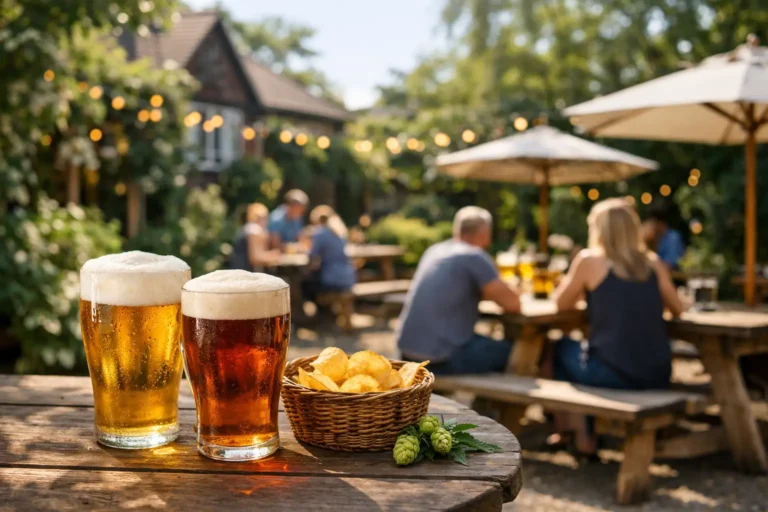
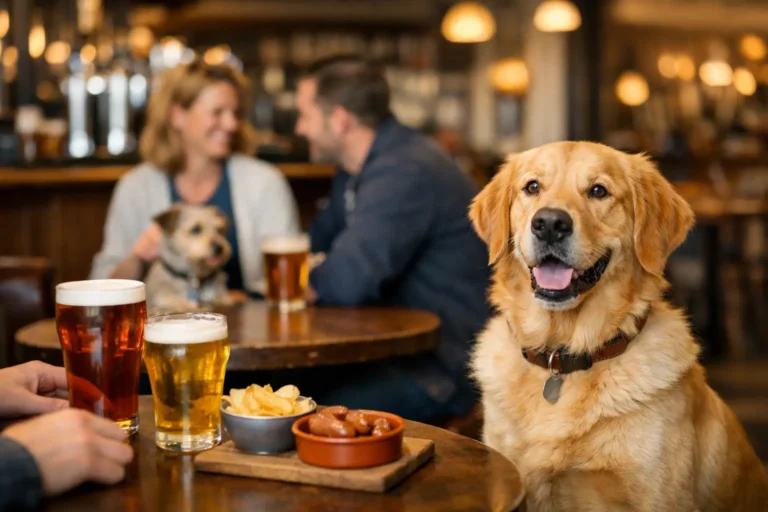
They also widen what a pub visit can be. One group wants cask ale, another wants a smart dinner, someone else wants a dog-friendly lunch after a walk. A good gastropub can cater for all three without feeling like it’s trying too hard.
And really, that’s the heart of it. A gastropub isn’t just a pub with nicer plates. It’s a pub where food is part of the draw, but the pub itself still comes first. Find one that gets that balance right, and you’ve usually found somewhere worth coming back to.