Friday night is still Friday night, but the modern pub visit is getting a bit more selective. When people search for pub trends 2026, they are not usually asking whether pubs still matter. They are asking what sort of pubs will actually tempt them out, what experiences feel worth the spend, and which venues understand why people choose a proper pub over a generic bar, chain restaurant or another night at home.
That matters because British pub culture is not disappearing – it is sharpening up. The pubs doing well are giving people clearer reasons to visit, whether that is a great cask line-up, a beer garden that feels like an event in itself, a roast worth travelling for, or the sort of atmosphere that makes you stay for one more pint and a packet of crisps. Across the UK, the strongest trends look less like gimmicks and more like a return to character, comfort and useful choice.
Pub trends 2026 are getting more local and more intentional
One of the biggest shifts is that pub-goers are becoming more deliberate. Fewer people are happy to just turn up anywhere and hope for the best. They want to know if a pub suits the occasion before they set off – date night, a catch-up with mates, a city break pint, the football, Sunday lunch or a dog walk stop.
That means pubs with a clear identity have an edge. A proper ale house does better when it leans into ale rather than trying to be everything at once. A food-led village pub needs to make the dining experience genuinely good, not just pub food by numbers. A city centre boozer with history and a strong pint selection will often beat a polished but forgettable venue with no real personality.
For pub discovery, this is changing how people choose where to go. They are relying less on broad review sites and more on specialist guides, themed recommendations and local knowledge. If you are planning an afternoon out, it is far more useful to know the best pubs for cask beer in a city than to scroll through hundreds of vague star ratings.
Better pub gardens, not just bigger ones
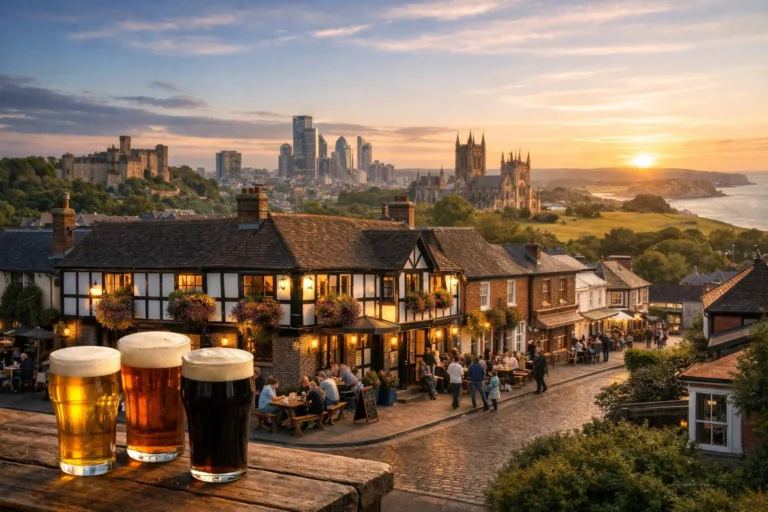
Beer gardens are still one of the clearest pub trends 2026, but the standard is rising. A few picnic benches and a smoking shelter no longer count as a proper outdoor offer, especially when spring and summer trade can make such a difference.
People want outdoor spaces that feel worth staying in. That could mean covered seating for unreliable weather, heaters used sensibly, decent lighting, attractive planting, good spacing between tables, and outdoor service that does not feel like an afterthought. The best pub gardens now work as social spaces in their own right rather than overflow areas.
There is a trade-off here, though. Some pubs improve the garden and lose the feel of the pub itself, especially if the outdoor area starts drifting into bar terrace territory. The smart venues keep both. They make the outside more comfortable without stripping out the relaxed, pubby character people came for in the first place.
Cask ale still matters, but range needs a bit more thought
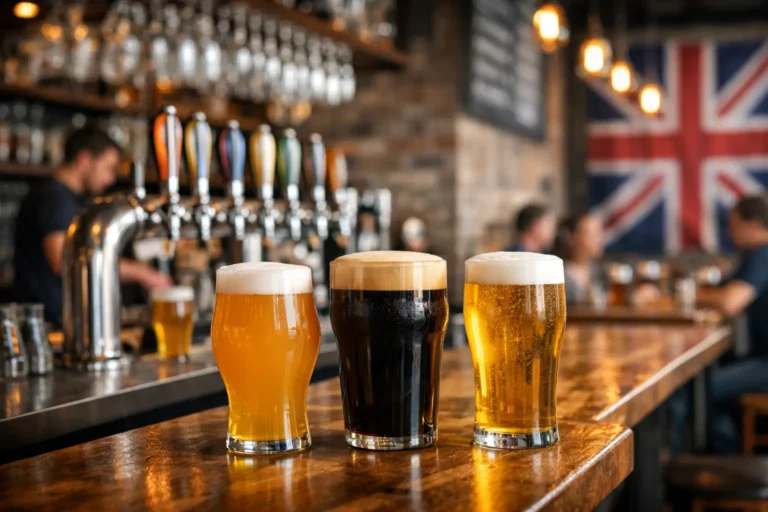
For all the talk around craft beer and changing habits, cask is still central to many of the best pubs in Britain. What is changing is how pubs present it. Drinkers are looking for quality and freshness over sheer volume, so a smaller, well-kept range can be more appealing than a long line-up that is not moving quickly enough.
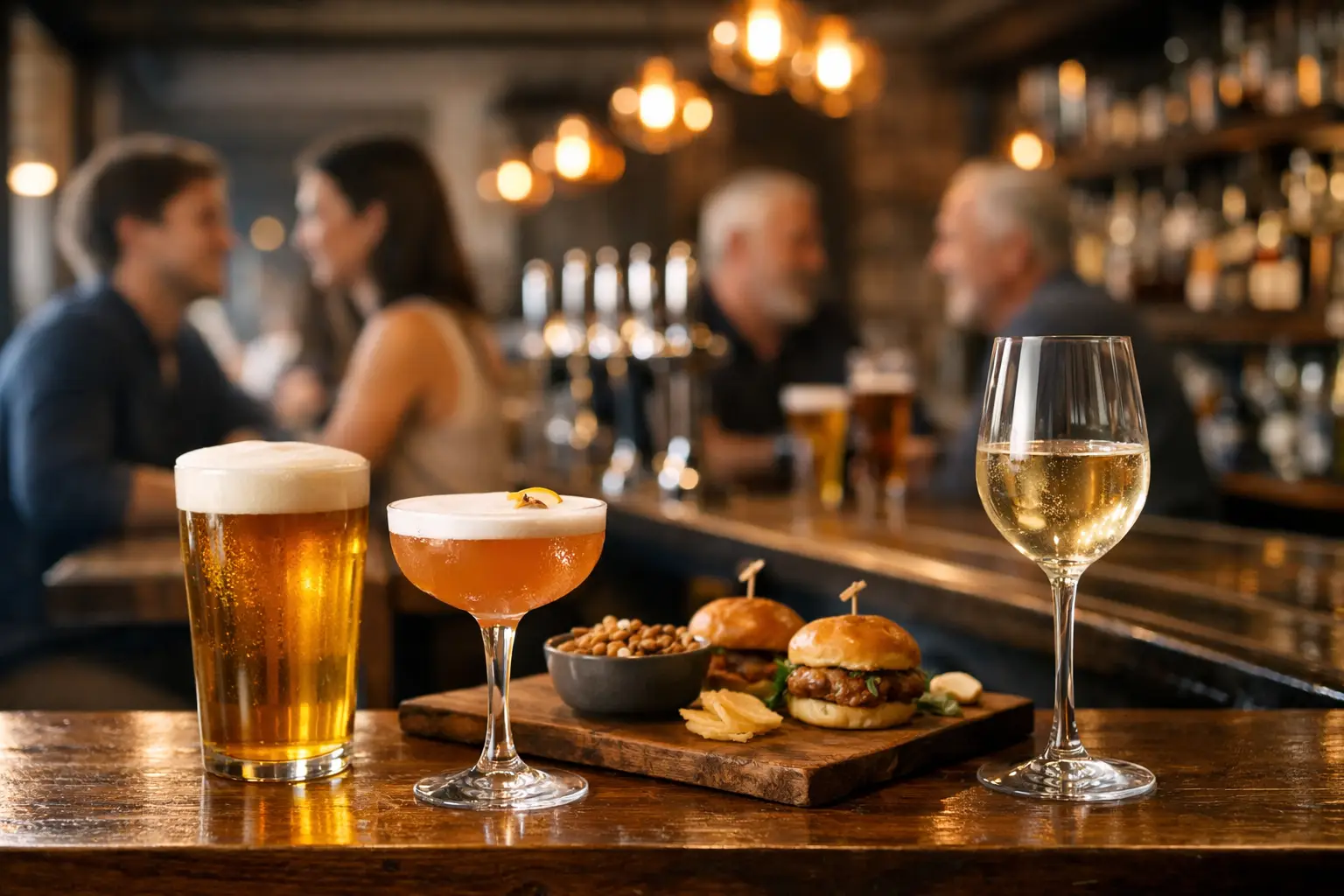
This is especially true in pubs that are trying to appeal to mixed groups. Not everyone wants cask ale, but many groups do want somewhere with a proper beer offer. So the best drinks menus are becoming broader without becoming bloated. A strong couple of cask options, a few interesting keg lines, reliable lager, decent cider and thoughtful alcohol-free choices is often the sweet spot.
Beer curiosity is growing too. More pub-goers want to remember what they had and where they drank it, especially on weekends away or ale trails. That is where digital tools are becoming part of the experience rather than a distraction from it. Being able to track beers, save favourite pubs and note down standout pints suits the way many people already explore pubs now.
The rise of quieter occasions
Not every successful pub visit in 2026 is about a big Saturday session. One of the more interesting shifts is the strength of smaller, lower-key occasions. Midweek pints, early evening catch-ups, solo visits with a book or paper, post-walk drinks, and one-stop food-and-pint visits all matter more than they used to.
That benefits pubs that understand pace and atmosphere. A pub does not need to be loud or packed to feel successful. In fact, some of the most valued venues are the ones that feel welcoming on a Tuesday at 5pm as much as they do on a Friday at 9pm.
This is also tied to changing drinking habits. Moderation is more common, and pubs that make room for that without becoming preachy are likely to win people over. A good alcohol-free beer range, low and no options that are actually enjoyable, and a menu that does not treat non-drinkers as an afterthought all make a difference.
Food is becoming more decisive
Food has been part of pub life for years, but in pub trends 2026 it feels more make-or-break. People are less forgiving of mediocre menus, especially when prices are higher. If a pub positions itself as food-led, the food has to justify the journey.
That does not mean every pub needs gastropub ambition. Plenty of people still love a straightforward pie, a decent burger or a strong Sunday roast. The difference is that quality, consistency and relevance matter more than menu length. A shorter menu done properly is often a stronger sign than pages of choices.
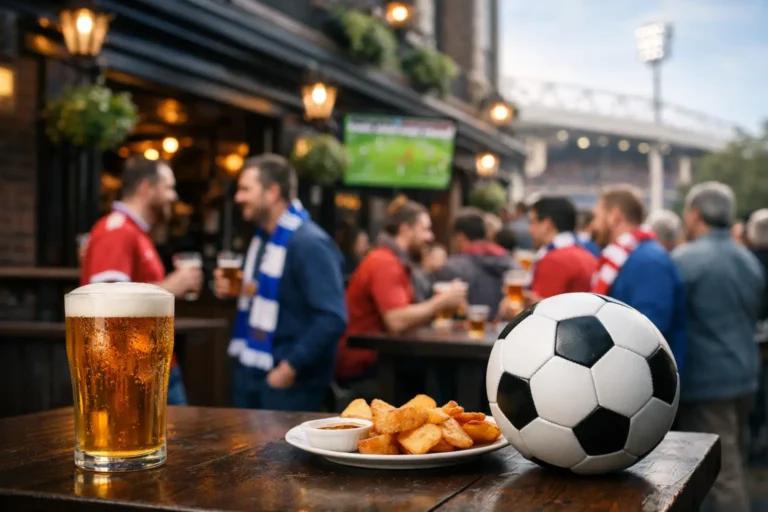
There is also more demand for pubs that match food to occasion. A city pub near the station may do best with quick, reliable dishes. A country pub might lean into seasonal comfort food. A sports pub can still win with better sharers and smarter snacks. The old one-size-fits-all pub menu is looking tired.
Community-led pubs will stand out more
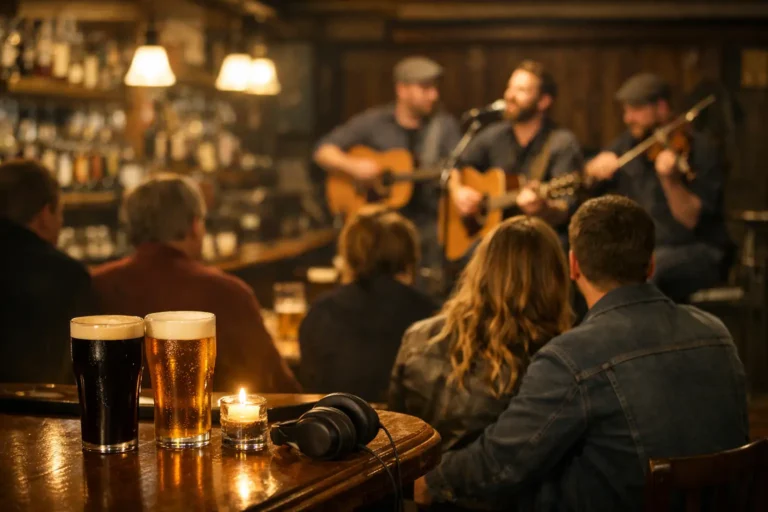
The best pubs have always been about more than what is in the glass. In 2026, that local connection is becoming even more valuable. Pub-goers are drawn to places that feel part of their area, whether through events, local beers, quiz nights, live music done well, partnerships with nearby food suppliers or simply staff who know the room.
This does not mean every pub needs a packed events calendar. Forced entertainment can feel a bit desperate. But pubs that create genuine reasons for repeat visits tend to build stronger loyalty. Familiarity still matters. So does the sense that a pub is part of local life rather than just a venue passing through trends.
That is also why honest, community-backed reviews are gaining weight. People want recommendations from those who actually use pubs properly, not generic nightlife round-ups that lump a Victorian ale house in with a cocktail chain and call it a day.
Smarter pub crawls and better planning
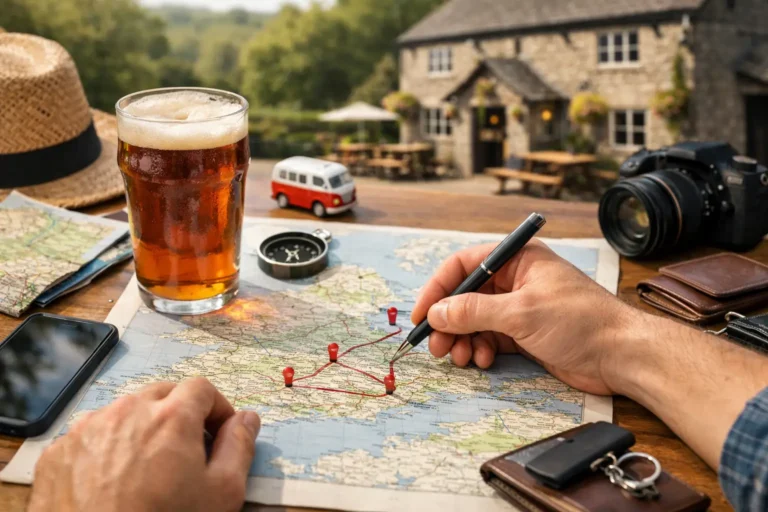
Pub crawls are not going anywhere, but they are becoming better organised and a bit less chaotic. More groups now plan around walkability, pub style, food stops, train links and mixed drinking preferences rather than just choosing the nearest run of bars.
That is good news for characterful pub areas and city guides. Instead of stumbling through random venues, people are building routes around themes such as historic pubs, best cask pubs, riverside stops or cosy winter boozers. It makes for a better day out and usually leads to better pubs.
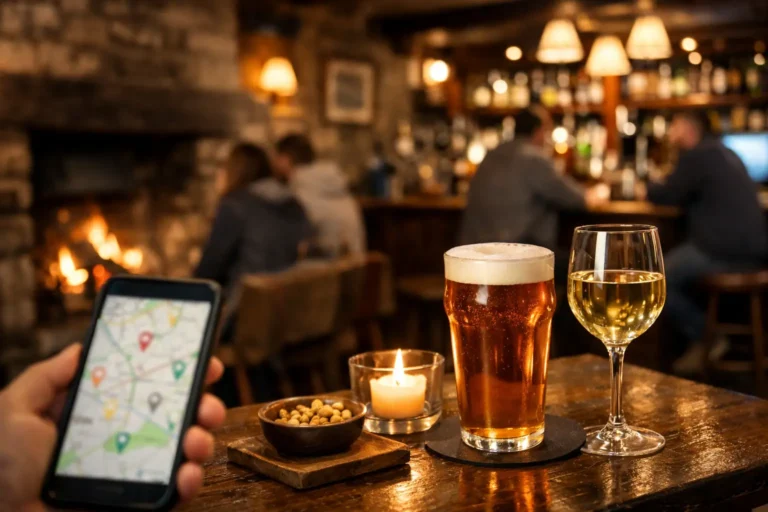
Digital planning plays a part here. Tools that help users find pubs nearby, map out a crawl, save venues for later and track pubs visited fit naturally with the way people explore cities now. For anyone doing a weekend in York, Manchester, Edinburgh or Cardiff, being able to organise a pub route in advance is simply practical.
Design will matter, but character still wins
A fresh interior can help, but not if it removes everything that made a pub memorable. One tension within pub trends 2026 is the push and pull between refurbishment and authenticity. Done well, investment makes a pub warmer, cleaner and more comfortable. Done badly, it leaves you with another generic room full of beige paint, stripped wood and no atmosphere.
Pub-goers still respond to character. Original features, interesting signage, a lived-in bar, snug corners, old photos, a proper fireplace or even just a room that has not been over-designed all count for a lot. People do not expect every pub to be historic, but they do expect it to feel like a pub.
This is especially true in an era where people are choosing outings more carefully. If they are making the effort to go out, they want somewhere with a sense of place. Blandness is expensive.
What this means for finding better pubs in 2026
For pub-goers, the main lesson is simple. The best nights out are less about following hype and more about matching the pub to the moment. A brilliant football pub may be awful for a quiet date. A lovely dining pub may not suit a casual crawl. A famous old pub might be worth one pint for the history but not an all-evening stay. Context matters.
That is why specialist discovery is becoming more useful than ever. If you are choosing between a handful of pubs in an unfamiliar area, knowing which ones are actually good for cask ale, beer gardens, roasts or atmosphere saves time and usually leads to a better day. Pub Reviews UK and the Pubs Near Me: Pub Finder UK app fit neatly into that shift, especially if you want to find pubs nearby, save favourite pubs, build pub crawls or keep track of where you have been.
The pub scene in 2026 looks strongest where tradition and practicality meet – better spaces, clearer identities, more thoughtful drinks lists and proper local character. For anyone who loves finding a hidden gem or just wants a reliably good pint in the right setting, that is a pretty encouraging place to be.