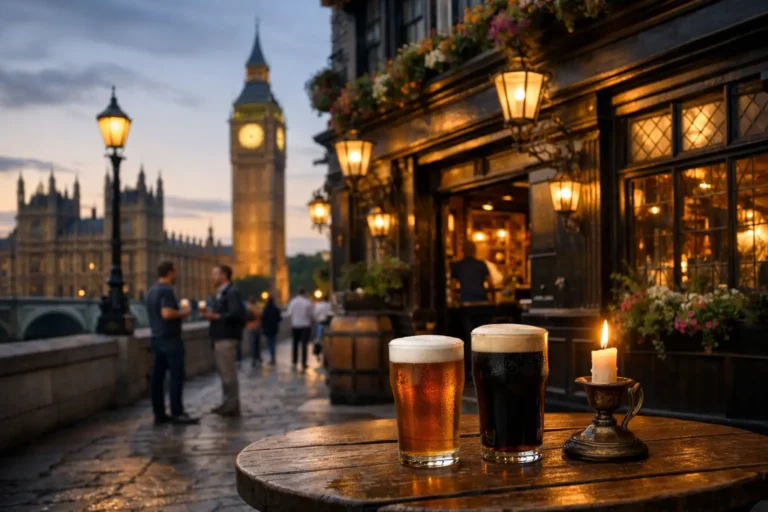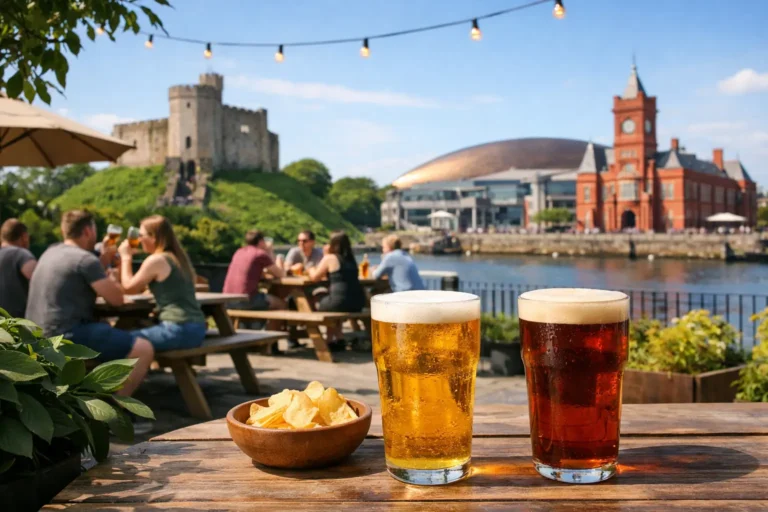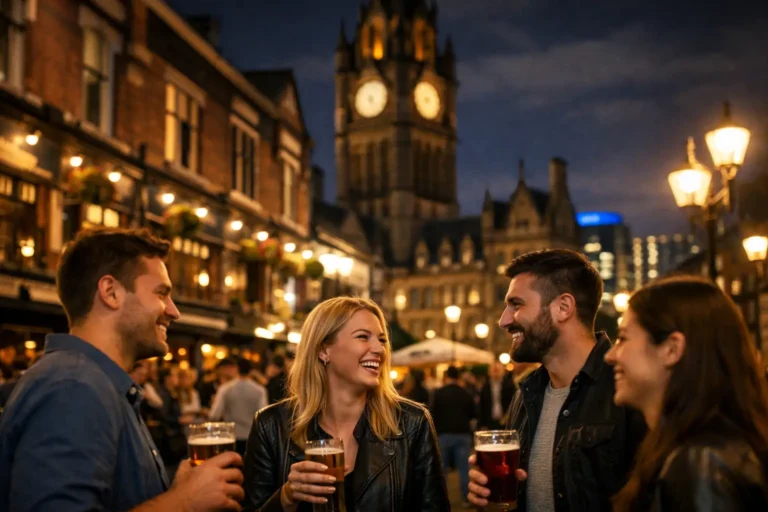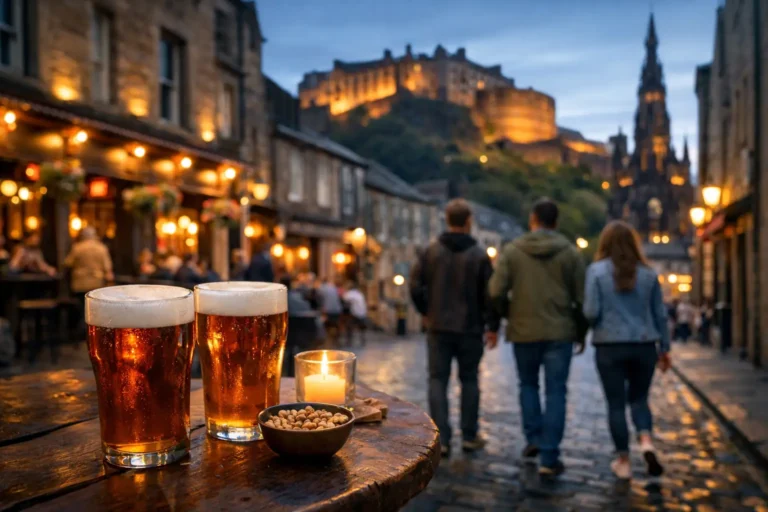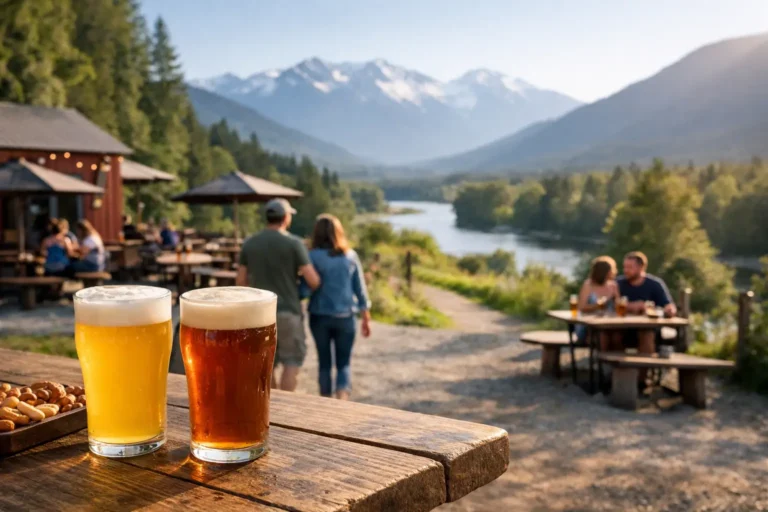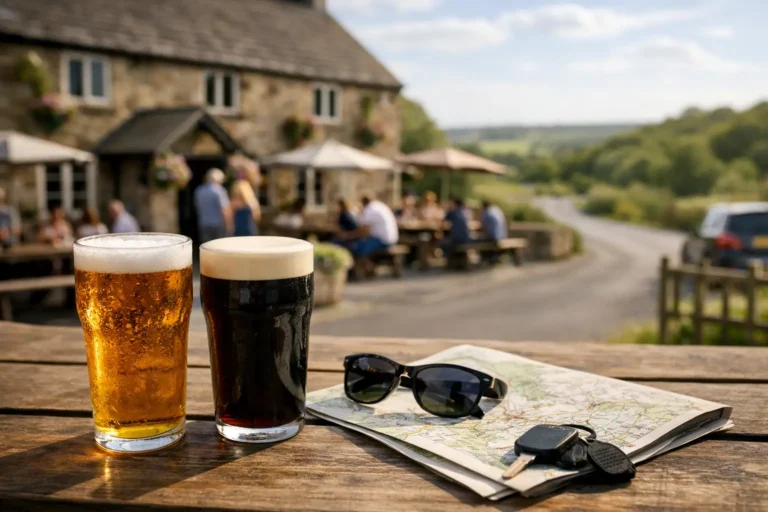
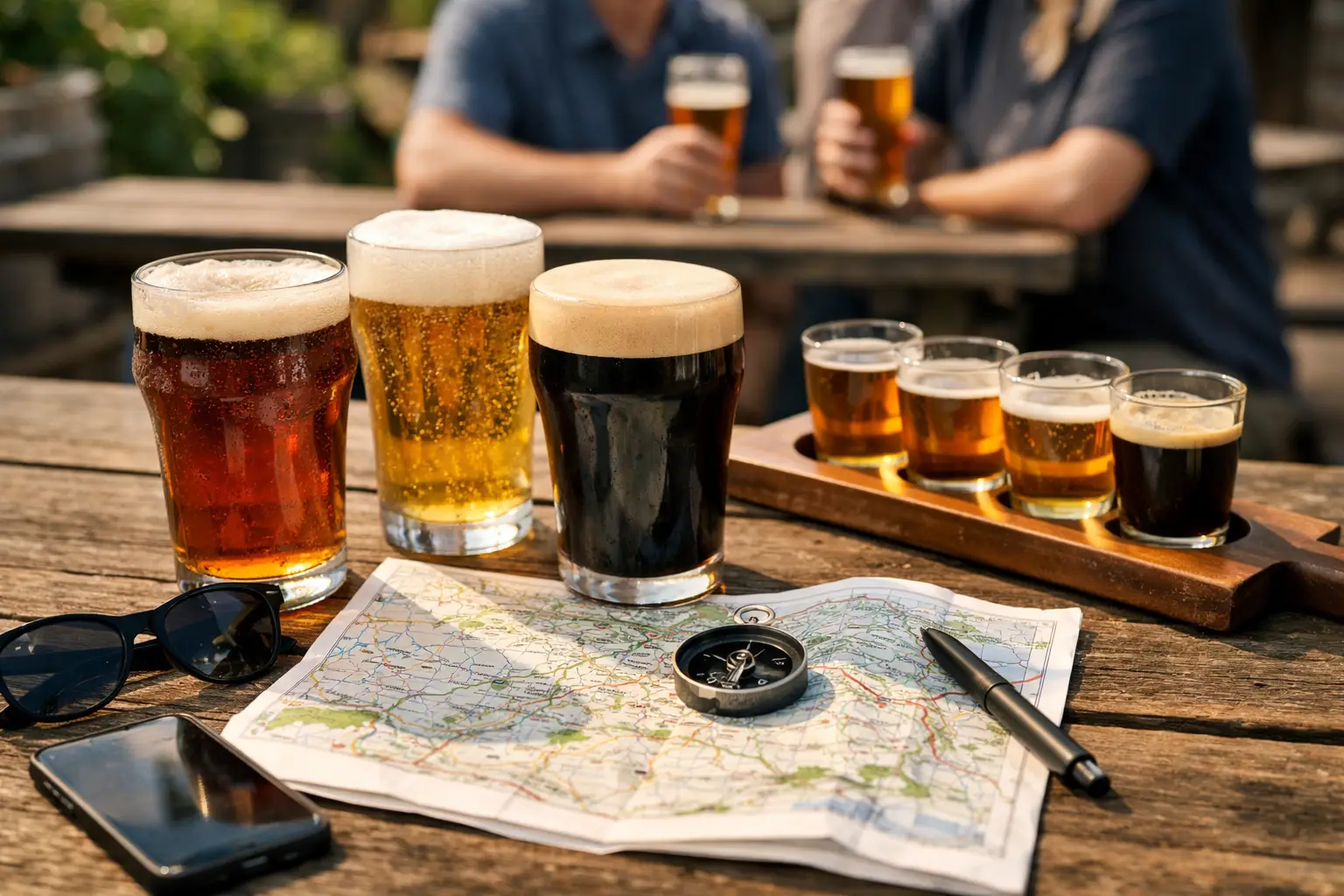
There is a big difference between a pub day that just happens and one that properly comes together. The best ale trails are not about squeezing in as many pints as possible. They are about good pubs, a sensible route, well-kept beer and enough time to actually enjoy where you are.
That is why ale trails still appeal far beyond dyed-in-the-wool beer fans. Done well, they turn an ordinary Saturday into a proper day out – part social, part local exploring, part excuse to seek out pubs with real character. Whether you are planning one in a city centre, a market town or along a railway line, a bit of thought makes all the difference.
What makes ale trails worth doing?
At their best, ale trails give you structure without making the day feel regimented. You are not just wandering until something looks decent. You have a route, a rough order and a reason for each stop, whether that is cask ale quality, historic interiors, a cracking beer garden or simply a pub people genuinely rate.
They also help you avoid the usual disappointment of ending up in the nearest chain or a place that looks promising from outside but falls flat once you are in. A proper trail gives you a stronger chance of finding pubs that feel distinctive, not interchangeable.
There is also the social side. Good ale trails work for mixed groups because not everyone is judging every pint like a competition entry. Some people want a classic bitter, others want food, atmosphere, outdoor seating or an easy walk between stops. The best route accounts for that.
How to plan ale trails that actually work
The mistake most people make is starting with a long list of pubs and assuming the route will sort itself out later. It rarely does. Start with geography first, then pub quality.
Pick an area with enough variety
A strong ale trail area usually has three things going for it. It has a decent concentration of pubs, walkable or easy transport links, and enough range to stop every venue feeling the same. That could mean a city centre with traditional ale houses and modern craft-led pubs side by side, or a smaller town with a few standout locals and one or two destination pubs.
Railway towns can work especially well if you want a trail without relying on a car. So can canal routes and historic city quarters. What matters is not size, but density and ease.
Be selective with your pub choices
Four to six pubs is usually plenty for most ale trails. More than that and the day can start feeling rushed, especially if you are including food or travelling between venues. A shorter route with stronger pubs nearly always beats an overstuffed one.
Try to vary the stops. If every pub is a dark traditional ale house with similar beer ranges, the trail can blur into one. Mixing in one historic pub, one proper cask specialist, one friendly neighbourhood local and perhaps one pub with a standout outdoor space tends to make the day more memorable.
Think about timing, not just distance
A trail that looks compact on a map can still be awkward if the pubs get busy at different times or if one stop is a known wait for food. Lunchtime can be ideal for starting with a pub that does decent grub, then moving into smaller drinking-focused venues later on.
Weekends bring atmosphere, but they also bring crowds. If your route includes popular city pubs, a Friday evening trail will feel very different from a Sunday afternoon one. Neither is wrong. It just depends whether your group wants buzz or breathing room.
Choosing the right pubs for an ale trail
A good ale trail is only partly about beer range. Quality and character matter more than a long pump clip line-up that is not being looked after properly.
Look for signs of good cask care
If cask ale is central to the day, choose pubs with a reputation for keeping it well. That usually means regular turnover, knowledgeable staff and a beer list that suits the pub rather than chasing trends for the sake of it. A smaller choice that is consistently on form is better than eight handpulls with patchy quality.
If your group enjoys variety, it helps to mix classic cask pubs with one or two places offering modern pale ales, local brews or a stronger regional selection. Not every stop needs to be a textbook ale house.
Atmosphere matters as much as the pint
Some pubs are technically excellent but a bit flat for a social trail. Others may not have the broadest beer range, but they are welcoming, lively and worth including because people genuinely enjoy staying there. The sweet spot is finding venues that offer both.
It is also worth thinking about noise levels, seating and layout. A pub day works better when your group can actually talk, sit down at least some of the time and settle in without fighting for a corner of a crowded bar area.
Ale trails in cities versus towns
City ale trails and town ale trails each have their strengths, and it is worth knowing which sort of day you are after.
City routes usually give you more choice, more variety and easier transport. They are ideal if your group wants flexibility or if some people are more interested in pub hopping than staying put. The downside is that city centres can turn hectic quickly, and some pubs feel more like tick-box stops than places to linger.
Town-based trails often have more charm and less pressure. Distances are shorter, pubs can feel more rooted in the local area, and the day tends to move at a gentler pace. The trade-off is obvious – if one or two venues are underwhelming, you have fewer alternatives.
For many people, the best answer sits somewhere in the middle. A compact historic city, spa town or market town with a strong pub scene often gives you enough variety without the sprawl.
Using tools to make the day easier
A little planning does not spoil spontaneity. It just removes the faff.
If you are building a route in advance, it helps to map out each stop, save your shortlist and keep notes on opening times, food options and standout beers. That is especially useful when you are organising for a group and do not want to spend half the day asking where to go next. If you use Pubs Near Me: Pub Finder UK, you can find pubs nearby, save favourite pubs and build a route before you head out, which makes ale trails much easier to manage on the move.
It is also handy if the day changes shape. Maybe one pub is rammed, maybe the weather turns, maybe the group fancies stretching the route by one more stop. Having nearby options to hand is far better than guessing.
A few common mistakes to avoid
The biggest one is overplanning. If every stop is timed to the minute, the day can feel more like a sponsored challenge than a pub trail. Leave room for a pub you all unexpectedly love, or one quick half turning into a slightly longer stay.
Another mistake is ignoring food and water. Even a cask-focused day is still a day out, not an endurance test. A good ale trail has sensible breaks built in, and it is perfectly reasonable to make one of your pub choices based on decent lunch rather than beer alone.
Finally, do not choose pubs purely for reputation if they do not suit your group. The legendary old ale house with no seats and no interest in conversation might be ideal for some, but less so for a mixed social day. Context matters.
Why ale trails are still one of the best ways to find great pubs
There is something satisfying about linking pubs together in a way that tells you a bit more about a place. One stop shows off local brewing, another gives you a glimpse of pub history, another becomes the one everyone talks about afterwards because the welcome was spot on and the beer was in top nick.
That is really the point of ale trails. They help you find pubs with substance, not just convenience. They turn drinking into discovery, without making it feel forced or fussy.
If you are planning your next one, keep it simple. Choose a manageable area, be picky about the pubs, leave room for the day to breathe and make sure the route works for the people actually doing it. The best pub days are rarely the busiest ones. They are the ones where every stop feels worth it.