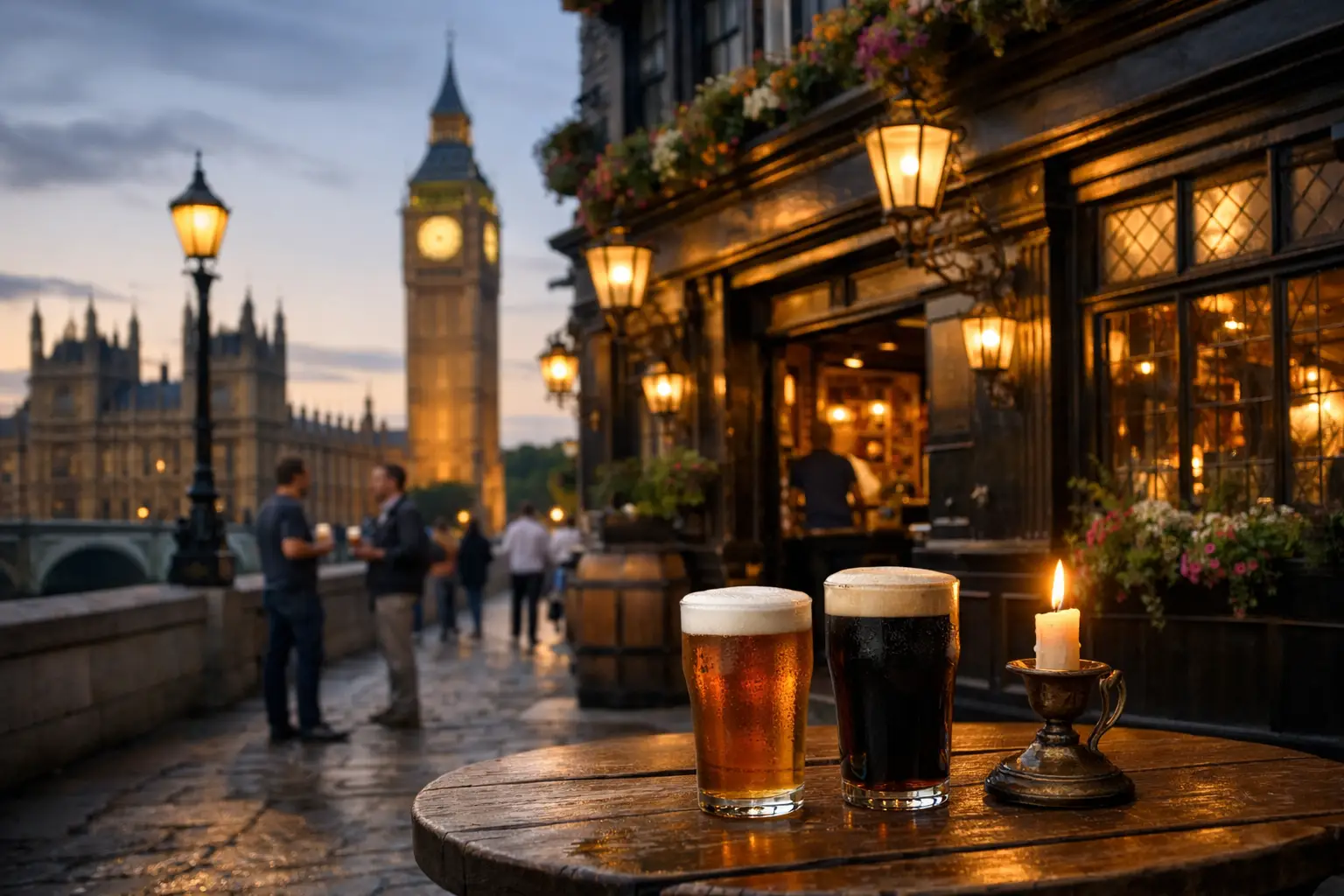
Some London pubs feel old because they have exposed beams and a chalkboard. Others feel old because they were serving drinkers before your grandparents’ grandparents were born. That is the difference this London historic pubs guide is really about – not themed nostalgia, but proper pubs with stories in the walls, odd little corners, and a sense that half the city has passed through for a pint.
If you are planning a day around historic boozers in the capital, it helps to be a bit selective. London has no shortage of claims to fame, and not every “oldest pub” story stands up particularly well after the second round. The better approach is to build a route around pubs that still feel like pubs first – places with heritage, yes, but also atmosphere, good beer and enough character to make the trip worthwhile.
How to use this London historic pubs guide
The main trade-off with historic London pubs is simple. The most famous places are often worth seeing, but they can also be busy, pricey and full of camera phones by late afternoon. Lesser-known spots may feel more rewarding if you want a proper session and a bit of breathing room.
That means your best route depends on what sort of day you want. If you are after landmark pubs with big reputations, central London is easy. If you prefer wood-panelled rooms, old snugs and fewer tourists, it is worth stepping just slightly off the obvious trail. Either way, go earlier than you think, especially on Fridays and Saturdays.
A sensible plan is three to five pubs, all within a walkable patch or a short Tube hop. More than that and the history starts to blur. If you use a pub finder app to map stops, save favourite pubs and keep a route together, it makes the day far easier than trying to remember names halfway through Covent Garden.
The kinds of historic pubs worth seeking out
Not every old pub offers the same sort of experience. Some are famous for literary connections, some for political history, some because they have survived fires, rebuilding and centuries of London changing around them. A few are worth the visit for the room itself – tiled bars, tiny passages, etched glass, low ceilings and that lovely sense that the layout was designed long before anyone worried about efficient table service.
The sweet spot is a pub that combines heritage with present-day quality. There is little point chasing history if the beer range is dull and the atmosphere flat. Equally, a very polished gastropub can be excellent, but it may not scratch the itch if what you really want is a classic London boozer with age, texture and local colour.
Best areas for a historic pub crawl in London
Fleet Street and Holborn
This is one of the easiest places to start. The area is packed with legal history, old alleyways and several pubs that feel built for long conversations over pints. You get that traditional City mix of dark wood, old newspapers, porters, clerks, barristers and curious visitors all crossing paths. Midweek early evening can be lively without feeling chaotic, though some pubs empty out a bit later once office drinkers head home.
Fleet Street works well if you want recognisable old London surroundings without too much wandering. It is also handy for combining famous names with pubs that still retain everyday drinking appeal.
Covent Garden and Soho
If you want a historic pub crawl that also feels energetic, this part of London gives you plenty of options. The challenge is sorting the genuinely characterful pubs from the places that rely more on footfall than charm. There are still some cracking old venues here, but timing matters. Go too late and the atmosphere can tip from lively to squeezed.
That said, if your group wants heritage with a bit of West End buzz, this is a strong choice. You can mix a couple of notable old pubs with food stops and still keep everything comfortably walkable.
Southwark and Borough
This area suits people who want history with a slightly less polished feel. There is real depth here – coaching inn energy, railway arches nearby, riverside history and some pubs that feel stitched into old London trade routes. It can be busy around the market and river, but the pub experience often feels a touch more grounded than the busiest West End circuit.
For visitors, it is also one of the easiest parts of London to read. You can actually enjoy the walk between pubs rather than spending half the afternoon trying to cross impossible junctions.
Hampstead and north London pockets
If your idea of a historic pub day leans towards a slower pace, north London can be more rewarding than central landmark-hopping. You will often get older pubs with neighbourhood atmosphere rather than pure destination-drinking crowds. The history may be quieter, but the drinking experience can be better.
This is where a bit of planning helps. A nearby pub search is useful for filling gaps between headline stops and finding somewhere that still feels special when your first-choice pub is rammed.
What makes a historic London pub actually memorable
The best historic pubs are not just old. They still have a bit of friction to them. Floors slope slightly. Corridors narrow unexpectedly. The bar is in the wrong place by modern standards. You might get separate rooms, odd little drinking spaces, a fireplace you want in winter, or a front bar that feels entirely different from the back.
Beer matters as well. A pub with heritage should still offer a decent pint, whether that is reliable cask ale, a smart keg lineup or simply a well-kept classic. Food is more variable. Some historic pubs do very good meals, while others are better treated as drinking pubs first. It depends what sort of outing you are planning. If you are building a crawl, one substantial food stop in the middle is usually enough.
Service is another thing people often overlook. Busy old London pubs can feel brisk, and that is not always a bad sign. Fast, competent service in a packed listed pub is often far more useful than drawn-out friendliness. The real test is whether the place still feels welcoming once you have your drink.
A practical route-planning approach
For most people, the best London historic pubs guide is one that keeps logistics simple. Choose one area, start by early afternoon, and mix bigger-name pubs with one or two quieter stops. That gives you the history-box ticked without turning the day into a queueing exercise.
A good rhythm is to begin with a landmark pub while everyone is fresh and the venue is still manageable, then move towards more relaxed places as the day builds. If you are meeting friends from different parts of London, pick a start point near a major station and finish somewhere with easy onward travel. Historic charm is less charming when everyone is stranded after last orders.
It is also worth thinking about the kind of group you are with. Beer lovers may care more about cask range and cellar quality. Weekend visitors may want photogenic interiors and famous names. Locals might prefer the pub that feels most authentic rather than the one with the longest plaque on the wall. None of those are wrong, but they do make for different crawls.
If you like to keep track of places you want to revisit, saving pubs and marking off venues you have already tried is genuinely handy. London is too big to trust to memory alone, especially once you start collecting favourite old pubs across different areas.
Common mistakes with historic pub days in London
One is trying to cover too much ground. On a map, several pubs can look close together. In practice, central London crowds, road crossings and indecision at every junction slow things down. Another is assuming the oldest-looking pub will be the best. Some are brilliant. Some are better for one drink and a look around.
People also underestimate how much time famous pubs take once they fill up. If a place is part of your must-visit list, go early. If you arrive and it is shoulder to shoulder, move on and come back another day. London rewards flexibility.
Lastly, do not build a historic crawl purely around age. Variety makes the day better. One grand old institution, one compact backstreet boozer, one pub known for ale, and one place with standout interiors will usually beat four similar stops in a row.
Why historic pubs still matter
Part of the appeal is obvious. London changes constantly, and old pubs give you a sense of continuity that glossy bars simply cannot fake. But they matter for more practical reasons too. They are often the best places to understand a neighbourhood, get a feel for local drinking culture, and spend time somewhere that has not been designed around speed, volume and turn-the-table thinking.
That does not mean every historic pub is perfect. Some trade heavily on reputation. Some can feel more like attractions than locals. But when you find one that gets the balance right – proper atmosphere, good beer, a room with genuine age to it and people actually enjoying themselves – it reminds you why pub culture endures.
If you are putting together your own route, keep it manageable, leave room for one spontaneous stop, and choose pubs you would genuinely want to sit in, not just photograph. London’s best historic pubs reward curiosity more than box-ticking, and the right crawl usually comes from noticing where you would happily stay for one more pint.