
For most UK pub-goers, a beer-tracking app is useful only if it makes three jobs easy: recording a beer quickly, remembering the pub where it was served and finding the entry again later. If logging a pint feels like paperwork, or the app prioritises badges and public activity over a useful personal record, a simple note or spreadsheet may be the better choice.
The right option therefore depends on what you want to remember. Beer-first users may value detailed tasting fields and a broad catalogue. Pub-first users are more likely to benefit from venue records, private notes, favourites and a clear history of their trips.
What makes a good beer tracking app review?
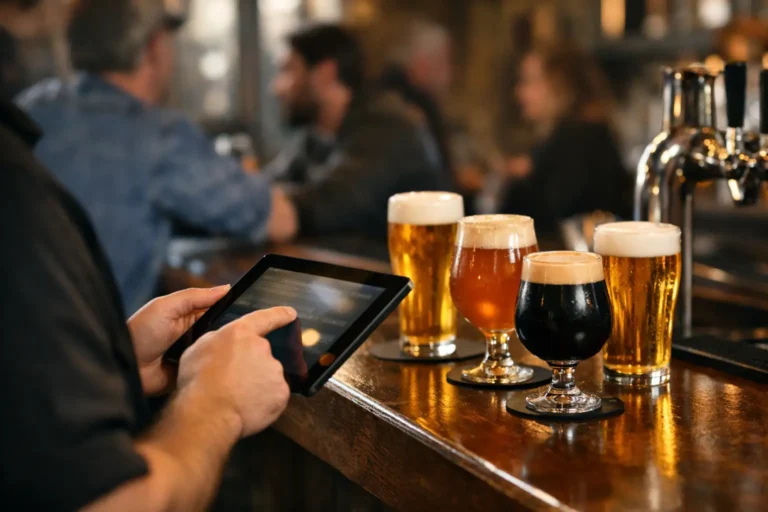
A useful review should examine the complete task rather than count features. Can you find the correct beer, record a serving, attach it to the right pub, add a short note and correct a mistake without interrupting the conversation around the table?
Place matters as well as the drink. A cask bitter enjoyed in a country local may be remembered differently from the same style tried in a busy city craft bar. Connecting each entry to a pub, town or day out can make the resulting history much more useful than an isolated list of beer names.
Effort is the other decisive factor. Requiring numerous fields may suit enthusiasts who keep detailed tasting records, but it can discourage someone who merely wants to remember a brewery, beer style and whether they would order it again. A good app should make optional detail genuinely optional.
A practical test
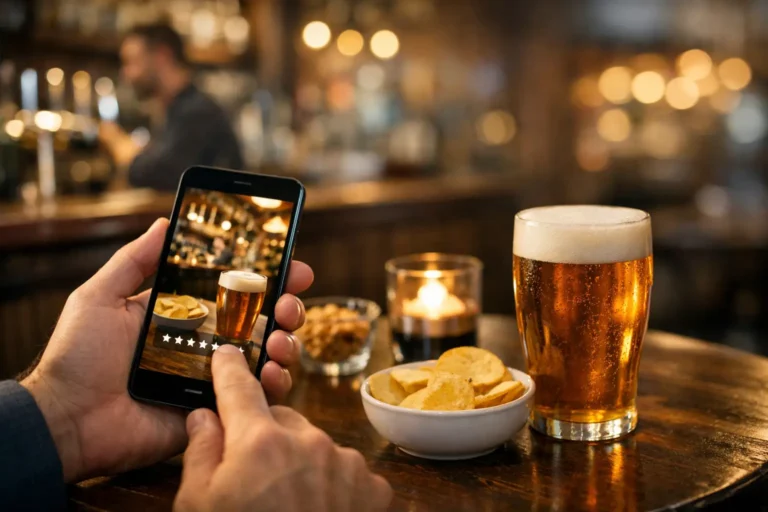
Before committing to an app, try recording an unfamiliar beer while standing at a table rather than exploring the interface at home. Check whether you can complete the entry quickly, leave unwanted fields blank and retrieve it later by beer, brewery, pub or date. This reveals more than a long feature list.
Beer tracking app review: the features that matter most
The essential fields are straightforward: beer name, brewery, style, serving details, date and a short personal note or rating. The app should also let you edit an entry when a pump clip was misread or the wrong result was selected.
For pub trips, look for the ability to:
- associate a beer with a particular pub or location;
- save favourite pubs and mark places worth revisiting;
- search or filter previous entries without scrolling through a long feed;
- keep notes private rather than publishing every drink automatically;
- handle a missing or duplicated beer without creating a confusing record;
- export or retain a usable copy of your history; and
- work sensibly when a pub has weak mobile reception.
A simple rating can be enough for casual use. Detailed aroma, appearance and flavour fields may be valuable to an enthusiast, but they should not obstruct a quick note such as “malty bitter; order again”. Recommendations and community scores can provide ideas, although they should not replace personal judgement about either a beer or a pub.
Where many beer apps get it wrong
A beer tracker becomes less useful when its incentives overwhelm its record-keeping. Badges, rankings, streaks and social prompts may appeal to some people, but anyone seeking a private pub diary should check whether those elements can be ignored or disabled. Features that reward frequency or quantity deserve particular caution; the useful goal is remembering what you chose, not encouraging greater consumption.
Database quality also needs scrutiny. Similar names, changing recipes and inconsistent brewery information can produce duplicate or ambiguous results. Test several beers you already know, then see how clearly the app identifies the brewery, style and variant. Also check what happens when the correct entry is absent and whether user-submitted corrections are distinguishable from established information.
UK venue context is another potential weakness. Someone trying to remember a stout in York or a local IPA in Glasgow needs more than a beer name. The pub, date and personal note may be the details that make an entry recognisable months later.
Why pub-focused tracking works better for many people
A pub-focused tracker may suit people who plan the outing first and choose the beer once they arrive. It can keep the drink within the wider memory of the day: where the group met, which stops were worth revisiting and what was enjoyed at each one.
For a trip to Leeds, Bristol or Edinburgh, for example, a useful record might combine a shortlist of pubs with a brief note about one beer at each stop. That is often easier to revisit than a standalone stream of drinks with little geographical context.
This approach is not automatically better. A specialist beer app may offer more useful catalogue depth, tasting detail or filtering. The choice is between two different organising principles: beer first or pub first. Decide which question you are more likely to ask later — “Where did I drink that?” or “What did I drink there?”
How Pubs Near Me handles beer tracking
Pubs Near Me: Pub Finder UK is one pub-first option: its current product page lists pub discovery, favourites, visited-pub tracking and beer logging. When assessing it, the important question is whether its pub and beer records form one coherent history rather than two disconnected sets of information.
Test it for your own needs by beginning with the tasks described above: locate a pub, save it, record a beer, add a private note, correct the entry and retrieve it after the trip. It should also establish which functions are available on the current device and account, what permissions are requested, whether any features cost money and how records can be exported or deleted.
Use realistic examples rather than relying on promotional descriptions. A reviewer might test whether an entry from a riverside pub in Durham or a tucked-away ale house in Sheffield remains easy to find, but should name the establishment or judge its details only after checking them.
A pub-focused tracker may be the more natural choice for someone whose notes begin with places and days out. A beer specialist may still prefer an app built around detailed tasting records and catalogue searches. Without the same hands-on tasks being completed in both, neither should be declared the better option.
Who will get the most from a beer tracking app?
Beer tracking is most likely to help people who regularly encounter unfamiliar choices and want a dependable memory aid. That can include real ale drinkers trying changing guest pumps, travellers keeping a record of city breaks, or groups planning an ale trail and noting which stops merit another visit.
It may also solve a modest but familiar problem: remembering that a stout in Newcastle was enjoyable while forgetting its name, brewery or pub. Recording those details at the time makes the note useful later.
Someone who usually orders the same drink in the same local may gain little from a dedicated app. A private note, photograph of a pump clip where appropriate, or small spreadsheet can provide a simpler baseline. The app earns its place only when search, venue context or organisation makes the record easier to use.
Privacy and account controls
Before building a long drinking history, inspect the app’s current privacy and account controls. Check whether location is optional, whether activity is public by default, whether photographs expose other customers, and whether you can edit, export and delete your records. Grant only the permissions needed for the features you choose to use.
A balanced verdict
For UK pub-goers, a worthwhile beer tracker is quick, private when required and strong on pub context. Choose a beer-first app if detailed tasting notes and catalogue tools matter most. Choose a pub-first app if you mainly want to connect beers with favourite venues, trips and places worth revisiting.
Pubs Near Me: Pub Finder UK should be judged as the latter type, but a recommendation requires hands-on testing of its current version, pricing, permissions, database results and account controls. Until those checks are complete, the sound conclusion is about fit rather than a winner: use the tool whose organising principle matches the memories you actually want to keep.
After several ordinary pub visits, ask whether the record helps you identify a beer, recall its setting or plan a return without adding unwanted admin. If it does, the app is useful. If it does not, a simpler private record is likely to serve you better.