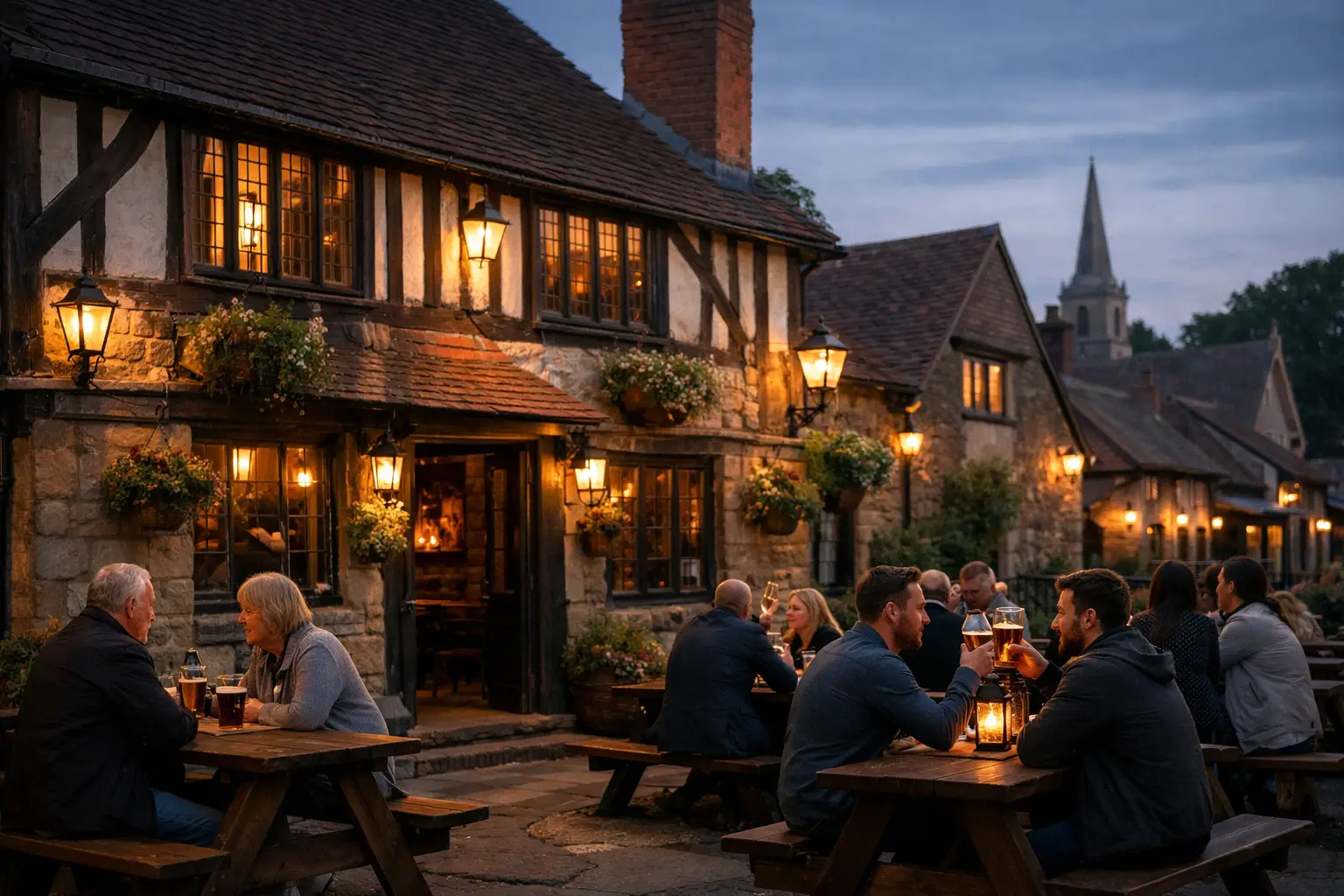
A low ceiling, a fire that has taken the chill off a wet coat, and a bar polished by generations of elbows can make a first visit feel oddly familiar. That is the heart of why historic pubs are popular with so many of us: they offer more than a drink or somewhere to meet. They give an ordinary evening a sense of place.
Britain has plenty of smart new bars and excellent modern gastropubs, and both have their place. But a historic pub can turn a pint, a pie or a quiet catch-up into a small part of a much longer story. Whether it is a former coaching inn, a Victorian ale house or a centuries-old village local, the appeal is usually felt before the first order reaches the bar.
Why are historic pubs popular with pub-goers?
Historic pubs make character easy to spot. The worn flagstones, snug rooms, old signs and uneven timber beams are not a design brief trying to look old – they are often the real thing, complete with quirks. A low doorway may have been made for a different age; a hatch, private bar or serving window may reflect how people once drank and socialised.
That authenticity matters because pubs are social spaces, not just places to consume food and drink. In a good old boozer, the layout encourages a different sort of evening. There may be separate rooms rather than one large open space, a corner that suits a quiet chat, or a fireplace that draws people in on a cold afternoon. You can settle in without feeling as if you need to be part of the loudest table in the room.
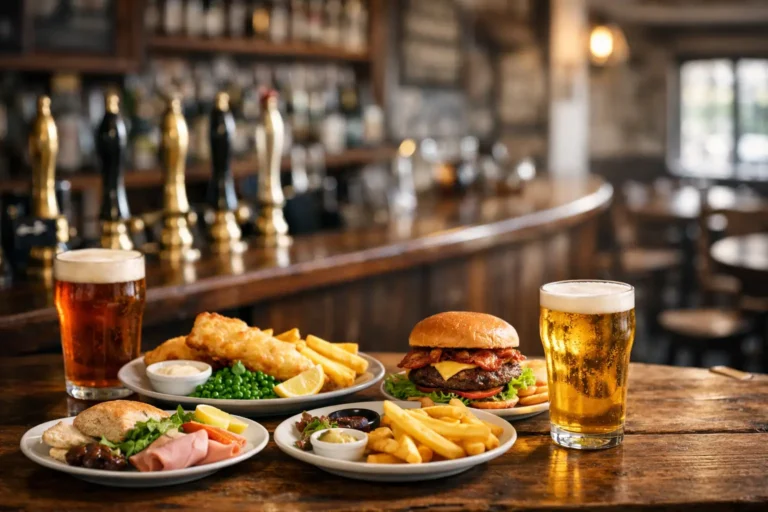
There is also a simple pleasure in the contrast. A carefully kept cask ale, a modern pale ale or a well-made Sunday lunch feels more memorable when served somewhere with visible history. The building provides the backdrop, but it is the warmth of the welcome and the quality of the pint that make people return.
A building with a story feels more personal
Many historic pubs have been witnesses to local life for decades, sometimes centuries. They have hosted wakes, wedding drinks, darts teams, village meetings, first dates and regular Friday gatherings. Some stand on old coaching routes; others began as cottages, shops or inns serving market towns and industrial communities.
You do not need to know every date on the wall plaque to enjoy that history. The point is that a pub can feel rooted in its neighbourhood rather than dropped into it. For visitors on a city break, that sense of continuity offers a better introduction to a place than another generic bar. For locals, it can be a reminder that the area has a shared story beyond the latest opening or redevelopment.
The best historic pubs do not treat heritage as a museum display. Their history is present in the building, but the pub is still alive: people are chatting at the bar, staff know the regulars, and someone is choosing between the guest ales. That mix of old and everyday is hard to manufacture.
The atmosphere cannot be copied exactly
Plenty of venues can install reclaimed wood, old-looking lamps and framed prints. Some do it well. Yet there is a difference between a period-inspired interior and a room that has genuinely evolved over time.
In historic pubs, odd corners often have a reason. The bar may have shifted over the years, the floor may slope, and the furniture may not match perfectly. Those imperfections are part of the charm because they create intimacy. They also make each visit a little more memorable – you remember the tiny snug by the fire or the courtyard tucked behind the building.
That said, old is not automatically better. A pub with genuine heritage still needs clean toilets, well-kept beer, clear service and an atmosphere that welcomes newcomers. If the history is the only thing it has going for it, the novelty can wear thin. Honest pub reviews should recognise both the character and the day-to-day experience.
Historic pubs make a day out more rewarding
For many people, seeking out old pubs is a form of local exploration. A walk through a market town, a coastal weekend or an afternoon in a new city becomes more interesting when there is a distinctive pub at the end of it. Rather than choosing the nearest familiar chain, you have a reason to head down the lane, cross the old bridge or step away from the busiest high street.
They are particularly good anchors for a relaxed pub crawl. Start with a traditional ale house for a cask pint, move on to a pub with a notable interior, then finish somewhere known for food or a beer garden. It gives the outing a shape without turning it into a race. Leave time to enjoy each stop, drink at your own pace and make arrangements for getting home safely.
The Pubs Near Me: Pub Finder UK Android app can help when you are out and about, letting you find pubs nearby, save favourite pubs, build a sensible route and track venues you have visited. It is especially useful when a well-known historic pub is busy and you want a nearby alternative with similar character.
They suit different kinds of pub visit
A historic pub is not one single category. A timber-framed country inn and a tiled Victorian city pub may offer completely different experiences, which is part of the appeal. The right choice depends on what you want from the visit.
For a quiet midweek pint, look for smaller rooms, a strong local reputation and a good cask range. For lunch with family, check whether the menu, seating and accessibility suit your group. If you are planning a weekend meet-up, a historic pub with a garden, larger dining area or space for walk-ins may be more practical than a tiny, famous snug.
It is worth managing expectations around accessibility, too. Listed buildings can come with narrow corridors, steps, low beams and limited facilities. These features may be integral to the building, but they will not work for every visitor. Checking practical details before travelling saves disappointment and helps everyone enjoy the outing.
Heritage does not have to mean old-fashioned beer
One reason historic pubs remain relevant is that many balance tradition with changing tastes. You might find hand-pulled bitter alongside a local craft lager, alcohol-free options, good coffee and a food menu that goes beyond the predictable. Others keep things deliberately simple, focusing on a few well-kept ales and a classic pub atmosphere.
Neither approach is inherently better. Ale enthusiasts may value a carefully maintained cellar and rotating local guest beers, while others will care more about the food, dog-friendly policy or whether there is room for a larger group. The useful question is not simply whether a pub is old, but whether it does its chosen style properly.
Why historic pubs matter to their communities
Pubs have long been informal gathering places, and historic ones often make that role feel particularly visible. Their familiarity can lower the barrier to popping in alone, joining a quiz, meeting friends after work or stopping off after a walk. A good pub offers sociability without demanding it – you can have a conversation or simply sit with a paper and a pint.
They also support the wider character of towns, villages and city neighbourhoods. When independent pubs are well looked after, they help keep high streets and side streets interesting. Visitors spend time locally, regulars have somewhere recognisable to meet, and the area retains a bit of its own personality.
This is not an argument that every historic pub should be frozen in time. Sensitive updates, better kitchens and improved facilities can keep a building viable. The best changes protect what is distinctive while making the pub easier and more enjoyable to use now.
The next time you pass an old inn with a hand-painted sign or a city pub with frosted glass and a narrow entrance, give it a look. Ask what it is like on an ordinary evening, not just what year it was built. If the beer is cared for, the welcome is genuine and the room makes you want to stay for one more conversation, you have found the kind of history that is still doing its job.