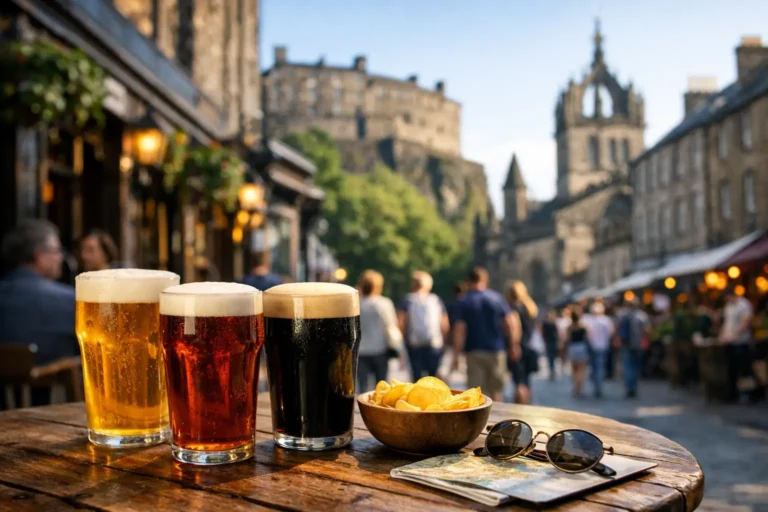
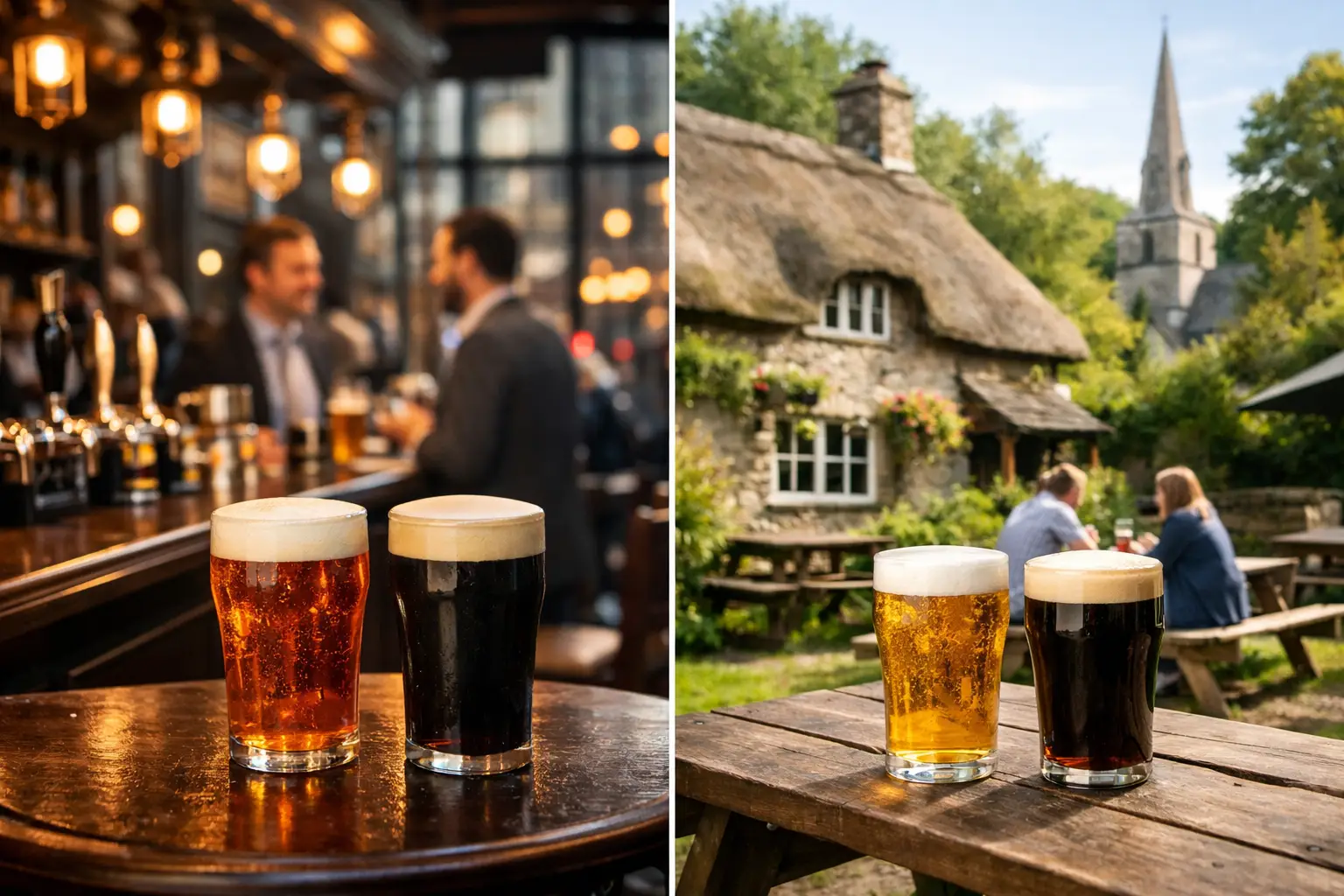
A pint by a busy station can be exactly what you need on a Friday night. So can the low-beamed pub at the end of a country lane, where the same few faces are discussing the weather, the cricket and who has put their house up for sale. City pubs versus village locals is not really a contest. They serve different rhythms of British life, and knowing what each does well makes choosing where to go far easier.
For a quick catch-up, a day of pub-hopping, a decent lunch after a museum visit or a quiet Sunday pint with the dog, the best choice depends on the occasion as much as the postcode.
City pubs versus village locals: the real difference
The biggest distinction is not the beer list or the age of the building. It is the role the pub plays in its community.
A city pub often has to welcome everyone at once: regulars, office workers, visitors, students, theatre-goers and people who have simply spotted a promising sign on the way home. The good ones manage this without feeling anonymous. They might have a sharp cask line-up, a snug tucked behind the main bar, a quiz night that brings in the neighbours, or a lunchtime crowd who know exactly which table catches the sun.
Village locals tend to be more woven into everyday life. They can be the place for a midweek supper, a parish meeting, a wake, a birthday and a spontaneous catch-up after walking the dog. That familiarity is their great strength. A well-run village pub feels less like a venue and more like a shared sitting room, albeit one with better crisps and someone else doing the washing-up.
Neither setting guarantees character. There are polished city pubs with real warmth and village pubs that feel cautious around newcomers. The best test is simple: does the pub make you want to stay for one more, whether you arrived alone, with friends or dripping slightly after a wet walk?
Why city pubs are brilliant for discovery
Cities make it easier to build a whole outing around the pub rather than treating it as a single stop. Historic boozers sit a few streets from taprooms, smart dining rooms, sports bars, old coaching inns and tiny backstreet free houses. If one place is full, too loud or simply not your sort of pub, another good option may be five minutes away.
That variety is especially useful for visitors and groups with mixed tastes. One person wants a proper pint of bitter, another prefers a hazy pale ale, someone else is hungry, and somebody has booked a matinee. In a strong city centre, you can usually accommodate the lot without turning the afternoon into a military operation.
City pubs also excel at occasions. A pre-match pint needs quick service, plenty of standing room and screens used sensibly. A post-work drink may call for outdoor tables or a good wine list alongside the beer. A Saturday pub crawl needs a sensible route, enough contrast between stops and a clear plan for getting home safely.
The drawback is that a pub can feel different depending on the hour. A peaceful old pub at 3pm may be packed by 6pm, while a place with a great reputation for food might not be ideal for a leisurely drink on a busy Saturday. Check recent pub reviews, look at opening times and have a second choice nearby. The Pubs Near Me: Pub Finder UK app is handy here for finding pubs nearby, saving favourites and building a route that does not involve retracing your steps all evening.
The city pub sweet spot
The most memorable city finds often sit just beyond the obvious strip. Look one or two streets away from the main station, shopping area or tourist landmark. That is where you may find a quieter bar, a more settled local crowd and staff with time to talk through the beers.
This is not a rule to avoid famous pubs. Many landmarks are famous for good reason. It is simply worth pairing one classic with one lesser-known stop, particularly if you are planning a weekend itinerary or exploring a new city.
What a good village local does better
Village pubs have space to breathe. Not always physically – some of the cosiest are barely wider than the bar – but socially. There is less pressure to squeeze every hour into a schedule. You can arrive after a walk, settle beside the fire, order a pint and let the afternoon unfold.
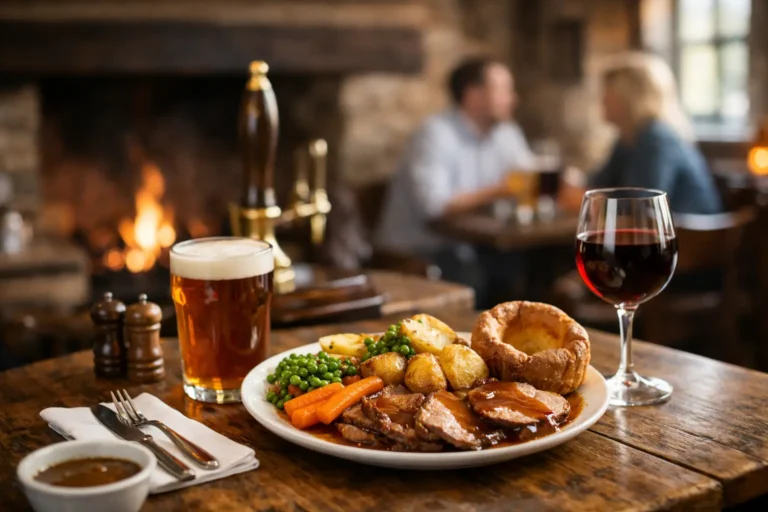
Food is often a bigger part of the picture. The village local may be the only easy meeting place for several miles, so a reliable Sunday roast, a decent children’s menu or a garden that works for family lunches matters as much as the handpump selection. That does not make it a restaurant pretending to be a pub. At its best, food gives more people a reason to use the place and helps keep a valuable community hub alive.
The setting is another advantage. Beer gardens with proper views, muddy-boot corners, nearby footpaths and a warm bar after a cold day are hard to replicate in town. If you are choosing somewhere for a relaxed birthday meal, a dog-friendly lunch or the end point of a countryside walk, a village pub is often the obvious answer.
There are practical compromises. Public transport may be limited, taxis can be scarce and opening hours can be more restricted outside peak times. Booking is wise for Sunday lunch, bank holidays and popular food-led pubs. If you are driving, appoint a designated driver or arrange your journey before that first round. The point is to enjoy the pub, not turn a pleasant day out into a logistical headache.
How to feel at home without being a regular
Newcomers are welcome in most village pubs, but a little awareness goes a long way. Order at the bar if that is how the pub operates, do not assume every table is free if people are waiting for food, and be patient when a small team is handling drinks, meals and local chat at once.
The easiest way in is genuine curiosity. Ask what is good on the pumps, whether there is a local walk nearby, or which night the quiz is on. You are more likely to get a useful answer than from an online list, and you may find the sort of place you return to every time you are in the area.
Beer, food and atmosphere: choose your priority
For beer enthusiasts, city pubs usually win on breadth. Competition is close, breweries are nearby and turnover can be high, which means more guest ales, keg options and specialist bars. A city ale trail can take you from traditional mild to modern pale ale in a single afternoon.
Village locals often win on focus. Three well-kept cask ales, served correctly by people who know their regulars’ orders, are better than an oversized list that lacks care. The same applies to food: a city pub may offer choice and late service, while a village kitchen might offer fewer dishes done with more confidence.
Atmosphere is even more personal. Want background buzz, strangers at the bar and somewhere to continue after dinner? Choose the city. Want conversation that is actually audible, a familiar welcome and no sense that your table is needed for the next sitting? Head for the village. If the group is split, a town-edge pub can be a very good compromise – accessible enough for everyone, but often calmer than the centre.
Make the choice part of the plan
There is no need to declare loyalty to one type of pub. A great weekend can begin with a city heritage pub, continue through a couple of well-chosen independent bars and finish with Sunday lunch at a village local on the way home. The contrast is part of the pleasure.
Before you go, decide what matters most: a particular beer, good food, easy transport, a garden, live sport, dog-friendly tables or simply somewhere comfortable enough for a long chat. Then use honest pub reviews rather than relying on a single star rating. Recent comments on service, beer condition, noise levels and booking advice tell you far more about whether a pub suits your day.
The best pub is rarely the one with the grandest reputation. It is the one that fits the moment, pours a good pint and gives you a reason to remember the people you were with.