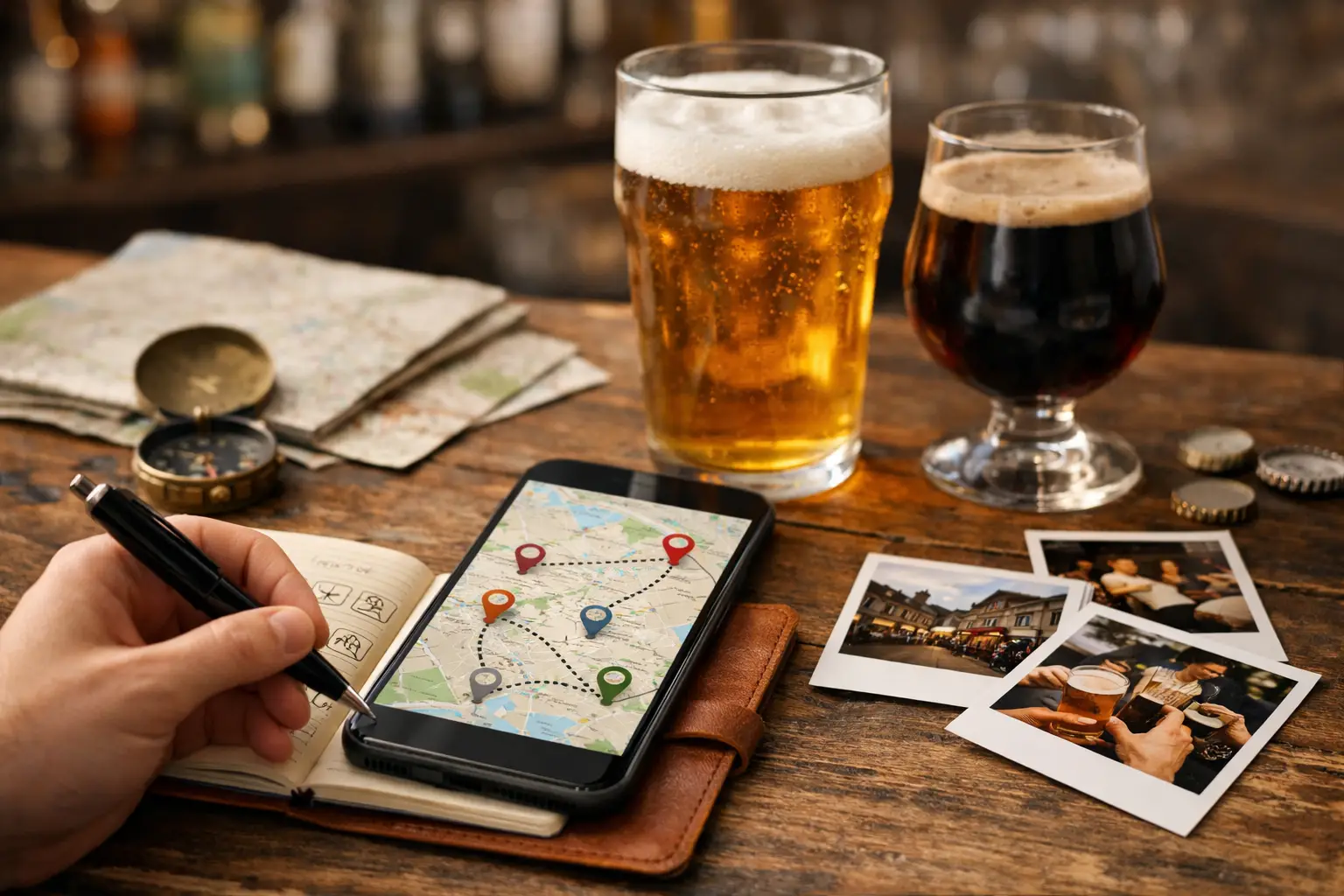
A good pub memory is rarely just a pin on a map. It is the barmaid who knew her cask ale, the snug with a proper fire, the garden that caught the last bit of sun, or the unexpected stop that turned a walk round town into a brilliant afternoon. Learning to track visited pubs helps you hold on to those details – and makes the next outing far easier to plan.
For some people, it starts as a simple list of locals. For others, it becomes a personal record of historic boozers, city-centre hidden gems, country inns, pub quiz haunts and every stop on an ale trail. There is no single right way to do it. The best system is the one you will actually use after a busy Friday night, a weekend away or a leisurely Sunday roast.
Why track pubs you have visited?
Keeping a record is useful long before it becomes a hobby. You will know where you had that excellent pint of mild, which pub was genuinely dog-friendly, and where to take visiting friends when they ask for somewhere with character rather than another predictable chain bar.
It also gives your recommendations more weight. Instead of saying, “There was a lovely place near the station”, you can remember the name, the area, what it did well and whether it suits the occasion. A pub that shines for a quiet midweek pint may not be the best shout for watching the football, while a lively beer garden can feel very different in November.
Over time, your record reveals the sort of pubs you really enjoy. Perhaps you always return to Victorian interiors and handpumps, or perhaps modern craft beer pubs with good food win every time. That is useful knowledge when planning a day out and choosing between the many pubs near you.
Choose a tracking method you will stick with
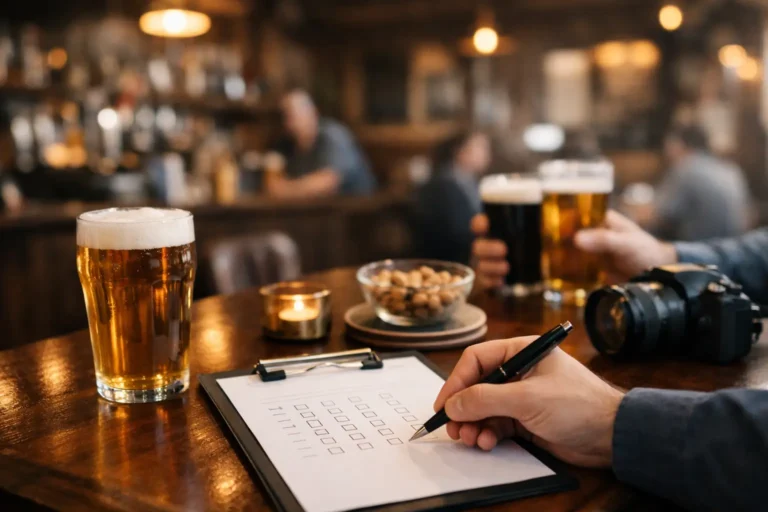
A notebook has undeniable charm. It is satisfying to write down a pub name beside the date, especially if you enjoy collecting brewery stamps, beer mats or route notes from a trip. The drawback is that notebooks do not help much when you are standing in an unfamiliar city trying to work out which excellent pub is five minutes away.
A notes app or spreadsheet is more searchable. You can sort by town, pub type or date, then add quick observations in your own words. It works particularly well for people building a long-term list of traditional pubs, beer gardens or places still to try. The trade-off is that it can become fiddly unless you keep the format simple.
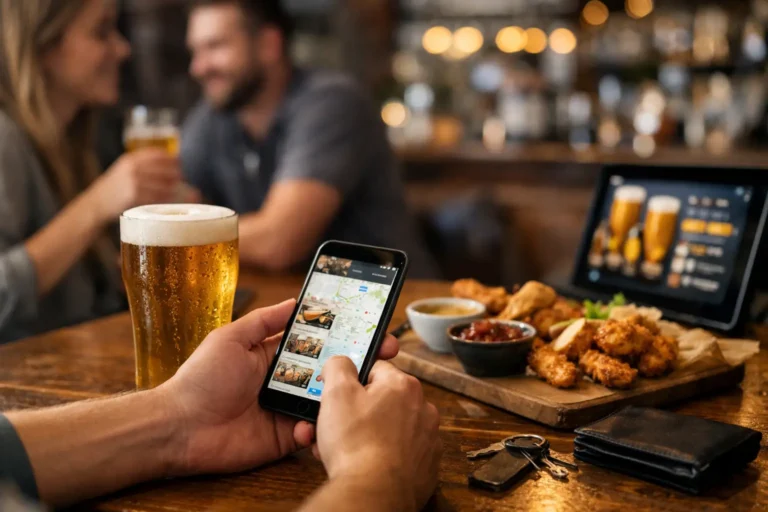
For regular explorers, a dedicated pub finder app is usually the most practical option. Pubs Near Me: Pub Finder UK lets you find pubs nearby, save favourite pubs, build pub crawls, rate and review venues, track pubs visited and keep an eye on beers you have tried. Having the map, your saved places and your own pub history in one place is particularly handy on a city break or while following an ale trail.
Whatever method you choose, do not turn it into admin. If recording a pub takes more than a minute or two, you will soon leave it until later – and later is when the useful details disappear.
What to record after each visit
The pub name and location are the starting point, but the notes are what make your tracker valuable. A short entry written in your own voice is better than a generic star rating with no context.
Start with the basics: when you went, who you were with and what sort of visit it was. A pub can be wonderfully relaxed at 3pm on a Tuesday and packed on a Saturday evening. That does not make either experience wrong, but it gives future-you a much fairer picture.
Then add the things that matter to you. You might note the quality and choice of cask beer, the food, the welcome, the atmosphere, accessibility, outdoor seating, music level or whether booking is wise. If you are trying a beer, record the brewery, style and whether you would order it again. These small details soon become more useful than a vague memory that the place was “nice”.
A simple scoring system can help, provided it does not flatten every visit into a number. Consider rating the pub on a few consistent measures: beer, atmosphere, food if you ate, value and whether you would return. Leave room for a written note too. A historic pub with a limited drinks range may still deserve a place on your favourites list because its setting is unlike anywhere else.
Keep your reviews fair and specific
The most helpful notes are balanced. If service was slow, ask whether the pub was clearly busy or short-staffed. If the menu was not for you, that may say more about your preferences than the quality of the kitchen. Record what happened, rather than making sweeping judgements.
That approach is especially useful if you share a review with other pub-goers. Mention the practical things people need to know: whether the pub is best for a quiet pint, a family lunch, a post-match crowd or a stop on a crawl. Honest pub reviews help everyone make a better choice.
Turn your record into better pub crawls
Tracking visits becomes genuinely fun when you use it to plan routes. Rather than relying on the nearest venue each time, you can spot gaps in an area and group pubs by neighbourhood, style or opening hours.
A well-paced pub crawl is not about squeezing in as many stops as possible. It is about giving each pub enough time to show what it does best. You might begin with a calm traditional pub for a cask ale, walk to a lively craft beer bar for a half, then finish somewhere known for food or a comfortable last drink. Check opening times, walking distances and whether the group needs a table before setting off.
Your tracker can also stop you repeating the same familiar route. If you have visited every well-known pub in a city centre, look at the surrounding neighbourhoods, old coaching inns or smaller independent locals. The best discoveries are often just beyond the obvious circuit.
When planning with friends, share the purpose of the outing. Are you after a heritage-focused afternoon, good food, live sport, a beer garden or simply a few welcoming places within easy walking distance? A route that suits the group is always better than one built around ticking off venues.
Build a personal pub map, not a competition
There is a temptation to treat visited-pub tracking like a race: more towns, more counties, more pins. There is nothing wrong with setting yourself a challenge, but pub culture is richer when you leave room to return.
Going back matters. A pub can change its beers, menu, landlord, garden, opening pattern or atmosphere over the years. Revisiting a favourite is part of keeping an accurate record, and it gives you a stronger sense of which places consistently deliver a good experience.
Try organising saved pubs into a few useful categories rather than one giant list. Favourites, want to visit, good for food, historic interiors, dog-friendly, excellent beer gardens and reliable match-day spots are all practical labels. You may also want a separate list for places that friends have recommended, so a passing suggestion does not get lost in a group chat.
If you are travelling, make a short shortlist rather than trying to plan every drink. Save two or three strong options in each area and allow the day to develop naturally. A pub walk should still have room for the promising-looking corner local you did not know existed.
Make the record worth sharing
A pub tracker is personal, but it can also strengthen the wider pub community. Your notes may help a mate choose a venue for a birthday, guide a colleague to a decent pint near their hotel, or point fellow enthusiasts towards a lesser-known place doing things properly.
Share the details that make a recommendation useful: what you ordered, when you went, who the pub might suit and one memorable feature. A photo can be nice, but a clear note such as “great small beer garden, best booked for Sunday lunch” is often more valuable.
Above all, keep the focus on enjoyment rather than numbers. Track the pubs that give you a story, a good welcome or a reason to take the longer route home. The next time someone asks where they should go for a proper pint, you will have an answer that comes from experience – not just a search result.