
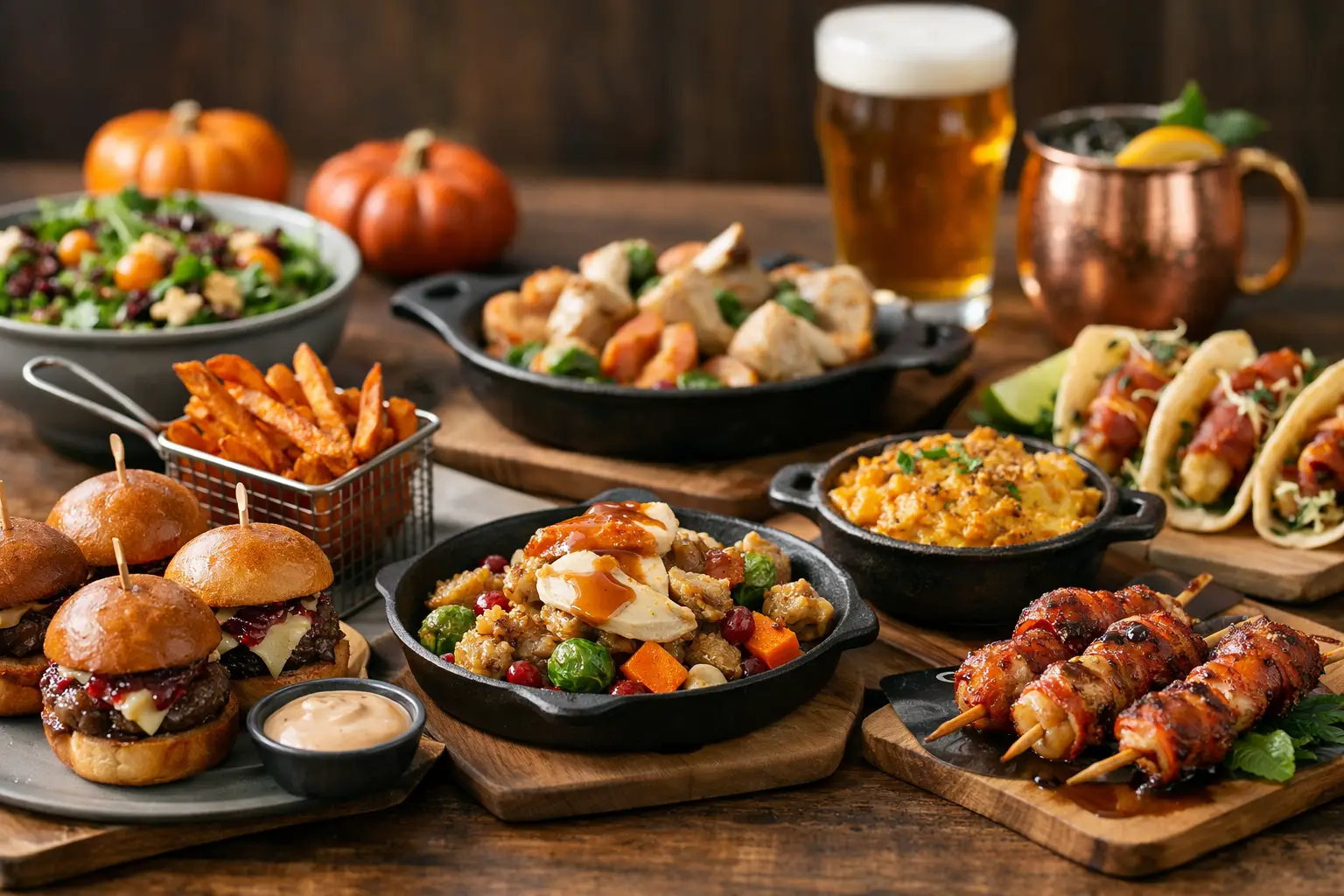
A pub menu tells you a fair bit about the place before the first pint arrives. The seasonal pub food trends worth paying attention to are not about chasing restaurant fashions for the sake of it. They are about pubs making better use of British produce, giving regulars a reason to return, and matching food to the weather, the garden and the occasion.
For pub-goers, that usually means more than a token soup change. A good seasonal menu can turn a familiar local into the right choice for a long Sunday lunch, a post-walk plate by the fire or an easy summer evening outside. Here is what is appearing on better pub menus, and how to spot the places doing it with a bit of care.
Seasonal pub food trends: what is changing?
The strongest shift is towards shorter, more flexible menus. Rather than trying to offer every classic in every month, many pubs are keeping dependable favourites while rotating a handful of dishes around what is at its best. That might be asparagus and new potatoes in spring, British berries in summer, game and squash in autumn, then root vegetables, braises and warming puddings when the cold sets in.
This approach makes practical sense. Ingredients bought in season are often better value and taste more like themselves, while a kitchen can put more thought into a smaller number of dishes. It also gives a pub some character. You are more likely to remember a properly good leek and Lancashire cheese tart than another menu trying to be a steakhouse, curry house and Italian all at once.
There is a trade-off, of course. A changing menu is not automatically a brilliant menu, and a much-loved pie or fish and chips should not disappear simply because the calendar turns. The best pubs hold on to their reliable crowd-pleasers, then let seasonal specials do the interesting work.
Spring: lighter food without losing the pub feel
Spring menus tend to bring a welcome lift after months of gravy-heavy comfort food. Expect more greens, herbs, pea dishes, watercress, rhubarb and early British lamb. A good spring special should feel fresh but still generous enough for a pub meal.
Look out for roast lamb with mint and seasonal greens, pan-fried fish with crushed new potatoes, or a vegetarian dish that is more considered than a last-minute salad. Pea and mint risotto, wild garlic gnocchi or a hearty tart with local cheese can be every bit as satisfying as a meat dish when it is well cooked.
Spring is also when a pub’s lunch offering can come into its own. After a canal walk, a market wander or an afternoon exploring a new town, dishes such as rarebit with a seasonal side salad, a proper ploughman’s or a fresh fish finger sandwich can be exactly the right level of relaxed.
Summer: beer gardens need food that travels well
Summer pub food is no longer limited to a burger and a packet of crisps, although a well-made burger still has its place. The better seasonal menus lean into food that suits beer gardens and long, unhurried catch-ups: grilled meats and vegetables, bright salads, sharing boards, lighter sandwiches and desserts built around strawberries, cherries or gooseberries.
The key is not to confuse lighter with skimpy. A salad needs substance, whether that is grilled halloumi, smoked mackerel, lentils, chicken or a good piece of local cheese. Likewise, a sharing plate should be generous enough to share rather than three olives pretending to be an occasion.
Outdoor menus often work best when they are simple. Chips that stay crisp, dishes that are easy to eat at a garden table and food that does not demand a full knife-and-fork operation are all sensible choices. If you are planning a group afternoon, it is worth checking recent pub reviews for comments on garden service, table availability and whether the food offering is actually served outside.
Seasonal drinks matter here too. A pub with a thoughtful food menu will often have a lighter cask ale, local lager, cider or alcohol-free option that suits the warmer weather. There is no need to force a pairing, but a sharp cider alongside a pork dish or a pale ale with grilled fish is often a very good place to start.
Autumn: the return of proper comfort food
Autumn is arguably the pub kitchen’s best season. The weather turns, walks get muddier and meals can be slower, richer and more forgiving. Mushrooms, apples, blackberries, pumpkins, squash and game appear more often, alongside pies, suet puddings and well-made mash.
Game is one of the clearest seasonal pub food trends, but it works best when handled with confidence rather than treated as a novelty. Venison sausages, pheasant pie or a game casserole can be excellent, particularly in rural pubs with a strong local supplier network. It will not suit everyone, so a balanced menu should still offer a comforting vegetarian choice and a familiar staple.
This is also the time for dishes that make use of the whole menu rather than one-off ingredients. Apple may turn up in a pork main, a chutney on a cheeseboard and a crumble for pudding. That is not a lack of imagination. It is often a sign that the kitchen is buying thoughtfully and wasting less.
Winter: classics, done with care
When winter arrives, pub-goers generally want warmth, value and a reason to linger. Slow-cooked beef, steak and ale pies, sausages with onion gravy, winter vegetable bakes and sticky toffee pudding all earn their place. The trend is not that these dishes are new. It is that more pubs are trying to improve the details: better meat sourcing, richer stocks, seasonal vegetables and homemade puddings rather than generic freezer-to-fryer food.
A winter menu should have depth, but it does not need to be relentlessly heavy. A good fish dish, a spiced vegetable curry or a warming broth can offer a lighter alternative. It depends on the pub, too. A historic country inn with a roaring fire can carry a suet crust and a big red wine jus beautifully. A busy city pub may be better served by a quick, well-priced stew and a few excellent bar snacks.
Do not overlook the importance of sides. Proper greens, crispy roast potatoes, buttered cabbage or a decent portion of cauliflower cheese can be the difference between a plate that feels generous and one that is merely filling.
Sunday roasts are becoming more seasonal
The Sunday roast remains one of the strongest reasons to visit a pub, and seasonality is making it more interesting without changing its essentials. The foundation is familiar: good meat or a convincing vegetarian centrepiece, roast potatoes, Yorkshire puddings where appropriate, vegetables and gravy. What changes is the detail around it.
In spring, that could mean lamb with greens and mint sauce made in-house. In autumn, expect squash, parsnips, braised red cabbage and richer gravies. Winter roasts may feature slower-cooked cuts and more substantial trimmings. The best versions still arrive hot, with enough gravy and enough potatoes. A fashionable garnish will not rescue a lukewarm Yorkshire pudding.
If a roast is the main purpose of your outing, book ahead and look for recent, specific feedback. Comments about portion size, timing and how accommodating the pub is with dietary requirements are more useful than a vague five-star rating.
What to look for on a seasonal pub menu
A menu does not have to name every farm and field to feel seasonal. What matters is whether it reads as though the kitchen knows what it wants to cook. A short specials board, vegetables that change with the month and desserts using British fruit are encouraging signs. So are clear vegetarian and vegan choices that do not feel like an afterthought.
Be realistic about the setting. A small village pub may only offer food on selected days, while a popular gastropub may need advance booking at weekends. Some places excel at a brilliant pie and pint but are not built for a three-course celebration. Honest pub discovery is about matching the venue to the plan, not expecting every pub to do everything.
For days out, save a few possibilities rather than relying on one menu you saw weeks ago. The Pubs Near Me: Pub Finder UK app can help you find pubs nearby, save favourite pubs and keep track of places you have visited, which is particularly handy when a spontaneous walk turns into a search for lunch.
Seasonal menus give regulars a reason to come back and visitors a taste of where they are. Choose a pub that keeps its classics strong, gives local produce a fair showing and serves food suited to the season, then settle in and enjoy it at a sensible pace.